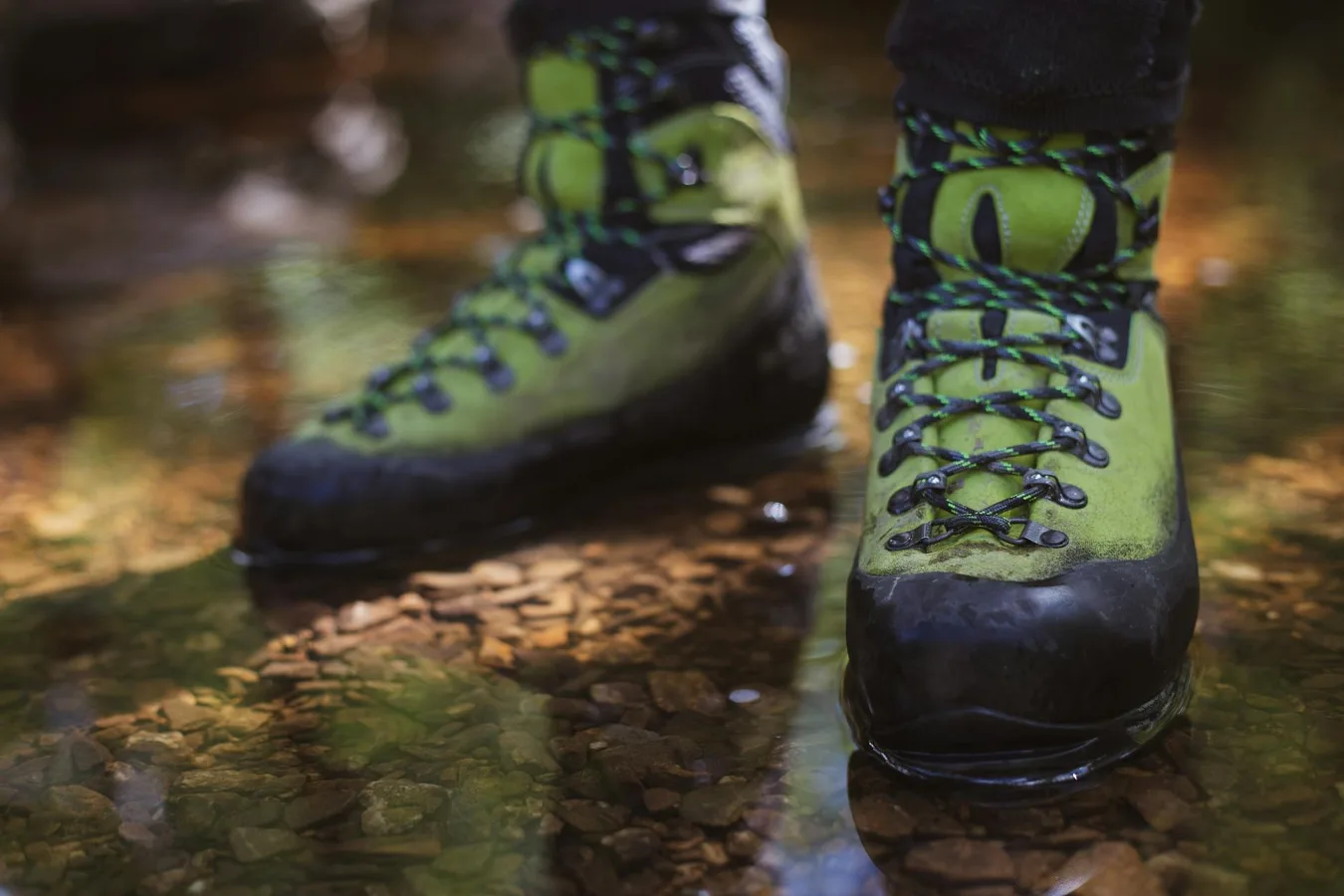
If you’re shopping for hiking boots waterproof, the real question is not just whether the boot blocks moisture. It’s whether it matches the way you hike. The best waterproof hiking boot for a rainy day walk is not always the best choice for hot-weather trails, fast-paced day hikes, or long backpacking trips. hiking boots hiking offers more detail on this point.
Waterproof boots are useful when you expect wet grass, puddles, stream crossings, slush, mud, or steady rain. They can also make sense for hikers who want more protection from the elements on shoulder-season trips. The trade-off is that waterproofing often adds warmth and can reduce breathability, which matters more than many shoppers expect.
Who waterproof hiking boots are best for
Waterproof hiking boots are a good fit if your hikes regularly involve damp conditions or unpredictable weather. They are especially practical for hikers who value dry feet over maximum airflow. That includes people hiking in the Pacific Northwest, the Northeast in shoulder seasons, mountain areas with lingering snowmelt, or anywhere trails stay wet for long stretches.
They also suit hikers who prefer a more protective feel underfoot. A waterproof boot often comes with a sturdier build than a lightweight trail shoe, which can help on rocky paths, rough descents, and uneven ground. That does not mean every waterproof boot is heavy or rigid, but the category does lean toward more coverage and structure.
On the other hand, if you hike mostly in dry heat, move quickly, or often deal with humid summer conditions, waterproof boots may feel too warm. In those cases, a breathable non-waterproof shoe can be the smarter option even if it means accepting occasional wet feet.
The main trade-offs to understand before you buy
The biggest misunderstanding about waterproof hiking boots is that “more waterproof” automatically means “better.” In practice, waterproofing is one part of a larger comfort equation.
- Dryness vs. breathability: Waterproof membranes help keep external moisture out, but they can also trap more heat and sweat inside.
- Protection vs. flexibility: Boots with more structure may feel more stable, but they can take longer to break in and may feel less agile.
- Warmth vs. seasonality: A boot that feels ideal in cold rain may be too warm for summer ridge hikes.
- Weight vs. durability: Lighter boots often feel easier on long days, while heavier models may offer more rugged support.
Another common misconception is that waterproof boots stay dry forever. Over time, seams, uppers, and outsoles wear down, and the water-shedding performance of the boot depends on condition as much as design. Care matters, and so does realistic use. No boot is the right answer for every wet environment.
Material and spec factors that matter most
Upper material
The upper affects durability, flexibility, weather resistance, and how the boot feels after hours on trail. Leather uppers often have a reputation for durability and weather protection, while synthetic uppers usually appeal to hikers who want a lighter, more flexible feel and shorter break-in time. Some boots combine both.
The right choice depends on your priorities. If you want a boot for rough terrain and frequent use, leather or leather-reinforced construction may be worth the extra weight. If you want something easier to wear on day hikes, synthetic materials may feel more approachable.
Waterproof membrane
Many waterproof hiking boots use a membrane layer to help block external moisture while allowing some vapor to escape. You’ll often see material names and proprietary membrane systems mentioned in product descriptions. What matters most is the overall design: the membrane, seam construction, tongue gusseting, and how well the boot is put together.
Do not assume a membrane solves every wet-weather problem. If water comes in over the collar, through an open tongue, or from prolonged immersion, the boot can still get wet. A waterproof boot is helpful in rain and trail spray, but it is not a substitute for waterproof gaiters, smart route selection, or avoiding deep water.
Outsole and traction
For wet hiking, traction can matter as much as waterproofing. A boot that keeps water out but slips on slick roots or muddy slopes is still a poor match for the trail. Look for an outsole designed for multi-surface grip, with lugs shaped for the type of terrain you actually hike. trail traction and outsole guide offers more detail on this point.
For example, mud-heavy hikes usually benefit from deeper lugs that shed debris more easily, while mixed terrain may call for a more balanced tread pattern. On wet rock, tread design matters, but technique and caution still matter more. No outsole makes slippery surfaces safe in every condition.
Fit and lockdown
Fit is one of the most overlooked factors in waterproof boot shopping. A boot can have excellent construction and still feel wrong if the heel lifts, the toe box is cramped, or the midfoot feels loose. Poor fit can also create hotspots, blisters, and fatigue on longer hikes.
When trying to judge fit, think about hiking-specific movement rather than standing still. Downhill comfort, toe room, heel security, and sock compatibility all matter. A slightly roomier toe box can be helpful on descents and during long days when feet swell. Too much room, though, can reduce control and increase rubbing.
Weight and break-in time
Waterproof hiking boots often feel more substantial than low-cut hiking shoes. That extra structure can be useful, but it may also slow you down on fast hikes or make long days feel more tiring. If you plan to cover a lot of ground, weight becomes a real decision factor rather than a minor detail.
Break-in time is another practical nuance. Some boots feel comfortable quickly, while others need several outings before they stop feeling stiff. If you need boots for an upcoming trip, leave enough time to test them on shorter walks first. A waterproof boot that looks ideal on paper can still cause problems if it has not settled into your stride.
Choosing by hiking scenario
Different hikers need different waterproof features. Thinking in terms of use case usually leads to a better purchase than focusing on a brand label alone.
- Day hikers: Often do best with lighter waterproof boots that balance protection and comfort without feeling overbuilt.
- Backpackers: Usually need a more stable boot that can handle load, uneven footing, and longer wear.
- Cold-weather hikers: May want waterproof construction for snowmelt, slush, and cold rain, but should also consider insulation separately.
- Mud and shoulder-season hikers: Often benefit from stronger water resistance, secure traction, and easier-to-clean materials.
- Travel hikers: May prefer versatile boots that handle variable conditions without taking up too much space or feeling overly specialized.
A useful rule of thumb: buy for the conditions you actually face most often, not the rarest scenario you imagine. If you only see wet weather a few times a year, all-day waterproof protection may be less important than comfort and ventilation.
Waterproof boots vs. water-resistant shoes
Many shoppers compare waterproof hiking boots with water-resistant or non-waterproof hiking shoes. The difference is worth understanding before you commit.
Waterproof boots are better when the trail itself is wet for long stretches or when weather is unpredictable. They are the stronger choice for rain, snow patches, and muddy terrain.
Water-resistant shoes usually dry faster and breathe better, which can be a major advantage in warm climates. They may also feel more comfortable for hikers who dislike the enclosed feel of a waterproof boot.
If your hikes often start dry and end wet, or if you cross from dry trail to wet brush and back again, waterproof boots can be the safer convenience choice. If most of your discomfort comes from heat rather than moisture, breathable shoes may solve more problems than waterproofing does.
Common mistakes shoppers make
- Choosing waterproofing as the only priority: Traction, fit, and comfort usually matter more over time.
- Ignoring breathability: Warm, sweaty feet can be just as uncomfortable as wet feet.
- Buying for the wrong season: A boot that works in autumn rain may overheat in midsummer.
- Assuming waterproof means maintenance-free: Dirt, abrasion, and wear affect performance.
- Picking a boot without considering socks: Hiking socks change fit and moisture management more than many people expect.
- Not accounting for break-in: Stiff boots can feel fine in the store and problematic on trail.
Maintenance that helps waterproof boots last longer
Waterproof hiking boots need basic care to stay useful. After muddy or wet hikes, let them dry naturally, away from direct heat that can damage materials. Remove debris from the tread and seams, and follow the maker’s cleaning guidance rather than using harsh products by default.
If the exterior starts absorbing water more readily, that can be a sign the durable water-repellent finish on the outer material needs attention. Care products are not interchangeable, so use only what is appropriate for the boot’s material. Over-conditioning leather or using the wrong cleaner can create new problems.
Storage matters too. Boots left damp in a closed bag can develop odor and degrade faster than boots that are fully aired out. Even a good waterproof boot performs better when it is treated as gear, not as a disposable item.
What to do next before you buy
Start by matching the boot to your most common conditions. Ask yourself whether wet weather, rocky terrain, warm temperatures, long mileage, or pack weight is the main challenge. Then compare fit, weight, traction, and material construction against that actual use case.
If you are torn between two models, the better choice is usually the one that fits your foot shape and hiking style more naturally. Waterproofing should support comfort and trail confidence, not override them.
It also helps to think about your broader footwear rotation. Some hikers need a waterproof boot for late-season trips and a lighter, more breathable shoe for summer. That is often a more practical setup than trying to force one pair to do everything.
FAQs
Are waterproof hiking boots worth it?
They are worth it if you regularly hike in wet weather, muddy terrain, snowmelt, or damp brush. If your hikes are usually hot and dry, breathability may matter more than waterproofing.
Do waterproof hiking boots make your feet sweat more?
They can. Waterproof construction often reduces airflow, so feet may feel warmer and more humid inside the boot, especially in summer or on hard climbs.
Should I choose leather or synthetic waterproof hiking boots?
Choose based on priorities. Leather often offers a more robust feel and may suit rougher use, while synthetic options are often lighter and easier to wear right away.
Can waterproof hiking boots handle deep water?
Not reliably. They are designed for wet trails and rain, but deep water can enter over the collar or through openings, and prolonged submersion can overwhelm the boot.
How do I know if the fit is right?
You should have secure heel hold, enough toe room for downhill movement, and no obvious pressure points. Try them with the socks you plan to hike in.
Final buyer takeaway
The best waterproof hiking boots are the ones that balance moisture protection with fit, traction, and climate suitability. If your trails are often wet, that protection can be a real comfort advantage. If your hikes are mostly warm or fast-paced, a less weatherproof option may actually serve you better. best hiking shoes for wet trails offers more detail on this point.
Choose the boot that matches your trail conditions, your foot shape, and the way you move. That is usually how you get the most useful pair, not just the most waterproof one.