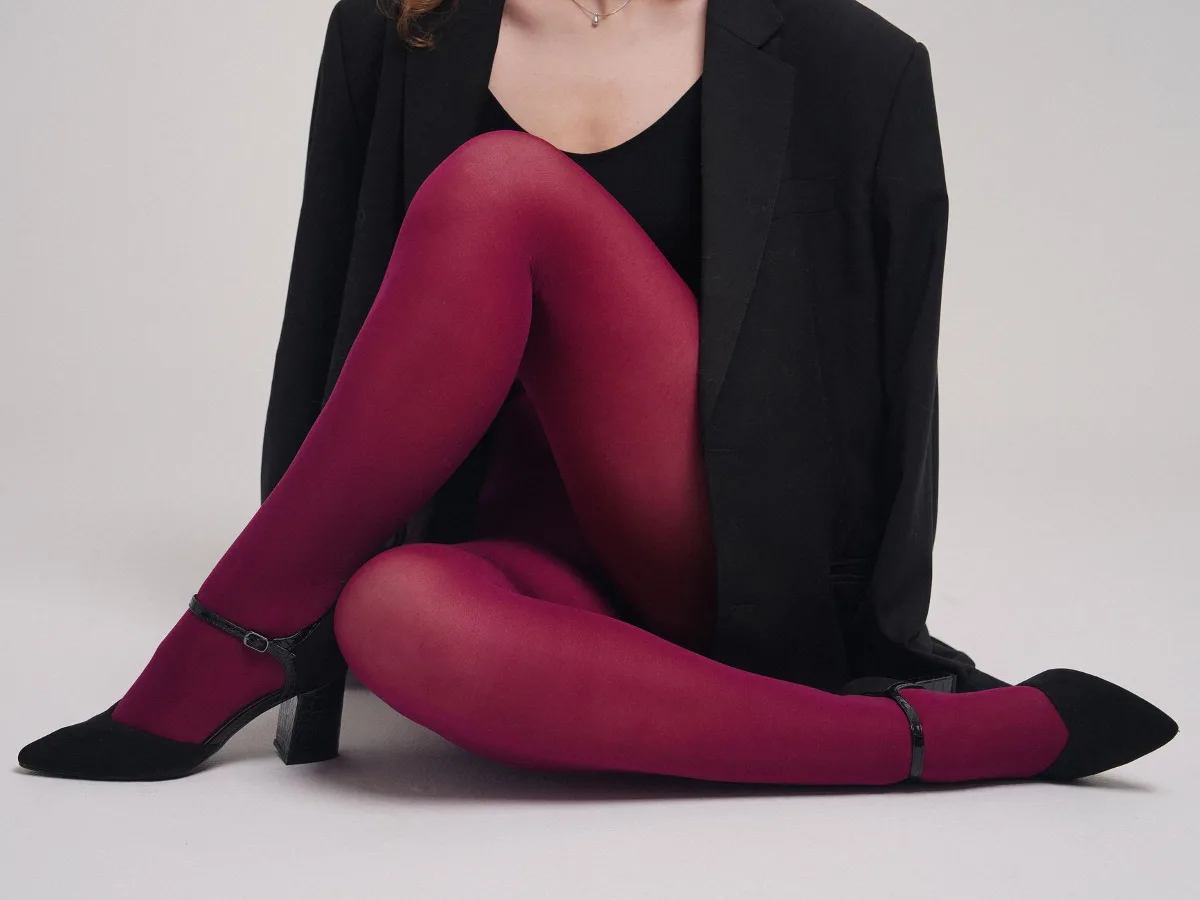
If you’re deciding between tights and leggings, the short answer is this: tights are usually thinner, often more sheer or semi-opaque, and are designed to be worn as a layering or leg-covering piece, while leggings are typically thicker, more opaque, and can function as a standalone bottom. That difference affects everything from warmth and coverage to how you style them with dresses, tunics, sweaters, and boots.
The terms sometimes get used loosely in everyday shopping, which is where the confusion starts. A pair that looks like leggings in one brand may be labeled as tights in another, especially when fabric thickness and intended use overlap. Still, there are useful distinctions that make choosing easier once you know what to look for. choosing leggings for everyday wear offers more detail on this point.
Choose based on how you plan to wear them
The most practical way to think about tights vs leggings is by outfit context. If you want something to wear under a dress, skirt, or long sweater, tights are often the more natural choice. If you want a legging you can wear on its own with oversized tops, knits, or casual layers, leggings usually fit that role better. casual outfit ideas with leggings offers more detail on this point.
That single difference helps answer a lot of everyday questions:
- For dress outfits: tights usually provide a smoother, more polished finish.
- For casual errands or lounging: leggings tend to feel more substantial and versatile.
- For cooler weather: opaque tights can add light warmth, while thicker leggings may offer more coverage and insulation.
- For workwear or dress codes: tights are often easier to style discreetly under skirts and dresses.
The right pick depends less on the label and more on the role the garment needs to play in your outfit. how to pick the right waistband fit offers more detail on this point.
What really separates tights from leggings
There isn’t one single feature that defines the difference. Instead, it’s a combination of fabric, opacity, construction, and styling purpose.
Opacity and coverage
Tights are commonly associated with lighter coverage. Sheer tights, for example, are designed to visibly tint the leg rather than fully conceal it. Opaque tights cover more, but they still tend to be lighter and more delicate than many leggings.
Leggings are generally intended to be opaque enough to wear as bottoms. That doesn’t mean every pair is fully squat-proof or equally thick, but the category usually suggests more coverage than tights.
Fabric weight and feel
Tights are often made from finer knit blends that feel lightweight and close to the skin. They can be soft and stretchy, but they’re usually thinner and more prone to snags than leggings.
Leggings are often made from sturdier knit constructions or stretch blends that feel denser. Depending on the style, they may be cotton-rich, performance-oriented, fleece-lined, faux leather, ribbed, or ponte-style. That broader range makes leggings more adaptable across seasons and settings.
Waist and body shaping
Many tights are designed to sit smoothly under clothing, sometimes with a more delicate waistband or brief-style construction. Leggings often have a more noticeable waistband, mid-rise or high-rise fit, and more structure through the waist and hip area.
That difference matters if you prefer:
- a smoother layer under dresses or skirts
- a secure waistband for all-day wear
- more shaping and hold through the midsection
Material and spec factors worth checking before you buy
Shopping by product photo alone can be misleading. Two pairs can look similar online and perform very differently once you wear them. A few material and construction details are more useful than the marketing name.
Denier and thickness
For tights, denier is one of the most helpful indicators of opacity and feel. Lower denier generally means a sheerer, more delicate look; higher denier usually means more coverage and a heavier feel. That said, denier is only part of the story, since fiber blend and knit quality also affect durability and stretch.
Leggings may not always list denier, so look instead for descriptions that mention opaque fabric, double-knit construction, brushed fabric, or performance stretch if you need coverage.
Fiber blend
Common materials include nylon, spandex, elastane, polyester, cotton, modal, rayon blends, wool blends, and ponte knit. Each shifts the feel in a different direction:
- Nylon and elastane blends: smooth, stretchy, often used in tights and sleek leggings
- Cotton blends: softer and more casual, though sometimes less polished
- Polyester blends: durable and common in activewear-style leggings
- Wool blends: useful for colder weather when warmth is the priority
- Ponte knit: thicker and more structured, often useful for dressier leggings
Seams and gussets
Seams can influence comfort, durability, and how smooth the garment looks under clothing. Tights may have simpler construction to stay slim under skirts and dresses. Leggings often include more structured seam placement, especially in active or shaping styles.
A gusset can improve comfort and mobility, particularly in leggings. If you plan to wear them for long days, travel, or movement, this small detail can make a noticeable difference.
Waistband design
One overlooked detail is waistband behavior. A waistband that rolls, slips, or digs can ruin an otherwise good pair. For leggings, high-rise waistbands are popular because they help the garment stay in place and work well with longer tops. For tights, waistband comfort matters too, but the goal is often a smoother transition under clothing rather than a statement fit.
Trade-offs that matter in real wardrobes
The tights vs leggings decision often comes down to compromises rather than absolutes. Each has strengths, but neither does everything equally well.
Tights are better for a refined layer, but less forgiving
Tights are excellent when you want leg coverage without adding bulk. They can help finish an outfit cleanly under a skirt, dress, or longline silhouette. The trade-off is that they are usually less durable and less versatile as standalone bottoms.
They can also be less forgiving in fit. Because they are thinner, runs, snags, and visible fit issues may show sooner. If you want something low-maintenance, tights may require more care and more frequent replacement than leggings.
Leggings are more versatile, but not always outfit-neutral
Leggings work across a wider range of casual outfits, and many people rely on them as an everyday staple. They are often more comfortable for lounging, travel, and layering with oversized tops. The trade-off is that they can look too casual for certain outfits, and not every pair provides the polish needed for dressier settings.
Another practical limitation: not all leggings are equally opaque. A pair may seem fine at rest but become see-through when stretched. That’s why coverage and fabric quality matter more than the label alone.
Which one fits your buyer scenario?
If you’re trying to decide quickly, the best choice usually depends on the scenario you’re dressing for.
Pick tights if you need a cleaner finish under dresses or skirts
Tights are a strong choice when your main goal is leg coverage without changing the silhouette of the outfit. They’re useful for office outfits, evening looks, uniform-style dressing, and transitional weather when bare legs feel too exposed.
They also work well if you want to keep a dress outfit visually balanced. A sheer or opaque tight can preserve the shape of the outfit better than a thicker legging, especially with more tailored or feminine pieces.
Pick leggings if you want comfort, coverage, and flexibility
Leggings make more sense when you need a pull-on piece that can handle everyday movement and still look put together with the right top. They are often the easier choice for casual wear, travel, errands, and relaxed weekend outfits.
If you prefer a more substantial feel through the leg or want something that can work with boots, sneakers, or oversized layers, leggings usually give you more options.
If you want warmth without the bulk, consider the season
For colder months, both can work, but in different ways. Opaque tights can add a layer under dresses and skirts without changing the fit much. Thicker leggings may provide more overall coverage and a warmer feel, especially with longer tops or tunics.
In mild weather, lighter tights may be enough if you want to keep outfits airy. In colder weather, a thicker legging or lined style may be more practical.
Style differences people often overlook
One common misconception is that tights and leggings are interchangeable as long as they are black and stretchy. In practice, the visual effect is different. Tights usually create a more seamless line from waist to shoe, while leggings often read as a separate bottom layer.
That affects proportions. Tights tend to pair better with shorter hems, skirts, and dresses because they disappear more easily into the outfit. Leggings usually benefit from longer tops, sweaters, or jackets that intentionally cover the hip area.
Another nuance: footwear changes the look. Tights can make pumps, loafers, or ankle boots feel more polished. Leggings often work better with sneakers, boots, and chunkier casual shoes. The same top can feel dressier or more relaxed depending on which one you choose.
Common mistakes to avoid
Most confusion around tights vs leggings comes from shopping without checking the garment’s intended use. A few mistakes show up repeatedly.
- Choosing by appearance alone: a pair may look opaque online but feel thin in person.
- Ignoring sheerness under stretch: some leggings become less opaque when worn.
- Forgetting outfit proportions: leggings usually need more coverage on top than tights do.
- Assuming all tights are delicate: some opaque tights are sturdier than sheer ones, but they still need careful handling.
- Overlooking waistband comfort: a poor waistband can make a good fabric choice feel wrong.
If you’re shopping online, product photos are only a starting point. Fabric composition, opacity notes, and styling recommendations usually tell you more than the name of the category.
Practical alternatives if neither feels quite right
If tights feel too fragile and leggings feel too casual, there are useful middle-ground options.
- Ponte pants: more structured than leggings, often polished enough for casual office wear
- Jeggings: denim-inspired stretch bottoms that sit between jeans and leggings
- Thermal tights: a better option when warmth matters more than sheer styling
- Footless tights: useful when you want the close fit of tights without the footed finish
- Bike shorts or base layers: useful under dresses for coverage and comfort, depending on the outfit
These alternatives can solve fit or styling problems that tights and leggings don’t always handle equally well.
How to make the choice with less guesswork
Start with the outfit, then work backward. Ask what matters most: polish, warmth, comfort, opacity, or versatility. That order usually leads to the right answer faster than comparing product names.
Choose tights if you want a lighter, more seamless layer under dresses and skirts, especially for dressier or more refined outfits.
Choose leggings if you want a more substantial, standalone bottom that works for casual wear, layering, and long days on the move.
If you’re still unsure, check the fabric blend and the intended styling on the product page. Those details reveal more than the label itself. In fashion, the better question is rarely “Which one is better?” It’s “Which one works best for this outfit, this season, and this level of comfort?”