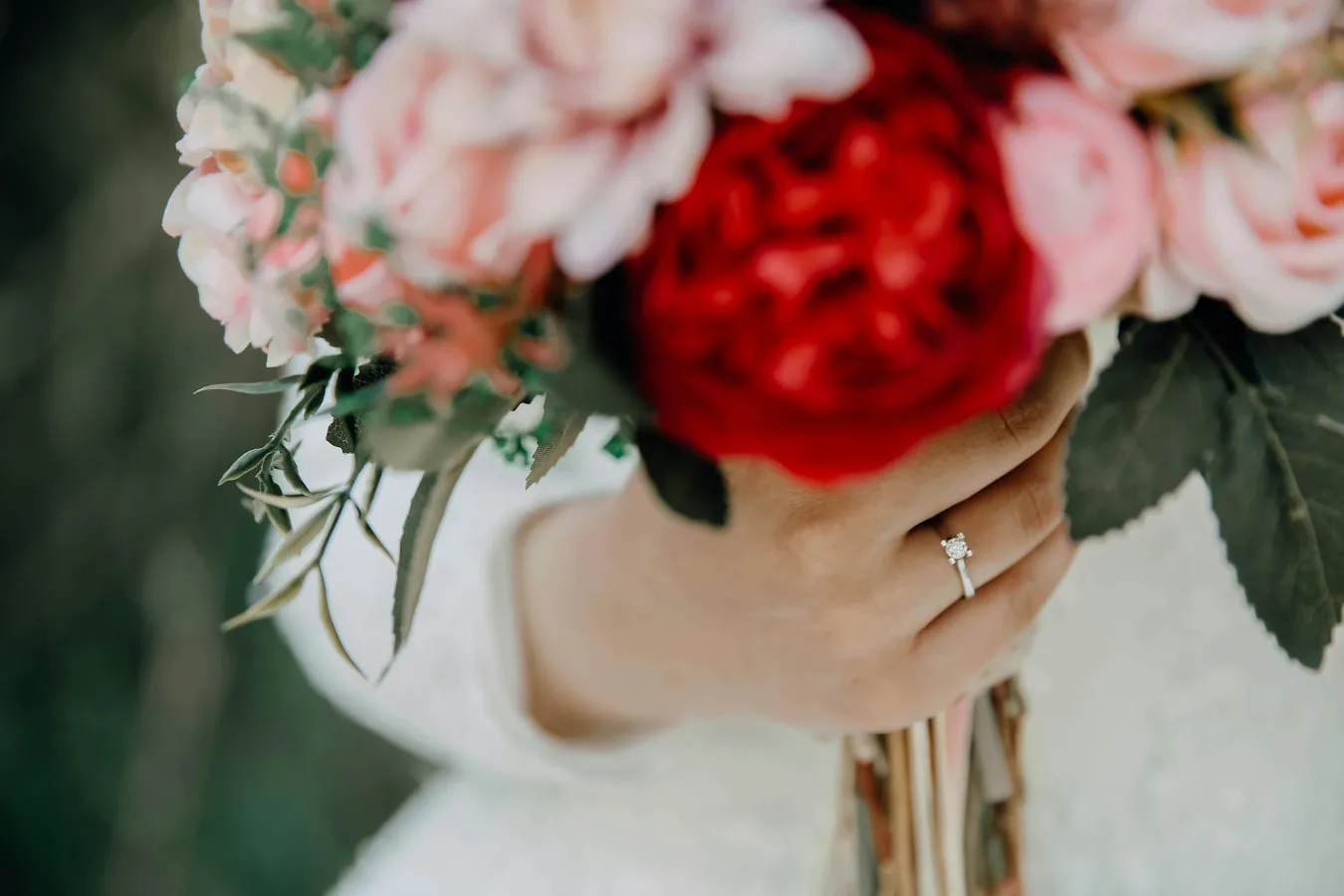
Cluster engagement rings are engagement rings that use several smaller stones grouped together to create the look of one larger, more intricate design. They are often chosen for their strong sparkle, decorative detail, and ability to offer a distinctive style that feels different from a classic solitaire. halo engagement rings offers more detail on this point. blue diamond engagement rings offers more detail on this point. western engagement rings offers more detail on this point.
If you are considering one, the key question is not just whether it looks beautiful, but whether the setting, stone arrangement, and daily wear profile fit your lifestyle. Cluster rings can be elegant, romantic, and versatile, but they also come with specific trade-offs that are easy to overlook if you focus only on the overall sparkle.
What makes a cluster engagement ring different
A cluster ring arranges multiple stones close together so they read as a unified focal point. Some designs use stones of similar size, while others combine a larger center stone with smaller accent stones around it. The overall effect can resemble a flower, a starburst, a vintage medallion, or a soft halo.
This style differs from a traditional solitaire, which centers attention on a single stone, and from a classic halo, which typically frames one main center stone with a ring of smaller stones. Cluster rings can overlap with halo styles, but not every cluster ring has a clear center stone. That distinction matters because it affects appearance, repair considerations, and how the ring wears over time.
Why shoppers choose this style
Cluster engagement rings appeal to buyers who want visual impact and character. The clustered arrangement can make the ring feel more detailed than a simple single-stone design, and the overall face-up appearance may create generous sparkle from multiple angles.
They also suit shoppers who prefer a more decorative or antique-inspired look. Many cluster designs draw from Edwardian, Art Deco, or floral motifs, while others lean modern with geometric groupings. That range makes the category useful for people who want something less common than a standard round brilliant solitaire.
Another practical draw is design flexibility. Cluster rings can be built around different center shapes, mixed stone sizes, or alternative gems such as sapphire, moissanite, or colored accents. That flexibility makes them a useful option for buyers who care about personal style as much as symbolism.
Key factors to compare before you buy
Stone arrangement and visual balance
The way the stones are arranged has a bigger effect on the ring than many buyers expect. A tightly packed cluster can look refined and cohesive, while a looser arrangement can feel more airy and vintage. Symmetry is one of the first things to check, especially in floral or starburst designs. Uneven spacing can make the ring appear less intentional, even if the individual stones are attractive.
Also pay attention to the ring’s silhouette from the top and side. Some cluster rings are wide across the finger, which creates a bold look, but they can feel busier than expected on a smaller hand. Others sit lower and read more subtly, which can improve comfort and reduce snagging.
Setting style and durability
Because cluster rings depend on several stones, the setting quality matters as much as the stone quality. Prong settings may allow more light into the stones and can increase sparkle, but they also expose more edges to wear. Bezel or partial bezel details can add protection, though they usually change the visual character of the ring.
A common misconception is that a cluster design is automatically fragile because it contains multiple stones. The real issue is not the number of stones alone, but how securely each stone is held, how high the ring sits, and how likely the design is to catch on clothing. A well-made cluster ring can be suitable for regular wear, but openwork designs typically need more caution than low-profile settings.
Center presence and finger coverage
Many shoppers are surprised by how much visual coverage a cluster ring can create. A ring with several smaller stones may look larger on the hand than a single-stone ring of comparable total stone weight. That can be a benefit if you want a pronounced look, but it can also make the ring feel more ornate than expected.
If you prefer a more understated engagement ring, look for tighter clusters, smaller accent stones, or a design with clear negative space. If you want maximum sparkle and a statement look, a broader cluster may be a better fit.
Stone type and color consistency
Cluster rings can be made with diamonds, colored gemstones, or mixed-stone combinations. Matching matters here. With diamond clusters, small differences in color or brilliance may be less noticeable in a busy design, but they can still affect the overall harmony. With colored stones, saturation and uniformity become even more important.
Mixed-stone cluster rings can be beautiful, but they require a more deliberate eye. A combination of diamond and sapphire, for example, can be striking, though the contrast should feel intentional rather than accidental.
Metal choice
The metal surrounding a cluster ring influences both appearance and maintenance. White metals such as platinum, white gold, or silver-toned designs can emphasize brightness and make diamonds appear crisp. Yellow gold adds warmth and can soften vintage-inspired cluster styles. Rose gold often gives cluster rings a romantic, antique feel.
Because the setting is visually busy, the metal should support the design rather than compete with it. Thin, delicate metalwork may look elegant, but it can also make a ring feel more fragile. Heavier shanks can offer better balance, especially if the cluster head is wide or top-heavy.
Practical trade-offs worth weighing
Cluster engagement rings offer a lot of visual payoff, but they are not always the easiest choice for every wearer. The biggest trade-off is usually maintenance. More stones mean more points to inspect over time, especially if the ring is worn daily. Even when the setting is secure, small stones can loosen or require professional tightening eventually.
Another trade-off is resizing and future repair. Rings with decorative shoulders, asymmetrical heads, or stone-set bands may be more complicated to resize cleanly than simpler designs. That does not make them poor choices, but it does mean you should ask how the ring might be serviced later.
Resale and upgrade preferences can also differ from person to person. A traditional solitaire is often easier to compare against standard market expectations, while a distinctive cluster design is more style-specific. If you expect your taste to change, a more classic shape may feel easier to live with long term.
How to judge quality without getting lost in jargon
For cluster engagement rings, the best evaluation is often visual and practical rather than purely technical. Start with proportion. Do the stones look intentionally arranged, or does the design feel crowded? Does the ring look balanced from the top and side? Is there enough structure to protect the stones without making the piece bulky?
Then look at wearability. A ring that sits very high may catch more easily on knitwear, gloves, or hair. A lower profile can be more comfortable for daily life, though it may trade away some light exposure and sparkle. Think about your routine rather than only the showroom view.
Finally, consider finish and craftsmanship. Clean stone alignment, consistent prong work, and smooth edges are all signs that the design was put together with care. If the ring has pavé accents or delicate detailing, examine how securely those smaller stones are held and whether the surface feels smooth against the finger.
Choosing a style that fits the wearer
Cluster engagement rings are especially useful for people who want a ring that feels personal. They can be a strong match for someone who likes ornate jewelry, antique references, floral motifs, or a more expressive silhouette. They can also work well for buyers who prioritize sparkle over a single large center stone.
For someone with an active daily routine, however, the right cluster style should usually be compact and well protected. If the ring will be worn during frequent typing, hands-on work, or gym sessions, a low-profile arrangement with fewer exposed edges is usually easier to live with than a raised, highly intricate setting.
Hand shape and finger length can also influence the look. Elongated cluster designs may suit some fingers better than rounder, more compact ones. Wider cluster heads can feel bold on shorter fingers, while narrow, vertical arrangements can create a more balanced effect. These are styling considerations, not rules, but they are worth thinking through before making a final choice.
Cluster rings versus other common engagement ring styles
If you are deciding between a cluster ring and another popular design, the comparison usually comes down to personality, maintenance, and the way the ring presents on the hand.
- Cluster vs solitaire: A solitaire is simpler, more classic, and easier to read visually. A cluster ring is more decorative and often offers more apparent surface sparkle.
- Cluster vs halo: A halo usually centers one main stone with smaller stones around it. A cluster may not have a single obvious center, which can create a softer or more floral effect.
- Cluster vs three-stone: A three-stone ring has a clearer structure and often feels more balanced and traditional. A cluster can feel more artistic or vintage-inspired.
- Cluster vs pavé band: Pavé emphasizes the band, while a cluster emphasizes the head of the ring. Some rings combine both, but that usually increases maintenance needs.
These comparisons matter because many buyers start with a style they recognize, then realize the visual message they want is slightly different. A cluster ring can bridge the gap between a conventional engagement ring and a more statement-driven design.
Common mistakes to avoid
One of the most common mistakes is choosing based on sparkle alone. Cluster rings can look brilliant under display lighting, but the real test is how the design reads in everyday settings. If the ring looks overly busy in natural light, that same feature will not improve at home or at work.
Another mistake is overlooking comfort. A ring may look delicate from above but feel bulky underneath if the setting is thick or the under-gallery is complicated. Try to think about the ring as a wearable object, not just a top-down image.
Buyers also sometimes underestimate the importance of maintenance. If the ring includes many tiny stones, ask how inspection and cleaning should be handled. Even without formal service schedules, a cluster design benefits from periodic checks for loose stones, worn prongs, or buildup around the setting.
Finally, some shoppers compare cluster rings only against solitaire diamonds and miss the broader category of alternatives. If the goal is a distinctive look, you may also want to consider vintage-inspired settings, toi et moi designs, three-stone rings, or halo styles. Each creates a different balance of symbolism, structure, and visual scale.
Practical buying guidance
If you are shopping for cluster engagement rings, start by deciding what matters most: visual impact, low maintenance, antique character, or a more unusual silhouette. That single priority will narrow the field quickly.
- If you want the most straightforward daily wear, favor a lower-profile cluster with secure stone settings and fewer exposed edges.
- If you want a highly decorative ring, look for balanced symmetry, thoughtful metalwork, and a design that feels finished from every angle.
- If you want a ring that appears larger on the hand, compare face-up coverage rather than focusing only on individual stone size.
- If future resizing or repair matters, ask how the design may affect serviceability before committing.
It also helps to think about the rest of the wedding set. Some cluster engagement rings pair easily with curved or contoured bands, while others need a custom-shaped wedding ring to sit flush. That compatibility issue is often overlooked until later, and it can affect both appearance and budget planning.
Where this style makes the most sense
Cluster engagement rings make the most sense for buyers who want a ring with character, sparkle, and a sense of craftsmanship that feels more decorative than minimal. They are a good fit for people who appreciate vintage references, floral designs, or a more artistic center piece.
They may be less ideal for someone who wants the cleanest possible profile, the simplest maintenance, or a ring that resembles a traditional solitaire. That does not make them a lesser choice. It just means the style performs best when the wearer values design personality as much as everyday practicality.
If you are still deciding, compare a few cluster styles side by side with solitaires, halos, and three-stone rings. The differences become much clearer when you focus on structure, profile, and how the ring feels in relation to your daily routine. That is usually the fastest way to choose a ring that still feels right years later.