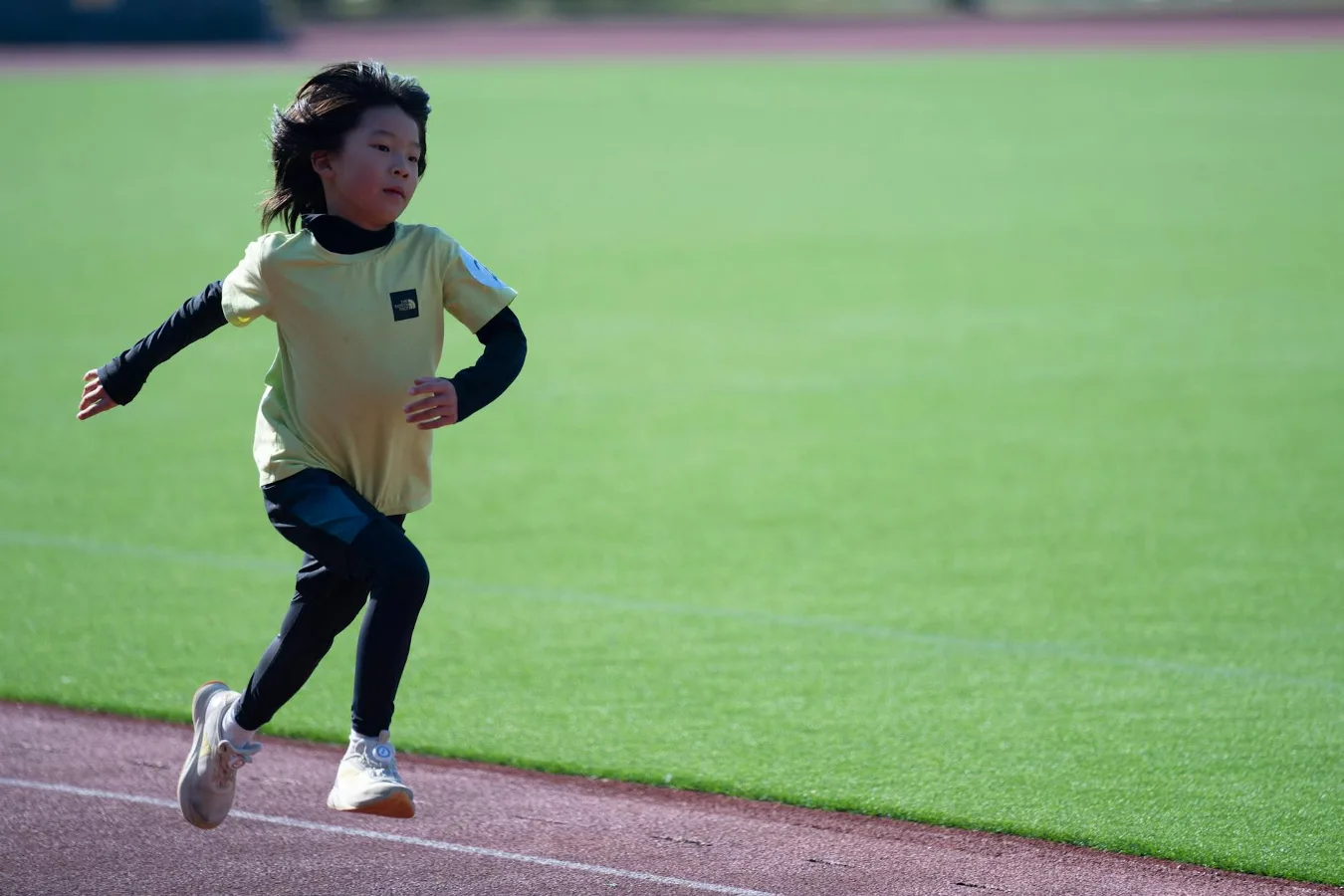
If you are looking for the best kids running shoes, start with fit rather than brand. A good pair should feel secure in the heel, leave enough room in the toe box, bend where the foot naturally bends, and stay comfortable through school days, playground time, and short runs.
For most families, the right choice is not a specialized racing shoe. It is a well-cushioned, flexible sneaker with dependable traction and a shape that matches the child’s foot. That matters because children do not move like miniature adults; they stop, sprint, climb, twist, and kick up dirt in the same pair of shoes. when to replace children’s sneakers offers more detail on this point. sneakers by new balance offers more detail on this point. learn more about on cloud sneakers offers more detail on this point.
What the best kids running shoes should do well
The strongest options usually balance four things: fit, flexibility, breathability, and durability. If one of those is off, the shoe can feel wrong even if it looks like an athletic model.
Fit comes first. Kids need room for the toes to spread, but not so much extra space that the foot slides forward on descents or during quick stops. A secure heel and a toe box that does not pinch are more useful than a long list of performance claims.
Flexibility matters because children’s feet and movement patterns are still developing. A shoe that bends too stiffly can feel awkward, especially for younger kids. At the same time, an extremely soft shoe may wear out quickly or feel unstable for a child who moves aggressively.
Breathability helps keep shoes more comfortable during warm weather, gym class, and after-school play. Mesh uppers often work well for this reason, though they may trade some weather resistance and abrasion protection.
Durability is a practical concern because kids are hard on shoes. Toe drag, scuffing, and repeated playground use can wear through lightweight uppers faster than many parents expect. Reinforced toe caps and sturdy outsoles can make a noticeable difference.
A buyer scenario most parents can relate to
Many shoppers are not looking for a true running shoe in the athletic-performance sense. They need one pair that can handle recess, walking to school, weekend park time, and the occasional fun run. That scenario calls for a versatile kids sneaker with a running-shoe feel rather than an ultra-specialized model.
If your child participates in organized running, cross country, or track, the priority shifts a little. You may want lighter weight, a more consistent fit, and a shape that feels efficient over repeated strides. Even then, the shoe should still be age-appropriate, comfortable, and forgiving enough for daily wear.
For toddlers and early elementary ages, easy on-and-off can matter as much as performance. Hook-and-loop closures are convenient, but they are not automatically better. Some children prefer laces because they hold the midfoot more securely. The best choice depends on age, independence, and how much adjustment the shoe needs through the day.
Material and spec factors worth comparing
Upper materials
Mesh uppers are common in kids athletic shoes because they are light and breathable. They are a strong option for warm climates and active children who tend to overheat. The trade-off is that mesh may show wear faster, especially at the toe and sides.
Synthetic overlays can add shape and support without making the shoe feel bulky. They also help the shoe hold up a little better in high-friction areas. Leather or leather-like panels are sometimes used for structure, but they can reduce airflow.
Midsole cushioning
Cushioning should be enough to take the edge off impact, but not so thick that the shoe feels unstable. For many kids, moderate cushioning is the sweet spot. It supports everyday comfort without making the shoe overly soft or sluggish.
A common misconception is that more cushioning always means better comfort. In reality, a shoe that is too plush can feel clumsy on smaller feet, especially if the child is lightweight or prefers a grounded feel. The right amount depends on age, foot shape, and how the shoe will be used.
Outsole grip and flexibility
Outsole traction matters for wet sidewalks, gym floors, playground surfaces, and quick direction changes. Rubber outsoles are common because they balance grip and wear resistance. Look for a sole that flexes near the forefoot instead of a board-like bottom that resists natural movement.
Grooves in the outsole can help the shoe bend more easily. That said, too much softness in the sole can reduce long-term durability. The goal is controlled flexibility, not a shoe that folds in half.
Closure system
Laces usually provide the best adjustable fit, especially for narrow or high-volume feet. Hook-and-loop straps are simpler for younger kids and can speed up getting ready in the morning. Elastic lacing systems can also work well, but they should hold the foot securely rather than feel decorative.
The right closure depends on the child’s age and independence. A shoe that fits perfectly but is too hard for a child to manage may go unworn. Convenience matters more than many shoppers expect.
Trade-offs to expect before you buy
The best kids running shoes often involve a few trade-offs. Lightweight models are easier to move in, but they may sacrifice durability. More structured shoes can feel supportive, but they may seem stiff at first. Breathable mesh keeps feet cooler, but it may not stand up as well to scuffed concrete or rough play.
That is why the ideal shoe depends on the main use case. A child who runs once a week at school may need something different from a child who wears the same pair to class, practice, and the park. One shoe can cover several roles, but it helps to be honest about which activity matters most.
Another practical limitation is growth. Kids outgrow shoes quickly, which makes it tempting to buy a size up. Some extra room is sensible, but too much space can create heel slip, toe catching, and awkward movement. Growing room should be modest, not generous to the point of looseness.
How to choose the right fit
Fit is the area where shoppers make the most costly mistakes. A shoe can look perfect online and still be wrong once it is on the foot.
- Check the toe box: there should be enough room for toes to spread without pressing against the front.
- Look at heel hold: the heel should feel secure without rubbing or slipping.
- Notice width: if the sides squeeze the foot, the shoe is too narrow, even if the length seems fine.
- Test flex points: the shoe should bend where the foot bends, not in the middle of the arch.
- Consider socks: thicker athletic socks can change the fit more than many buyers expect.
If possible, try shoes later in the day when feet are slightly more expanded. That is a small detail, but it can help avoid a pair that feels fine in the morning and tight after school.
Children with wider feet, high insteps, or flat feet may need a little more attention during fitting. The label alone does not tell the whole story. A shoe described as supportive can still feel too narrow, while a simple sneaker may turn out to be the more comfortable option.
Best shoe types for different kids
Not every child needs the same kind of athletic shoe. Matching the shoe to the child’s habits is usually more useful than chasing the most technical model.
For everyday wear and playground use
Choose a versatile running-style sneaker with a breathable upper, a cushioned midsole, and a durable rubber outsole. This is often the most practical choice for school and casual activity.
For organized sports and regular running
Look for a lighter shoe with a secure midfoot fit and a stable ride. The child should be able to move quickly without the shoe feeling heavy or awkward.
For wide feet
Prioritize brands or models known for roomier toe boxes and width options where available. A wider shape that fits well is better than forcing a narrow shoe to work.
For younger children
Easy closures, soft linings, and forgiving fit often matter most. At this age, comfort and independence usually outweigh technical features.
Common mistakes parents make
- Buying for growth only: a shoe that is too large can be harder to walk and run in.
- Choosing style over fit: a trendy pair is not useful if the child avoids wearing it.
- Ignoring width: many fit problems come from shape, not length.
- Overlooking closure type: a secure fit is harder to achieve if the child cannot tighten the shoe properly.
- Assuming one shoe works for all activities: daily wear, playground play, and track practice can create different demands.
One overlooked consideration is how often the child will take the shoes on and off. If the shoes will be used for school, after-school sports, and weekend outings, ease of use becomes part of the value proposition. A shoe that is slightly less technical but gets worn more often may be the better buy.
What a good next step looks like
Start by narrowing the use case. Ask whether the child needs a daily school shoe, a running-specific shoe, or a versatile pair that does a little of everything. Then compare fit, width, upper material, outsole grip, and closure style before worrying about color or logo.
If you are shopping online, read product details carefully and check the size guidance for the specific model rather than relying only on a child’s usual size. Kids shoes can vary a lot in shape. If in doubt, favor the pair that gives the foot room to move without feeling loose.
After the purchase, watch how the shoes wear in the first few uses. Red marks, heel slip, toe crowding, or complaints about stiffness usually mean the fit is off. Early discomfort is rarely something a shoe magically fixes with time.
The best kids running shoes are the ones that match a child’s foot, routine, and independence level. If you focus on fit first and treat cushioning, breathability, and durability as supporting factors, you are much more likely to end up with a pair that gets worn often and feels right from the start.