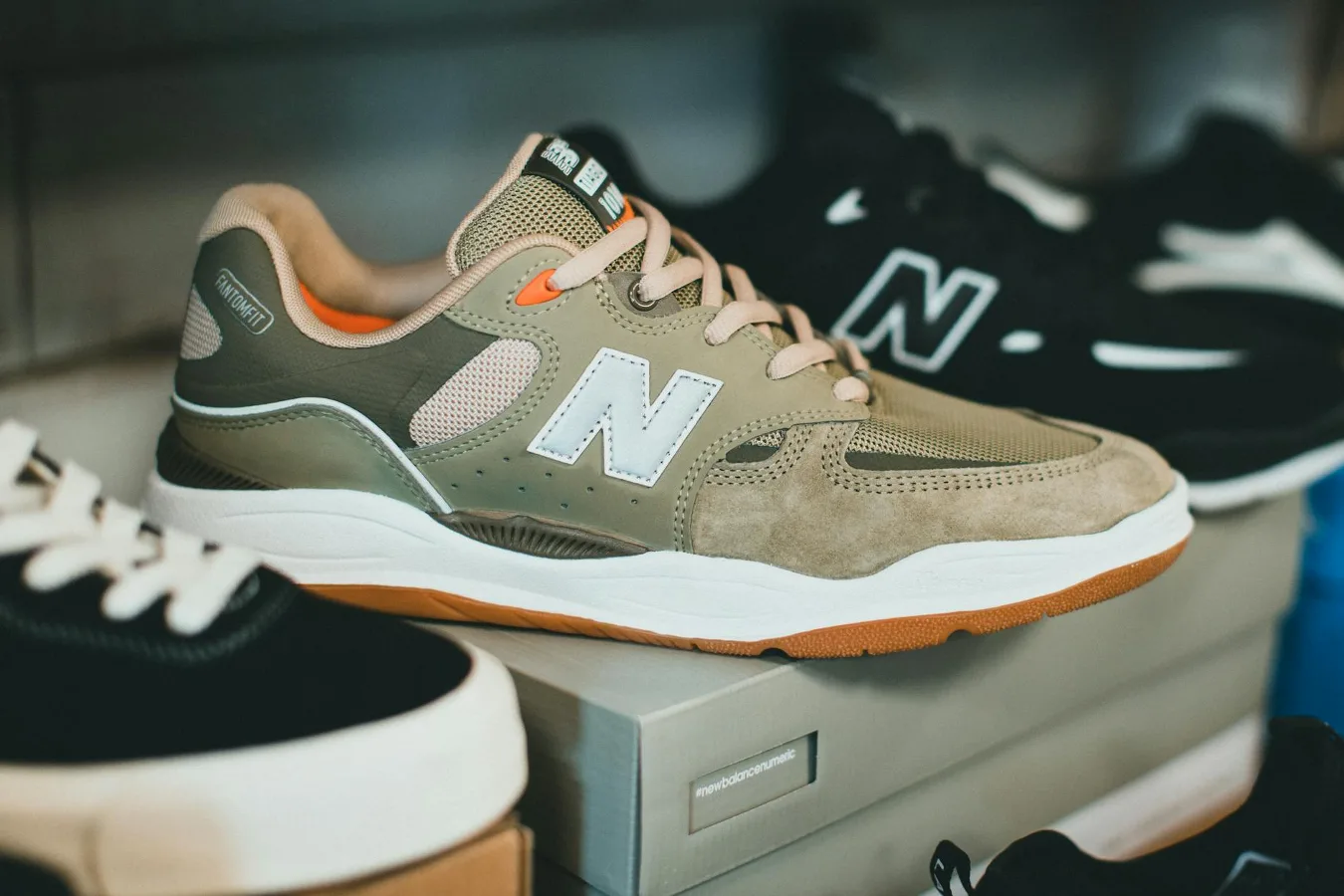
Sneakers by New Balance are usually the right place to start if you want a pair that can handle everyday wear without feeling overly trendy or overly technical. The brand covers a wide range of needs, from classic lifestyle sneakers to running-inspired models and comfort-focused options for walking, commuting, and casual outfits. best sneakers for walking comfort offers more detail on this point. lifestyle sneakers versus running shoes offers more detail on this point.
If you are shopping with a specific use in mind, the key is not to look for “the best New Balance sneaker” in the abstract. It is to match the shoe to how you will actually wear it: long days on your feet, office casual outfits, weekend errands, travel, or a more sport-forward look.
When New Balance sneakers make the most sense
New Balance tends to appeal to shoppers who care about fit, stability, and everyday comfort more than flash. That does not mean every pair is built the same way. Some styles lean into heritage design and casual styling, while others borrow cues from performance running shoes or walking shoes.
They are worth a close look if you want:
- an everyday sneaker that can work with jeans, joggers, or casual trousers
- options in different widths, which matters more than many shoppers realize
- a familiar mix of cushioning and support for all-day wear
- retro styling that does not feel overly loud
- a brand with many silhouette choices, so you can pick by use case rather than just color
The main trade-off is that the range can feel broad enough to be confusing. Two New Balance sneakers may look similar online but behave very differently on foot. That is why it helps to decide what matters most before clicking “add to cart.”
Step 1: Start with your use case
The fastest way to narrow sneakers by New Balance is to ask where they will live most of the time. Style matters, but use case usually matters more.
For everyday casual wear
If you want a sneaker for daily errands, coffee runs, travel days, and relaxed outfits, focus on comfort, versatility, and easy styling. A lower-profile lifestyle sneaker often works well here because it looks balanced with denim, chinos, leggings, and sweats.
Look for an upper that feels breathable enough for long wear and a sole that offers enough cushioning without feeling bulky. If you prefer a cleaner silhouette, avoid overly technical designs unless you like that look.
For long hours on your feet
If you stand or walk a lot, support and cushioning deserve more attention than colorway. A sneaker with a stable base and a secure heel fit usually feels better over a full day than one that only looks soft.
This is also where width options can be a deciding factor. A shoe that is technically “your size” can still feel tiring if the forefoot is too narrow or if your toes are compressed.
For a sportier look
Some shoppers want the running-shoe aesthetic even if they are wearing the sneakers casually. In that case, look for mesh panels, visible cushioning, and more technical overlays. These pairs often feel lighter and more breathable, but they may not give the same polished look as leather or suede styles.
Step 2: Pay attention to fit before style
Fit is one of the most overlooked parts of buying sneakers by New Balance. Many shoppers assume the brand will fit the same across all models, but that is rarely a safe assumption.
Here are the main fit factors that matter most:
- Length: Your toes should not hit the front when you walk downhill, climb stairs, or flex the foot.
- Width: New Balance is known for offering more width choices than many brands, which can make a major difference in comfort.
- Heel security: A loose heel can lead to rubbing and instability.
- Toe box shape: Some shoes feel more tapered than others, even in the same size.
- Upper structure: Softer uppers may feel comfortable sooner, while more structured uppers can hold shape better over time.
A common misconception is that a sneaker only needs to “fit” when standing still. In reality, walking changes how the foot moves inside the shoe. If you are shopping online, read product details carefully and look for clues about width, toe shape, and intended use.
Step 3: Choose the right materials for the way you live
Material choices affect comfort, appearance, maintenance, and how the sneaker ages. This matters especially for New Balance sneakers, where similar silhouettes may come in different upper combinations.
Mesh
Mesh is usually a smart choice if breathability is a priority. It can help with warm-weather wear and long days of movement. The trade-off is that mesh often looks more casual and may show wear sooner than sturdier materials.
Suede
Suede gives many New Balance sneakers their classic look. It can make a shoe feel more refined and easier to pair with casual outfits, but it usually asks for more care. Wet weather, salt, and dirt can be harder on suede than on smoother materials.
Leather and synthetic overlays
These can add structure and help the shoe hold its shape. They often create a cleaner, more substantial look. Depending on the design, they may feel less airy than mesh-heavy styles, so consider climate and how long you will wear them at a stretch.
The practical question is simple: do you want the easiest shoe to maintain, or the one that gives you the look you want most? Those are not always the same pair.
Step 4: Think about cushioning and support together
Cushioning gets the most attention, but support is just as important. A very soft sneaker is not automatically more comfortable if it lacks structure where you need it.
For New Balance sneakers, the right balance depends on how you move:
- Walking and all-day wear: Moderate cushioning with a stable platform is often more practical than a very plush feel.
- Casual daily use: A balanced midsole usually works better than an aggressively soft one.
- Travel: Comfort, weight, and versatility often matter more than specialized performance features.
- Style-first purchases: You may prioritize silhouette and materials, but make sure the shoe still feels steady enough for real wear.
One overlooked consideration is how the shoe transitions from standing to walking. Some sneakers feel comfortable the moment you try them on but become less pleasant after a few hours because the sole flex point or arch shape does not suit your gait.
Step 5: Compare silhouette, not just colorway
New Balance has built a strong reputation partly because its sneakers come in recognizable shapes. The silhouette changes how a pair looks with your wardrobe as much as the color does.
Ask yourself whether you want a sneaker that reads:
- classic and understated: easy to wear with almost anything
- retro and vintage-inspired: a little more personality without feeling loud
- sporty and technical: better if you like a performance aesthetic
- chunkier and trend-driven: useful if you want more visual weight in your outfit
This is where many shoppers make a mistake. They focus on a popular colorway and ignore shape. A great-looking color can still feel wrong if the sole profile or upper proportions do not match your style.
Examples of how to narrow the choice
To make the decision more concrete, here are a few common shopper profiles and the kind of New Balance sneaker that usually fits best.
If you want one pair for most casual outfits
Choose a classic lifestyle silhouette with moderate cushioning, neutral colors, and materials that are easy to coordinate. This is usually the safest option if you want the shoe to blend into your wardrobe instead of becoming the focus of it.
If comfort is your top priority
Look for a model known for everyday support, roomier fit options, and a stable base. Comfort-focused shoppers should be careful not to confuse softness with support. A shoe can feel plush in hand and still fail to stay comfortable through a full day.
If you prefer a sharper, cleaner look
Go for streamlined uppers, fewer overlays, and a lower-contrast colorway. These pairs often pair well with tailored casualwear and cleaner silhouettes.
If you want a shoe that feels more athletic
Pick mesh-forward designs with performance-inspired lines. These often work best with sporty outfits, but they can be less versatile if your wardrobe is more refined.
A practical checklist before you buy
Before choosing among sneakers by New Balance, run through this quick checklist:
- Will I wear these mostly for walking, standing, travel, or casual style?
- Do I need a wider fit than the standard width?
- Do I want a breathable upper or a more structured one?
- Will suede create too much maintenance for my routine?
- Does the silhouette match the clothes I wear most often?
- Do I need a shoe that looks polished, sporty, or vintage-inspired?
- Will this pair still work in different seasons and settings?
If you answer these honestly, the right pair becomes much easier to spot.
Common mistakes to avoid
Shoppers run into the same problems again and again when buying New Balance sneakers online.
- Choosing by color only: A popular shade does not make the wrong silhouette right for you.
- Ignoring width: This is especially important if you have a broader foot or prefer extra toe room.
- Buying a style that is too specialized: A performance-inspired shoe may not be the best everyday choice.
- Underestimating maintenance: Suede and light colors usually ask for more care.
- Overprioritizing cushioning: Comfort depends on more than softness alone.
Another subtle mistake is assuming that the most visible or popular pair is automatically the most versatile. Sometimes the most wearable sneaker is the one that disappears into your wardrobe and quietly works with everything.
How to think about alternatives
If you like New Balance but are still undecided, the best alternative is not necessarily another brand. It may be a different category of sneaker.
For example:
- If you want the easiest maintenance, consider smoother materials instead of suede-heavy styles.
- If you want all-day comfort, compare lifestyle sneakers with walking-focused designs.
- If you want fashion versatility, look for a cleaner silhouette rather than a maximalist sole.
- If you want something trendier, a chunkier retro-style sneaker may suit you better than a slim profile.
Thinking this way keeps the decision grounded in your real needs instead of chasing a model name that may not suit your routine.
Final way to choose the right pair
The best sneakers by New Balance are the ones that fit your foot, suit your wardrobe, and match how you spend your day. Start with use case, then narrow by width, materials, cushioning, and silhouette. That order matters more than any colorway or trend cycle. how New Balance sneakers fit offers more detail on this point.
If you want a pair that can do a lot of jobs well, focus on balanced comfort and a versatile shape. If you want a more specific function, such as long days on your feet or a sportier look, choose with that exact need in mind. Either way, the right New Balance sneaker should feel practical first and stylish second, not the other way around.