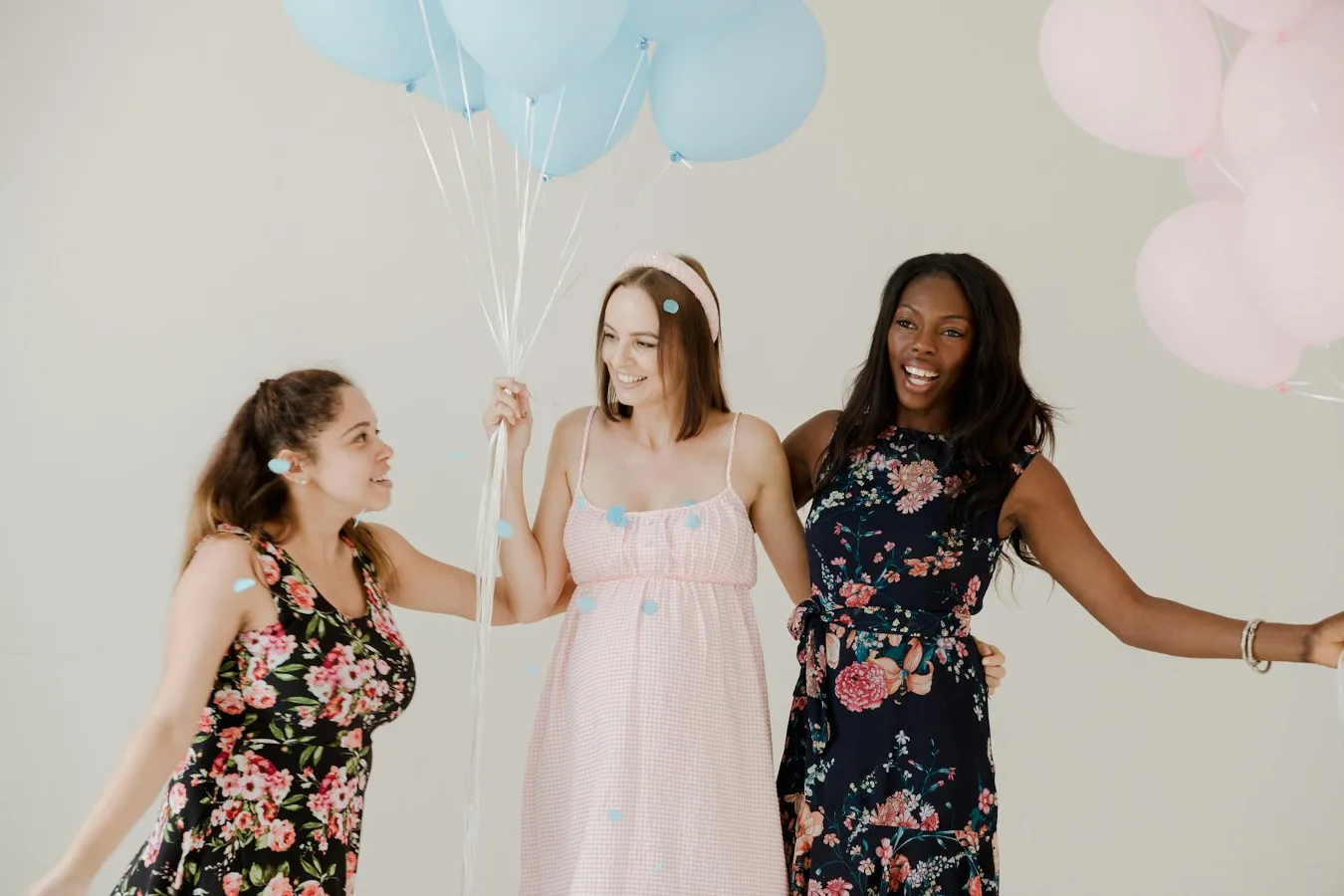
Derby dresses for women work best when they look polished without feeling overdone. For most race-day and derby-adjacent events, the safest choice is a dress that feels elegant in daylight, suits the venue, and can handle a long stretch of standing, walking, and changing weather. going out dresses for women offers more detail on this point.
If you want the shortest possible answer: look for a dress with a flattering but not restrictive fit, a hemline that feels appropriate for the setting, a fabric that breathes, and colors or prints that work with your accessories. That usually means a midi, tea-length, or knee-length dress in a spring-friendly fabric, paired with shoes you can actually wear for several hours.
What makes a good derby dress?
The best derby dress is not just about style. It needs to solve a few practical problems at once: looking occasion-ready, staying comfortable in changing weather, and working with the shoes and accessories you plan to wear. Derby events often lean dressy, but the setting is usually more relaxed than evening formalwear. how to balance elegance and comfort offers more detail on this point.
That means a dress can be elegant without being stiff. Many women do well with silhouettes that create shape without tight structure, such as wrap dresses, fit-and-flare shapes, sheath dresses with ease, or softly tailored midi dresses. The goal is to look intentional, not costume-like.
A common misconception is that a derby dress has to be loud or highly decorated. In practice, a clean silhouette with a thoughtful color, print, or accessory can look more refined than an outfit that tries too hard. A well-chosen solid dress can be just as appropriate as a floral one.
How to choose the right style
Start with the event setting
Not every derby event has the same dress code. A day at the races, a private watch party, a club luncheon, and a spring social each call for a slightly different level of formality. Before choosing a dress, think about the venue, how much time you will spend outdoors, and whether the event is more traditional or more casual.
- More formal settings: Choose a structured midi, tea-length, or tailored dress with polished accessories.
- Semi-formal settings: Try a flattering floral dress, a sheath dress, or a sophisticated wrap silhouette.
- Relaxed gatherings: A breezy dress in a good fabric can work if the overall look still feels intentional.
Focus on silhouette before embellishment
It is easy to get distracted by ruffles, prints, and special details, but silhouette should come first. A dress that fits well through the shoulders, waist, and hips will usually photograph and wear better than one that relies on decoration to stand out.
If you expect to sit, stand, and move around often, look for a cut that allows natural movement. Wrap styles and A-line shapes are popular for that reason. They tend to offer shape without feeling restrictive, which matters when an event lasts much longer than a typical dinner.
Think about hemline carefully
Hemline is one of the most important decision points. Short dresses can feel too casual or too revealing for some derby settings, while floor-length styles can look overly formal unless the event specifically calls for that level of dress. A midi or tea-length hem often strikes the best balance.
There is also a practical side: a longer hem can feel easier if you plan to wear a statement hat, higher heel, or more structured accessory. At the same time, a hem that hits at an awkward point on the calf can be less flattering than one that falls a little higher or lower. Try to evaluate the full proportion, not just the category of dress.
Fabric, color, and comfort matter more than people think
Outdoor daytime events can expose weaknesses in a dress quickly. Heavy fabrics may feel too warm, while clingy or delicate materials may need more attention than you want to give during the event. Breathable fabrics are usually the most practical choice, especially if the event stretches from late morning into the afternoon.
Look for fabric that holds its shape well and is not likely to wrinkle immediately. If the dress is very lightweight, check whether it needs a lining or additional layering. Sheer or semi-sheer fabrics can look elegant in photos, but they may not suit every wearer or venue.
Color and print are equally important. Soft pastels, crisp neutrals, floral patterns, and classic spring tones are common derby choices because they feel seasonal and photograph well. That said, a darker or bolder color can work if the cut and accessories keep the look light enough for daytime.
- Best for warmth: breathable cotton blends, linen blends, and lighter structured fabrics.
- Best for polish: crepe, satin with restraint, and well-made dressier blends.
- Best for low-fuss wear: fabrics that resist wrinkling and keep their shape.
Shoes and accessories can make or break the look
Derby outfits often depend on the accessories as much as the dress. A simple dress can look event-ready with the right hat, earrings, clutch, and shoes. On the other hand, an overly elaborate dress can look busy if the accessories compete with it.
Shoes deserve special attention because many derby events involve standing, walking on grass, or moving between indoor and outdoor areas. A heel that looks great in a fitting room may feel impractical after an hour. If the event includes uneven surfaces, block heels, dressy wedges, or refined flats may be more realistic than stilettos.
Hats and headpieces can also influence the dress you choose. A dramatic hat usually works better with a simpler neckline and cleaner silhouette. If the dress already has strong ruffles, busy prints, or unusual shoulders, it can be harder to balance with headwear.
A quick styling rule
If the dress is detailed, keep accessories quieter. If the dress is simple, use accessories to create the derby look. That balance usually produces a more polished result than trying to make every element the star.
Common mistakes to avoid
One of the biggest mistakes is choosing style without considering the practical side of the event. A dress that looks beautiful indoors can be frustrating if it wrinkles easily, rides up, or becomes uncomfortable after a few hours. Another common issue is selecting shoes before deciding on the dress length and venue conditions.
People also often overcomplicate derby dressing. You do not need multiple statement pieces to look appropriate. In many cases, one strong element is enough: a beautiful dress, a distinctive hat, or elegant shoes. Everything else should support that choice.
- Choosing a hemline that feels awkward when seated or walking.
- Ignoring fabric weight and weather conditions.
- Wearing shoes that are too delicate for grass or long wear.
- Pairing a busy dress with equally busy accessories.
- Overlooking undergarment needs, especially with lighter fabrics.
Another overlooked consideration is photos. Derby events are often social and well-documented, so proportions matter more than they may in everyday wear. A dress that looks fine in a mirror can read differently in photos if the neckline, sleeves, or accessories are too visually heavy.
Practical ways to narrow the choice
If you are comparing derby dresses for women and the options all seem similar, use a simple filter. First, rule out anything that is uncomfortable or venue-inappropriate. Then focus on the dress you can wear most confidently for several hours. Comfort should not replace style, but it should guide the final choice. Emerald Green Dresses for Women: Buying Guide offers more detail on this point.
Ask yourself a few useful questions: Can I sit and stand easily in this? Does the fabric suit the weather? Will the neckline work with my hat or jewelry? Can I wear the shoes I already own with it? These questions quickly eliminate dresses that look nice but solve the wrong problem.
Also think about versatility. A good derby dress does not need to be a one-time purchase. A midi or tea-length dress in a refined print can often work later for spring weddings, luncheons, church events, or other daytime occasions. That makes the choice more useful over time.
When a different outfit may be smarter
Sometimes a dress is not the best answer. If the weather is unpredictable, the event is more casual than you expected, or you know you will be moving around a lot, a dress-and-jacket combination or an elegant separates outfit may be more practical. Tailored trousers with a polished top can also work for some derby-inspired settings, especially if the venue allows a broader interpretation of dressy daytime wear.
This is worth considering because derby style is often treated as a single formula, but good dressing is really about matching the event. If a dress would make you self-conscious, too warm, or too cold, the smarter choice is the one that lets you enjoy the day.
How to shop with better judgment
When browsing options online or in stores, read the item details with a critical eye. Pay attention to length, lining, fabric composition, closure type, and sleeve shape. Those details tell you far more about how the dress will perform than the product title alone.
Look carefully at product photos, but do not rely on them as proof of fit. Styling, pinning, and photography can change how a dress appears. If the listing includes measurements, use them as a guide rather than assuming your usual size will work the same way across every brand.
If you are unsure between two options, choose the dress that is easier to wear, easier to move in, and easier to style multiple ways. That usually gives you a better long-term result than choosing the one with the most dramatic detail.
The most useful derby dress formula
For most women, the strongest derby dress formula is straightforward: a polished day dress with a flattering fit, comfortable movement, weather-aware fabric, and accessories that feel coordinated rather than competing. That formula works because it respects both the style expectations and the practical realities of the event.
Derby dressing does not need to be complicated. If the dress suits the venue, feels comfortable for the length of the event, and allows you to move with ease, you are already choosing well. From there, accessories can sharpen the look without carrying all the responsibility.
The best derby dresses for women are the ones that let you look put together while still feeling like yourself. That is the balance worth aiming for.