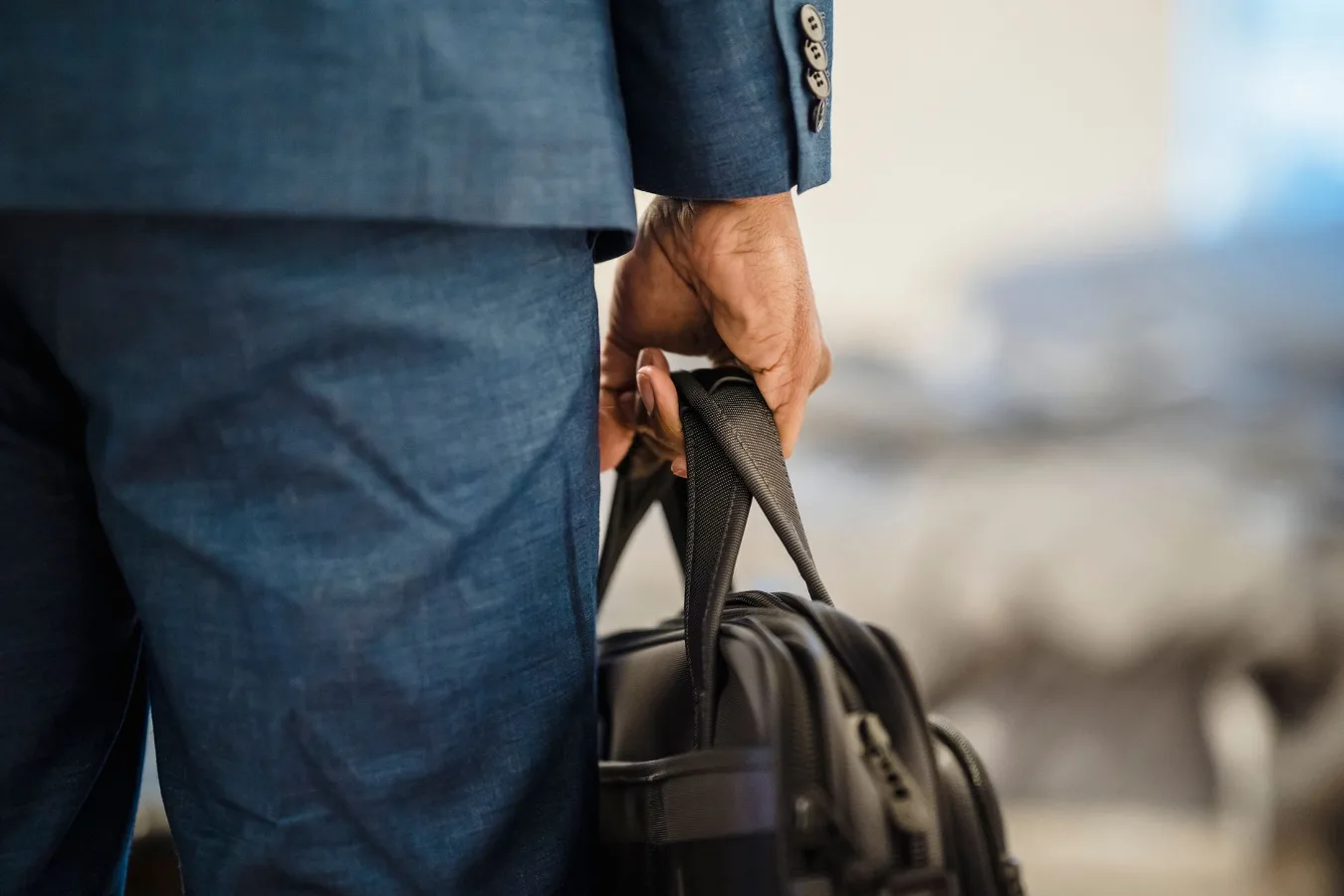
Blue carry on luggage makes sense for more than style
If you want a carry-on that is easy to identify without giving up practicality, blue is one of the safest color choices. It feels polished without being flashy, and it tends to stand out enough at the gate or baggage claim to save time. More importantly, the right blue carry on luggage should fit your airline’s size rules, your packing habits, and the type of trips you actually take.
For most shoppers, the real question is not whether blue looks good. It is which kind of blue carry-on will be easiest to live with: hardside or softside, spinner or two-wheel, expandable or fixed, overhead-bin sized or compact enough for tighter airlines. Those choices matter more than the shade itself.
This guide focuses on the practical side of buying blue carry on luggage, so you can narrow the options without relying on color alone.
The main factors that matter before you buy
Size and airline compatibility
Carry-on size is the first filter, because the best-looking bag is useless if it does not fit your usual airline’s rules. U.S. carriers can differ on allowable dimensions, and some budget airlines are stricter than major domestic routes. A bag marketed as “carry on” is not automatically accepted everywhere, especially if it is expandable or has bulky exterior pockets.
If you travel on multiple airlines, look for a suitcase that is designed to stay within common cabin-size limits even when packed normally. A slightly smaller bag can be more practical than a borderline-max-size model, especially if you tend to overpack or bring bulkier items like shoes, jackets, or toiletries.
A useful habit is to compare the bag’s external dimensions, including wheels and handles, not just the main body of the case. Those details can determine whether it fits in an overhead bin with less stress.
Hardside versus softside
Blue carry on luggage comes in both hardside and softside designs, and the better choice depends on how you travel. Yellow Carry-On Luggage: How to Choose Well offers more detail on this point. hardside vs. softside luggage offers more detail on this point.
- Hardside bags are usually better if you want a cleaner profile, easier wipe-down care, and a more structured shape for fragile items.
- Softside bags are often more forgiving when packing tight spaces, and exterior pockets can make quick access easier at security or during a short trip.
There is a common misconception that hardside luggage is always more durable. In practice, durability depends on the shell material, construction quality, wheel assembly, zipper quality, and how the bag is treated. A well-made softside bag can last longer than a poorly built hard shell, especially if you move quickly through crowded stations or frequently stash the bag under seats.
Wheel style and maneuverability
Most shoppers now lean toward spinner luggage because four wheels usually make airport movement easier. Blue carry on luggage with spinner wheels can be especially helpful if you navigate tight terminals, crowded boarding lines, or hotel lobbies. The bag rolls beside you instead of dragging behind you, which reduces shoulder strain for many travelers.
That said, two-wheel luggage still has advantages. If you travel over uneven sidewalks, older train stations, or rough pavement, two-wheel bags can feel steadier. Spinners are convenient, but they are not always the best choice for every environment. This is one of those details that sounds minor until you are pulling the bag across a curb or a parking lot. best luggage sizes for airline travel offers more detail on this point.
Weight and packing efficiency
A carry-on should not waste your weight allowance before you pack a single item. A lighter bag gives you more flexibility for clothes, shoes, electronics, and souvenirs. This matters even more if you fly often or pack close to the limit.
Blue carry on luggage with a simple interior can sometimes be more practical than a feature-heavy design. Extra compartments, reinforcements, and decorative elements can add weight or reduce packing space. The trade-off is worth considering: a bag that looks sleek may be less efficient than one that is designed for maximum usable space.
Interior layout
The inside of the suitcase matters as much as the shell. Look for features that match your routine, such as compression straps, mesh dividers, zippered pockets, or a separate section for shoes or laundry. These details help keep a short trip organized without overcomplicating packing.
For travelers who like to keep work items separate from clothing, interior organization can be more useful than exterior styling. For travelers who mainly want a simple weekend bag, fewer compartments may actually make packing faster.
How blue carry on luggage fits different travel styles
Business trips
For business travel, blue is often a smart middle ground. It looks more distinctive than black, but still understated enough for professional settings. A structured blue carry on with a clean shell and minimal hardware can work well if you want a bag that looks polished at the hotel, office, or meeting room.
Business travelers usually benefit from a bag that opens cleanly, packs neatly, and can hold a laptop sleeve or document pocket if needed. If you carry both clothing and electronics, the layout should support quick access without forcing you to unpack everything.
Weekend trips
For short leisure travel, blue carry on luggage is easy to live with because it balances visual appeal and function. A compact spinner in a medium or deep blue shade can hide scuffs better than lighter colors while still standing out from the usual black bags.
Weekend travelers often do well with a lightweight bag and a straightforward interior. The less time you spend organizing the suitcase, the faster you can pack and leave.
Frequent flyers
If you fly often, practical consistency matters more than trend appeal. Frequent flyers should prioritize wheel quality, handle stability, zipper reliability, and how well the bag handles repeated overhead-bin use. Blue may be a visual preference, but the construction determines long-term satisfaction.
One overlooked consideration is visibility in a busy overhead bin. Blue is distinctive enough to find quickly, but not so bold that it becomes tiresome over time. That makes it a strong compromise for repeat travel.
Family and shared travel
Blue luggage is also useful in households where several people own similar bags. A distinctive shade can reduce mix-ups without requiring neon colors or printed patterns. If multiple family members use carry-ons, blue is often easier to coordinate than neutral black or gray.
For shared travel, a bag with a clear name tag area or easy-to-identify accents can make boarding less confusing. The color alone helps, but small visual cues matter too.
Choosing between shell types, finishes, and details
The shade of blue only solves part of the problem. Finish and texture affect both appearance and maintenance.
- Glossy finishes can look sharp, but they may show scratches more easily.
- Matte finishes tend to be more forgiving and may hide scuffs better.
- Textured shells can help reduce the look of wear from regular travel.
If you prefer a bag that stays visually neat, a darker blue with a matte or lightly textured finish is often a sensible choice. If you want something brighter and easier to spot, a lighter blue or vivid navy can stand out more, though it may show dirt more readily.
Hardware also matters. Zippers, handles, and wheel housings should feel solid and aligned. Cosmetic details are useful, but they should not distract from basic construction quality.
When expandable carry-on luggage helps, and when it does not
Expandable blue carry on luggage can be useful if your packing needs vary from one trip to the next. The extra room is convenient for souvenirs, extra layers, or work materials. But expansion can also push the bag beyond airline limits, which defeats the purpose of carrying it on in the first place.
If you usually pack lightly, expandable luggage may still be worth considering because it offers flexibility without changing the bag’s normal footprint too much. If you tend to fill every available inch, a fixed-size suitcase may be the safer choice. It creates a built-in limit that helps prevent overpacking.
This is a subtle but important trade-off: the most flexible bag is not always the most airline-friendly bag.
Common mistakes shoppers make with blue carry on luggage
- Choosing color before function. A good shade of blue does not compensate for poor wheel performance or a cramped interior.
- Ignoring airline size limits. A carry-on that is too large can become a checked bag unexpectedly.
- Overlooking weight. A heavy empty suitcase leaves less room for actual travel essentials.
- Assuming all spinners are the same. Wheel design and stability vary widely.
- Buying for rare trips instead of routine trips. Your most common travel pattern should drive the decision.
- Forgetting maintenance needs. Smooth shells, zippers, and wheels all need basic care to keep working well.
A bag can look perfect online and still feel awkward in real use if the proportions are wrong. That mismatch is especially common with fashion-forward luggage that emphasizes appearance over practicality.
Blue carry on luggage versus other common colors
Blue sits in a useful middle zone between classic black and high-visibility shades like red or bright green. Black is versatile, but it is also the easiest to confuse with everyone else’s bag. Bright colors are easy to identify, though they can feel louder than some travelers want.
Blue tends to offer a more balanced solution. It is distinctive without being overly bold, and it works in both casual and professional settings. If you want a carry-on that feels slightly more personal than standard black luggage, blue is an easy place to start.
That said, color should stay secondary to structure and fit. A beautifully colored bag that does not meet your needs is still the wrong bag.
Practical ways to narrow the options
If you are trying to choose among several blue carry-on options, use this order of priority:
- Confirm the bag fits your most common airline’s cabin rules.
- Decide whether you prefer hardside or softside construction.
- Choose spinner or two-wheel based on the places you usually walk with the bag.
- Check the empty weight and the interior layout.
- Look at finish, texture, and how visible scuffs are likely to be.
- Only then decide which shade of blue you like best.
This order helps keep the decision grounded in actual use. It also prevents a common shopping trap: picking the prettiest bag and hoping the rest of the details work out later.
Who blue carry on luggage is best for
Blue carry on luggage is a strong fit for travelers who want something distinctive but still versatile. It works well for people who fly a few times a year, business travelers who prefer a clean professional look, and anyone who wants a color that is easier to spot than black without feeling too flashy.
It may be less ideal for travelers who want the lowest-visibility baggage possible or who strongly prefer neutral, minimalist styling. It may also be less appealing if you know you need an ultra-light bag and the blue options in your price range add extra weight through design or hardware.
For most shoppers, though, blue is one of the easiest colors to recommend because it balances appearance, visibility, and broad everyday use.
How to keep it looking good over time
The way a blue carry-on ages depends on finish and care. Wiping down the exterior after travel can help prevent dirt from building up, especially on lighter shades. Zippers should be kept free of debris, and wheels should be checked periodically for hair, grit, or damage.
If the shell is textured, it may hide wear better than a smooth glossy finish. If the bag is softside, brushing off dust and spot-cleaning according to the manufacturer’s care instructions can help preserve the color and fabric. Either way, regular maintenance is simpler than trying to restore a bag after months of neglected use.
For travelers who want a bag to stay presentable over time, darker blue tones usually offer the best balance of style and forgiveness.
Choosing the right blue carry on comes down to use, not hype
The best blue carry on luggage is the one that fits your flights, your packing style, and the places you actually travel. Color is the visible part of the decision, but the real value comes from the size, weight, wheels, interior organization, and shell style working together.
If you travel lightly and want a clean, easy-to-identify bag, blue is a smart choice. If you travel often or on stricter airlines, pay even closer attention to dimensions and construction. A practical bag in a good shade of blue will serve you better than a stylish one that is awkward to pack or stressful to carry.
That balance is what makes blue carry on luggage such a popular option: it is easy to like, but it still needs to earn its place in your travel routine.