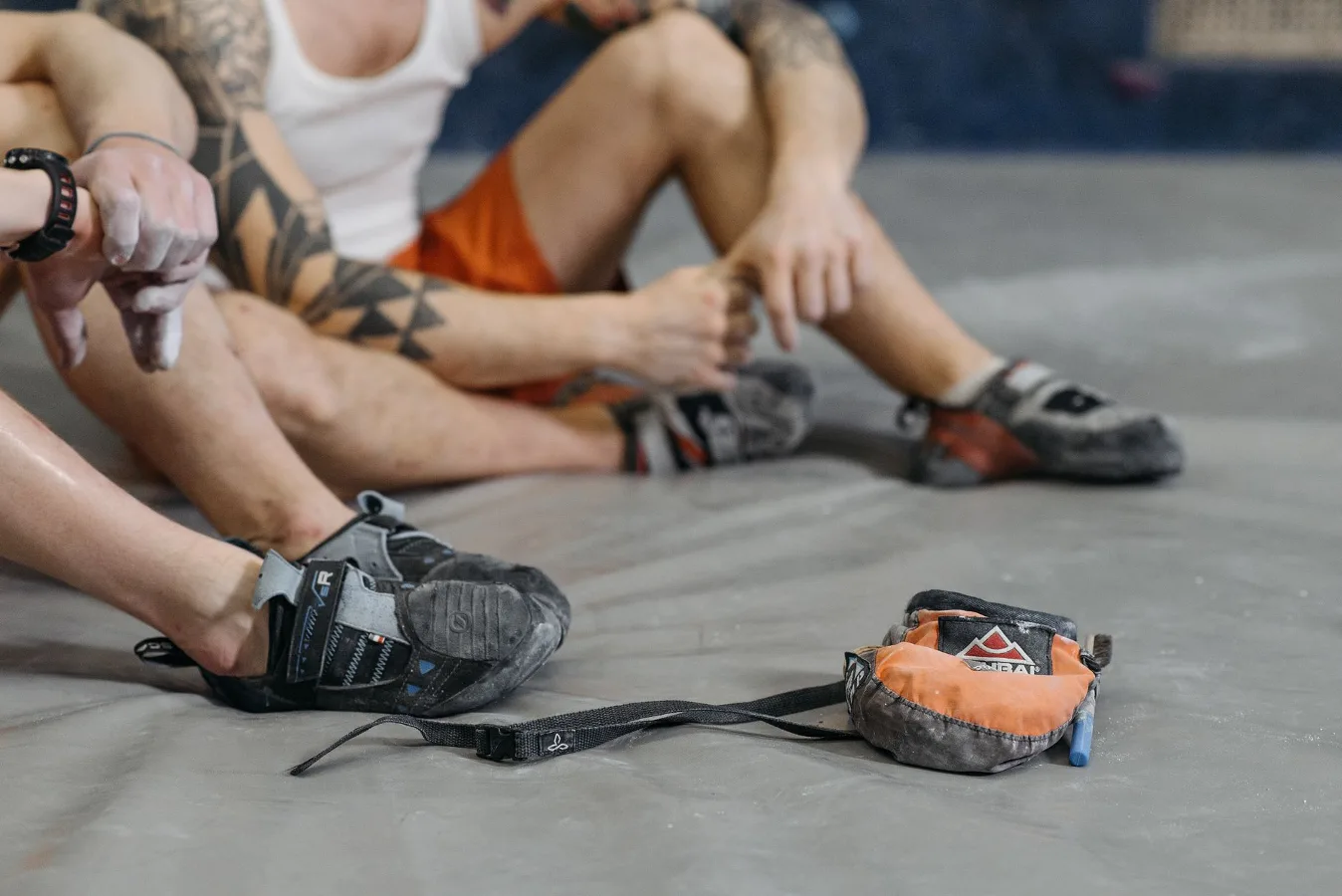
What a climbing gym bag really needs to do
A climbing gym bag is less about style and more about keeping a session organized. For most climbers, the ideal bag needs to hold shoes, chalk, tape, a water bottle, a layer, and a few personal items without letting chalk dust spread everywhere or forcing you to dig through one messy compartment. canvas gym bag offers more detail on this point.
If you climb regularly, the right bag can make gym days smoother in small but meaningful ways. You spend less time repacking at the locker, less time searching for tape or a brush, and less time worrying about whether your sweaty shoes are touching clean clothes. That practical fit is what matters most.
For commercial search intent, the simplest answer is this: choose a climbing gym bag based on what you carry, how far you travel, and whether you want a backpack, duffel, or compact organizer. The best option is usually the one that matches your routine rather than the one with the most pockets. guide to leather travel backpack offers more detail on this point. best bags for daily gym carry offers more detail on this point.
Start with your buyer scenario
Different climbers need different bag setups. A casual boulderer who walks from the car to the gym has different needs than someone commuting by train, stopping at work first, or carrying a full change of clothes after every session.
For the minimalist climber
If you only carry shoes, chalk, a brush, tape, and a phone, a compact gym bag or small backpack is usually enough. Smaller bags are easier to stash under a bench or in a locker, and they encourage you to keep the load light.
For the after-work climber
If you head straight from the office or class, look for a climbing gym bag with room for clean clothes, a towel, snacks, and maybe a laptop sleeve if you truly need one. In that case, organization matters more than raw capacity. Separate pockets help keep work items away from chalk and sweaty gear.
For the frequent boulderer
Bouldering sessions often involve a lot of small items: shoes, chalk, brush, tape, skin care, a bottle, finger tape, and recovery tools. A bag with a few defined compartments is often more useful than a large open cavity. The goal is fast access, not just extra space.
For the climber who travels between gym and crag
If your bag needs to handle gym sessions, weekend trips, and occasional outdoor use, prioritize durability, weather resistance, and flexible storage. You may not need a technical pack, but you do need a bag that can handle mixed use without feeling awkward in either setting.
The trade-offs that matter most
Most climbing gym bags sit somewhere between convenience and specialization. The more specialized a bag becomes, the better it may fit one routine and the worse it may work for another.
Backpacks are easier to carry hands-free, especially if you walk, bike, or take public transit. They usually distribute weight well, but they can be less convenient when you want quick access to shoes or a chalk bag at the gym.
Duffels often offer simple packing and wide access. They are useful if you want to toss in bulky items quickly. The trade-off is comfort. A shoulder strap can be fine for short carries, but it is less pleasant if you commute far or carry a loaded bag often.
Small sling-style bags or compact organizers work well for minimal loads. They are easy to grab and easy to store, but they may force you to leave out recovery items, extra layers, or a full change of clothes.
One overlooked consideration is how your bag behaves after a climb, not before it. If your shoes are damp, your chalk bag is dusty, and your shirt is sweaty, internal separation becomes more valuable than people expect. A bag can look practical on paper yet still feel annoying if every item ends up sharing the same space.
Material and build factors worth paying attention to
Climbing gym bags do not need extreme technical specs, but the materials still matter. A bag used around chalk, shoes, and occasional outdoor grime benefits from fabrics and finishes that are easy to wipe down and hold up to regular abrasion.
Outer material
Look for materials that balance durability and weight. Common bag fabrics in this category often include woven synthetics and coated fabrics. The exact material is less important than whether it feels sturdy enough for repeated use and easy enough to clean after gym sessions.
If you often set your bag on rough floors, in car trunks, or in locker rooms, abrasion resistance becomes more important. If you carry mostly indoors and want a lighter bag, you may not need the heaviest construction available.
Lining and cleanup
Chalk dust is a real part of climbing life. A bag with a smooth interior or easy-to-clean lining can be more practical than a bag with lots of fabric pockets that trap dust. This is especially true if you keep chalk, tape, and shoes in the same compartment.
A common misconception is that more padding automatically makes a bag better. In reality, padding is only useful when it protects something fragile. For a climbing gym bag, too much padding can add bulk without improving everyday function.
Closures and hardware
Zippers, buckles, and straps should feel reliable under repeat use. You do not need fancy hardware, but weak zippers or awkward pulls can become frustrating quickly. Simple designs often age better than overcomplicated ones.
Size and layout: choose for the load you actually carry
Bag size should be tied to your routine, not to the idea of being prepared for every possible scenario. A larger bag is not automatically better, because extra room can become wasted space that makes the bag less tidy and less comfortable to carry.
Think through the items you usually bring:
- climbing shoes
- chalk bag or liquid chalk
- brush and tape
- water bottle
- snacks
- fresh shirt or full change of clothes
- light jacket or hoodie
- wallet, keys, and phone
- small recovery items such as finger tools or massage ball
If that list is close to your normal load, choose a bag that gives each category some structure. If you routinely carry only half of it, a smaller bag may be the better decision. Empty space can make a bag feel clumsy and encourage loose packing.
Internal layout matters as much as volume. A climbing gym bag with a separate shoe pocket or a dedicated dirty compartment can help keep odor and grime away from clean items. That is especially useful if you reuse the bag for work, school, or errands.
Comfort and carry style
Comfort is not just about soft straps. It is also about how the bag behaves while you move. If you bike to the gym, a backpack usually makes more sense than a duffel. If you drive and only carry the bag a short distance, a duffel can be perfectly adequate.
For backpacks, look at strap shape and back panel design. You do not need advanced suspension for a gym bag, but straps that dig in or twist awkwardly will become annoying fast. For duffels, pay attention to whether the shoulder strap is adjustable and whether the handles are long enough to grab comfortably.
A good practical rule: if the bag will regularly be on your back, prioritize comfort and balance. If it will mostly sit in the car or on a bench, prioritize access and organization.
Features that are useful, and features that are often overhyped
Some features genuinely help climbers. Others sound useful but add little value in daily use.
Features that often earn their space
- Separate shoe storage: Keeps dirty shoes from touching clean clothing.
- Easy-wipe pockets: Helpful for chalk, tape residue, and quick cleanup.
- Water bottle pocket: Useful if you like to keep hydration accessible.
- Small accessory pockets: Good for keys, cards, earphones, and skin care.
- Wide opening: Makes packing and repacking faster.
Features that may not be worth paying extra for
- Too many specialized pockets: They can make the bag less flexible.
- Heavy padding everywhere: Often adds bulk without solving a real problem.
- Overbuilt travel features: They can be unnecessary for routine gym use.
- Complicated modular systems: Great in theory, but often ignored in practice.
One real-world constraint is locker size. A bag that seems ideal at home may feel awkward if it does not fit well in your gym’s storage area. If you usually use lockers, benches, or small cubbies, compactness may matter more than extra capacity.
How to balance odor, moisture, and cleanliness
Climbing shoes, chalk, and sweat create a bag environment that can get stale quickly. No bag eliminates that problem entirely, but some designs make maintenance easier.
Look for ventilated sections if you often pack shoes immediately after climbing. Ventilation can help moisture escape, though it will not prevent odor on its own. If a bag lacks ventilation, at least make sure the inside is easy to wipe and that your dirty items have a dedicated place.
Simple habits also matter. Let shoes air out when possible, empty snack wrappers and tape scraps promptly, and avoid leaving damp clothes in the bag overnight. The best bag is the one you can maintain without extra effort.
Common mistakes when buying a climbing gym bag
Many buyers focus on style first and function second. That usually leads to one of a few predictable mistakes.
- Buying too large: The bag becomes bulky and harder to keep organized.
- Buying too small: You end up stuffing shoes, clothes, and gear into one tight space.
- Ignoring separation: Clean items end up next to chalky or sweaty gear.
- Choosing looks over access: A sleek bag can be frustrating if it is hard to pack quickly.
- Overestimating how much you need: Many climbers carry less than they think once their routine settles.
A practical insight: your bag should fit your real climbing habits, not your idealized version of them. If you rarely carry a laptop, do not let a laptop sleeve become a deciding feature. If you always bring a change of clothes, do not settle for a bag that only works with minimal gear.
Practical alternatives if a standard climbing gym bag is not quite right
Not every climber needs a dedicated climbing bag. Depending on your routine, one of these alternatives may work better.
Simple backpack: Good for minimalists who want one bag for climbing and everyday errands. Best when you do not need separate dirty and clean zones.
Small duffel: Useful if you prefer easy packing and do not mind carrying by hand or shoulder. Often a good choice for short gym trips.
Packable tote or gear pouch: Works for very light loads, but less ideal for sweaty shoes or chalk-heavy sessions.
Two-bag system: Some climbers prefer a smaller bag for essentials and a larger tote or backpack for clothes and extras. This can improve organization, though it may feel excessive for simple sessions.
The right alternative depends on whether your priority is convenience, separation, portability, or flexibility.
What to do before you buy
Before choosing a climbing gym bag, check three things: what you carry now, how you travel, and where the bag will be stored. Those three factors usually determine whether a bag feels useful or annoying.
- List your regular climbing items.
- Decide whether you want a backpack, duffel, or compact carry option.
- Look for separation between clean and dirty items.
- Consider whether you need ventilation or easy-clean lining.
- Think about locker size, commute length, and daily storage.
If you are still undecided, start with the simplest design that meets your current needs. You can always move up to a larger or more specialized bag later, but many climbers find that a well-sized, well-organized bag is all they really need.
FAQ
What size climbing gym bag is best?
The best size is the smallest one that still fits your shoes, chalk, water, and any clothing you regularly bring. If you overpack often, size up slightly; otherwise, stay compact for easier carry and storage.
Should a climbing gym bag have a separate shoe compartment?
It is not required, but it is very useful if you want to keep dirty shoes away from clean clothes or work items. A separate compartment also makes post-session cleanup easier.
Is a backpack or duffel better for climbers?
A backpack is usually better for commuting, biking, or longer walks. A duffel is often better if you want quick access and mostly carry the bag short distances.
How do I keep my climbing gym bag from smelling?
Air out shoes and clothes after sessions, remove damp items promptly, and choose a bag with easy-to-clean materials. Ventilation helps, but regular maintenance matters more.
Can one bag work for both climbing and everyday use?
Yes, if it has a clean layout, reasonable organization, and enough separation for dirty gear. A simple backpack or versatile duffel is often the easiest fit for mixed use.
Choose the bag that matches your routine
The best climbing gym bag is the one that fits your actual habits: how much you carry, how you travel, and how often you want to clean it. For most climbers, the smartest choice is a practical bag with enough separation for shoes and chalk, enough space for a layer or change of clothes, and a carry style that feels comfortable on the way to and from the gym.
If you focus on those basics first, you are more likely to choose a bag that stays useful long after the novelty wears off.