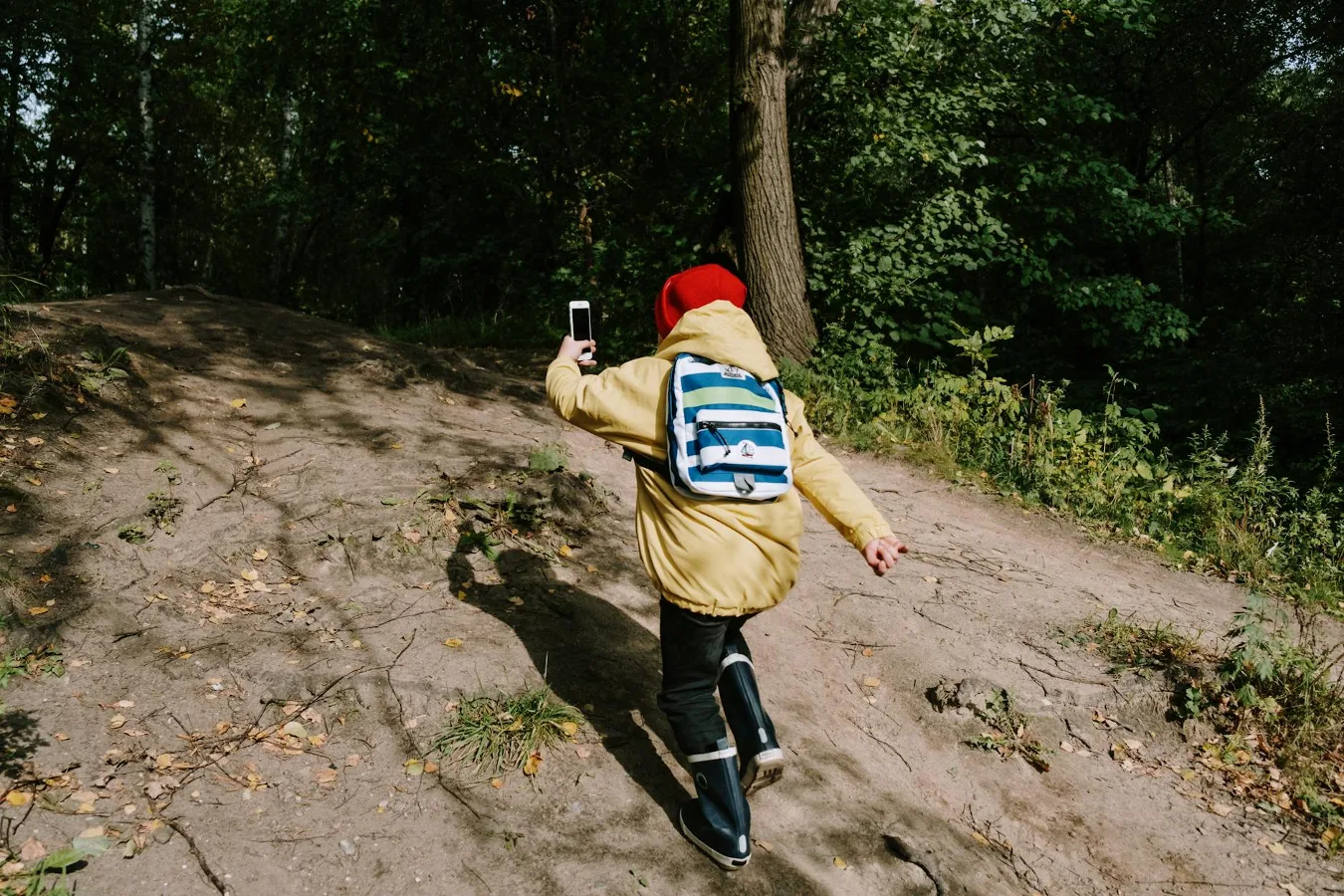
Kids hiking boots are best chosen as a fit-and-use decision, not just a style choice. For most families, the right pair is one that fits securely, grips well on uneven ground, feels comfortable after a few minutes of walking, and matches the kind of trails your child actually does. columbia hiking boots offers more detail on this point.
If your child mostly walks on maintained paths, a lightweight hiking shoe or low-cut trail shoe may be enough. If they scramble on rocky ground, hike in wet conditions, or need more protection around the ankles and toes, a more structured boot makes sense. The key is matching the boot to the child, the trail, and the season.
Start with the kind of hiking your child really does
The most common mistake is buying boots for a dramatic use case that never happens. A boot built for steep, technical terrain can feel stiff and tiring on short family hikes. On the other hand, a soft casual shoe can feel underbuilt if your child regularly hikes on roots, rocks, mud, or uneven forest paths.
Think about these real-world scenarios:
- Easy day hikes and park trails: Lightweight shoes or flexible low hiking boots are often enough.
- Rocky or root-filled trails: A more supportive boot with better toe protection is useful.
- Wet grass, puddles, or damp forest conditions: Water resistance matters more than a very breathable upper.
- Cold-weather outings: Insulation and room for thicker socks may matter, but only if your child will actually be outside long enough to need them.
For many children, versatility matters more than a specialized build. A boot that works for hiking, nature walks, and outdoor play often gets more wear than a highly technical model.
The fit matters more than the label
With kids hiking boots, fit usually decides comfort, safety, and how long the boots stay useful. Children’s feet grow quickly, but that does not mean buying overly large boots is a good strategy. Extra room can lead to heel slip, blisters, unstable footing, and a child who avoids wearing the boots at all.
What a good fit should feel like
- Heel stays fairly secure when walking downhill or turning corners.
- Toes have a little room to move, but not so much that the foot slides forward.
- The boot feels snug around the midfoot without pinching.
- Your child can walk normally without lifting the knees unusually high or tripping.
Toe room is especially important because children often complain less about pressure than adults do. If the boot is too short, the problem may show up later as discomfort on descents or as worn-down toenails after repeated hikes.
A practical fitting tip: have your child wear the socks they would actually use on the trail. Thin school socks and thicker hiking socks can change the fit enough to matter. If the boot only feels right with a sock type your child will never wear, keep looking.
Growth room has limits
Buying a full size up can seem sensible, but too much extra space creates its own issues. A small amount of growth room is reasonable, especially for a boot meant for a single season. Too much room can make the boot feel sloppy, reduce confidence on uneven ground, and increase rubbing.
A better approach is to choose a boot that fits well now and can be used comfortably for the trips you actually expect in the next few months. For rapidly growing kids, that may mean accepting that the boot is a shorter-term purchase.
Support, flexibility, and ankle height: what actually helps
Parents often assume higher boots automatically provide better support. That is not always true. A tall collar can add a sense of security and help protect against brush or debris, but it does not replace a stable sole, a secure lacing system, or proper fit.
For many kids, especially younger hikers, the best boot is one that bends enough for natural walking while still feeling sturdy underfoot. Boots that are too rigid can cause fatigue, especially on casual hikes. Boots that are too soft can feel unstable on rocks or slanted trails.
Consider these trade-offs:
- Higher-cut boots: More coverage and a bit more protection, but sometimes heavier and warmer.
- Low-cut hiking shoes: Lighter and easier to move in, but with less ankle coverage.
- Mid-height boots: Often the middle ground for families who want a bit of support without a bulky feel.
For younger children, confidence often matters as much as actual support. If a boot feels awkward, they may walk more cautiously or resist wearing it. That can matter more than any design feature on the tag.
Material choices affect comfort, weather use, and upkeep
Kids hiking boots usually combine synthetic materials, mesh, leather, or suede-style overlays. Each option changes how the boot performs in everyday family use.
Breathability versus protection
More breathable uppers tend to feel better in warm weather and on active outings. They also dry more quickly if they get damp. The trade-off is that they may offer less weather resistance and can feel less substantial on rough terrain.
More protective materials can handle brush, mud, and light abrasion better, but they may hold heat and take longer to dry. If your child hikes in hot weather or runs warm, a heavy upper can become uncomfortable quickly.
Water resistance is useful, but not always necessary
Water-resistant or waterproof kids hiking boots can be helpful on damp trails, wet grass, and puddle-prone routes. That said, they are not a universal best choice. Waterproof boots often breathe less well and can feel warmer in summer. If your child mostly hikes in dry conditions, a lighter, non-waterproof shoe may be more comfortable.
Another overlooked point: waterproofing helps with external moisture, but it does not solve everything. Water can still enter from the top if the child steps into deeper mud or water, and once inside, a waterproof boot can be slower to dry.
Durability should match the season
Children’s boots do not need to last like adult expedition footwear if the child will outgrow them first. A reasonable level of durability is enough for walking trails, playground use, and family trips. If the boot is meant for heavy use, such as frequent rough terrain or outdoor camps, then reinforced toes and sturdier uppers become more valuable.
Traction and outsole design deserve attention
Grip is one of the most practical reasons to buy hiking boots rather than regular sneakers. Trails can be slippery even when they do not look difficult. Wet leaves, loose gravel, dirt slopes, and damp roots all benefit from a sole that helps the child stay stable. related advice on bottega sneakers offers more detail on this point.
Look for outsoles with a tread pattern suited to mixed terrain. Deep, aggressive lugs are not always necessary for kids, but a flat or overly smooth sole is a poor match for trail use. The goal is steady footing, not maximum technical performance.
There is also a practical nuance here: a very sticky, highly textured sole can be great on trails but may wear differently on pavement. If your child will wear the boots to school or around town, a more balanced outsole may be more useful than an aggressive hiking pattern designed only for rough ground.
Closure systems affect independence and convenience
How a boot closes changes how easy it is to use. This matters a lot for kids who want to put on their own shoes, and for parents who need a quick turnaround before a hike.
- Hook-and-loop closures: Easy for younger children, though not always as adjustable as laces.
- Laces: Usually provide the best adjustability and fit control.
- Combination systems: Can offer easier use with decent adjustability, especially for younger hikers.
Laces are often the most dependable option for getting a secure fit across different foot shapes. That said, if a child cannot fasten the boot independently, they may be less willing to wear it. For younger children, a simpler system can be the better everyday choice even if it is slightly less precise.
Comfort details that are easy to miss
Some of the most useful features are not dramatic. They are the details that keep a child comfortable after the first mile.
- Cushioning: Enough to soften hard ground, but not so much that the boot feels unstable.
- Toe box shape: A roomier front can help active feet spread naturally.
- Collar and tongue padding: Helpful for reducing rubbing around the ankle and top of the foot.
- Weight: Lighter boots are often easier for children to walk in for longer periods.
A common misconception is that more padding always means more comfort. In kids footwear, extra bulk can sometimes cause heat, stiffness, or a clunky feel. Comfort depends on how the whole boot moves with the child, not just how cushioned it looks.
Choose by age and independence level, not only by size
The best kids hiking boots for a toddler are not the same as the best pair for a tween. Younger children usually benefit from simpler, easier-to-manage footwear. Older kids may care more about trail performance, fit precision, and how the boot feels during longer walks. Best Hiking Boots for Men: How to Choose offers more detail on this point.
- Preschool and early elementary: Easy closures, flexible feel, and simple comfort often matter most.
- Older elementary kids: Better fit control, traction, and durability become more noticeable.
- Tweens: A more grown-up fit and more specific performance needs may start to matter, especially for longer hikes.
It can also help to ask how your child actually wears shoes. If they dislike fussing with gear, a simple boot that they can manage themselves may get more use than a more technical option.
Best use cases and sensible alternatives
Kids hiking boots are not always the best answer. In some situations, a different shoe is a better value and a better comfort choice.
Choose hiking boots if your child needs:
- More protection on uneven ground
- Better traction than regular sneakers
- Some weather resistance for damp trails
- Extra coverage for rocks, roots, and brush
Consider hiking shoes or trail shoes if your child needs:
- Less weight and more flexibility
- Better breathability in warm weather
- A shoe for easier or shorter hikes
- Something that feels closer to an everyday sneaker
Consider rain boots or winter boots if:
- The main concern is standing water or deep slush
- The child needs warmth more than trail performance
- The outing is casual rather than hiking-focused
The point is not to buy the most rugged option available. The best choice is the one your child will wear comfortably and safely for the activities you actually have planned.
Common mistakes to avoid
A few buying mistakes come up again and again with children’s outdoor footwear:
- Buying too much room for growth. Oversized boots can cause slipping and blisters.
- Choosing stiff boots for casual hikes. Too much structure can make the boots tiring.
- Ignoring sock thickness. Fit should be checked with the socks your child will really wear.
- Overvaluing waterproofing. Not every trail or season needs it, and breathability can matter more.
- Forgetting about ease of use. A boot that is hard to put on may get left in the closet.
One overlooked issue is terrain mismatch. A boot can be technically good and still be the wrong choice if your family’s hikes are mostly short, warm-weather walks on maintained paths.
How to narrow down the right pair
If you are comparing kids hiking boots, use this simple filter:
- Trail type: Easy paths, rocky terrain, muddy trails, or mixed use?
- Weather: Dry, warm, damp, or cold conditions?
- Fit: Secure heel, usable toe room, and no pressure points?
- Weight: Light enough for the child to move naturally?
- Closure: Can your child manage it, or do they need help?
- Maintenance: Will the materials be easy to clean after mud and dust?
If a boot only wins on one feature but loses badly on comfort or fit, it is usually not the right purchase. For kids, the most useful boot is often the most balanced one.
Next steps before you buy
Before choosing a pair, think through how often your child will actually hike, whether the boot needs to double as an everyday outdoor shoe, and whether you want more weather protection or more breathability. Then compare the fit, traction, closure, and overall feel rather than focusing only on brand or appearance.
If you are shopping for a broader shoe wardrobe, it can also help to compare kids hiking boots with trail shoes, rain boots, and everyday sneakers so each pair has a clear job. That approach usually leads to better comfort, fewer unused pairs, and a more practical purchase overall.
For families building an outdoor footwear setup, the most useful mindset is simple: choose the least complicated boot that still gives your child the traction, coverage, and comfort their hikes require.