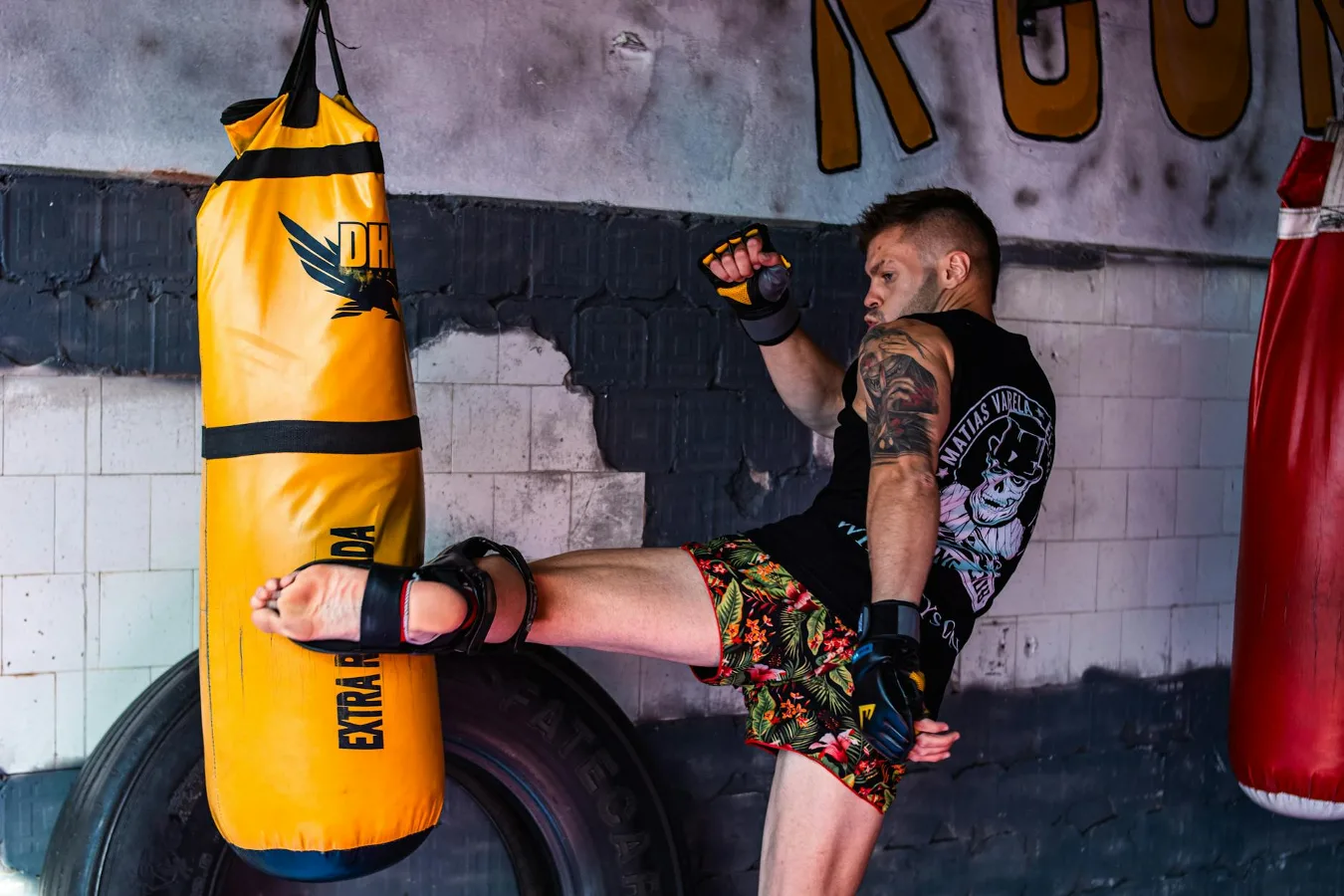
An MMA gym bag should do more than hold gloves and a water bottle. For most training routines, the best choice is a durable duffel or backpack-style bag with enough space for wraps, shin guards, shoes, clean clothes, and a separate place for damp gear. Ventilation, easy cleaning, and a practical pocket layout matter more than flashy extras. muay thai gym bag offers more detail on this point.
If you train mixed martial arts regularly, the bag becomes part of your routine. You want something that opens fast, keeps wet items from spreading odor, and survives being tossed in a car trunk or locker room floor. The ideal MMA gym bag depends on how much gear you carry, whether you commute on foot or by car, and how often you need to pack for work and training in the same day. how to choose the right gym bag size offers more detail on this point.
Quick answer: what makes a good MMA gym bag?
A good MMA gym bag is tough, easy to clean, and organized enough to separate clean items from sweaty gear. Look for a design that fits bulky gloves and pads without wasting space, plus at least one compartment for shoes or used clothing. If you train after work, a more structured bag with dedicated pockets usually works better than a simple open duffel.
The most useful features for MMA are not always the most obvious ones. A large main compartment matters, but so does airflow, because gloves and wraps can hold moisture after class. Water-resistant material helps with rain and spill protection, while reinforced stitching is useful if your bag carries dense equipment rather than casual gym clothes.
How to compare MMA gym bags
There is no single best bag for every athlete. A bag that works for one person can feel awkward for another, mainly because MMA training kits vary widely. Some people carry only gloves, wraps, a mouthguard case, and a shirt. Others need room for shin guards, grappling shorts, headgear, towels, and recovery items.
Use the comparison below as a practical filter rather than a rigid ranking.
| Feature | Why it matters for MMA | Best for | Watch out for |
|---|---|---|---|
| Ventilation | Helps reduce trapped moisture and odor | Anyone training several times a week | Closed bags with no airflow can get stale quickly |
| Separate compartments | Keeps clean gear away from damp gear | Commuters and multi-item packers | Too many compartments can reduce usable space |
| Durable materials | Better for heavy gloves and repeated use | Regular trainees and competitors | Heavy fabric can add weight |
| Easy cleaning | Important after sweaty sessions | Anyone carrying used wraps or clothing | Dark linings can hide buildup until odor develops |
| Comfortable carry | Useful if you walk, bike, or use public transit | Urban commuters | Large bags can feel bulky on the shoulder or back |
Size: enough room without turning into overkill
Size is one of the most misunderstood parts of choosing an MMA gym bag. Bigger is not automatically better. A very large bag can invite clutter, make it harder to find small items, and encourage you to carry gear you do not need. choosing a travel-friendly sports bag offers more detail on this point.
For casual training, a compact-to-medium bag is often enough. If you bring full sparring gear or train before and after work, a roomier duffel may be more practical. The right size should fit your actual kit with a little extra room for a towel, snacks, or post-training layers, but it should not swallow everything so completely that items get lost.
Materials: durability is more useful than appearance
MMA bags tend to take more abuse than standard casual gym bags. They get packed with hard objects, dragged across floors, exposed to sweat, and overfilled when training schedule gets hectic. That makes material choice especially important.
Rugged synthetic fabrics are commonly preferred because they handle daily wear better than softer decorative materials. The finish should also be easy to wipe clean. If the bag has mesh panels, that can help with airflow, but mesh alone will not protect your gear from abrasion or moisture outside the bag.
Compartments: the overlooked difference between neat and frustrating
Many buyers focus on total capacity and ignore layout. For MMA, compartment design can matter just as much as total volume. Separate pockets for shoes, wet clothing, valuables, and accessories help prevent the bag from becoming a single mixed pile.
A common misconception is that more pockets always mean better organization. In practice, too many small compartments can be annoying if your gloves or shin guards already take up most of the internal room. The best balance is a clear main section with a few targeted pockets that solve real problems, such as keeping keys, hand wraps, tape, or a phone away from sweaty equipment.
Ventilation and odor control
Training bags are not just storage containers; they also have to deal with moisture. After class, gloves, wraps, rash guards, and shorts may still be damp. A bag that traps all of that inside can quickly develop odor and make gear less pleasant to use.
Ventilation features vary. Some bags use mesh panels, others use ventilated compartments, and some simply rely on breathable construction. None of these replaces the need to air out your gear after training, but they can make a noticeable difference in how the bag handles daily use. If you often leave the bag in your car or locker, ventilation becomes even more important.
Comfort and carry style
The best carry style depends on your routine. A duffel is easy to load and unload, which many martial artists prefer because it gives quick access to bulky gear. A backpack-style bag can feel better if you walk long distances, commute on public transit, or prefer both hands free.
Some people also want a hybrid design. That can be a smart middle ground, but only if the straps are comfortable and the bag remains stable when packed full. An uncomfortable carry system is more than a nuisance; it can make you avoid bringing the gear you actually need.
Choosing by training style
Not every MMA athlete needs the same kind of bag. Your training pattern should guide the purchase more than generic product labels.
- Beginner trainees: Usually need a straightforward bag with enough room for gloves, wraps, a shirt, water, and a few personal items.
- Regular class attendees: Benefit from better organization, ventilation, and stronger materials for repeated use.
- Competitors: Often need more space for multiple gear sets, recovery items, and travel essentials.
- Commuters: May prefer a more polished, less bulky design that works in public settings.
- Coaches or multi-sport athletes: Often need larger capacity and better compartment separation to manage mixed equipment.
If you train multiple disciplines, such as MMA plus boxing or jiu-jitsu, look closely at whether the bag can handle different shapes of gear. Shin guards, headgear, and grappling equipment can create awkward bulk, so internal space and pocket placement matter more than the external style.
Common mistakes buyers make
The wrong MMA gym bag is usually not a total failure. More often, it becomes annoying in small, repeated ways. These mistakes are easy to avoid once you know what to look for.
- Buying for appearance first: A sharp-looking bag can still be awkward to pack or hard to clean.
- Ignoring wet gear storage: If you carry damp wraps or clothing, you need a plan for separation.
- Choosing too small a bag: Glove bulk and pads take up more room than many first-time buyers expect.
- Overlooking carry comfort: A bag can look right on paper but feel miserable once loaded.
- Skipping easy-clean materials: MMA gear can leave residue, odor, and sweat behind.
- Assuming more pockets solve everything: Layout matters more than pocket count alone.
One practical nuance gets overlooked often: your bag should fit the way you leave the gym, not just the way you arrive. After training, you are usually carrying dirty gear, a damp towel, maybe a shaker bottle, and a phone or wallet that should stay separate. If a bag only works for clean, neatly packed items, it may frustrate you in real use.
Alternatives to a dedicated MMA gym bag
Depending on your routine, you may not need a bag marketed specifically for MMA. A well-designed sports duffel or training backpack can work just as well if it has the right mix of capacity, structure, and easy cleaning.
Here is how common alternatives compare:
- Standard gym duffel: Good for simple gear loads and easy packing, but may lack the compartments useful for sweaty equipment.
- Training backpack: Better for commuting and hands-free carry, though it may be less convenient for bulky gloves and pads.
- Travel duffel: Useful for overnight competitions or seminars, but not always optimized for moisture control.
- Generic sports tote: Works for light use, but usually offers weaker structure and less protection for gear.
If your training load is modest, you may be better off choosing a versatile bag that fits both gym and daily life. If you carry multiple protection items and use the bag several times a week, a more specialized MMA bag is often worth the extra organization.
Maintenance matters more than most shoppers expect
A bag only stays useful if you can keep it clean enough to handle repeated training. That does not mean it needs constant deep cleaning, but it should be easy to empty, wipe down, and air out.
After training, remove damp items as soon as possible. Leave the bag open when you get home so moisture does not sit trapped inside. If the bag includes removable inserts or washable liners, that can help, but even without them, a simple maintenance habit makes a difference.
If odor control is a priority, think about the whole system, not just the bag. Quick-dry gear, mesh pouches, and separating used items from clean items often matter as much as the bag itself. A well-designed bag cannot fully compensate for leaving soaked wraps inside overnight.
What to prioritize if you train in the United States
For U.S. buyers, practical use cases often shape the best choice. Many athletes are juggling work, commuting, and evening classes, so a bag that works in multiple settings is often more useful than a niche design that only looks good in the gym.
If you drive to training, convenience and load capacity may matter most. If you take public transit or walk, choose a bag with comfortable straps and a shape that does not feel oversized. If you fly for tournaments or seminars, look for a bag that can pull double duty as a short-trip travel bag without sacrificing ventilation or gear separation.
The most reliable choice is the one that fits your routine without needing special handling. A bag that is easy to pack, easy to clean, and easy to carry will usually outperform a more complicated design that looks impressive but slows you down.
Final take
The best MMA gym bag is the one that matches your gear load, your commute, and how often you train. Focus on durability, ventilation, compartment layout, and easy cleaning before you worry about style details. For many buyers, the sweet spot is a rugged duffel or backpack with enough separation to keep wet items away from clean gear.
If you choose carefully, the bag becomes one less thing to think about before class. That is the real goal: a dependable training companion that keeps your gear organized, protected, and ready for the next session.