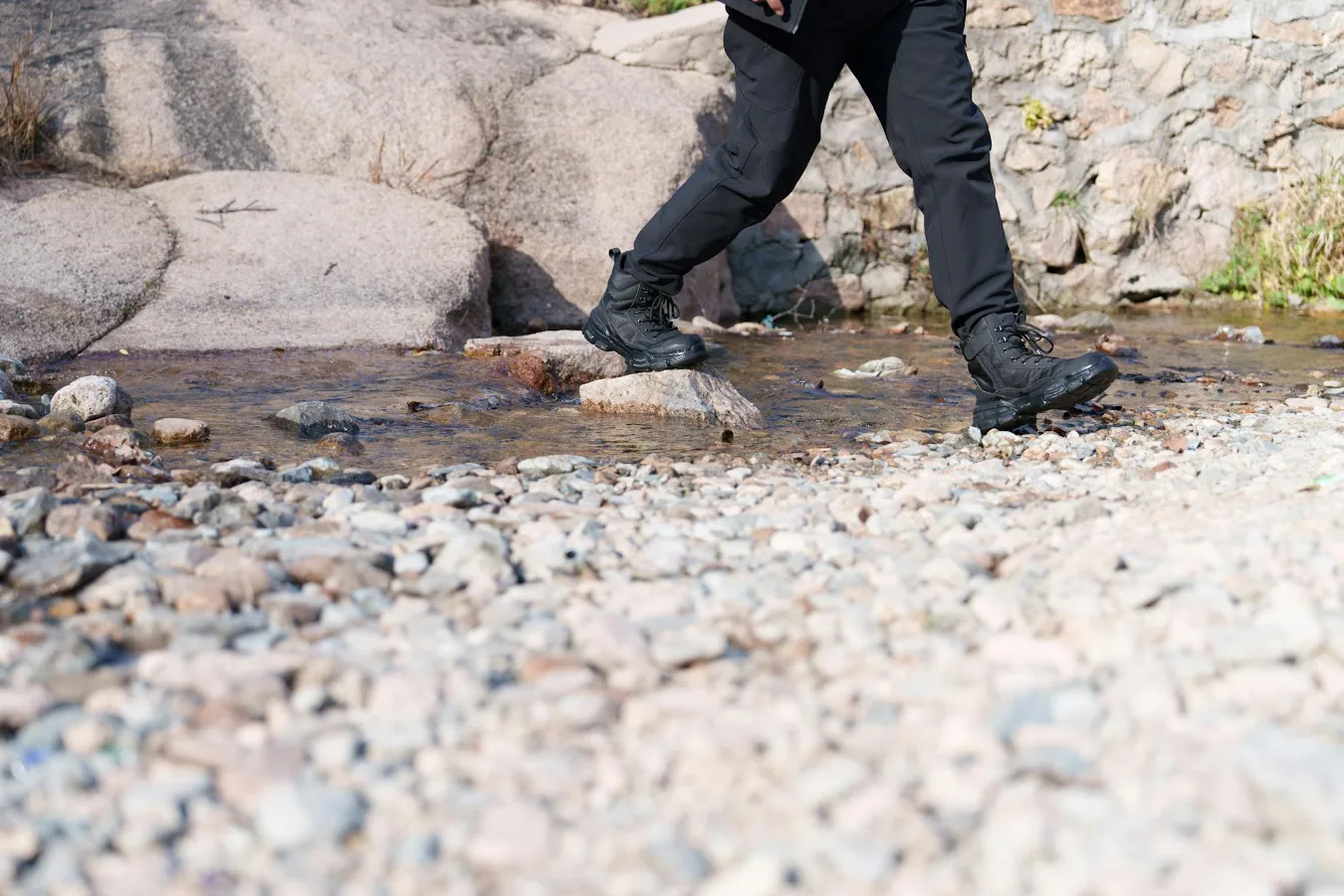
If you are comparing Keen hiking boots, the main question is not just which pair looks right, but which one fits your feet, terrain, and hiking style. Keen is often associated with roomier toe boxes, rugged outsoles, and outdoors-focused construction, but the best model for you depends on whether you want a lighter day-hiking boot, a more supportive boot for rough trails, or a waterproof option for wet conditions. danner hiking boots offers more detail on this point.
This guide breaks down the practical factors that matter most: fit, support, traction, waterproofing, breathability, and use-case fit. It also covers common mistakes shoppers make when choosing hiking boots, especially when they assume all Keen models behave the same way. Bottega Sneakers: A Complete Buyer Guide offers more detail on this point.
Why people look for Keen hiking boots
Keen is a frequent starting point for hikers who want a boot that feels protective without feeling overly narrow or rigid. For many buyers, the appeal is simple: a trail-ready boot with a more forgiving forefoot than some traditional hiking brands. That can be especially helpful if you need room for toe splay, plan to wear thicker hiking socks, or simply dislike cramped footwear.
Still, the fit reputation does not mean every Keen hiking boot will suit every foot. Some models are built for casual walking and day hikes, while others are better aligned with rougher terrain or longer outings. Thinking in terms of use case first usually leads to a better purchase than chasing a brand name alone.
Key factors that matter most
Fit and toe box shape
Fit is the biggest decision factor for most hikers. Keen is known for a roomier toe box, but that does not automatically make the boot “wide” in every part of the foot. A boot can feel spacious in the forefoot and still feel snug at the midfoot or heel. That’s why the overall shape matters as much as the length.
Look for a secure heel hold, enough room to wiggle your toes, and no pressure points across the top of the foot. If you plan to hike downhill often, a little extra toe room can help reduce jamming, but too much length can create sliding and blisters. The best fit is supportive, not sloppy.
Waterproofing versus breathability
Many Keen hiking boots come in waterproof versions, which can be useful for wet grass, muddy trails, puddles, and cooler shoulder-season hikes. The trade-off is that waterproof boots often run warmer and may feel less airy than non-waterproof versions.
If you hike mostly in dry climates or hot weather, breathability may matter more than water resistance. If your routes regularly include mud, rain, stream crossings, or snowmelt, waterproofing can be worth the comfort trade-off. The mistake to avoid is assuming waterproof means “better” in all conditions. For summer hiking, it can sometimes be the less comfortable choice.
Support and cushioning
Support needs vary by hiker. If you mostly walk groomed trails or park paths, a lighter boot with moderate cushioning may be enough. If you hike on uneven ground, carry a heavier pack, or prefer more underfoot structure, you may want a boot with firmer support and a more stable platform.
Pay attention to how the boot balances cushioning and stability. A softer boot may feel comfortable in the store but can feel less controlled on rocky descents. A firmer boot may seem less plush initially, but it can feel steadier on longer or more technical outings.
Traction and outsole design
Trail traction is one of the most important features to assess, especially if you hike on wet stone, dirt, leaf litter, or loose gravel. The outsole pattern and rubber compound influence how confidently the boot grips different surfaces.
No outsole works equally well everywhere. Deeper lugs often help in mud and softer terrain, while a more balanced tread may feel better on mixed surfaces and paved approaches. If most of your hiking is on maintained trails, you may not need an aggressive tread. If your routes are slippery or uneven, prioritize traction over a sleek look.
Weight and mobility
Boot weight affects how energetic a hike feels. A lighter boot is usually easier for all-day walking and casual trail use, while a more substantial boot can feel more secure but may also feel tiring on longer mileage. The right choice depends on whether you value agility or structure.
A common misconception is that heavier automatically means better. In reality, the best boot is the one that matches the demands of the trail. Extra weight is only useful if it brings a benefit you actually need, such as stability, protection, or durability.
Practical solutions for common buyer needs
If you need a boot for wide feet
Start by focusing on toe box shape and midfoot security rather than size alone. A wider-feeling forefoot can reduce pressure, but you still need the heel to stay put. If you often struggle with narrow hiking footwear, Keen’s roomier shape may be a sensible place to begin your search.
Try boots on later in the day if possible, when feet are slightly swollen from normal activity. Wear the socks you actually hike in. Small differences in thickness can change whether a boot feels balanced or tight.
If you hike in wet conditions
Choose a waterproof model if your hikes regularly involve damp trails, rain, or cold conditions where keeping feet dry matters more than maximum ventilation. Also consider how the boot handles drying. Waterproof boots can take longer to dry after water gets inside from the top, so gaiters and route planning can matter too. Women’s Hiking Boots: How to Choose offers more detail on this point.
If you often hike in humid weather, you may be better off with a non-waterproof pair and quick-drying socks. Drying time, not just water entry, is a real-world constraint many shoppers overlook.
If you want one pair for casual hiking and travel
A lighter Keen hiking boot or hiking shoe-style option may be the most flexible choice. Look for a pair that is comfortable for long walks, reliable on uneven sidewalks, and capable on easy trails. For mixed travel use, comfort and versatility usually matter more than maximum ankle support.
One practical nuance: a boot that feels great for city walking may still feel different on steep, rocky trails. If trail use is only occasional, that may be acceptable. If hiking is your main use, a more trail-specific boot is usually the safer bet.
If you carry a pack or hike rough terrain
Prioritize structure, underfoot stability, and secure lacing. You want a boot that holds your foot in place when the terrain changes suddenly. A roomier toe box is still useful, but it should not come at the expense of heel lockdown or midfoot support.
For steeper routes, a boot with a stable platform can feel more dependable than a softer, more casual model. This is one area where “comfort” needs to include control, not just cushioning.
What to compare across Keen models
Because Keen makes multiple hiking boot styles, compare them using the same set of questions every time:
- Is the toe box roomy enough for your foot shape?
- Does the heel stay locked in place when you walk downhill?
- Do you need waterproofing, or would breathability be better?
- Will you mostly hike on smooth trails, rocky paths, or mixed terrain?
- Do you want a lighter boot for everyday wear or a more structured boot for trail use?
- How much ankle coverage do you actually need?
That last question matters more than many shoppers expect. Mid-cut boots can feel reassuring, but they are not automatically better for every hiker. Some people prefer lower-cut footwear for mobility and lighter weight, while others want the extra coverage and security of a higher collar. The best option is the one that fits your movement style and terrain.
Common mistakes to avoid
Choosing by brand reputation alone
Even if a brand is known for comfort, every model behaves differently. A boot that works well for one person’s foot may not suit another person’s arch, heel shape, or hiking habits. Read model-specific details rather than assuming the same fit across the line.
Ignoring sock choice
Socks influence fit, moisture management, and friction. Thick hiking socks can improve comfort in some boots and create pressure in others. Thin socks may help in hot weather but can increase foot movement if the boot is already roomy. Always think of boot and sock as a system.
Overlooking break-in and feel on descents
Some boots feel fine on flat ground but reveal issues when you go downhill. Toe impact, heel slip, and forefoot pressure often show up only in motion. If possible, walk on an incline or stairs when trying them on. What feels acceptable standing still may not work on the trail.
Buying more boot than you need
It is easy to assume that the most rugged boot is the safest choice. But if your hikes are short, local, and mostly on maintained trails, an overly stiff or heavy boot can become a drawback. Match the boot to your actual hiking pattern, not an imagined extreme scenario.
How to decide which Keen hiking boots are right for you
If you want a simple decision path, start here:
- Choose your terrain. Easy trails, mixed terrain, rocky routes, and wet conditions all point to different priorities.
- Decide on waterproofing. Pick it only if moisture protection matters more than maximum airflow.
- Match the fit to your foot shape. Check forefoot room, heel security, and midfoot comfort together.
- Choose the right level of support. Lighter for casual use, more structured for rougher terrain or heavier loads.
- Test with your actual socks. This is one of the easiest ways to avoid an expensive fit mistake.
If you are still unsure, the most sensible starting point is often a versatile mid-cut boot with moderate cushioning and a fit that gives your toes room without sacrificing heel security. From there, you can move toward a lighter or more protective option based on how often you hike and what conditions you face.
Alternatives worth considering
Keen hiking boots are not the only answer. Depending on your needs, a few alternatives may make more sense:
- Hiking shoes if you want lighter weight and more flexibility for day hikes.
- Trail runners if you prioritize speed, low weight, and fast-drying materials.
- More structured backpacking boots if you carry heavier loads or need extra support on demanding terrain.
The right category depends on the hike, not on tradition. Many hikers now switch between categories based on season and trip length rather than trying to force one pair to do everything.
Maintenance basics that help any hiking boot last longer
Good care matters whether your boots are leather, synthetic, or mixed material. Brush off dirt after muddy hikes, let the boots dry naturally, and avoid forcing heat-drying methods that can stress materials. If the boot uses waterproof membranes or technical fabrics, follow the care guidance for that specific construction.
Regular maintenance also helps you spot wear early. Outsole wear, collapsed cushioning, loose stitching, or reduced heel hold are signs that performance is changing. Waiting until the boot feels obviously worn can mean a period of discomfort on the trail.
FAQ
Are Keen hiking boots good for wide feet?
They are often considered a strong option for hikers who want more room in the forefoot. Still, fit varies by model, so it is worth checking heel lock and midfoot shape, not just toe box space.
Should I choose waterproof Keen hiking boots?
Choose waterproofing if you hike in wet, cold, or muddy conditions and want more protection from moisture. If you hike in hot, dry weather, a non-waterproof version may feel more breathable and comfortable.
Do Keen hiking boots need a break-in period?
Many hiking boots benefit from some break-in time, even if they feel comfortable at first. Wear them around the house or on short walks before a longer hike so you can catch pressure points early.
Are Keen hiking boots better for day hikes or backpacking?
They are often a strong fit for day hikes and general trail use, but the right model depends on your support needs and pack weight. For heavier loads or more technical routes, compare the boot’s structure carefully against more backpacking-focused alternatives.
What is the biggest mistake when buying hiking boots?
The most common mistake is choosing a boot based on brand reputation or style alone. Fit, terrain, and moisture conditions should lead the decision, because those are the factors that affect comfort on the trail.
If you are narrowing down Keen hiking boots for your own use, focus on the trail conditions you face most often and the fit details you notice immediately. That approach leads to a boot you will actually wear, not just one that sounds right on paper.