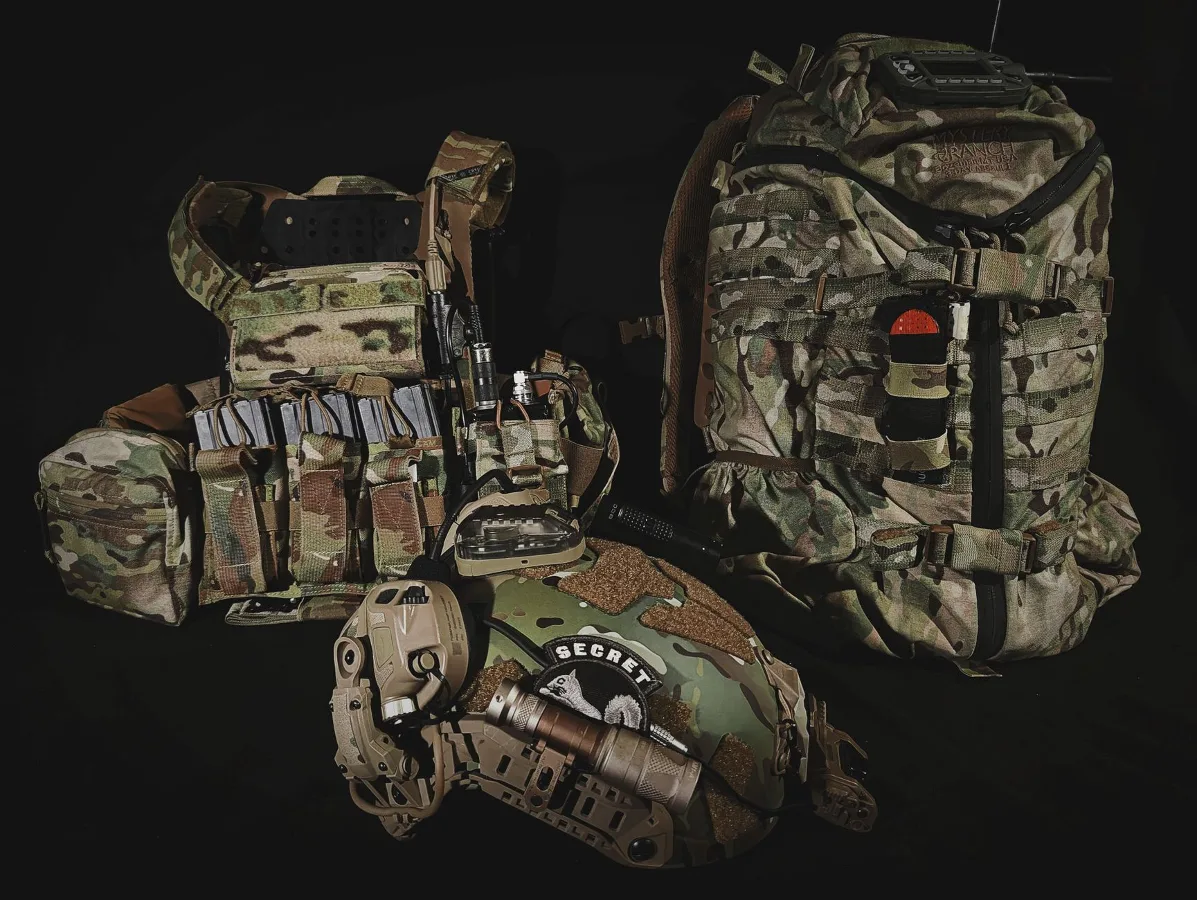
An OCP tactical laptop backpack is best thought of as a hybrid: part laptop bag, part tactical carry pack, and part daily organizer. If you want a backpack that can handle a computer, chargers, notebooks, and the usual everyday carry items while keeping a low-profile military look, OCP is the pattern many buyers start with. best backpacks for everyday carry offers more detail on this point.
The right choice depends less on the camo pattern itself and more on how the pack is built. For most buyers, the important questions are simple: Will it fit your laptop securely? Does it organize your gear without becoming bulky? Is it comfortable enough for commuting or travel? And if you want tactical features, are those features actually useful for your routine?
When an OCP tactical laptop backpack makes sense
OCP, or Operational Camouflage Pattern, appeals to people who want a tactical look with practical carry features. A backpack in this style can make sense for service members, commuters, students, travelers, and anyone who prefers rugged construction over a soft office bag.
It tends to be a good fit if you want:
- a laptop bag with more structure than a standard daypack
- external attachment points for accessories or modular pouches
- separate storage for work items, tech, and personal carry
- a bag that can move between duty use, commuting, and short travel
It may be less ideal if you need a formal office appearance, a very light bag, or a slim profile that disappears under a seat or under a desk.
Start with the laptop compartment, not the camouflage
The biggest buying mistake is choosing the pattern first and the laptop fit second. A tactical backpack can look right but still be frustrating if the laptop sleeve is too loose, too shallow, or poorly positioned. Convertible Laptop Backpack Buying Guide offers more detail on this point.
Check how the pack handles your device in practical terms:
- Fit: the compartment should hold your laptop without forcing the zipper or leaving too much movement
- Padding: look for cushioning on the back panel and around the sleeve, especially if you carry the bag daily
- Access: some packs allow side or clamshell access, which can be more convenient in transit
- Separation: a dedicated laptop sleeve should keep chargers, pens, keys, and hard items from rubbing against the device
A common misconception is that any padded sleeve is enough. In practice, the quality of the sleeve’s placement matters just as much as the padding. A laptop stored against the outer wall of the bag can be more exposed than one suspended slightly away from the bottom.
Step-by-step criteria for choosing the right pack
Use this order when comparing OCP tactical laptop backpacks.
1. Confirm your real carry load
List what you actually plan to carry on a typical day. For many people, that means a laptop, charger, mouse, cable pouch, notebook, water bottle, small tools, and personal items. A tactical pack can seem spacious at first, but overfilling it makes the bag harder to wear and can reduce access to the laptop compartment.
If you carry a bulkier power brick, headset, or admin pouch, prioritize packs with a well-defined front organizer rather than a large open cavity.
2. Decide how much organization you need
Some tactical laptop backpacks lean heavily on organization panels, zippered pockets, and admin sleeves. Others are more open and modular. Neither approach is universally better.
Choose a more structured organizer if you want quick access to pens, notebooks, ID, cards, USB drives, or field accessories. Choose a simpler layout if you prefer packing pouches and want the main compartment to stay flexible for jackets, files, or travel items.
3. Evaluate the external layout
OCP tactical backpacks often include MOLLE webbing, side compression straps, or hook-and-loop areas for patches. These features can be useful, but they also change how the bag behaves day to day. how to choose a tactical backpack offers more detail on this point.
- MOLLE webbing: useful if you truly add pouches or accessories; unnecessary bulk if you will never use it
- Compression straps: help stabilize the load, especially when the pack is partly full
- Patch panels: useful for identification or personalization, though not essential for everyone
An overlooked consideration is snag risk. More external webbing and hardware can catch on seat belts, luggage handles, or brush in tight environments.
4. Check comfort features for your actual use
A tactical backpack often carries more structure, so comfort matters. Pay attention to the shoulder straps, back panel, and how the bag distributes weight when loaded.
Look for features that suit your routine:
- padded, shaped shoulder straps for daily commuting
- breathable back padding if you wear the bag for long stretches
- adjustable sternum support if you carry heavier electronics or gear
- balanced compression so the load stays close to your back
If you plan to carry a laptop plus books or tools, comfort becomes a bigger factor than pattern or styling. A pack that looks rugged but rides poorly will get left at home.
5. Match the material to your environment
OCP tactical laptop backpacks are commonly built from rugged synthetic fabrics, but the exact material mix matters more than the tactical label. Focus on durability, weather resistance, and how the fabric feels in daily use.
Ask yourself whether the bag will face office commutes, training environments, air travel, or unpredictable weather. For more demanding use, stronger fabric, reinforced stitching, and quality zippers matter more than surface styling. For lighter use, a less overbuilt pack may be more comfortable and easier to live with.
Water resistance is helpful, but it is not the same as waterproofing. If you carry electronics in heavy rain, use a laptop sleeve or protective case inside the bag rather than assuming the pack alone will protect everything.
What tactical features actually add value
Not every tactical feature belongs on every laptop backpack. Some are practical, and some are mostly cosmetic. The useful ones depend on your routine.
- MOLLE compatibility: valuable for modular storage or specialty pouches
- Dedicated admin pocket: helpful for workplace or school carry
- Hook-and-loop panels: useful for labels or morale patches
- Dual-compartment layout: helps separate tech from daily essentials
- Reinforced grab handle: convenient for quick lifts, travel, and loading
Features that look aggressive can sometimes work against everyday practicality. Excess external gear can make the backpack heavier, wider, and less convenient under airplane seats or in crowded transit. If you want a bag for both tactical and civilian use, restraint usually wins.
Examples of good use cases
Different buyers need different balances of protection, organization, and style. Here are a few realistic scenarios.
For commuters
A commuter-friendly OCP tactical laptop backpack should prioritize a secure laptop sleeve, easy-access front storage, and comfortable straps. You probably do not need every external attachment point filled. A cleaner design with enough structure for daily work items is usually the better choice.
For military or duty-adjacent use
If the bag will see duty environments, modularity and rugged construction may matter more than a slim profile. In that case, MOLLE webbing, patch compatibility, and compartment separation can be more useful. Laptop protection still matters, but the pack should also handle field tools and paperwork without feeling cluttered.
For students and hybrid work users
Students and hybrid workers often benefit from a middle ground: tactical styling, laptop protection, and enough organization for class or office life. The main priority is avoiding a bag that feels overbuilt for campus but underorganized for tech gear.
For travel
Travel buyers should pay special attention to pocket access, carry comfort, and how easily the pack fits into a larger luggage system. A laptop compartment that opens cleanly can make security checks and airport handling easier. Too much external hardware can be a nuisance in tight spaces.
Common limitations to keep in mind
An OCP tactical laptop backpack is versatile, but it is not automatically the best answer for everyone.
- Appearance: the tactical pattern may not fit every office or classroom setting
- Bulk: added structure and webbing can make the bag feel larger than a standard laptop backpack
- Weight: rugged materials and hardware may increase carry weight before you load it
- Over-organization: too many pockets can make packing slower, not faster
The best buyers are usually the ones who know which trade-offs they can live with. If you value ruggedness and modularity, the extra bulk may be worth it. If you want a sleek daily commuter bag, a tactical design may be more compromise than advantage.
Alternatives worth considering
If an OCP tactical laptop backpack is close to what you want but not perfect, a few alternatives may fit better.
- Plain black tactical laptop backpack: keeps the functional layout while looking more neutral
- Travel backpack with laptop compartment: better for frequent trips and packed itineraries
- EDC backpack: usually lighter and more streamlined for everyday essentials
- Messenger bag with laptop sleeve: useful if you prefer shoulder carry and lighter loads
The right alternative depends on whether your priority is style, travel utility, or daily organization. Many buyers discover that the best bag is not the most tactical one, but the one that matches their routine with the fewest compromises.
Quick checklist before you buy
Use this final check to narrow your options.
- Does the laptop compartment fit your device securely?
- Is there enough padding for daily carry?
- Do the pockets match what you actually carry?
- Are the shoulder straps and back panel comfortable enough for long use?
- Is the material appropriate for your weather and environment?
- Will the external tactical features help, or just add bulk?
- Does the bag work for both your main use and secondary use, such as travel or school?
If you can answer yes to most of those questions, you are probably looking at a good fit. If not, the bag may be appealing on paper but frustrating in daily use.
How to judge value without getting distracted by features
For this type of backpack, value is not just about the lowest price or the most pockets. Real value comes from how well the pack supports your daily routine over time.
Look for a balance of protection, carry comfort, and usable organization. Extra panels, patch fields, and webbing are only worthwhile if they support your actual carry habits. A well-designed bag should make packing easier, not just look more aggressive.
If you are comparing several OCP tactical laptop backpacks, the best one is usually the one that handles your laptop safely, keeps essentials accessible, and stays comfortable when fully loaded. That combination matters more than any single feature.