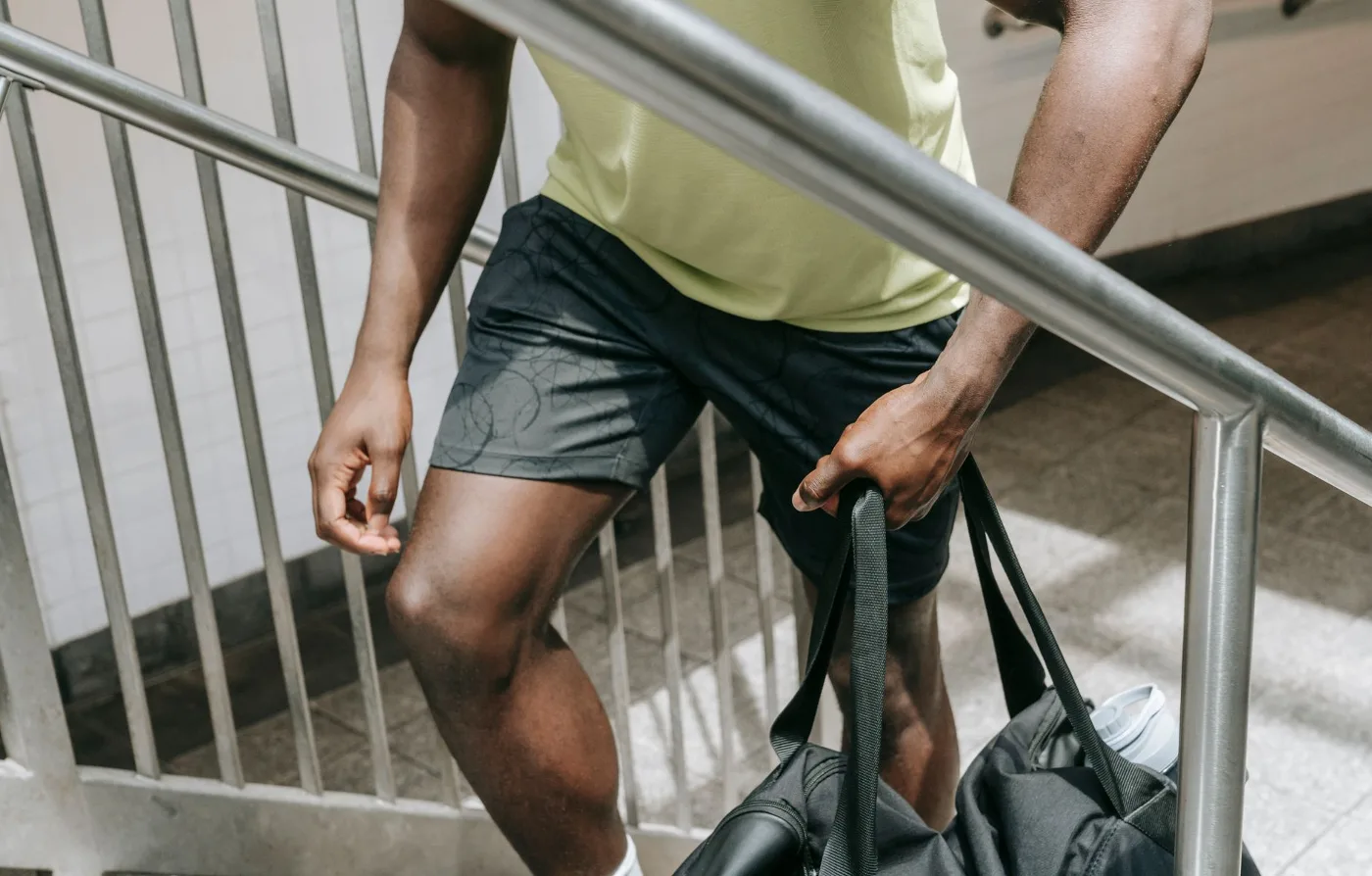
If you are searching for an Ogio gym bag, you are probably looking for a training bag that does more than hold a towel and water bottle. Ogio is often associated with organized, utility-driven bags, so the real question is not just whether the brand makes a gym bag, but whether its layout fits your routine. Best MMA Gym Bag: What to Look For offers more detail on this point.
The short answer: an Ogio gym bag makes the most sense if you want structure, separate compartments, and a bag that can move between the gym, office, and short trips without feeling sloppy. If your workout kit is minimal, a simpler duffel may be enough. If you carry shoes, clothes, toiletries, tech, or recovery gear, a more compartmentalized design can be easier to live with.
When an Ogio gym bag matters
An Ogio gym bag is worth paying attention to when your day does not start and end in the same place. That usually means a commute, a training session after work, weekend travel, or a routine where clean and sweaty gear need to stay separate. In those situations, the bag is not just storage; it is part of how smoothly your day runs.
It matters less if you only need a simple sack for a water bottle, lifting straps, and one change of clothes. In that case, extra compartments can feel unnecessary. The value of an Ogio-style gym bag is usually in organization, access, and the ability to keep different types of gear from turning into one tangled pile.
What to look at first: the details that affect daily use
Not every gym bag solves the same problem. Before choosing an Ogio bag, look at the features that actually affect your routine rather than the branding alone.
Storage layout
This is usually the biggest decision factor. A well-designed gym bag should make it easy to separate clean clothes from dirty ones, keep shoes away from shirts, and store smaller essentials where you can reach them quickly. If the bag has multiple pockets, the useful question is whether they are placed in a way that matches how you pack.
For example, a dedicated shoe compartment can be helpful if you regularly change at the gym. A separate pocket for a phone, keys, or wallet can also reduce the scramble at checkout, in the locker room, or at the office. On the other hand, too many tiny compartments can be annoying if you prefer one main cavity and fast packing.
Size and carry style
The right size depends on what you bring. A compact bag works for basic gym sessions, but a larger duffel can be more practical if you carry shower items, a change of shoes, a hoodie, and recovery tools. Oversizing is a common mistake because a half-empty bag can be bulky without adding real value. duffel bag size guide offers more detail on this point.
Carry style matters too. Some people want shoulder carry for quick access. Others prefer hand handles for short walks from the car. If you commute by transit or bike, a bag that stays balanced and does not swing awkwardly may matter more than raw capacity.
Material and durability
For a gym bag, durability is not just about surviving wear. It also affects how the bag handles regular friction, moisture, and being dropped onto locker room floors. Look for material choices that seem suited to repeated use and easy cleaning.
It is also worth considering whether the exterior feels like something you would be comfortable taking into a workplace or on a short flight. Some gym bags lean heavily athletic, while others look more neutral and travel-friendly. That can be a practical advantage if one bag needs to do double duty.
Comfort and handling
A gym bag can have all the right pockets and still be annoying if it is awkward to carry. Pay attention to strap comfort, handle placement, and whether the bag keeps its shape when partially filled. A bag that collapses into itself can make packing slower and finding items harder.
If you often carry shoes, lifting gear, or a laptop alongside gym items, weight distribution becomes more important. A bag that feels fine when empty may feel less convenient once it is fully loaded.
Moisture and cleanup
Gym bags live close to sweaty clothes, damp towels, water bottles, and sometimes shower products. A practical bag should be easy to wipe down or air out. If your routine includes post-workout showers or swimming, a wet pocket or isolated compartment can make a real difference.
This is an overlooked consideration: a bag can look perfect on paper but still be annoying if it traps odor or makes damp gear touch everything else. Ventilation and separation are often more valuable than decorative extras.
A simple way to choose the right Ogio gym bag
If you are deciding between models, a step-by-step filter works better than comparing every feature at once.
- Start with your loadout. List the items you actually carry most days: shoes, clothes, toiletries, towel, supplements, laptop, headphones, or recovery tools.
- Decide whether separation matters. If you regularly mix clean and dirty items, prioritize compartments over a single large opening.
- Match the size to your routine. Choose a bag that fits your normal day, not your rare packed-to-the-limit day.
- Check how you travel. If the bag moves between office, car, gym, and home, comfort and a cleaner profile matter more than pure sport styling.
- Consider maintenance. If you do not want to baby the bag, look for a design that is easy to wipe out, air out, and repack quickly.
This approach helps avoid one of the most common mistakes: buying a gym bag based on compartment count alone. More pockets are not automatically better. The best bag is the one that matches the way you actually live.
Examples of who benefits most from this kind of bag
Different users need different things from an Ogio gym bag. Here are a few real-world use cases where this style tends to make sense.
The after-work athlete
If you go straight from the office to the gym, a bag that keeps work items and training gear separate can be a major convenience. You may want a cleaner exterior, space for a laptop or tablet, and quick access to keys, wallet, and headphones.
The frequent weekend traveler
A bag that works as both a gym duffel and short-trip carry is useful if you prefer one bag instead of two. In this scenario, organizational pockets matter because the same bag may hold toiletries, socks, chargers, and a change of clothes.
The regular lifter
If your gear is focused on lifting shoes, a belt, straps, chalk accessories, and apparel, you may benefit from a bag with a simple main compartment and a few targeted pockets. Overcomplicated organization can slow you down; the best setup is usually the one that keeps the essentials visible and separated.
The all-day commuter
If the bag goes on public transit or sits under a desk, low-profile design and comfortable carry matter. A gym bag that looks too oversized or too flashy may feel out of place. A more structured Ogio-style bag can be a better fit for mixed-use days.
Trade-offs to keep in mind
No gym bag does everything perfectly. The main trade-off with a more organized Ogio-style bag is that added structure can reduce flexibility. A highly compartmentalized layout may feel ideal when your routine is consistent, but less ideal if you often pack random items or bring unusually bulky gear.
There is also the question of access. More organization can mean less rummaging, but it can also mean more zippers, more sections to remember, and more time spent deciding where each item belongs. If you want speed above all else, a simpler bag may be better.
Another practical limitation is weight. Extra structure, padding, or hardware can make a bag feel more substantial before you even pack it. That may be fine for car travel, but less attractive if you carry everything on foot.
Good alternatives if an Ogio gym bag is not the right fit
If the Ogio style is close but not quite right, a few alternatives are worth considering.
- Simple duffel bags for minimal packers who want one large compartment and fewer zippers.
- Backpack-style gym bags for hands-free commuting, biking, or crowded transit.
- Hybrid work-gym bags if you carry a laptop and business items alongside training gear.
- Compact shoe-compartment duffels if footwear separation is the only feature you really need.
- Water-resistant training bags if cleanup and moisture control matter more than interior organization.
The best alternative is not the one with the most features. It is the one that removes friction from your routine.
A practical checklist before you buy
Use this quick checklist to decide whether an Ogio gym bag fits your needs.
- Do I need separate space for shoes or dirty clothes?
- Will this bag also work for commuting or short travel?
- Is the size appropriate for my normal load, not my heaviest one?
- Do I prefer a structured bag or a softer, more flexible duffel?
- Will I be comfortable carrying it when fully packed?
- Is it easy enough to clean and air out after workouts?
- Does the layout match the way I pack, or does it force me into a new system?
If most answers lean yes, the bag is probably a strong fit. If several answers are uncertain, you may be better served by a simpler or more specialized option.
What buyers often underestimate
A common misconception is that the best gym bag is simply the one with the most compartments. In practice, the best bag is the one that makes your routine faster and cleaner. That may mean one large pocket with a few well-placed dividers rather than a heavily segmented interior.
Another overlooked detail is how the bag feels after a month of use. Organization only helps if you can remember where everything goes and if the layout does not become annoying once your routine settles in. A bag should support habits, not create new chores.
Finally, think about the long-term role of the bag. If you need one item to cover the gym, work, and weekend travel, a more versatile design may be worth it. If the bag only serves a single purpose, you may not need to pay for features you will never use.
An Ogio gym bag can be a smart buy for people who value order, versatile carry, and a more polished everyday training bag. The best choice comes down to your gear, your commute, and how much organization you actually want to manage. Focus on layout, size, comfort, and ease of cleaning, and you will have a much better chance of choosing a bag that still feels useful long after the novelty wears off. best bags for the gym and commute offers more detail on this point.