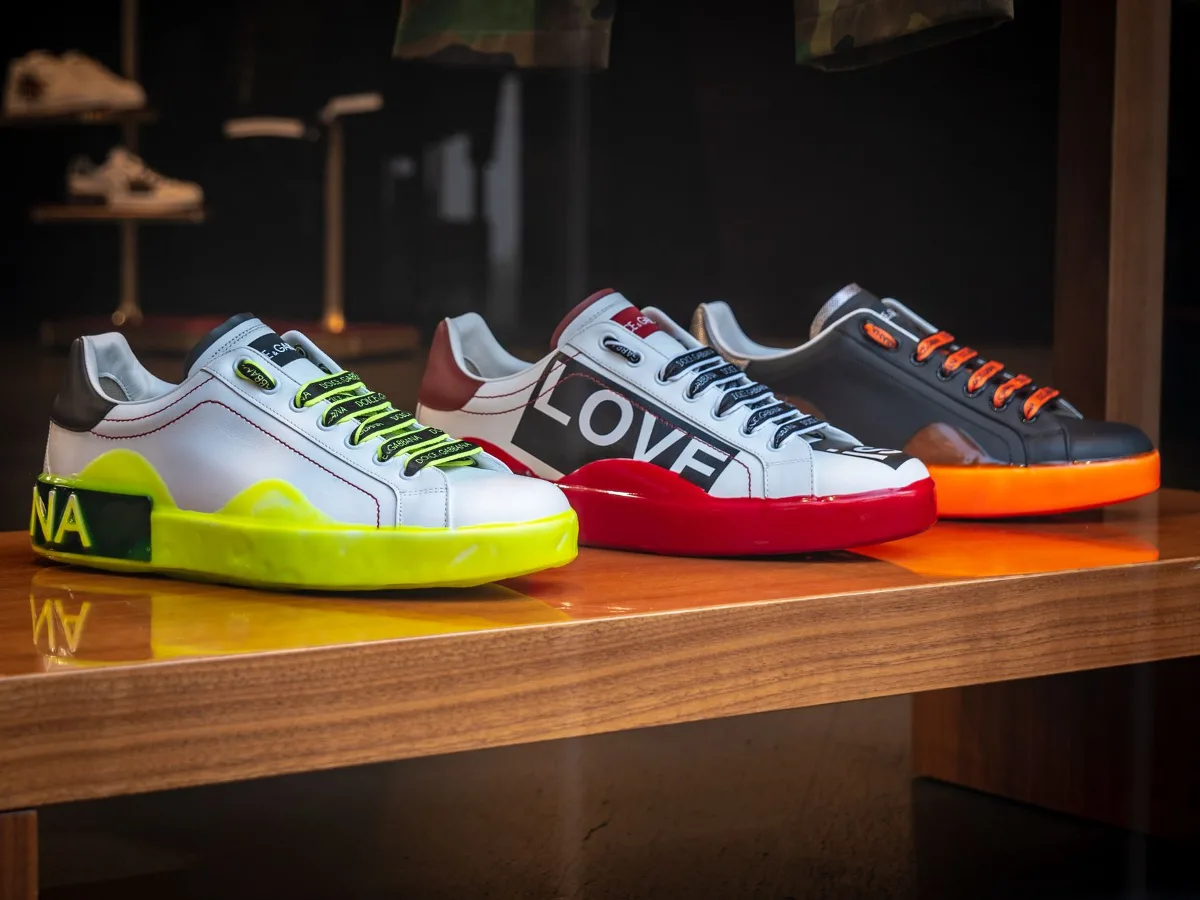
Chanel sneakers are best for buyers who want fashion-first luxury footwear
Chanel sneakers appeal to shoppers who want more than a basic trainer. They are usually considered for their brand identity, polished materials, and the ability to bridge casual outfits with a more elevated finish. If you are deciding whether they make sense for you, the real question is not simply whether they look good. It is whether the design, fit, materials, and care requirements match how you plan to wear them. adidas sneakers offers more detail on this point.
For many buyers, Chanel sneakers make the most sense as a wardrobe piece with a strong style role rather than a purely performance-driven shoe. That difference matters. If you want a daily walking shoe with technical cushioning, there are better options. If you want a luxury sneaker that can sharpen denim, trousers, or casual dresses, Chanel sits in a different category. Isabel Marant Sneakers: Buyer’s Guide offers more detail on this point.
Who should consider Chanel sneakers?
Chanel sneakers are a strong fit for a few buyer profiles. The first is the style-focused shopper who wants recognizable luxury branding without moving into formal shoes. The second is someone building a wardrobe around versatile designer basics and wants a sneaker that can dress up easily. The third is a buyer who cares about materials, finishing, and brand cachet as much as function.
They may be less suitable if your priority is maximum comfort, athletic support, or easy replacement. Luxury sneakers often trade some practicality for appearance, exclusivity, and craftsmanship details. That trade-off is not a flaw; it is simply the point. The best purchase decision comes from understanding where those priorities sit for you.
The trade-offs that matter most
The biggest mistake shoppers make with Chanel sneakers is treating them like standard lifestyle sneakers. They are not the same as a pair of everyday athletic shoes, and they should not be judged by the same standards. The styling payoff can be significant, but so can the cost, upkeep, and sensitivity to wear.
- Style advantage: They can instantly elevate simple outfits and add a polished designer edge.
- Practical limitation: They are not the best choice for heavy walking, gym use, or rough weather.
- Care burden: Premium materials usually need more attention than synthetic casual sneakers.
- Value trade-off: The appeal is often tied to brand and design rather than technical performance.
A useful way to think about Chanel sneakers is as a wardrobe accent with utility, not a utility shoe with fashion appeal. That framing helps prevent disappointment later.
Material and construction details to examine
For any luxury sneaker, materials are one of the clearest indicators of how it will wear, feel, and age. With Chanel sneakers, shoppers often pay close attention to the outer materials, lining, sole construction, and visible finishing because these details affect both comfort and long-term upkeep.
Upper materials
Depending on the style, Chanel sneakers may use leather, suede, mesh, knit-like textiles, or mixed materials. Each has a different practical profile. Leather tends to feel more structured and usually offers a refined look, but it may need conditioning and protection from moisture. Suede is visually rich but more vulnerable to staining and weather. Textile and mixed-material uppers can feel lighter, though they may require more frequent cleaning to stay fresh.
Soles and support
Luxury sneakers often prioritize silhouette and design over aggressive cushioning. That does not mean they are uncomfortable, but it does mean you should look closely at how much support you personally need. If you have a high arch, sensitive feet, or a job that involves long periods of standing, the fit and insole feel matter more than the logo.
The sole profile also affects wear. A flatter sole may look sleek with tailored pieces, while a more substantial sole can provide a sportier appearance and sometimes a bit more underfoot forgiveness. Neither is universally better; the right choice depends on how you dress and how you move.
Weight and structure
Some designer sneakers feel more substantial than mainstream casual sneakers. That can be part of the luxury feel, but it may also change how they wear over a full day. A heavier shoe can feel stable, while a lighter shoe may be easier for all-day use. The best approach is to judge weight alongside your normal walking habits, not in isolation.
Fit and sizing deserve careful attention
Fit is one of the most overlooked considerations in luxury footwear because shoppers can get focused on design and brand. With Chanel sneakers, it is wise to treat sizing as a decision factor, not an afterthought. Small fit issues become more noticeable when a shoe has a premium price and a precise silhouette.
Look at whether the model seems narrow, standard, or more generous in shape. Consider sock thickness, foot width, and whether you prefer a snug or slightly relaxed fit. If you often size differently across sneaker brands, take extra care. Designer shoes can vary by style in a way that surprises even experienced buyers.
A common misconception is that expensive sneakers automatically fit better. In reality, fit depends on the specific last, materials, and construction. A beautiful shoe that pinches at the forefoot or slips at the heel is not a good purchase, regardless of label.
Authenticity should be part of the buying process
For Chanel sneakers, authenticity is not a side issue. It is central to the buying decision, especially if you are shopping resale, pre-owned, or through a marketplace. Since the category attracts strong demand, the risk of questionable listings is real.
Buyers should look for consistency across the listing, seller reputation, product photos, box details, and documentation if available. Pay attention to materials, logo placement, stitching consistency, and overall finish, but do not rely on one detail alone. Counterfeit listings can mimic visible features while still falling short in finer construction points.
If you are uncertain, use only reputable sellers with clear return policies and transparent item descriptions. A lower price is not a bargain if it comes with uncertainty about authenticity or condition.
Condition matters even more on resale pairs
Pre-owned Chanel sneakers can be appealing, but condition changes the equation quickly. Soles, insoles, interior lining, and upper materials all influence value and wearability. Light cosmetic wear may be acceptable for a shoe you plan to use casually, while deeper creasing, sole wear, or staining may change whether the pair is worth it.
One practical nuance is that some damage is harder to see in listing photos than others. Interior wear, odor, hidden scuffing, and uneven sole wear can be missed unless the seller provides close, well-lit images. If those details are not visible, ask for them before you commit.
How to think about styling before you buy
Chanel sneakers are most useful when they match your actual wardrobe. If your clothing leans toward denim, relaxed tailoring, monochrome basics, knit sets, or casual dresses, the shoe may integrate easily. If your wardrobe is heavily sporty or extremely minimal, a more understated sneaker might make more sense.
Consider the visual weight of the shoe. Some Chanel sneakers read sleek and refined, while others look more fashion-forward or statement-driven. A more prominent design can be a great choice if you want the sneaker to carry an outfit. A quieter design may be better if you want versatility across several looks.
Another overlooked point is proportion. Chunkier sneakers often balance wide-leg trousers, cropped jeans, or larger outerwear well. Slimmer profiles can work better with tailored pants or fitted hems. Thinking about proportions before you buy prevents the common problem of owning a beautiful shoe that never quite feels right with the rest of your closet.
Maintenance and storage are part of the cost
Luxury sneakers reward regular care. That does not mean they are fragile, but they do usually benefit from more deliberate maintenance than everyday canvas or synthetic pairs. Depending on the materials, you may need to brush suede, wipe leather carefully, manage moisture, and store the shoes with shape support if appropriate.
Storage also matters. Heat, sunlight, damp environments, and crush-prone closets can all shorten the useful life of premium footwear. If you buy Chanel sneakers, plan for a storage routine that keeps them clean, dry, and protected from unnecessary friction.
This is one area where buyers sometimes underestimate the total ownership experience. The purchase price is only part of the equation. If the shoe requires regular care that you are unlikely to maintain, a lower-maintenance alternative may fit your lifestyle better.
When Chanel sneakers make sense versus alternatives
There are good reasons to buy Chanel sneakers, and there are also good reasons to choose something else. That decision depends on what you value most.
- Choose Chanel sneakers if: you want a luxury fashion statement, material refinement, and strong styling versatility.
- Choose a more technical sneaker if: you need support, cushioning, and day-long walking comfort.
- Choose a quieter designer sneaker if: you want a premium look with less visible branding.
- Choose a less expensive luxury-inspired shoe if: you like the silhouette but prefer lower maintenance and lower commitment.
Alternatives can be smart if you are exploring the look before committing to a premium price point. You may find that a different designer house, a more understated luxury sneaker, or a well-made contemporary brand fits your needs better.
Common mistakes buyers make
Several errors come up repeatedly in this category. The first is buying for the label alone and ignoring whether the shoe fits the rest of the wardrobe. The second is assuming all luxury sneakers will feel equally comfortable. The third is overlooking maintenance needs, especially for lighter colors and delicate materials. luxury sneaker buying guide offers more detail on this point.
Another common mistake is choosing the wrong occasion profile. A sneaker that looks refined enough for city errands may still be the wrong choice for heavy travel days or unpredictable weather. Finally, shoppers sometimes skip verification steps when buying resale because the style is tempting. That is a costly shortcut.
What to do next before you commit
Before buying Chanel sneakers, use a simple decision check. Confirm the style works with your actual clothes, not just your wish list. Review sizing guidance carefully. Examine materials and how much care they will require. Decide whether you are buying for fashion value, everyday wear, or a mix of both. Then compare that goal against the practical realities of resale risk, maintenance, and comfort expectations.
If the answer is still yes after those checks, you are probably buying for the right reasons. If not, you may be better served by a different luxury sneaker, a lower-maintenance designer shoe, or a more performance-oriented option.
FAQs
Are Chanel sneakers good for everyday wear?
They can be, if your daily routine is mostly light-to-moderate wear and you value style as much as function. If you need heavy walking support, a more technical sneaker may be a better fit.
Do Chanel sneakers run true to size?
That depends on the specific model and your foot shape. Luxury sneakers can vary by silhouette, so it is better to check model-level sizing guidance and seller notes rather than assume consistency.
Are Chanel sneakers worth buying secondhand?
They can be, especially if you want a more accessible entry point into the category. Just make condition and authenticity the priority, since both strongly affect value.
How should I care for Chanel sneakers?
Care depends on the materials, but the basics are gentle cleaning, protection from moisture, and careful storage. Suede and lighter finishes usually need more attention than darker or more durable surfaces.
What should I compare before buying a pair?
Compare fit, materials, sole comfort, styling versatility, condition, authenticity, and how much maintenance you are willing to do. Those factors matter more than the logo alone.