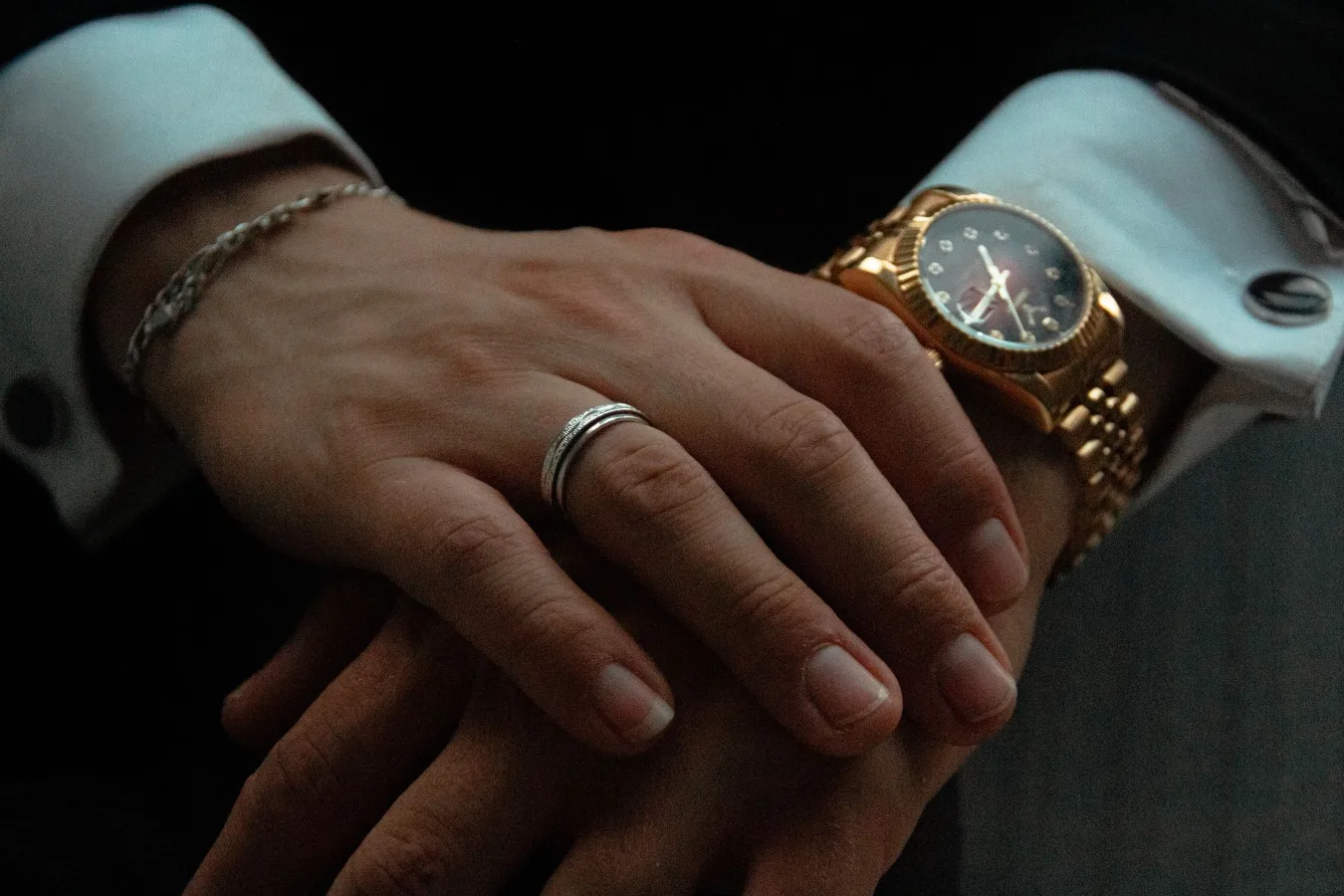
For most shoppers, gold bracelets for men 18k make sense when you want a bracelet that feels noticeably more substantial than fashion jewelry without moving all the way into the softer, higher-maintenance world of 22K or 24K gold. An 18K bracelet is a strong middle ground: rich in gold content, elegant in color, and versatile enough for both daily wear and dressier outfits.
The right choice, though, is not just about purity. For men’s bracelets, the real decision comes down to style, construction, fit, clasp security, and how you plan to wear it. A bracelet that looks refined in a showcase can feel awkward on the wrist if the length is wrong, the profile is too bulky, or the link design does not suit your routine. how to choose a bracelet fit offers more detail on this point.
Who 18K gold bracelets suit best
18K gold bracelets are a strong match for buyers who want genuine fine jewelry with a luxurious look and a practical balance of durability and prestige. They tend to suit men who prefer understated confidence over flashy design, although there are also bolder link styles for those who want more presence. care tips for fine gold jewelry offers more detail on this point.
This category is especially relevant if you are shopping for a bracelet that can move between settings: work, evenings out, weddings, and special occasions. A well-chosen 18K bracelet can also work as a signature piece, especially in classic yellow gold.
- Best for: buyers seeking a real-gold bracelet with a refined finish
- Best for: people who want a premium gift with lasting value appeal
- Best for: those who prefer jewelry that feels dressy but still wearable
- Less ideal for: buyers who want maximum scratch resistance or a very low-budget option
One common misconception is that higher karat automatically means “better” for every bracelet. In practice, the best karat depends on the item’s design and how hard it will be worn. For bracelets, especially men’s link styles, 18K often offers a more practical balance than softer high-karat gold.
The main trade-offs before you buy
Shopping for 18K gold means accepting a few trade-offs. That is normal, and understanding them early helps prevent disappointment later.
Purity versus toughness
18K gold contains a high proportion of gold, which gives it a rich color and strong fine-jewelry appeal. At the same time, bracelets are exposed to daily friction: desks, cuffs, steering wheels, and door handles. That means the construction matters as much as the karat.
For men who are tough on accessories, a solid, well-made bracelet usually makes more sense than an overly delicate design. If the bracelet is thin, hollow, or heavily detailed, it may be more vulnerable to dents or distortion.
Luxury look versus everyday practicality
18K gold has a more elevated appearance than many lower-karat options, but that same richness can make it more noticeable. Some men want that. Others prefer a subtler profile that blends into daily wear. Before buying, think about whether you want the bracelet to be the focal point or a supporting piece.
Price sensitivity versus long-term value
Fine gold jewelry usually sits at a higher price point than plated or fashion alternatives. Even within 18K bracelets, value varies depending on weight, craftsmanship, chain style, and brand positioning. A heavier piece may feel more substantial, but it also changes the budget equation. The right move is to compare design and construction rather than assuming heavier always equals better.
Material and construction factors that matter most
For men’s bracelets, material details are not background information. They determine how the bracelet looks, feels, and wears over time.
Yellow gold, white gold, or rose gold
Yellow gold is the classic choice and usually the easiest to recognize as traditional fine jewelry. It pairs well with warm skin tones and works especially well in curb, Figaro, rope, and link bracelets. yellow gold jewelry basics offers more detail on this point.
White gold has a cooler, brighter look. It can suit men who wear silver-tone watches, cufflinks, or rings and want a more coordinated metal palette. Because white gold is often finished to achieve its bright appearance, maintenance may matter more over time.
Rose gold is less traditional for men’s bracelets but can look excellent if you want something distinctive without being overly ornate. It often reads as modern rather than classic.
Solid, hollow, or semi-solid construction
This is one of the most overlooked parts of buying a men’s bracelet. Two bracelets can look similar from a distance and feel very different in daily use.
- Solid construction generally feels more substantial and tends to hold up better to regular wear.
- Hollow construction can reduce weight and cost, but it may be less forgiving if the bracelet gets bumped or crushed.
- Semi-solid or partially filled designs sit somewhere in between, but quality varies, so careful evaluation is essential.
If the bracelet will be worn often, a more robust build usually makes the better long-term choice. If the piece is mainly for occasional wear, some buyers may prioritize appearance and comfort over maximum heft.
Link style and visual weight
The bracelet’s link pattern changes both the look and the way it wears. Some styles sit flat and clean, while others have more movement and visual texture.
- Curb links offer a classic, masculine profile and tend to sit smoothly on the wrist.
- Figaro links add rhythm and visual interest without becoming overly ornate.
- Rope chains create a more textured, noticeable look.
- Box chains can feel modern and structured.
- Wheat or Byzantine styles lean more decorative and may appeal to buyers who want a statement piece.
If you already wear a gold chain, one practical approach is to match or complement its link family rather than choosing a completely different visual language. That creates a more cohesive look without feeling too coordinated.
Clasp design and security
Bracelet clasps deserve more attention than they usually get. A secure clasp is not just a convenience issue; it helps protect the bracelet from accidental loss.
Common clasp types include lobster clasps, box clasps, and hidden or integrated closures. The best choice depends on bracelet weight, link style, and how easy you want it to be to put on without help. A bracelet that is difficult to fasten can become a bracelet you stop wearing.
Fit: the detail that changes everything
Fit determines whether a bracelet feels polished or annoying. A men’s bracelet should usually have a little movement without sliding so much that it catches on everything. The exact feel depends on the style, but the goal is a secure, natural drape.
A bracelet that is too tight can pinch, twist, and feel restrictive. One that is too loose can rotate constantly or slip over the hand too easily. If possible, think about how the bracelet will sit with a watch, shirt cuff, or other wristwear.
For buying online, pay close attention to the bracelet’s length, closure type, and whether the listing accounts for the clasp in the measurement. That small detail can affect real fit more than buyers expect.
- Measure a bracelet you already wear comfortably if you have one
- Consider wrist shape; some wrists need a different feel even at the same circumference
- Allow for daily swelling and seasonal changes in comfort
- Think about stacking if the bracelet will be worn with a watch or chain bracelet
One practical nuance: men often choose bracelets based on appearance alone, then realize the clasp or link size makes the piece feel heavier than expected. A bracelet that suits your wrist proportion is often more wearable than a larger, more dramatic one.
Style scenarios: how different buyers usually approach 18K bracelets
The best bracelet depends on the scenario, not just the material.
For everyday wear
If the bracelet will be worn regularly, prioritize comfort, secure construction, and a design that does not snag easily. Smooth curb links, moderate width, and a reliable clasp are often the safest bet. For many buyers, this is where understated yellow gold works best.
For dress wear or formal settings
A cleaner bracelet with a polished finish usually works better than an oversized or heavily textured design. White gold can also fit formal wardrobes well, especially when paired with a dress watch or other cool-tone accessories.
For a statement look
If the goal is visual presence, broader links or more intricate patterns may be more suitable. The trade-off is that statement bracelets can feel less versatile and may be harder to pair with some outfits.
For gifting
Gift buyers should think less about trend and more about wearability. A bracelet that matches the wearer’s existing jewelry, watch color, and style preferences is usually a safer purchase than a highly distinctive piece chosen for novelty alone.
What to compare before making a final decision
When comparing gold bracelets for men in 18K, these are the most useful decision factors:
| Factor | Why it matters | What to look for |
|---|---|---|
| Karat and metal color | Affects color, prestige, and overall look | Yellow, white, or rose gold that matches your wardrobe |
| Construction | Influences durability and feel | Solid or otherwise robust build for regular wear |
| Link pattern | Defines the visual style | Curb, Figaro, rope, box, or similar pattern |
| Weight and profile | Changes comfort and presence | Balanced size that suits wrist proportions |
| Clasp | Security and ease of use | Reliable closure that is easy enough to wear often |
| Finish | Shapes the final appearance | Polished, satin, or textured depending on preference |
This comparison is useful because many shoppers focus on the word “18K” and miss the real differences between bracelets. Two 18K bracelets can differ dramatically in usability depending on the details above.
Common mistakes buyers make
Men shopping for gold bracelets often make the same avoidable mistakes:
- Choosing by karat alone and ignoring construction quality
- Buying a style that is too bold for everyday wear
- Overlooking fit and ending up with a bracelet that rotates or pinches
- Assuming all gold-tone bracelets are the same without checking whether the piece is solid gold, gold-filled, or plated
- Ignoring clasp quality, which can affect security and ease of wear
- Picking a bracelet that conflicts with a watch or other daily accessories
Another overlooked issue is maintenance. A bracelet that looks effortless in product photos may require more care than expected if it has polished surfaces, intricate links, or a finish that shows wear more readily.
Care and long-term maintenance
18K gold bracelets do not require complicated upkeep, but they do benefit from consistent care. Gold is still a jewelry material, not armor, and bracelets encounter more surface contact than pendants or earrings.
Routine care usually means wiping the bracelet gently after wear, storing it separately to reduce scratching, and avoiding exposure to harsh chemicals when possible. If the bracelet has intricate links or a specific finish, checking the piece periodically for wear around the clasp and joints is a sensible habit.
If you wear the bracelet often, regular inspection matters. A loose clasp, stretched link, or bent section is easier to address early than after a piece becomes uncomfortable or unsafe.
Practical next steps for buyers
If you are ready to shop, use a simple decision order:
- Choose the metal color that fits your wardrobe and watch collection.
- Decide on the link style based on how bold or understated you want the bracelet to be.
- Prioritize construction if the bracelet will be worn often.
- Check fit details before you compare appearance too closely.
- Confirm clasp security and how easy the bracelet will be to wear regularly.
- Compare maintenance expectations so the bracelet stays wearable over time.
If you are unsure where to begin, a classic yellow gold curb or Figaro bracelet in 18K is often a practical starting point. Those styles are familiar, versatile, and usually easier to integrate into a man’s existing wardrobe than more decorative alternatives.
If you want something more individual, look at box chains, rope patterns, or mixed-metal pairings. Just keep the same standards: comfortable fit, dependable construction, and a design that still feels relevant after the novelty wears off.
For buyers comparing several options, the smartest question is not simply “Which gold bracelet looks best?” It is “Which bracelet will still make sense after months of wear?” That framing leads to better decisions, especially in fine jewelry where value depends as much on usability as on appearance.