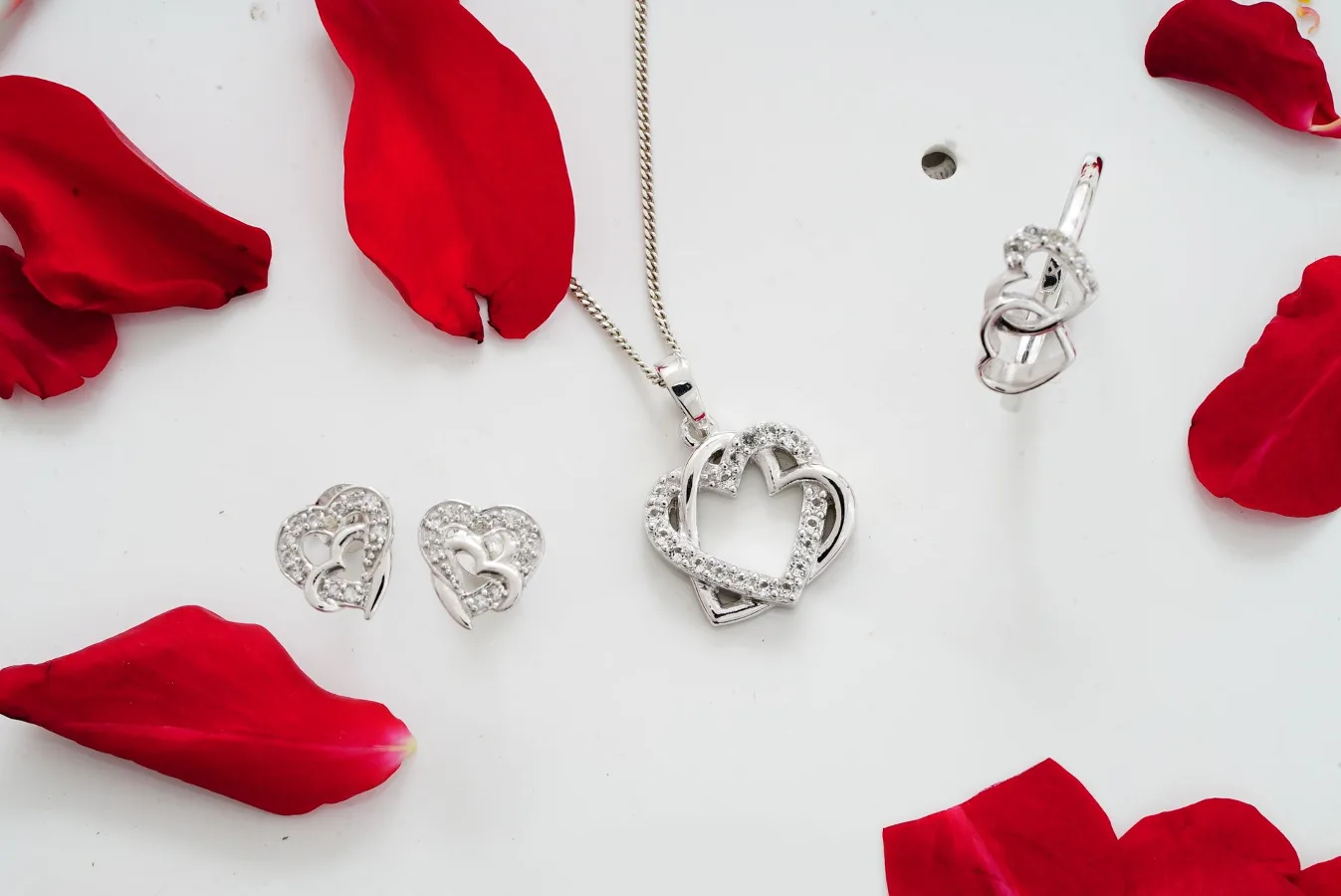
A silver heart necklace is one of the easiest jewelry pieces to shop for and one of the easiest to get wrong. The right one should feel comfortable, suit the person’s style, and hold up well to regular wear. The wrong one can look pretty online but feel flimsy, scratch easily, or sit awkwardly at the neckline.
If you are comparing options for yourself or choosing a gift, focus on four things first: silver quality, chain style, pendant design, and how it will be worn. Those choices matter more than a polished product photo.
What makes a silver heart necklace worth buying
At its best, a silver heart necklace works as both jewelry and symbol. Some people want a subtle daily piece. Others want something sentimental for an anniversary, birthday, graduation, or Valentine’s Day. That difference changes what to look for.
The phrase itself can cover several types of necklaces, including sterling silver pendants, silver-plated designs, and pieces with heart-shaped charms or lockets. Those options may look similar at first glance, but they behave differently over time. A buyer who wants long-term wear should look beyond the shape and into the material and construction. guide to pendant necklace lengths offers more detail on this point.
One common misconception is that all silver-colored necklaces are essentially the same. They are not. Surface appearance alone does not tell you whether a necklace will resist tarnish, keep its shine, or feel substantial enough for regular use.
Start with the silver type
The most important decision is the metal itself. If the listing says sterling silver, that usually means the piece is made with a silver alloy rather than pure silver. That matters because pure silver is too soft for most jewelry. Sterling silver is widely used for pendants and chains because it balances beauty with everyday durability.
Silver-plated jewelry is a different category. It can look attractive and may cost less, but the outer layer can wear down over time, especially on pieces exposed to friction, sweat, perfume, and frequent cleaning. If you want a necklace for occasional wear or a short-term gift, plating may be acceptable. If you want a piece to keep and wear often, sterling silver is usually the more practical starting point.
Some buyers also encounter terms like fine silver, oxidized silver, or rhodium-plated silver. Each has a different visual effect or maintenance profile. Oxidized finishes create a darker, more antique look, while rhodium plating can help reduce tarnish and brighten the surface. The trade-off is that finishes can change the look of the original silver and may eventually need care or reapplication depending on wear.
Pay attention to the pendant design
Heart necklaces range from tiny minimalist outlines to bold puffed hearts, lockets, engraved pendants, and more decorative gemstone-accented styles. The right pendant depends on the wearer’s style and how often the piece will be used.
For everyday wear
Smaller, smoother designs tend to be easier to live with. They are less likely to snag on clothing and often feel more balanced on a delicate chain. A simple polished heart or open-heart pendant can work well if the goal is a subtle accessory that pairs with most outfits.
For gifting
If the necklace is meant as a gift, sentiment matters as much as style. Engraving, a locket, or a design with a slightly more personal feel can make the piece more memorable. Still, it helps to keep the recipient’s taste in mind. A highly ornate pendant is not a safe choice for someone who usually wears clean, understated jewelry.
For layering
If the necklace will be worn with other chains, choose a pendant that is not too heavy or bulky. Layering works best when one piece has a clear role in the stack. A small silver heart necklace often serves as the focal point while the other chains add length or texture. how to choose a necklace chain offers more detail on this point.
Choose a chain that matches the pendant and the wearer
The chain matters as much as the heart itself. A necklace can look elegant in a product photo and still feel fragile, twist easily, or sit poorly if the chain is mismatched to the pendant.
Delicate chains such as cable or box styles are often used for smaller pendants. They can look refined, but they may not be ideal for very active wearers or larger charms. More substantial chains can support heavier pendants better, though they may lose some of the airy look people want from a heart necklace.
Length is another practical factor. Shorter lengths sit higher and can feel more visible with open necklines. Longer lengths often feel more relaxed and are easier to layer. If you are buying as a gift and do not know the person’s preference, a middle-length chain is often the safer choice because it tends to be more versatile.
Clasp design also deserves attention. A secure clasp matters for a necklace that will be worn regularly, especially if the wearer often removes and puts on jewelry alone. Small decorative chains may look elegant, but they can be frustrating if the clasp is difficult to fasten.
Think about finish and color tone
Silver jewelry is not always the same shade of silver. Some pieces are bright and mirror-like. Others are brushed, matte, antique, or lightly oxidized. That finish can change the overall feel of the necklace dramatically.
A high-shine finish reads more classic and polished. A brushed finish feels softer and less reflective, which may suit minimalist wardrobes. Oxidized accents can make the heart shape stand out with more contrast, but they also create a more specific aesthetic that may not match every outfit.
For buyers who want a necklace to pair easily with most jewelry, a straightforward polished sterling silver finish is usually the most flexible choice. If the person already wears mixed metals or textured jewelry, a more distinctive finish may be the better fit.
Comfort and wearability matter more than most shoppers expect
One overlooked consideration is how the pendant sits against the body. A necklace can look charming in the hand but shift, flip, or catch in real use. The bail, chain weight, and pendant thickness all affect comfort.
If the heart has sharp edges or a substantial profile, it may not sit as flat as expected. That is not necessarily a flaw, but it does affect wearability under sweaters, scarves, and fitted tops. For someone who wants a true everyday necklace, smoother edges and a lighter profile are usually easier to live with.
Comfort also includes skin sensitivity. Many buyers look for nickel-free or hypoallergenic options when possible, especially if they have reacted to costume jewelry before. Product descriptions can be inconsistent, so it helps to read the material details carefully rather than assuming any silver-toned piece will be gentle on the skin.
Match the necklace to the real use case
The best silver heart necklace depends on how it will be worn. A piece chosen for sentimental keepsake use is not the same as one meant for office wear or daily layering.
| Use case | What to prioritize | What to avoid |
|---|---|---|
| Everyday wear | Sterling silver, secure clasp, smooth pendant edges, comfortable chain length | Overly delicate construction, bulky charms, difficult clasps |
| Gift giving | Versatile style, thoughtful design, adjustable length if available | Too-trendy styles that may not suit the recipient |
| Layering | Lightweight pendant, balanced proportions, medium chain length | Heavy charms or chains that tangle easily |
| Occasional wear | Decorative finish, expressive design, lower-maintenance expectations | Expecting plated jewelry to behave like solid silver |
This kind of practical sorting often prevents buyer’s remorse. A necklace that is perfect for sentimental storage may be inconvenient for frequent wear. A lightweight, easy-care design is usually better for someone who wants to put it on and forget about it.
Understand the maintenance trade-offs
Silver jewelry needs some care if you want it to stay attractive. Tarnish is a normal part of owning silver, especially when pieces are exposed to air, moisture, cosmetics, and storage conditions. That does not make the necklace low quality. It just means silver is a material that rewards routine care.
For a silver heart necklace, maintenance usually comes down to a few habits: storing it dry, keeping it away from lotions and fragrance when possible, and cleaning it gently with suitable materials. A soft polishing cloth is often enough for light dullness. More delicate or detailed pieces may need extra care around crevices.
If convenience is a top priority, consider whether a finish designed to slow tarnish would be useful. The trade-off is that surface treatments can change the exact look of the silver. Some buyers prefer the natural aging of untreated sterling silver, especially if they like a softer patina over time.
Common mistakes shoppers make
Many buyers focus on the heart shape and ignore the details that determine satisfaction. These are the most common pitfalls:
- Buying by appearance only. A necklace that looks beautiful online may be too delicate, too shiny, or too small in person.
- Assuming all silver is equal. Sterling silver, plated jewelry, and mixed-metal pieces have different wear expectations.
- Overlooking chain strength. A lovely pendant is frustrating if the chain feels flimsy or the clasp is unreliable.
- Ignoring the wearer’s style. Romantic does not always mean ornate; many people prefer a simple silhouette.
- Forgetting maintenance. Silver looks best when buyers accept that some care will be part of ownership.
Another practical mistake is choosing a pendant that is too tiny to feel meaningful or too large to wear comfortably. Scale matters. The right size depends on the body, neckline, and personal style of the person wearing it.
How to narrow the choices quickly
If you are comparing several silver heart necklaces, a simple decision path can help:
- Choose the silver type first. For regular wear, sterling silver is usually the most balanced choice.
- Match the style to the purpose. Minimal for daily wear, more expressive for gifting or occasional use.
- Check the chain. Make sure the chain looks strong enough for the pendant and comfortable enough for the wearer.
- Review finish and size. Decide whether you want bright polish, matte texture, or a more vintage look.
- Consider care expectations. Pick a piece whose maintenance level fits the user’s routine.
This approach keeps the decision grounded in real use instead of only aesthetics. A necklace that fits the wearer’s routine will usually feel more valuable than one chosen purely for its photo appeal.
Good alternatives if a silver heart necklace is not quite right
Sometimes the heart shape is correct, but silver is not the best material or finish for the situation. In that case, it helps to know the most common alternatives.
Gold heart necklaces can suit warmer skin tones or wardrobes that already lean toward gold-tone jewelry. Rose gold offers a softer, more romantic look. Heart lockets are a stronger choice when sentimental value matters more than minimalism. And if the wearer prefers a modern, layered look, a plain silver chain with a small charm may feel more versatile than a dedicated heart pendant. heart necklace gold offers more detail on this point.
There is also the option of staying with silver but changing the design. An open-heart outline can feel lighter and more contemporary than a solid heart. A tiny engraved disc with a heart motif may work better for someone who wants symbolism without a literal pendant shape.
Final buying guidance
The best silver heart necklace is the one that fits the wearer’s routine, style, and expectations. If you want the safest all-around choice, look for sterling silver, a comfortable chain, a smooth pendant, and a finish that suits everyday use. If the necklace is a gift, aim for a design that feels personal without being overly specific or trend-driven.
Romantic jewelry should still be practical. A well-chosen silver heart necklace does not need to be flashy to feel special. It just needs to be wearable, well made, and appropriate for the person who will actually wear it.