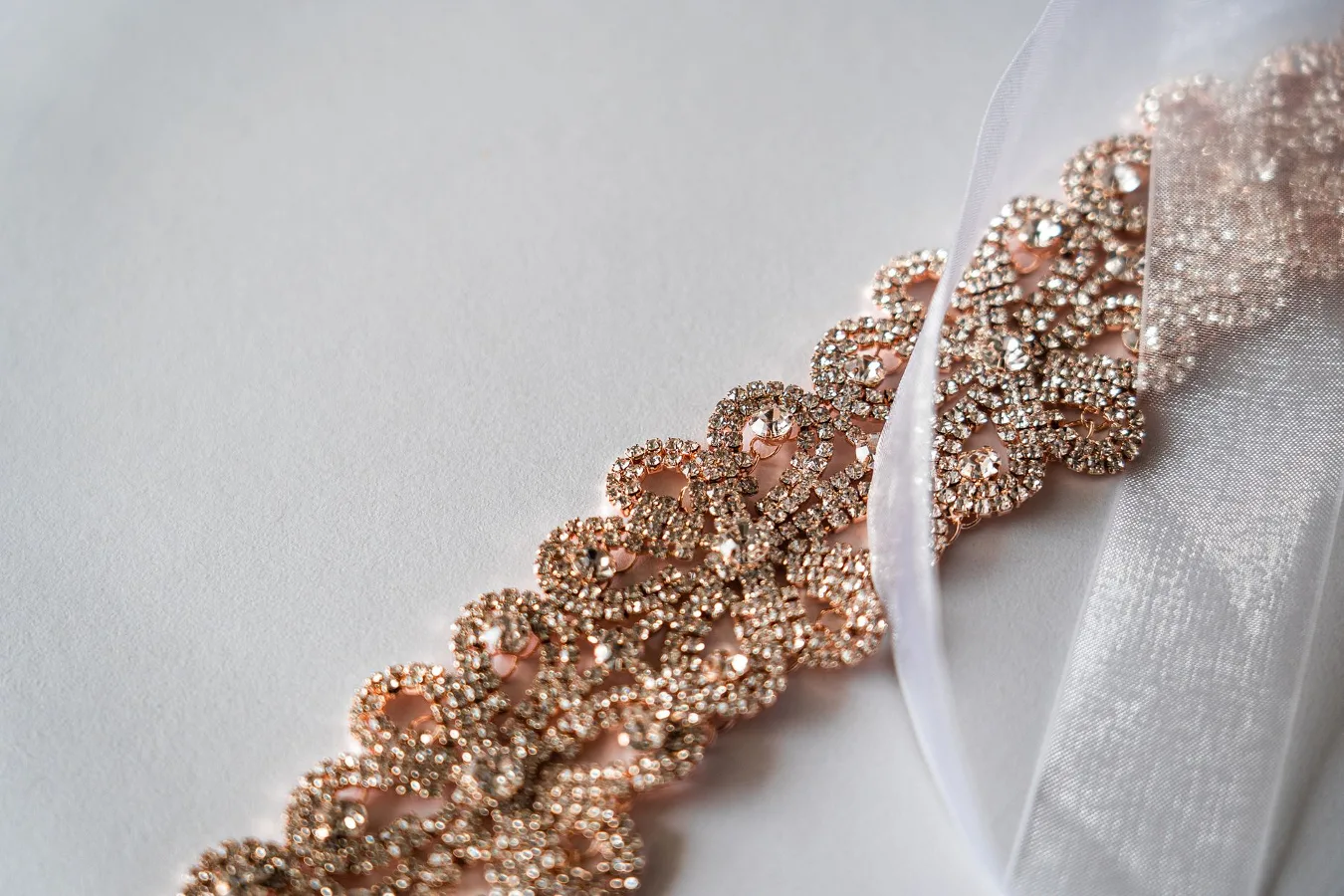
Why a rose gold necklace stands out
A rose gold necklace is popular because it bridges the gap between classic gold and cooler silver tones. The soft pink cast feels polished without looking severe, which is part of why it works so well for everyday wear, gifting, and layering. Rose Gold Engagement Rings: A Buyer’s Guide offers more detail on this point. radiant cut engagement rings offers more detail on this point.
If you are trying to decide whether rose gold is right for you, the first question is usually less about trend and more about versatility. The best piece should suit your skin tone, wardrobe, neckline preferences, and how much care you are willing to give it.
Rose gold is not a single look. It can appear subtle and blush-like, or richer and more copper-toned depending on the alloy and finish. That variation matters, especially if you are comparing solid gold, plated options, or different karat levels.
The main factors that matter before you buy
1. Chain style changes the whole feel
The chain is not just the support for a pendant; it determines the necklace’s overall personality. A fine cable chain tends to feel minimal and delicate. A curb or rope chain looks more substantial. A box chain usually reads as clean and structured. Each one creates a different balance between elegance and visibility.
If you want a necklace you can wear daily without it dominating an outfit, a thinner chain often makes the most sense. If the necklace is supposed to be the focal point, a bolder chain or a larger pendant will have more presence.
2. Length affects comfort and styling
Necklace length influences how the piece sits on the body and what clothing it pairs with best. Shorter lengths tend to rest near the collarbone and can look neat with open necklines or layered looks. Mid-length chains are often easier to wear with a wider range of tops and dresses. Longer necklaces can elongate the torso visually and work well over sweaters or simple dresses. necklace chain length guide offers more detail on this point.
The right length depends on the neckline you wear most often. A necklace that looks ideal on a pendant display may sit awkwardly on your body if it fights with collars, crew necks, or high necklines.
3. Solid rose gold and plated finishes are not the same
This is one of the most overlooked considerations. A rose gold necklace may be made from solid rose gold, filled gold, vermeil, or a plated base metal. These options can look similar at first glance, but they differ in durability, care needs, and long-term value.
Solid rose gold generally offers the best durability and the most consistent color over time, but it is usually the higher-investment choice. Plated necklaces can be appealing if you want the look for occasional wear, but they are more likely to show wear with frequent use, friction, moisture, and time.
If you are buying for daily wear, think about how much maintenance you are comfortable with. If you want a special-occasion piece or a trend-led style, plated options may be perfectly practical.
4. Pendant size should match your wardrobe, not just your taste
A pendant that seems elegant in isolation may feel too small under a sweater or too large for a refined work look. Scale matters. Smaller pendants often suit minimal styling, while larger stones, medallions, initials, or symbolic charms create more visual emphasis.
It helps to think about the clothing you wear most. If your style leans simple, a tiny pendant or plain chain can add polish without competing with your outfit. If you usually wear plain tops and want the necklace to do more of the work, a larger pendant may be the more functional choice.
5. Finish changes the tone
Some rose gold necklaces have a highly polished shine, while others have a softer satin or brushed finish. High shine feels dressier and can catch light more dramatically. Matte or brushed finishes tend to look more understated and modern.
The finish also affects how visible small scratches may be. A mirrored surface can show wear more quickly, while a textured finish may conceal minor marks better.
Practical ways to choose the right one
Match the necklace to how often you will wear it
For everyday wear, comfort and durability matter more than novelty. Look for a chain that feels secure, a clasp that is easy to handle, and a length that works with your routine. A necklace that constantly twists, catches on clothing, or feels too fragile will spend more time unworn than admired.
For occasional wear, you can prioritize appearance more freely. A delicate plated design or a more decorative pendant may make sense if the necklace will be worn for events, dinners, or photos rather than all-day use.
Consider skin sensitivity and metal details
Not every rose gold necklace will suit sensitive skin in the same way. The alloy composition, base metal, and any plating can matter as much as the visible finish. If you know your skin reacts to certain metals, look closely at the product details rather than assuming the pink color means it will be gentle.
Also pay attention to clasp hardware, jump rings, and extender chains. Those small components may be less visible, but they can influence comfort and wearability just as much as the main chain.
Think about layering before you buy
Layering is one of the easiest ways to wear rose gold, but not every necklace stacks well. A good layering piece usually has enough visual clarity to stand on its own while remaining light enough to sit alongside other chains.
For layered looks, differences in length, texture, and pendant scale are useful. Mixing a plain chain with a small pendant and a slightly heavier chain creates separation without clutter. If all the pieces have the same length, they can tangle or compete visually.
Choose a pendant story that fits the person or occasion
Rose gold necklaces are often bought as gifts because the color feels thoughtful and broadly flattering. Even so, the pendant choice should reflect the wearer’s style rather than the giver’s assumptions. Initials, birthstones, hearts, lockets, bars, and symbolic charms each send a different message.
A common mistake is choosing a highly specific motif that looks meaningful in theory but does not fit the wearer’s wardrobe. A simpler design often has more staying power, especially when the recipient has a classic or minimalist style.
Style guidance for everyday wear
Rose gold works especially well with warm neutrals, black, white, denim, navy, soft pinks, and earthy tones. It can also sit beautifully against richer fabrics such as silk, satin, and knitwear because the color adds warmth without overwhelming the look.
If you wear mixed metals, rose gold can act as a bridge tone between silver and yellow gold. That makes it easier to incorporate into an existing jewelry wardrobe. The key is consistency in finish and proportion. A very dainty rose gold necklace may look lost next to oversized silver hoops, while a bold chain may feel too heavy if everything else is fine and minimal.
For professional settings, a simple rose gold chain or small pendant tends to be the safest choice. For casual wear, layering and texture give you more room to experiment. For evening looks, a rose gold necklace with a subtle shimmer or a polished pendant can add warmth without looking overly formal.
Limitations worth keeping in mind
Rose gold has a distinctive color, but that does not mean it is universally flattering in every design. Very pale rose tones can disappear on some skin tones if the chain is extremely fine. Very copper-rich tones may feel stronger or more rustic than expected. And because the shade varies, two necklaces labeled rose gold may look noticeably different.
Another limitation is maintenance. Even durable necklaces benefit from careful storage and occasional cleaning. Chains can kink, pendants can scratch, and plated finishes can wear unevenly if they are exposed to lotions, perfumes, sweat, or frequent friction.
It is also worth noting that rose gold is not always the best option if you want a piece that disappears into an outfit. Its warmth is part of the appeal, but that same warmth makes it more visually present than some silver-toned alternatives.
How to compare options without overcomplicating the decision
If you are stuck between several rose gold necklaces, compare them in this order:
- Wearability: Will you actually reach for it often?
- Construction: Is the chain sturdy enough for the intended use?
- Length: Does it work with your usual necklines?
- Finish: Do you want a bright polish or a softer look?
- Material: Is the durability level appropriate for your budget and wear pattern?
- Design balance: Does the pendant or chain feel proportionate on the body?
This approach helps you avoid choosing based only on the first visual impression. A necklace that photographs beautifully may still be inconvenient in daily life if the clasp is awkward or the length is too restrictive.
Common mistakes shoppers make
- Buying based on color alone and ignoring material quality.
- Choosing a length that clashes with the wardrobe they wear most.
- Assuming all rose gold finishes are equally durable.
- Picking a pendant that is too large for daily wear or too small for the intended setting.
- Overlooking chain thickness, clasp type, and extender length.
- Forgetting that plated pieces may need more careful handling than solid metal options.
These mistakes are easy to make because necklace photos usually focus on the front view. In real use, comfort, movement, and wear resistance matter just as much as appearance.
When a rose gold necklace is the best choice
A rose gold necklace is a strong option if you want jewelry that feels softer than yellow gold, warmer than silver, and easy to wear with both casual and dressed-up outfits. It is especially appealing if you like feminine tones without wanting something overly bright or flashy.
It is also a smart pick if you want a gift with broad appeal. Rose gold tends to sit in a comfortable middle ground: distinctive enough to feel special, neutral enough to blend into many jewelry collections.
If your priorities are low-maintenance wear, everyday durability, and lasting value, the material and construction deserve as much attention as the color. If your priorities are style, versatility, and a flattering warm tone, rose gold is often one of the easiest necklace finishes to work with.
The best choice is usually the one that matches your lifestyle first and your aesthetic second. If those line up, the necklace will feel effortless rather than occasional.