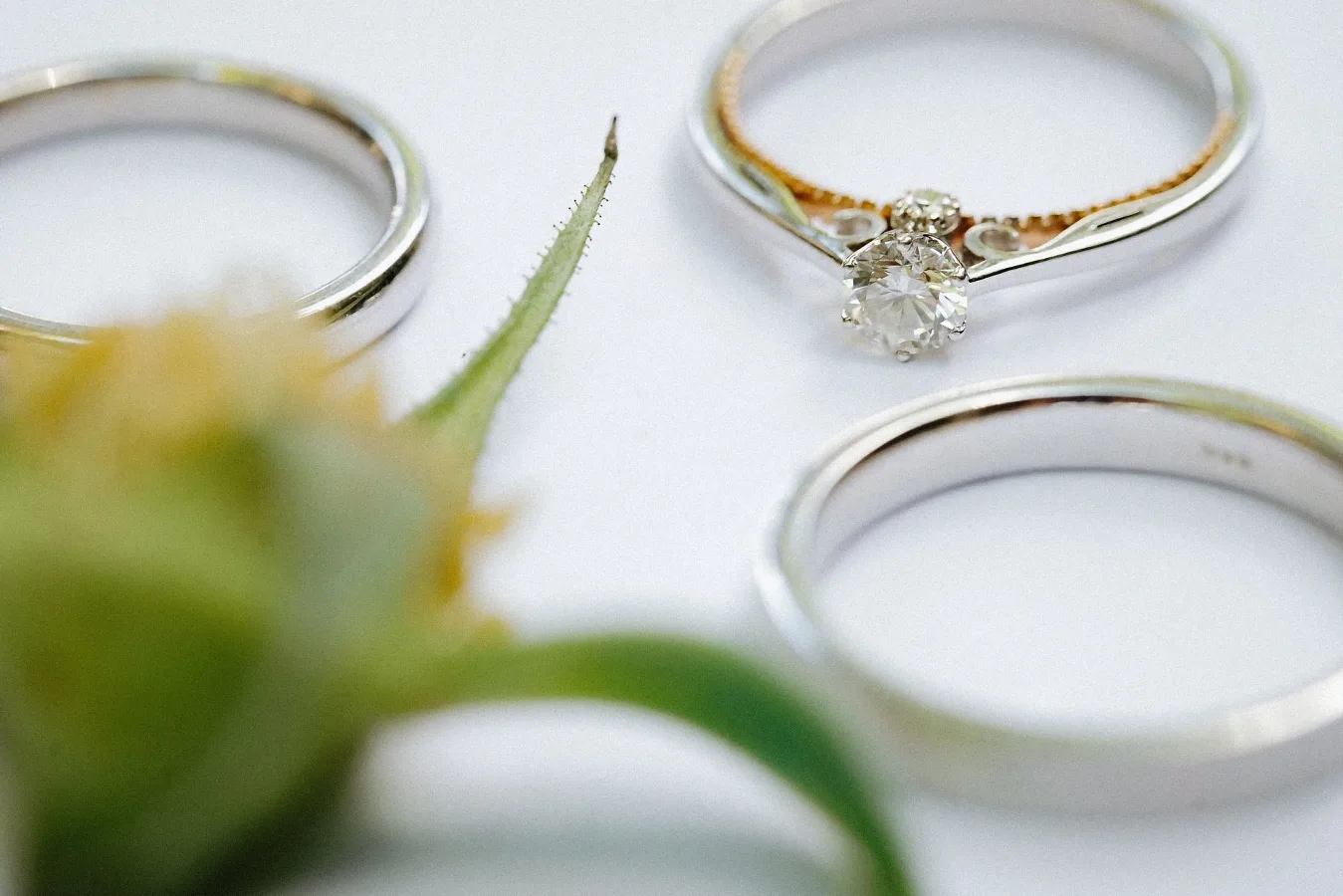
Classic engagement rings are the styles people return to again and again because they look balanced, feel familiar, and age well over time. If you want a ring that will still make sense years from now, the classic route usually means a clean center stone, a refined setting, and details that do not depend on a passing trend. nature inspired engagement rings offers more detail on this point.
The appeal is straightforward: classic designs are easier to wear every day, easier to pair with a wedding band, and less likely to feel dated later. That does not mean they all look the same. The category includes solitaires, three-stone designs, understated halos, and simple pavé bands, each with its own trade-offs in appearance, maintenance, and budget.
What makes an engagement ring feel classic?
“Classic” usually refers to design choices that have stayed popular across generations. The look tends to be clean rather than ornate, proportioned rather than oversized, and versatile enough to work with many personal styles.
A classic engagement ring often has some combination of the following qualities:
- A center stone that remains the focal point
- A setting that supports the stone without overwhelming it
- Balanced proportions between the head, band, and stone
- Traditional metals such as platinum, white gold, yellow gold, or rose gold
- Details that feel elegant rather than decorative for decoration’s sake
That simplicity is part of the value. A classic ring can look formal, casual, or modern depending on the metal, stone shape, and setting. It also tends to work well with future changes, such as stacking a wedding band or adding an anniversary ring later.
The most common classic styles
Classic does not mean limited. The main styles below are the ones most often associated with timeless engagement ring design, but each can be tailored in subtle ways.
Solitaire
The solitaire is the simplest classic engagement ring: one center stone, usually held by prongs or a bezel, with no distracting side stones. Its strength is clarity. The eye goes directly to the main diamond or gemstone, which makes the shape and cut especially important.
This style works well for people who want an understated look or prefer a ring that feels easy to coordinate with other jewelry. The trade-off is that a solitaire depends heavily on the quality of its proportions. A narrow band can make the center stone appear larger, while a wider band can create a more grounded look.
Three-stone
The three-stone ring is another classic choice. It usually pairs a center stone with two smaller side stones, creating a balanced look with a little more visual presence than a solitaire. The design is often chosen for symbolic reasons as well, though the symbolism is less important than the overall shape and scale.
Compared with a solitaire, a three-stone ring adds sparkle and width. That can be appealing if you want more coverage across the finger. The main limitation is practical: the setting may be slightly wider and may require more careful matching of the side stones so the ring stays visually cohesive.
Simple pavé band
A pavé band uses small accent stones set closely together along the shank. In a classic context, the accent work is usually restrained, not overly dramatic. This style gives the ring extra sparkle without changing the overall shape too much.
The compromise is maintenance. Smaller stones and more setting points can mean more cleaning and a greater need for periodic inspection. For someone who wants a ring with a refined shine but still relatively timeless appeal, pavé can be a strong middle ground.
Low-profile halo
Halo rings are not always described as strictly classic, but a subtle halo can fit within a timeless design when the proportions are controlled and the center stone remains the focus. A low-profile halo can add brightness and make the center appear larger without becoming visually busy.
The caution here is taste and longevity. Halo rings can feel more tied to a particular era than solitaires or three-stone designs, so the look should be chosen with care if long-term versatility matters most.
How to compare classic engagement rings
Choosing between classic styles is less about finding the “best” ring and more about identifying which trade-offs fit the wearer’s lifestyle, hand shape, and preferences. A polished decision usually comes down to a few practical factors.
| Factor | Why it matters | What to think about |
|---|---|---|
| Stone shape | It changes the overall mood of the ring | Round looks traditional, oval feels elongated, cushion softens the look, emerald feels more architectural |
| Setting | It affects security, profile, and maintenance | Prongs show more of the stone; bezels offer a more protected edge |
| Metal | It influences color, wear, and upkeep | Platinum, white gold, yellow gold, and rose gold each age differently |
| Band width | It changes comfort and visual balance | Thin bands can feel delicate; thicker bands can feel sturdier and more substantial |
| Daily wear | It affects how the ring handles real life | Active routines may call for a lower profile and a more secure setting |
One overlooked consideration is how the ring will look alongside a wedding band. Some classic engagement rings sit flush with a band easily, while others create a gap unless the band is contoured. That small detail can affect both appearance and long-term satisfaction.
Metal choice matters more than many shoppers expect
Metal is often treated as a finishing detail, but it changes the ring’s look and feel in a meaningful way. For classic engagement rings, the most common choices are platinum, white gold, yellow gold, and rose gold. common engagement ring mistakes offers more detail on this point.
Platinum is often chosen for its bright, cool tone and substantial feel. It is a natural fit for a timeless look, especially with round brilliant or oval center stones. Its color pairs well with diamonds, though the finish can develop a lived-in look over time.
White gold creates a similar visual effect at a lighter weight and is a common classic choice. Its appearance may need periodic upkeep to preserve the bright white finish many shoppers expect.
Yellow gold gives classic rings a warmer, more traditional character. It can make certain diamond shapes and stone colors stand out beautifully, especially in designs that lean toward vintage-inspired simplicity.
Rose gold is softer and more romantic in tone. It can still feel classic, especially in clean solitaire or three-stone settings, but it has a slightly more distinctive personality than platinum or white gold.
The best metal is usually the one that suits both the wearer’s style and their maintenance preferences. A ring that is admired but rarely worn is not a practical success.
Stone shape and setting style shape the whole impression
Classic engagement rings are often defined by the relationship between stone shape and setting. A round brilliant stone in a four- or six-prong solitaire feels traditional for a reason: it is simple, symmetrical, and easy to read visually. An emerald cut in a sleek bezel feels more refined and architectural. An oval in a slim prong setting feels graceful without losing a timeless edge.
There is no universal best shape. Instead, think about the kind of presence you want.
- Round: the most familiar classic option, with balanced sparkle
- Oval: a traditional shape with a slightly softer, lengthened look
- Cushion: rounded corners and an old-world feel
- Emerald: understated, structured, and elegant
- Pear: less traditional but still compatible with classic styling when kept simple
Settings matter just as much. Prong settings show more of the center stone and are commonly used in classic designs. Bezel settings frame the stone and can feel cleaner and more protective, though they change the overall look. Basket settings can lift the stone slightly while keeping the profile relatively refined.
Where classic rings can fall short
Classic rings are a safe and versatile choice, but “safe” is not the same as perfect. The biggest drawback is that some classic designs can feel generic if they are chosen without attention to proportions. A ring may be technically timeless while still looking flat or uninspired.
Another limitation is personalization. People sometimes assume classic means limited expression, but the real issue is that subtle details matter more. Band thickness, prong style, stone ratio, and metal tone all have a noticeable effect. If those details are ignored, the ring may not feel distinctly right.
Maintenance is another reality. Very open settings can snag more easily. Pavé bands need more monitoring than a plain band. Softer metals may show wear differently. A classic ring should fit daily life, not just a mood board.
Mistakes to avoid when shopping for a classic engagement ring
- Choosing a style only because it is popular. Popular does not always mean best for your hand, wardrobe, or routine.
- Ignoring the wedding band. A beautiful engagement ring can become frustrating if it does not pair well with the band you want later.
- Overlooking comfort. A high setting or sharp edge may look elegant but feel impractical during daily wear.
- Focusing only on the center stone. The setting, metal, and proportions change the ring’s overall quality of wear.
- Assuming all classic rings are low maintenance. Simple designs can still require care, especially if they include accent stones.
- Buying too quickly based on photos alone. Scale is difficult to judge online, and classic rings depend heavily on proportion.
A practical way to avoid regret is to compare a few different styles side by side: one plain solitaire, one with side stones, and one with a cleaner decorative detail. That makes it easier to see whether the preference is truly for simplicity or for a specific kind of sparkle.
How to narrow the choice with confidence
If you are shopping for classic engagement rings, start with how the ring needs to work, not just how it should look. That means thinking about daily habits, wardrobe, and how much maintenance feels reasonable. engagement ring maintenance tips offers more detail on this point.
Use these questions as a filter:
- Do you want the center stone to be the clear focus?
- Would you prefer a low-profile ring that feels secure?
- Should the ring sit flush with a wedding band?
- Do you want more sparkle, or do you prefer a restrained look?
- How much upkeep are you comfortable with?
If you want the most timeless, flexible option, a well-proportioned solitaire is often the easiest place to start. If you want more visual presence without moving too far from tradition, a three-stone ring or a restrained pavé band can be a better fit. If protection and clean lines matter most, a bezel or low-profile setting deserves serious consideration.
The strongest classic ring is not necessarily the simplest one. It is the one whose shape, setting, and metal work together in a way that feels natural now and still feels right later.
Classic engagement rings and long-term value
Long-term value in jewelry is not only about resale potential. For most buyers, it means the ring continues to feel wearable, appropriate, and attractive over time. Classic engagement rings tend to perform well on that front because they avoid overly specific trends and adapt well to changing tastes.
That said, value depends on more than design. A timeless ring that is uncomfortable, too delicate for daily wear, or hard to pair with a band can become a poor buy despite the style itself. A modest ring that suits the wearer perfectly is often the more durable choice in every sense that matters.
For shoppers building a broader jewelry collection, classic engagement rings also anchor the rest of the bridal set. Their quiet versatility makes them easier to style with wedding bands, anniversary bands, and everyday fine jewelry without competing for attention.
If you want a ring that feels elegant without being tied to a short-lived trend, classic is still one of the smartest directions to explore. The key is to treat “classic” as a design language, not a shortcut. The best results come from paying attention to shape, proportion, comfort, and how the ring will actually be worn.