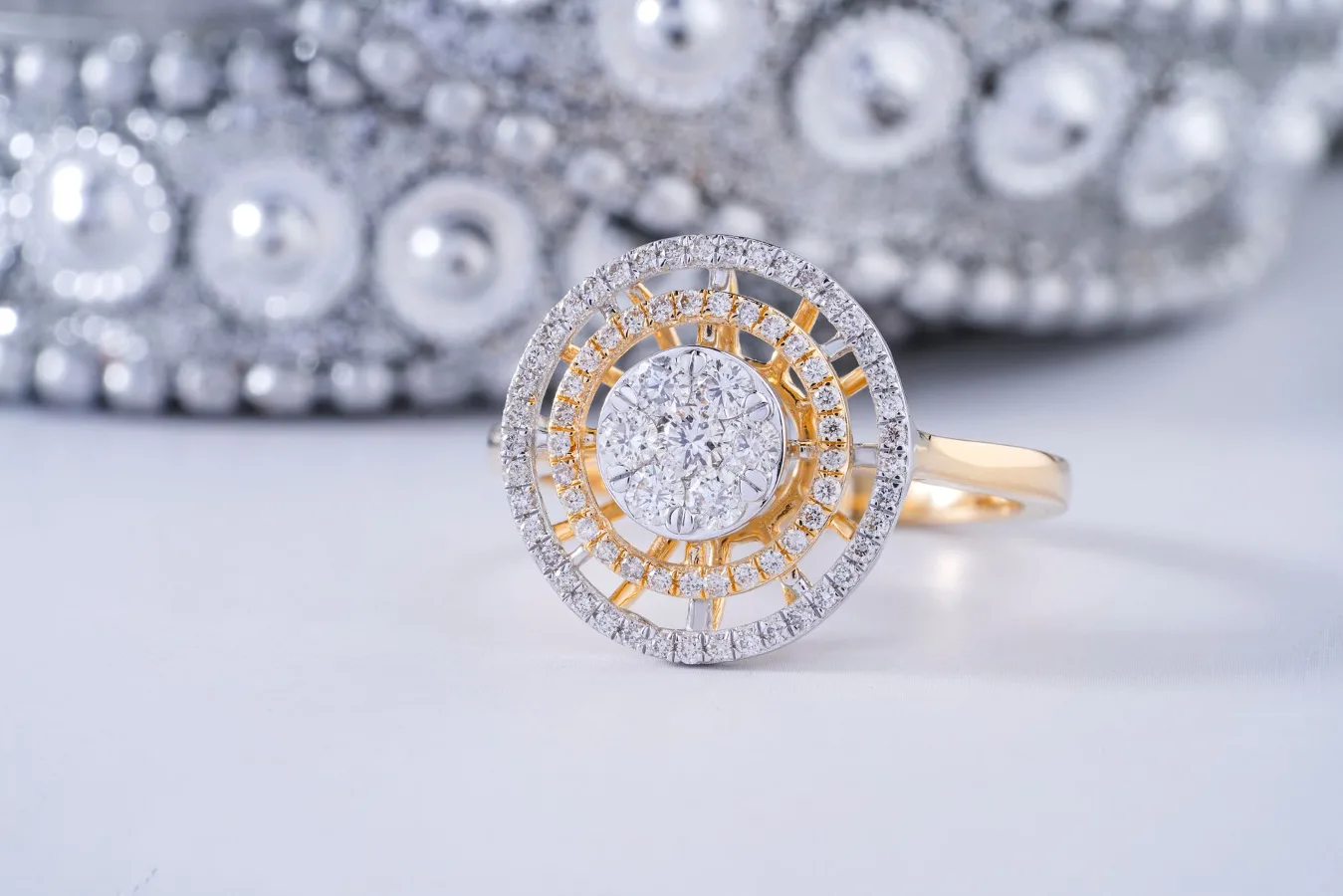
Quick answer: why choose a round engagement ring?
A round engagement ring is the most classic and widely versatile choice for a center stone. The round shape is favored because it works in many settings, suits a broad range of hand shapes, and pairs easily with future wedding bands. For many shoppers, it is the safest option if they want a ring that feels timeless rather than trend-driven. engagement ring settings explained offers more detail on this point.
The main reason people choose round engagement rings is flexibility. You can make the design look delicate, substantial, modern, or vintage depending on the setting, metal, and accent details. The trade-off is that round stones are often in high demand, so the price can reflect that popularity, especially at larger sizes or with premium cut quality. Radiant Cut Engagement Rings: Buyer’s Guide offers more detail on this point.
If you are comparing options, focus less on the shape alone and more on how the ring is built around it. The setting, band width, prong style, and stone proportions all affect how the ring wears day to day.
What makes round engagement rings so popular
Round stones have a long history in bridal jewelry because they are adaptable. A round center stone can look equally at home in a simple solitaire, a halo design, a three-stone ring, or a more ornate pavé setting. That makes it an easy starting point if you want room to personalize the final look. solitaire vs halo rings offers more detail on this point.
Another reason they remain common is visual balance. The symmetrical shape tends to feel familiar and polished, which appeals to shoppers who want a ring that will still feel appropriate years from now. That same symmetry can also help the stone sit cleanly in many setting styles.
Round engagement rings also tend to be easy to style with other jewelry. They usually work well with plain bands, diamond wedding bands, and many stackable ring combinations. For people who want fewer compatibility headaches later, that is a real advantage.
How to compare round engagement rings
Buying a round engagement ring is not just about choosing a stone shape. A good comparison looks at how the center stone, setting, and metal work together. The details below matter because they influence appearance, durability, comfort, and long-term satisfaction.
Cut quality and sparkle
For round stones, cut quality has an outsized impact on appearance. This is the feature that most directly affects how much light the stone returns to the eye. A well-cut round stone often looks bright and lively because its facets are arranged to maximize brilliance.
Shoppers sometimes assume all round stones sparkle the same, but that is a common misconception. Two stones can look very different depending on how they were cut. If sparkle is a priority, cut quality deserves as much attention as size.
Setting style
The setting changes the personality of the ring more than many buyers expect. A solitaire keeps the look clean and uncluttered. A halo can make the center appear larger and create a more decorative profile. Pavé or side stones add extra brilliance, while a three-stone design adds symmetry and a bit more visual presence.
Setting style also affects maintenance. More accent stones usually mean more small surfaces to inspect and clean. A minimal setting can be easier to care for, while a more detailed design may need more frequent attention.
Prong count and security
Prongs influence both style and security. Four-prong settings can show more of the stone, while six-prong settings may feel more protective and give the round shape a slightly softer outline. Neither is automatically better. The right choice depends on the look you want and how much visual emphasis you want on the center stone.
For active wearers, prong style matters because it affects how exposed the stone sits. A more open setting can feel elegant, but a lower-profile or more protective build may be better for everyday wear.
Band width and metal color
The band can make a round engagement ring look delicate or substantial. A slimmer band often highlights the center stone, while a wider band adds presence and can feel more grounded. Metal color changes the mood too: white metals usually create a bright, modern feel, while yellow or rose gold can soften the overall look.
One overlooked consideration is balance. A very large center stone on an extremely thin band can look delicate, but it may also raise durability questions over time. The setting should support the stone visually and structurally.
Finger coverage and proportions
Round stones are known for their balanced appearance, but proportions still matter. Some buyers prefer a ring that makes the center stone look larger relative to the band, while others want a more restrained and elegant profile. The right choice depends on your finger size, hand shape, and personal style.
Proportion is also where online shopping can be tricky. A ring that looks bold in a product photo may feel more understated on the hand. Looking closely at the setting dimensions and band style can help prevent surprises.
Round engagement ring styles worth comparing
Round engagement rings can take many forms, and the setting often determines whether the ring feels classic, romantic, or contemporary. These are the most common directions shoppers compare.
- Solitaire: clean and timeless, with the center stone as the focus.
- Halo: adds surrounding accents for extra sparkle and a more dramatic look.
- Three-stone: offers balance and visual weight, often with meaningful symbolism.
- Pavé band: adds fine sparkle along the shank without overwhelming the center stone.
- Vintage-inspired: may include milgrain, filigree, or ornate detailing for a more decorative feel.
Each style has strengths and compromises. A solitaire is usually the easiest to live with and style over time. A halo can make a smaller center stone appear more prominent, but it also increases visual complexity. A pavé ring may deliver a more luxurious look, though it can require more care than a plain band.
Materials and durability considerations
For a ring intended for regular wear, durability matters as much as appearance. The metal you choose should fit your lifestyle, not just your color preference. Some metals are better suited to low-maintenance wear, while others may develop a patina or show scratches more readily.
If you want a ring that can handle frequent wear with fewer concerns, think about how often it will be exposed to handwashing, skincare products, work tasks, exercise, or travel. A ring that looks beautiful in a case may behave differently in daily use.
Comfort also matters. A rounded or lower-profile setting can be easier to wear under gloves or during daily tasks. Higher settings can make the stone more visible, but they can also catch more easily on clothing or other surfaces.
Common mistakes to avoid
Many shoppers focus on the center stone shape and overlook the ring as a complete design. That can lead to regrets later. A better approach is to think through how the ring will be worn every day.
- Choosing on shape alone: a round stone is versatile, but the setting can change the ring completely.
- Ignoring cut quality: sparkle depends heavily on how the stone was cut, not just on its shape.
- Overlooking band balance: an overly delicate band may not suit a larger or more prominent center stone.
- Assuming all halos look the same: halo size and spacing can shift the look from subtle to very noticeable.
- Not thinking about the wedding band: some settings sit flush with a band, while others create a gap.
- Forgetting daily wear needs: high-profile or intricate designs may require more caution.
A particularly common mistake is buying a style that photographs beautifully but does not suit everyday habits. If you work with your hands or prefer minimal maintenance, a simpler round engagement ring may be the better long-term choice.
How round engagement rings compare with other shapes
Round engagement rings are often chosen by buyers who want a classic and flexible design. Compared with fancy shapes such as oval, emerald, cushion, pear, or marquise, round stones usually feel more traditional and symmetrical. They also tend to suit a wide range of settings without much adjustment.
The main limitation is that round stones can feel less distinctive if you want a more fashion-forward silhouette. Buyers who want something more elongated, antique-looking, or unconventional may prefer a different shape. Round is not the only timeless option, but it is often the most universally accepted.
If you are torn between round and another shape, consider how much emphasis you want on individuality versus versatility. Round rings are easier to style across changing tastes, while more distinctive shapes can feel more personal from the start.
Who round engagement rings suit best
Round engagement rings are a strong choice for buyers who want a ring that is easy to wear, easy to pair, and unlikely to feel dated quickly. They are especially well suited to someone who values classic design, strong sparkle, and broad styling flexibility.
They are also a practical option for shoppers who want a design with fewer compatibility concerns. Because the shape is so common, jewelers usually offer many setting variations, which makes it easier to find a match for different budgets and preferences.
That said, they may not be the best fit for someone who wants a less traditional look or a shape that feels more unusual. In those cases, an oval, cushion, or emerald cut may better match the style goal.
Shopping checklist for round engagement rings
Before making a final choice, it helps to compare a few practical details side by side. This keeps the focus on how the ring will actually look and wear, not just how it appears in a product photo.
- Choose the setting style that matches your day-to-day use.
- Compare prong count and how exposed the stone will feel.
- Check how the band width balances the center stone.
- Think about whether you want a ring that sits low or high on the hand.
- Consider how the ring will pair with a future wedding band.
- Decide whether you want a minimal, decorative, or more visible profile.
- Look at maintenance needs before choosing more intricate detailing.
For many buyers, the best round engagement ring is not the one with the most sparkle on paper. It is the one that fits the wearer’s habits, comfort level, and long-term style better than the alternatives.
Final buying guidance
Round engagement rings are popular for good reason: they are adaptable, balanced, and easy to make personal through the setting. The best version of this classic style is the one that fits the wearer’s routine, not just their initial preference.
If you want a timeless ring with broad appeal, a round center stone is hard to beat. If you want something more distinctive, you may still prefer a different shape. Either way, comparing cut quality, setting style, metal, and everyday wearability will lead to a better purchase than focusing on size alone.
That practical approach is what separates a ring that looks good in a display case from one that still feels right years later.