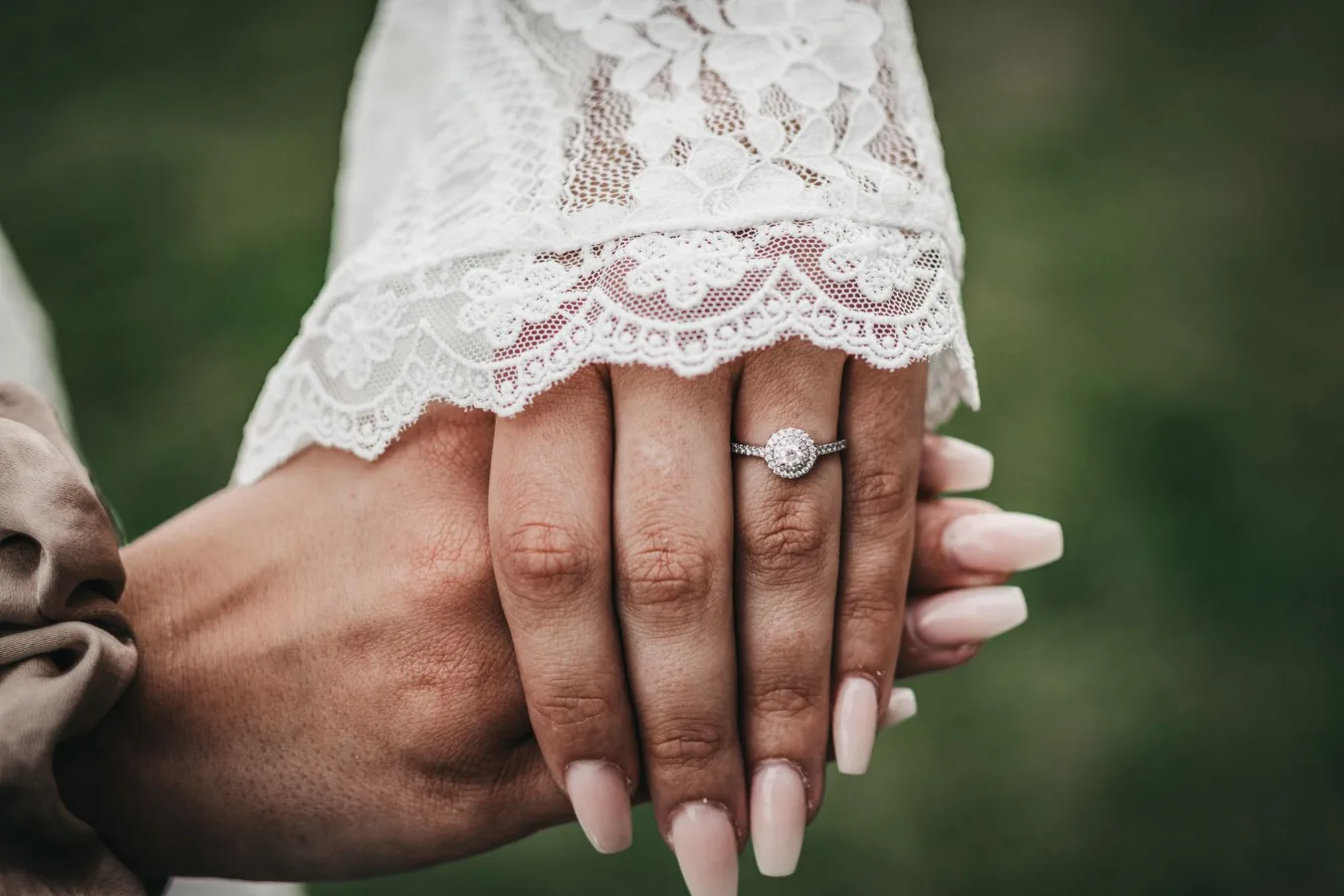
What makes a western engagement ring different?
Western engagement rings usually lean into a rustic, romantic, or heritage-inspired look. Instead of a strictly minimal solitaire, they often feature details such as engraving, rope-style bands, floral motifs, scrollwork, split shanks, nature-inspired accents, or a vintage feel. Some designs borrow from ranch, rodeo, and Southwestern style; others simply use the word western to describe a more relaxed, textured, and character-rich aesthetic. vintage-inspired jewelry details offers more detail on this point.
For shoppers, the appeal is not just style. A western engagement ring often feels more personal than a highly standardized design. It can signal individuality, a love of country or outdoor life, or simply a preference for jewelry that looks a little less polished and a little more storied.
The main challenge is that “western” is a broad style category, not a single ring type. That means the best choice depends on how you plan to wear it, how much maintenance you want, and whether you prefer a ring that reads as subtly western or unmistakably themed.
The design details that matter most
If you are comparing western engagement rings, start with the features that change the ring’s look and wearability the most. These details affect not only style, but also comfort, durability, and how easily the ring pairs with a wedding band. alternative gemstones for engagement rings offers more detail on this point. how to compare engagement ring metals offers more detail on this point.
Metal choice and overall color
Metal color does a lot of the work in western jewelry. Yellow gold tends to reinforce a classic, warm, traditional feel. Rose gold can soften the look and pair nicely with floral engraving or vintage-inspired settings. White gold or platinum can make a design feel cleaner and more modern, especially if the ring includes a bright center stone or intricate halo.
There is no single “best” metal for western rings. The right choice depends on the mood you want. If you like heritage pieces, yellow gold often feels natural. If you want the detailing to stand out without looking overly traditional, white metals can create contrast. For buyers who plan to wear the ring daily, scratch visibility and upkeep may matter as much as appearance.
Band profile and comfort
Western-style rings can have wider bands, raised ornamentation, or decorative edges. These features create visual depth, but they can also affect comfort. A wider band may feel substantial on the hand, while a heavily detailed underside can feel less smooth during long wear.
If you are sensitive to bulky jewelry, look for a profile that balances decoration with practicality. Rounded inner edges, lower-set design elements, and refined engraving can preserve the western character without making the ring feel cumbersome.
Setting style and stone security
The setting changes both the ring’s personality and its day-to-day reliability. A bezel setting can feel secure and sleek, while prongs allow more light into the stone and often keep the overall look open. Halo settings add sparkle and can make a smaller center stone feel more prominent, but they also create extra edges and details that need consideration.
For western engagement rings, setting style is especially important when the ring features ornamental side details. A highly decorative band can look beautiful, but if the center stone is set too high or the prongs are delicate, the ring may be more exposed to snagging and wear. Buyers who plan to wear the ring constantly should weigh appearance against resilience.
Motifs and ornamentation
Common western motifs include rope twists, leaves, vines, scrolls, sunbursts, horseshoes, and etched patterns. Some rings draw from Southwestern design with geometric elements or turquoise accents. Others use milgrain edges, filigree, or antique-style engraving to create a softer vintage connection.
The key is restraint. A ring does not need every western detail at once. One strong motif can be more elegant than a crowded design. That is especially true if you want the ring to remain wearable with different outfits and not feel tied to one very specific trend.
How to balance style with everyday wear
A common mistake with themed engagement rings is choosing a piece that looks perfect in photos but feels impractical in real life. Western engagement rings should still function as engagement rings first. That means they need to fit your lifestyle, not just your aesthetic.
Think about your daily routine
If you work with your hands, spend time outdoors, or prefer not to remove your ring often, practical details matter. Low-profile settings usually snag less than tall settings. Smooth inner bands are easier to wear all day. Highly raised stones and delicate protrusions may require more care.
For active wearers, the simplest western rings are often the strongest choice. A band with engraved detail, a slightly rustic finish, and a secure center setting can deliver the theme without adding fragile elements.
Consider how the ring will pair with a wedding band
Not every decorative engagement ring stacks easily. Some western designs have curved sides, split shanks, or prominent center settings that create spacing issues with a straight wedding band. That does not make the ring a poor choice, but it does mean you may need a contoured band or a custom fit later.
This is one of the most overlooked considerations. A ring can be beautiful on its own and still create frustration when it is time to add a wedding band. If you want a coordinated set, check the shape of the engagement ring early in the process.
Think beyond the first impression
Western jewelry often relies on texture, etching, and visible craftsmanship. Those details can age well, but they can also wear down over time if the ring is frequently exposed to friction. Matte finishes may polish over. Deep engraving can soften. Tiny accents can loosen if the ring takes repeated knocks.
That does not mean decorative rings are fragile by definition. It means the amount of ornamentation should match how much care you are realistically willing to give it.
Choosing the right center stone
The center stone influences whether the ring feels rustic, refined, dramatic, or understated. While diamonds remain the most common engagement stone, western styles also work well with alternative gems when the design and wear conditions make sense.
Diamond shapes that suit western styling
Round, oval, pear, cushion, and elongated marquise shapes can all work beautifully. A round diamond feels traditional and versatile. Oval and pear shapes often create a softer, more romantic profile. Cushion cuts can complement vintage-inspired details, while marquise shapes can bring a slightly old-world or dramatic look.
There is no rule that western engagement rings must use a certain shape. The better question is whether the cut supports the ring’s overall mood. A simple stone with ornate metalwork can be enough. In other cases, a more distinctive shape helps the ring feel memorable without adding more decoration.
Alternative stones and their trade-offs
Some buyers prefer colored stones for a western look. Turquoise, sapphire, morganite, and other gemstones are common inspirations in rustic and country-influenced jewelry. These stones can create strong visual identity, especially in rose or yellow gold settings.
The trade-off is practical. Different gemstones vary in hardness, toughness, and suitability for daily wear. A softer or more delicate stone may need more cautious handling than a diamond. If you want a colored center stone, ask how the setting protects it and whether the ring is meant for everyday wear or special occasions.
How much stone size really matters
Western style does not depend on size alone. A modest center stone can look substantial if the band has bold texture, while a larger center stone can overwhelm intricate detailing if the proportions are off. The most successful rings usually balance the scale of the stone with the thickness of the band and the amount of ornamentation.
That balance matters more than chasing a single visual feature. A ring can feel expensive-looking and distinctive without being oversized.
Practical ways to narrow your options
Once you know the general style you want, use a few practical filters to narrow the field. These can save time and help you avoid a ring that looks right online but feels wrong in everyday use.
1. Decide how literal you want the western theme to be
Some rings are obviously western, with rope bands, engraved motifs, or Southwestern color cues. Others only suggest the theme through warm metal, antique detailing, and a handcrafted feel. Both are valid.
If you want a ring that remains versatile over time, a subtle western design may age better than something heavily themed. If your style is highly specific, a bolder ring may feel more satisfying because it carries that identity clearly.
2. Match the ring to your wardrobe and lifestyle
Think about what you wear most often. If your jewelry wardrobe leans toward denim, leather, boots, or relaxed everyday clothing, a rustic ring may feel completely natural. If your style changes between casual and formal settings, a more restrained western ring may be easier to live with.
The goal is not to match the ring to a costume. It is to choose a piece that feels authentic across real life, including work, weekends, and special occasions.
3. Make maintenance a real part of the decision
Decorative rings can require more attention than simpler designs. Engraving can collect residue. Milgrain can soften with wear. Settings with many small details may benefit from routine inspection. If you want low-maintenance jewelry, simplify the design where you can.
Maintenance is not a reason to avoid western rings. It is simply part of owning a piece with character. The more detailed the ring, the more likely it is to reward regular care.
Common mistakes to avoid
- Choosing style without checking comfort. A ring can look beautiful and still feel too tall, too wide, or too busy for daily wear.
- Ignoring wedding band compatibility. Decorative shapes and raised settings can make pairing harder later.
- Overloading the design. Too many motifs can make the ring feel crowded instead of refined.
- Assuming every colored stone is equally durable. Gemstone choice affects care needs and suitability for frequent wear.
- Forgetting about upkeep. Textured finishes and detailed settings may need more attention than plain bands.
These mistakes are easy to make because the visual appeal of western jewelry is immediate. The more measured approach is to treat the ring as both a style piece and a long-term daily accessory.
Which type of buyer a western engagement ring suits best
Western engagement rings tend to suit buyers who want warmth, personality, and a sense of craftsmanship. They are a strong fit if you prefer jewelry with visible detail rather than bare minimalism. They also work well for people who want their ring to reflect a connection to rural life, the American West, vintage aesthetics, or handmade design.
They may be less ideal if you want the lowest-maintenance ring possible, if you prefer a very sleek modern look, or if you know you want an uncomplicated band-and-stone pairing. In those cases, a classic solitaire or clean three-stone design may be the better long-term answer.
A useful way to think about it is this: western engagement rings are strongest when the style is deliberate, not decorative for its own sake. The best ring should still feel balanced when viewed up close, worn daily, and paired with future wedding jewelry.
Practical decision guide
If you are deciding between several options, use this simple order of priorities:
- Start with wearability. Choose a profile you can comfortably wear every day.
- Then choose the theme level. Decide whether you want subtle western influence or a clearly rustic design.
- Next, pick the metal. Match the metal color to your style, skin tone preference, and maintenance tolerance.
- After that, evaluate the stone. Consider shape, size, and whether you want a diamond or alternative gem.
- Finally, check long-term compatibility. Make sure the ring can work with a wedding band and routine care.
This order helps prevent a common trap: falling in love with the ornamentation and only later realizing the ring is awkward to wear. A western ring should feel special, but it should also feel easy enough to live with.
If you are still undecided, the safest choice is often a ring with one clear western signature element rather than several. A textured band, a warm metal, or an engraved detail can be enough to establish the style without limiting future flexibility.
That balance between identity and practicality is what makes the best western engagement rings stand out. They look personal, but they still work as everyday jewelry.