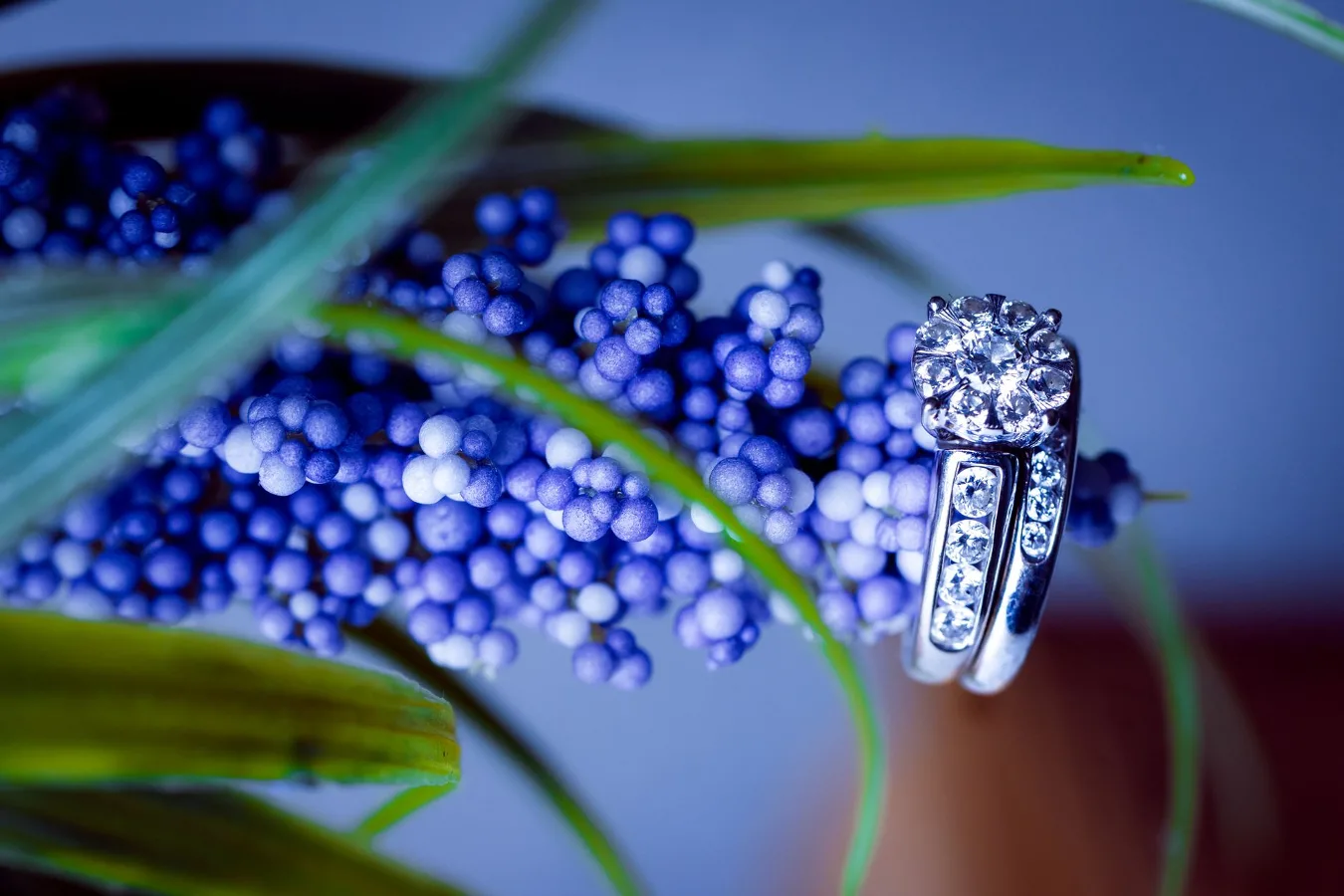
Blue diamond engagement rings suit buyers who want a center stone that feels distinctive without losing the permanence and symbolism of a diamond ring. They are especially appealing if you want color to do most of the visual work: a blue diamond can look modern, elegant, and memorable, while still fitting the traditional engagement-ring format. diamond engagement ring buying guide offers more detail on this point. best engagement ring shapes for color offers more detail on this point.
The most important buying question is not just “Do I like blue diamonds?” but “Which kind of blue diamond am I looking at, and how will the setting support it?” That distinction matters because blue diamond rings can range from naturally colored stones to treated diamonds with blue color, and those choices affect rarity, appearance, documentation, and value considerations.
Who blue diamond engagement rings are best for
A blue diamond ring makes sense for buyers who want something more individual than a white diamond solitaire, but not as unconventional as a non-diamond center stone. It can work well for someone who likes cool-toned jewelry, enjoys contrast in metal and gemstone color, or wants a ring that stands out without depending on a large setting or elaborate design.
These rings are also a good fit for people who value style flexibility. A blue diamond can look crisp in white gold or platinum, more contrast-driven in yellow gold, and softer in rose gold. The ring can read as classic, contemporary, or romantic depending on the setting.
What sometimes gets overlooked is that blue diamonds are not all trying to do the same job visually. A vivid blue stone is usually chosen to be the focal point. A lighter blue stone may work better when the setting adds sparkle, contrast, or surrounding white diamonds. That means the “right” ring depends as much on design as on the diamond itself.
What to understand before comparing blue diamonds
The term blue diamond can refer to different types of stones, and that is where many shoppers get tripped up. Some blue diamonds are naturally colored fancy color diamonds. Others are diamonds whose color has been enhanced through a treatment process. Both can be attractive, but they should not be evaluated as if they are identical. guide to fancy color diamonds offers more detail on this point.
If you are shopping commercially, ask for clear documentation that explains the stone’s origin and any treatment. Reputable listings should identify whether the diamond is natural, treated, or color-enhanced. That information affects how you compare options, how you think about long-term value, and what kind of questions you should ask before purchase.
Another practical nuance: blue is not one single look. Some stones lean light and icy, some are deeper and more saturated, and some have secondary tones that shift the visual impression. The same metal, lighting, and setting can make a stone look very different from one ring to the next.
Buyer scenario: when a blue diamond is a smart choice
A blue diamond engagement ring is worth serious consideration if the buyer wants a ring that feels personal but still grounded in familiar bridal jewelry. It can be a strong choice for someone who prefers cool tones, wants a center stone with visible personality, or is open to a ring that is more style-led than tradition-led.
It can also be a good fit if the buyer is comparing a blue diamond to other fancy-color center stones and wants something that pairs easily with common engagement-ring silhouettes. Many shoppers find that blue reads as elegant without feeling overly bright or trendy, which helps it age well stylistically.
On the other hand, if the goal is maximum resale flexibility or the most conventional diamond purchase possible, a blue diamond may not be the most practical route. The ring can still be deeply meaningful, but the buyer should be comfortable with the fact that color is the main design feature, not a neutral backdrop.
The main trade-offs to weigh
The biggest trade-off is between visual impact and conventional diamond buying expectations. A blue diamond is memorable because of its color, but color also makes the purchase more dependent on taste. Someone who loves the hue may find it ideal; someone who wants a more standard bridal look may not.
Another trade-off involves rarity and documentation. Natural fancy blue diamonds are not the same thing as treated blue diamonds, and shoppers often see the color first and the details later. That can lead to confusion if the listing is not specific enough. For a meaningful purchase, the paperwork matters as much as the appearance.
There is also a setting trade-off. Some settings are designed to flatter the color, while others compete with it. A halo can increase sparkle and make the center look larger, but it can also change the visual balance. A simple solitaire can showcase the diamond directly, but it may make the color feel more understated. Neither is universally better.
Material and specification factors that matter most
Color saturation and tone
For blue diamond engagement rings, color is the headline attribute. Look closely at how saturated the blue appears, whether it skews light or deep, and whether the stone shows any secondary tint. A ring may look completely different under showroom lighting than it does in everyday wear, so compare images and descriptions carefully.
Many buyers focus on “blueness” alone, but tone matters too. A pale icy blue creates a different mood from a deep, richer blue. If you want drama and contrast, deeper color may be more appealing. If you want something airy and refined, a lighter tone can be a better fit.
Origin and treatment disclosure
Do not treat all blue diamonds as interchangeable. Ask whether the color is natural or treated, and make sure the seller states it plainly. This is one of the most important decision points because the answer affects not just the story of the ring, but also how you compare value across listings.
If certification is available, review it for the exact wording used to describe the stone. For a buyer who wants a blue diamond for symbolic reasons, that documentation can be a major confidence factor. For a buyer who mainly wants the look, it still helps prevent confusion later.
Cut and shape
Cut affects how well the stone returns light and how it frames the color. Certain shapes emphasize color differently. Some, such as oval, cushion, or pear, can make the center look elongated or soft, while round and princess cuts often read as more structured and symmetrical.
There is no single best shape for blue diamonds, but the shape should support the color rather than fight it. If the stone is lighter, a shape that concentrates visual presence can help. If the color is strong, the setting can stay simpler so the diamond remains the focus.
Clarity and eye appeal
Clarity still matters, even in a colored diamond. In a blue diamond engagement ring, inclusions may be more or less visible depending on color intensity, cut, and size. A more saturated stone can sometimes disguise minor clarity characteristics better than a lighter one.
Rather than chasing the highest possible clarity grade in isolation, focus on whether the stone looks clean to the eye and whether anything interferes with the color. In colored diamonds, appearance often matters more than abstract grade chasing.
Metal choice
The metal changes the entire mood of the ring. Platinum and white gold usually reinforce a cool, bright presentation. Yellow gold can create contrast and make the blue appear stronger by comparison. Rose gold softens the look and can add warmth around a cool-toned center.
The overlooked consideration here is how the metal interacts with skin tone, wardrobe, and everyday jewelry. If the buyer already wears mostly white metals, a blue diamond in platinum may feel cohesive. If their jewelry leans warm, yellow or rose gold may integrate more naturally.
Setting style
Setting choice affects not only style but also day-to-day practicality. A solitaire gives the stone room to stand out. A halo can create more sparkle and visual size. A three-stone ring adds context and can balance the center stone. A bezel can offer a more protected, modern feel.
If the ring will be worn daily, protection matters. A setting with exposed corners or a very tall profile may be more likely to snag. That does not make it a bad choice, but it should be weighed against lifestyle, hand use, and comfort.
How to compare ring styles without overbuying
It is easy to get pulled toward the most dramatic ring image, but the best blue diamond engagement ring is often the one that balances appearance with wearability. If the center stone is already visually powerful, you may not need extra ornamentation. If the stone is subtle, a more supportive setting may be worthwhile.
Try comparing the same stone style across different settings:
- Solitaire: best for a clean, direct focus on the diamond
- Halo: best for added sparkle and a larger-looking center
- Three-stone: best for a more substantial, balanced profile
- Bezel: best for a sleek look and added edge protection
The common mistake is choosing a setting that photographs well but does not match the ring’s real use. If the wearer is active, prefers low-maintenance jewelry, or dislikes high profiles, practicality should carry real weight in the decision.
Alternatives if blue diamond is not the perfect fit
If you like the look of blue but are still undecided, there are sensible alternatives. A white diamond with blue sapphire side stones can introduce color without making the center stone the full responsibility of the blue tone. A blue sapphire engagement ring is another classic option if your priority is color rather than diamond-specific appeal.
Some shoppers also choose a diamond center with blue accents in the setting, band, or hidden details. That approach can be a better compromise if the wearer wants a conventional center stone but still likes the personality of blue.
If you are weighing natural fancy color diamonds against more budget-conscious choices, it can help to step back and decide whether rarity, symbolism, or design flexibility matters most. That answer often points clearly toward either a blue diamond or one of its alternatives.
Maintenance and care considerations
Blue diamond engagement rings do not require unusual care compared with other fine jewelry, but the setting still deserves attention. Rings worn daily collect oils, lotion, and residue, which can dull the look of the stone and the metal over time. Gentle cleaning and periodic checks for loose prongs help preserve the ring’s appearance.
Because many blue diamond rings rely on visual contrast, buildup around the setting can be more noticeable than buyers expect. A halo, pavé band, or intricate basket can show dirt quickly. Simpler settings are often easier to maintain, which is worth considering if the ring will be worn constantly.
Store the ring separately from harder jewelry pieces to reduce scratching. If the ring has a raised setting, remove it during activities where impact or snagging is likely.
Common mistakes buyers make
- Assuming every blue diamond is naturally colored
- Choosing color without checking the setting’s durability
- Ignoring how the metal changes the ring’s appearance
- Overlooking certification or treatment disclosure
- Prioritizing size or sparkle over daily comfort
- Buying a ring style that is hard to maintain long term
The most avoidable mistake is treating the color as the only decision point. With blue diamond engagement rings, the finished ring matters more than any one attribute. A beautiful stone in the wrong setting can disappoint, while a more modest stone in the right design can look far more refined.
What to do next if you are ready to shop
Start by deciding what kind of blue diamond you want: natural, treated, or simply blue in appearance. Then narrow the setting style based on how the ring will actually be worn. If daily durability matters, prioritize lower-profile settings and straightforward maintenance. If visual presence matters most, compare halo or multi-stone designs.
From there, ask for clear photos in different lighting, check for disclosure about origin and treatment, and compare how the ring looks in the metal color you prefer. A strong purchase decision usually comes from seeing how the color, cut, and setting work together, not from chasing one isolated feature.
If you are still uncertain, compare blue diamond engagement rings against sapphire-centered rings and blue-accented diamond designs. That side-by-side view often clarifies whether you want a true blue diamond center or simply a ring that captures the same mood.
FAQ
Are blue diamond engagement rings rare?
Natural blue diamonds are generally considered uncommon, but not every blue diamond ring features a naturally colored stone. Some are treated or color-enhanced, so the type of blue matters as much as the color itself.
Are blue diamond rings a good choice for daily wear?
They can be, provided the setting suits daily use. Lower-profile designs and protective settings are usually more practical than tall or highly exposed designs.
What metal looks best with a blue diamond?
That depends on the look you want. White metals tend to emphasize the cool tone, yellow gold creates contrast, and rose gold softens the overall appearance.
Is a halo setting good for a blue diamond?
Often yes, especially if you want extra sparkle or a larger-looking center. The trade-off is that a halo can shift attention away from the center stone if the design is too busy.
Should I choose a natural blue diamond or a treated one?
Choose based on your priorities. If origin and rarity matter most, natural may be the better fit. If the visual look matters more than origin, a treated option may be worth considering, as long as the disclosure is clear.