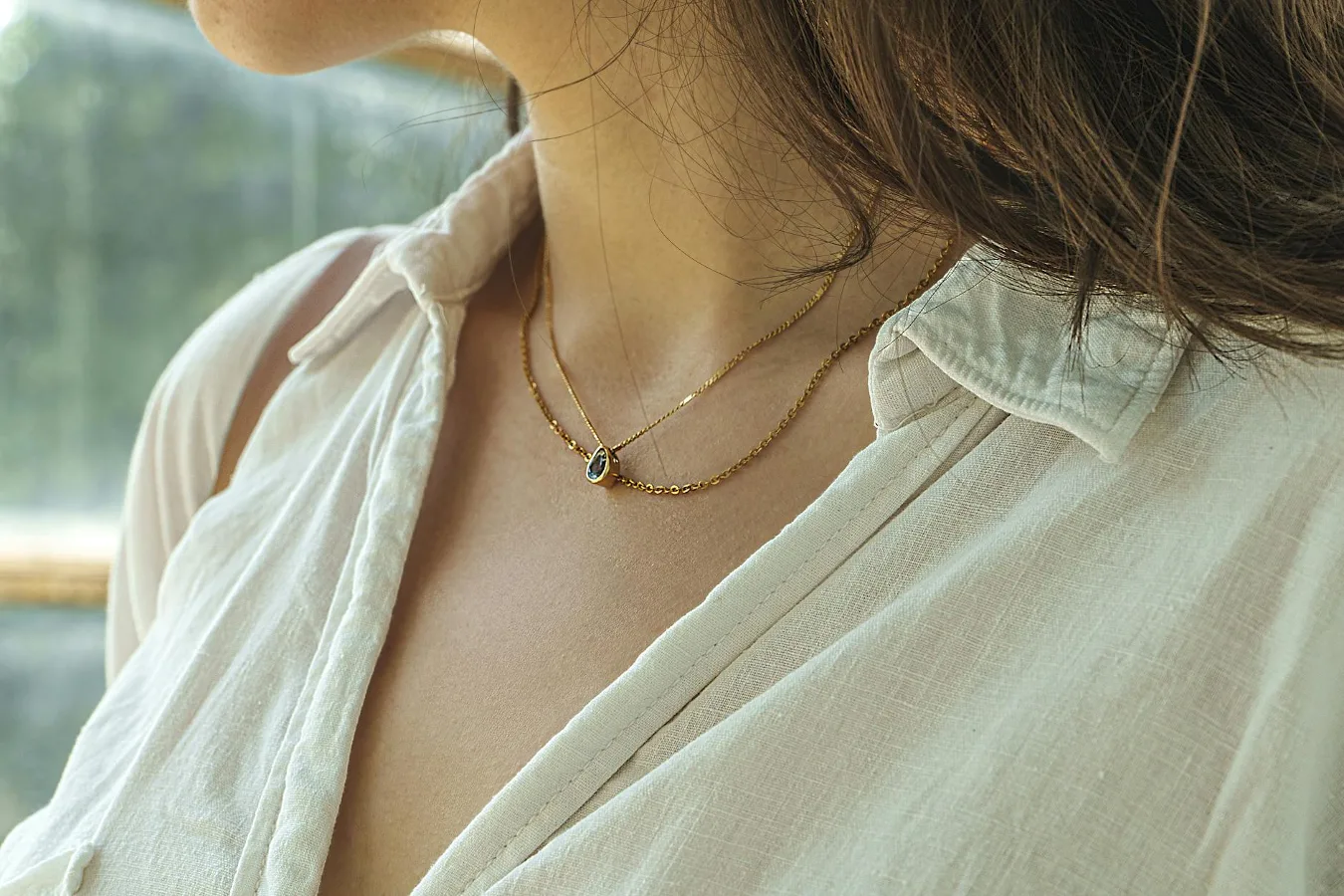
Quick answer: what to look for in a 14k white gold necklace
A good 14k white gold necklace is usually chosen for a mix of daily wear, subtle shine, and better durability than higher-purity gold. If you want a necklace that feels refined without being overly delicate, 14k white gold is often a practical choice because it blends gold with alloy metals for added strength. layered gold necklace offers more detail on this point.
The best option depends less on the label and more on the details: chain style, length, clasp, thickness, whether it is solid gold or simply white gold over another metal, and how much maintenance you are willing to accept. White gold also commonly has a rhodium finish, which affects color and care. white gold chain styles offers more detail on this point.
If you are shopping for yourself or comparing gifts, focus on how the necklace will be worn. A piece meant for daily use has different priorities than a necklace intended for special occasions or pendant support.
Why 14k white gold is a popular middle ground
14k white gold sits in a useful category for buyers who want real gold jewelry without the softer feel of higher-karat gold. Because it contains a lower percentage of gold than 18k or 22k, it is generally chosen for practicality, especially in chains that need to hold up to frequent wear.
White gold also has a visual appeal that works well with both cool-toned and neutral wardrobes. It tends to look clean, understated, and versatile, which makes it easy to wear alone or with a pendant.
One detail that gets overlooked is how white gold gets its color. Many white gold pieces are finished with rhodium plating to brighten the surface. That can create a more reflective white appearance at first, but the finish can wear over time and may need refreshing depending on use.
Key buying factors that matter most
Chain style and how you plan to wear it
Chain style changes both the look and the practical durability of a necklace. Some styles are better suited to pendants, while others are meant to stand alone.
- Box chain: a neat, geometric look that often works well with pendants and provides a polished finish.
- Cable chain: a classic choice that is simple, versatile, and easy to layer.
- Rope chain: textured and visually noticeable, often chosen when the chain itself is meant to be part of the statement.
- Paperclip chain: modern and minimal, with an open-link look that suits current layering trends.
- Herringbone chain: sleek and flat, but more sensitive to kinking and not ideal if you want a low-maintenance daily piece.
For pendants, choose a chain that can support the weight comfortably. For plain styling, the chain design itself becomes the main feature, so visual proportion matters more.
Length and neckline compatibility
Necklace length changes how the piece sits and how easily it layers with other jewelry. Shorter lengths can feel more tailored, while longer lengths create a softer, more relaxed line. how to choose a necklace length offers more detail on this point.
Think about the clothes you wear most often. A necklace that sits near the collarbone works well with many crew necks and open collars. Slightly longer lengths can help a pendant fall below the neckline on V-necks or button-down shirts.
If you plan to layer several chains, choose lengths with enough spacing that each piece can be seen clearly. A common mistake is buying necklaces that are too close in length, which can cause tangling and make the layers look crowded.
Clasp type and ease of use
The clasp may seem minor, but it affects daily convenience. A secure clasp matters for any necklace you wear often, especially if the chain is thin or the pendant has value.
Spring ring clasps are common, while lobster clasps are often preferred for their easier handling and secure feel. If you struggle with tiny closures, pay attention to clasp size and whether the necklace is easy to fasten without assistance.
Chain thickness and durability
Thickness influences both appearance and resilience. A very fine chain can look delicate and elegant, but it may not be the best option for heavy pendants or constant wear. A slightly thicker chain often offers better durability and can feel more substantial without looking bulky.
Matching the chain to the intended use is one of the smartest buying decisions. A pendant necklace needs enough strength to support the drop. A standalone chain can be chosen more freely based on style, but even then, daily wear usually calls for a sturdier construction than occasion-only jewelry.
Solid gold, hollow construction, and plated alternatives
Not every white gold necklace is built the same way. Some are solid gold throughout, while others may use different construction methods to reduce weight or cost. Plated jewelry is a different category entirely and is not the same as solid 14k white gold.
This distinction matters because appearance alone can be misleading. A piece that looks bright and substantial may not have the same long-term value or wear resistance as a solid gold necklace. If you want heirloom potential or frequent wear, confirm the construction rather than relying on finish alone.
How to compare options without overbuying
| Factor | Best for | Trade-off |
|---|---|---|
| Fine cable chain | Everyday wear and layering | Can feel too light for heavier pendants |
| Box chain | Balanced durability and a clean look | May look less delicate than ultra-thin styles |
| Paperclip chain | Modern styling and layering | Open links may not suit every pendant |
| Rope chain | More visual presence | Can be a little busier for minimal outfits |
| Herringbone chain | Sleek statement wear | More prone to bending or kinking |
If you are narrowing choices, start with use case rather than appearance. A necklace that fits your wardrobe and maintenance habits will usually be a better purchase than one that only looks good in a product photo.
Common mistakes to avoid
Choosing by color alone
White gold can be selected because of its cool-toned look, but the finish is only part of the story. Construction, thickness, and clasp quality matter more for longevity. A necklace that looks appealing but is too delicate for your routine may disappoint quickly.
Ignoring rhodium maintenance
Many buyers assume white gold will stay bright forever without attention. In reality, the surface finish can change with wear. If you prefer a consistently bright white appearance, factor in occasional maintenance rather than treating the finish as permanent.
Buying a chain that cannot support the pendant
This is one of the easiest ways to end up with a necklace that feels impractical. A pendant may be beautiful, but if the chain is too slender or the clasp too small, the whole piece may wear poorly.
Overlooking skin comfort
For some wearers, the alloy mix and finishing details matter. If you have sensitive skin, check the product description carefully and avoid assuming that all white gold pieces will feel the same.
Not thinking about wardrobe and styling habits
A necklace should fit your real life. If you rarely wear low necklines, a longer dramatic chain may not get enough use. If you prefer minimal jewelry, a bold textured chain might feel more like a special-occasion item than an everyday staple.
When a 14k white gold necklace is a smart choice
This type of necklace is a strong option if you want a refined piece that can move between casual and dressy outfits. It works especially well for people who prefer cool-toned metals, like understated jewelry, or want a chain that can handle regular wear better than more delicate high-karat pieces.
It is also useful if you are buying a gift and want something broadly versatile. White gold is easier to pair with many styles than highly distinctive statement metals, which makes it a safer choice when you are not sure about the recipient’s exact taste.
That said, if you want the least-maintenance option, white gold may not be the perfect fit. If you prefer a metal that naturally keeps its color and surface look without occasional upkeep, compare it against other fine jewelry materials before buying.
Practical alternatives worth considering
If you like the look but are still comparing options, a few alternatives may be worth a closer look.
- 14k yellow gold: a warmer tone with similar durability characteristics.
- 14k rose gold: a softer, blush-toned option that can feel more distinctive.
- Sterling silver: often lower in price, but typically requires more care to manage tarnish.
- Platinum: a premium alternative for buyers who want a naturally white metal and are willing to consider a different price and weight profile.
Each alternative has its own strengths, so the best choice depends on wear frequency, maintenance tolerance, and the look you want against your skin tone and wardrobe.
Final checklist before you buy
- Decide whether the necklace will hold a pendant or be worn alone.
- Choose a length that works with your neckline preferences.
- Confirm the chain style suits your daily use.
- Check clasp size and ease of fastening.
- Look for clear information about solid construction versus plated alternatives.
- Consider whether rhodium maintenance fits your expectations.
- Match the necklace to your wardrobe and layering habits.
A well-chosen 14k white gold necklace should feel easy to wear, not fussy. If you focus on construction, comfort, and maintenance rather than just appearance, you are more likely to end up with a piece that stays useful over time.