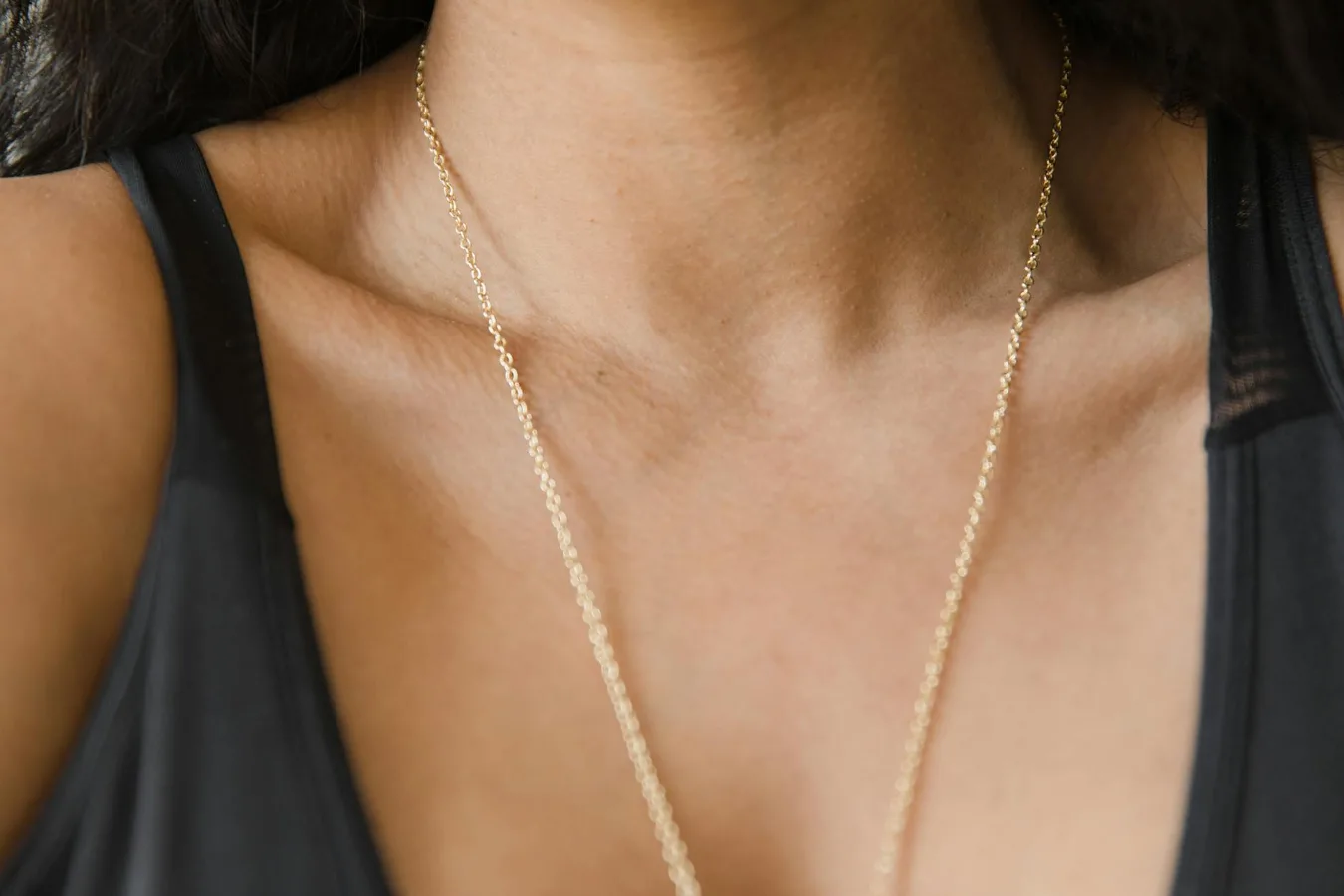
A gold lariat necklace is a necklace style with an open, elongated drop that creates a vertical line at the neckline. That shape is what gives it its appeal: it can look refined and understated, or more dramatic, depending on the chain, drop length, and how you wear it. gold necklace styling tips offers more detail on this point. gold diamond cross necklace offers more detail on this point.
For shoppers, the main question is rarely what a lariat necklace is. It is whether the style will suit your wardrobe, sit comfortably, and hold up as an everyday piece or a special-occasion accessory. The best choice depends on the chain weight, gold purity, closure style, and how much movement you want in the design.
Who a gold lariat necklace suits best
This style is especially useful if you like jewelry that elongates the neckline without feeling bulky. It tends to work well with v-necks, scoop necks, wrap dresses, button-downs left slightly open, and simple tops that need a finishing touch. Because the design usually falls in a vertical line, it can also make a look feel more intentional without adding visual heaviness.
It is a strong option for someone who wants a necklace that feels dressier than a basic chain but less ornate than a gemstone pendant. That makes it appealing for minimal wardrobes, office dressing, weddings, dinners, and other situations where you want polish without a lot of sparkle.
That said, a lariat is not automatically the most practical choice for every wearer. If you prefer a necklace that stays centered and never shifts, the open-ended silhouette can be a drawback. Some designs are also better suited to low or open necklines than to crew necks, where the drop can feel awkward rather than flattering.
The style payoff, and the trade-offs
The biggest advantage of a gold lariat necklace is its visual line. It draws the eye downward and can make a neckline feel more open. It also offers a little more personality than a standard chain because the drop adds movement and shape.
But the same features that make it attractive can also create limitations. A lariat can twist, slide, or sit differently depending on the fabric you wear and how active your day is. If the piece is very delicate, the drop may look elegant for occasional wear but feel too fragile for constant handling. If it is heavier, it may rest more securely but lose some of the lightness that defines the style. how to layer delicate necklaces offers more detail on this point.
One overlooked detail is how the necklace behaves when you sit, bend, or lean forward. On some people, the drop remains neatly centered. On others, it shifts enough that the styling effect changes over the course of the day. That does not make the design flawed, but it does mean comfort and fit matter more than they do with a standard pendant necklace.
Material and construction details that matter
If you are comparing gold lariat necklaces, start with the metal itself. In the U.S. market, shoppers often see options such as 14k gold, 18k gold, gold-filled, gold vermeil, and gold-plated pieces. Each has different implications for durability, color, and maintenance.
Solid gold versus plated options
Solid gold is typically the most durable long-term choice, especially if you want a piece that can be worn often. It is generally more resistant to wear than plated options, though its appearance and price will vary by karat.
Gold-plated necklaces often cost less, which can make them appealing if you want the look of gold without committing to a higher-price piece. The trade-off is longevity; plating can wear over time, especially on high-friction areas like clasps, drops, and chain links.
Gold vermeil and gold-filled pieces sit between those extremes and may offer a better balance for some shoppers, depending on construction and use. The exact wear experience depends on the base metal, thickness of the gold layer, and how carefully the necklace is stored and cleaned.
Chain type and visual weight
The chain is not just a background detail. It affects how the necklace drapes, how the lariat sits, and whether the piece feels delicate or substantial. Thin cable chains create a light, minimal look. Box chains, serpentine styles, and certain curb variations may feel more structured or reflective.
If the chain is too fine for the drop element, the necklace can look visually unbalanced. If the chain is too heavy, the lariat may lose the airy effect that many buyers want. A balanced design usually feels cohesive: the chain, drop, and any accent element should read as one silhouette rather than separate parts.
Closures and adjustability
Some lariat necklaces are designed with adjustable sliding elements, while others have fixed drop points. Adjustable styles give you more flexibility across necklines, but they can also add complexity. Sliding components, knots, and movable beads may need more careful handling to avoid tangling or uneven wear.
If you expect to wear the necklace with a range of outfits, adjustability is useful. If you want a cleaner, simpler piece, a fixed lariat can be easier to live with. The right choice depends on whether flexibility or simplicity matters more in your routine.
How to choose the right length and drop
Length is one of the most important buying decisions, yet it is often overlooked because product photos can be misleading. A lariat’s overall necklace length and its drop length work together. A piece that looks balanced on one neckline may feel too long or too short on another.
For many shoppers, the best way to think about it is in terms of proportion. If you have a shorter neck or a smaller frame, a very long drop may overwhelm the look. If you have a longer neck or wear open necklines often, a more dramatic drop can look elegant and intentional.
Also consider where the necklace will land relative to your clothing. A lariat that falls too low may disappear into a deep neckline or become impractical over structured tops. A design that sits too high may not create the elongating effect people usually want from this style.
Styling situations where a lariat works especially well
The gold lariat necklace is often at its best when the outfit is simple enough to let the shape do the work. It can elevate a plain blouse, soften a tailored blazer, or add interest to a dress with an open neckline.
- Low or open necklines: V-necks and wrap styles often complement the vertical drop.
- Minimal outfits: Simple tops benefit from the added line and movement.
- Layered looks: A lariat can anchor a necklace stack if the lengths are planned carefully.
- Dressier occasions: The style can feel polished without relying on gemstones or a large pendant.
It is less forgiving with high necklines and busy prints, where the drop may compete with fabric details. That does not mean it cannot work, only that the styling needs more intention.
Common buying mistakes
One common mistake is choosing based on photos alone. Lariat necklaces are especially sensitive to proportion, so a design that looks elegant on a model may sit differently on your frame. Reading measurements matters more here than it does with many standard chains.
Another mistake is ignoring how delicate the design is. A very slender chain may be beautiful, but if the clasp, connectors, or drop element look fragile, the piece may require more careful wear than expected. That can be fine for occasion jewelry, but less ideal if you want an everyday accessory.
Shoppers also sometimes focus only on gold color and forget about skin tone, wardrobe compatibility, and maintenance. A warm yellow gold may pair easily with classic wardrobes, while a lighter or more muted gold tone may feel better if you wear cool-toned metals or layered jewelry regularly.
A final mistake is assuming all lariat necklaces layer well. Some do, but the drop can tangle with shorter chains or clash with pendants. If layering is part of the plan, look for styles that have enough separation in length and enough visual simplicity to avoid crowding.
How to compare options without overcomplicating the search
If you are narrowing choices, focus on a few practical questions rather than every possible detail.
- How often will you wear it? Daily pieces usually benefit from stronger construction and easier maintenance.
- What necklines do you wear most? The best lariat is the one that works with your actual wardrobe.
- Do you want a subtle accent or a noticeable focal point? That will affect chain thickness and drop length.
- Is adjustability important? If yes, look for designs that can shift across outfits without looking awkward.
- Do you prefer low maintenance or maximum longevity? Solid gold and plated pieces answer that question very differently.
This approach helps you avoid overbuying features you may not use. A beautiful necklace can still be the wrong purchase if it does not fit your real dressing habits.
Care and storage considerations
Gold jewelry generally benefits from gentle handling, but lariat designs deserve a little extra care because of the open drop and chain movement. Store the necklace separately when possible so it does not tangle with other chains. If the piece includes delicate connectors or a movable element, avoid pulling on it when putting it on or taking it off.
Regular cleaning should be gentle and consistent. A soft cloth is often enough for routine upkeep, while more thorough care depends on the metal and any attached components. If the piece combines gold with stones or pearls, cleaning needs become more specific, since those materials do not all tolerate the same products or methods.
For plated or vermeil pieces, avoiding abrasion matters. Friction from layered wear, rough storage, and frequent contact with perfume or cosmetics can reduce the lifespan of the finish. That does not mean such pieces are poor choices; it simply means they reward more careful use.
Good alternatives if a lariat is not quite right
If the silhouette appeals to you but the open drop feels too fussy, a few alternatives may suit you better.
- Simple pendant necklace: Easier to wear every day and often more centered.
- Y necklace: Similar visual effect, sometimes with a more structured drop.
- Layered necklace set: Gives a styled look without the open-ended design.
- Minimal chain necklace: Best if you want versatility with low maintenance.
These options can deliver a similar sense of elongation or polish while reducing some of the fitting and movement issues associated with a traditional lariat. For some shoppers, that makes them the more practical choice.
What to do before you buy
Before choosing a gold lariat necklace, compare the exact product details against how you dress. Check the chain length, the drop placement, the metal type, and whether the design is fixed or adjustable. Then picture it with the necklines you actually wear most often.
If you are buying as a gift, keep the style broad enough to be versatile. A clean, balanced lariat in a classic gold tone is usually easier to wear than a highly specialized design. If it is for yourself, be more specific: the best version is the one that fits your proportions, maintenance tolerance, and wardrobe habits.
A gold lariat necklace can be one of the most versatile pieces in a jewelry collection, but only if the shape works with the way you dress. Treat it as a style decision and a practical one, and the result is more likely to feel intentional every time you wear it.