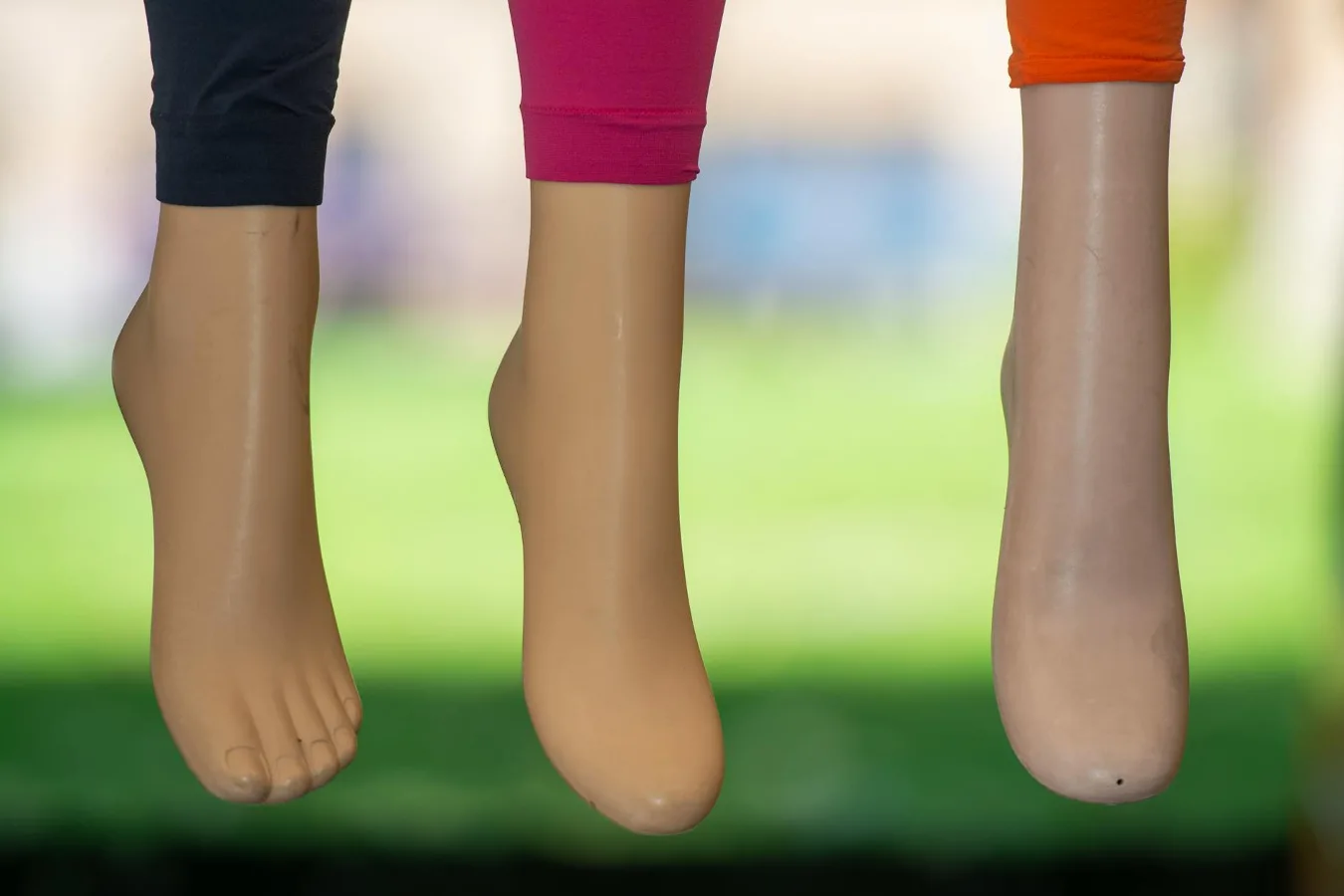
Essential leggings are the pair that earns a regular place in your wardrobe because they can do more than one job: lounge, layer, travel, walk, commute, or handle a light workout. The best pair is not always the softest or the trendiest. It is the one that fits well, stays opaque enough for your needs, and feels appropriate in the settings where you actually wear it. compression leggings women offers more detail on this point. dyfne leggings offers more detail on this point.
If you are shopping for essential leggings, start with function. Decide whether you need them mostly for everyday outfits, workouts, travel, or all three. That choice affects the fabric, waistband, rise, thickness, and finish you should prioritize. choosing the right rise for pants and leggings offers more detail on this point.
When essential leggings matter most
Leggings become “essential” when they solve repeated wardrobe problems. Maybe you need a comfortable base layer under oversized sweaters. Maybe you want something streamlined for errands and casual outings. Or maybe you need a pair that can move from home to the gym without feeling out of place.
The category matters most when you want reliability rather than novelty. A true staple pair should feel easy to style, easy to move in, and easy to keep wearing through the season. That usually means skipping features that look exciting but add little practical value, such as heavy decoration, awkward seams, or overly delicate fabrics that limit use.
A common misconception is that all leggings are interchangeable. They are not. A pair designed for yoga may feel too thin for day-to-day wear, while a fashion-focused pair may look polished but offer less stretch recovery or workout support. Essential leggings sit in the middle: versatile enough to handle different situations without leaning too far in one direction.
Start with the use case, not the trend
The fastest way to narrow your options is to ask where you will wear them most often. This single decision usually clarifies the rest of the shopping process.
For everyday wear
If you plan to wear leggings with tees, sweatshirts, long cardigans, and casual sneakers, comfort and opacity come first. You want a pair that feels smooth against the skin, does not slide constantly, and holds its shape after sitting, walking, and washing.
For workouts
For exercise, focus more on stretch recovery, secure waist support, and moisture management. You may also want a more technical knit or a firmer hand feel if you prefer light compression. Workout use raises the bar for movement, but it also makes seam placement and waistband stability more important.
For travel or long wear
Travel-friendly leggings should resist wrinkling, stay comfortable for extended sitting, and be versatile enough to pair with multiple tops and layers. A midweight fabric often works better here than a very thin or very heavy one.
For layering
If leggings will sit under dresses, oversized shirts, tunics, or long coats, smoothness matters more than statement details. Flat seams and a clean finish can make layering easier and reduce bulk.
Fabric tells you more than the product photo
Fabric is one of the most important factors in essential leggings, yet it is often the least obvious from a listing image. A fabric blend changes how leggings feel, stretch, recover, breathe, and hold up over time.
Look for fabric descriptions that match the way you intend to use them. A cotton-rich pair may feel soft and familiar, but it can retain moisture and may not bounce back as well as performance blends. Nylon and spandex blends often feel smoother and more supportive, while polyester blends can be practical for active use. Modal or viscose blends may feel drapier and softer, which can work well for lounge wear but may not be ideal if you want a more structured look.
The key trade-off is softness versus structure. Softer leggings can feel more comfortable at first, but structure often helps with shape retention and opacity. Thicker fabrics can feel more secure, yet they may run warmer and be less breathable in hot weather or high-activity settings.
What fabric details are worth checking
- Blend content: Helps you estimate comfort, stretch, and recovery.
- Fabric weight: Often suggests whether the leggings will feel airy, substantial, or warm.
- Finish: Matte finishes can look more understated, while shinier finishes may read more athletic.
- Hand feel: Smooth, brushed, or structured textures each behave differently in daily use.
Fit matters more than size labels
Essential leggings should feel secure without digging in or slipping down. That sounds simple, but the right fit is often the difference between a pair you wear weekly and a pair that stays buried in the drawer.
Focus on how the waistband sits when you move. A waistband that feels fine when standing can still roll, pinch, or gap during sitting, bending, or walking. The best fit usually follows your body rather than forcing you into a style that looks good only in a static position.
Rise also matters. High-rise leggings are popular because they can feel more secure and pair easily with cropped tops or longer layers. Mid-rise leggings may feel less restrictive for some people and can work better if you dislike a waistband sitting near your ribcage. Choose based on comfort and intended outfit combinations, not just trend pressure.
Another overlooked consideration is inseam proportion. Even a well-made pair can feel wrong if the length cuts at an awkward point for your height or footwear. If you are between lengths, think about where the hem will land with sneakers, boots, or bare ankles.
Opacity is a practical test, not a marketing phrase
Many shoppers use “squat-proof” as a catchall term, but the real concern is whether the leggings remain sufficiently opaque under the movements you actually make. A pair can look fine in a mirror while standing still and still become more revealing when stretched, bent, or seated.
For essential leggings, opacity should be considered in context. If you plan to wear them for errands and lounging, you may need a different level of coverage than someone choosing leggings for training. Color also matters: darker shades often hide more than lighter ones, but dark does not automatically mean opaque.
A helpful habit is to examine the fabric under bright light and think about stretch points such as the seat, thighs, and knees. These areas usually show the most change during wear.
Comfort features that actually make a difference
Some features sound useful but only matter if they improve daily wear. A wide waistband can help distribute pressure, but if it is stiff or poorly shaped, it may still feel uncomfortable. Flat seams can reduce irritation, especially if you wear leggings for long periods. A gusset can improve mobility and reduce strain in the crotch area, which is especially relevant for active use.
These details matter because essential leggings are usually worn often. Small comfort problems tend to add up over time. A pair that rides up, pinches at the waist, or traps heat will lose its place in your rotation quickly, even if it looks good on paper.
Examples of good matches by lifestyle
| Use case | What to prioritize | What to avoid |
|---|---|---|
| Everyday errands | Soft hand feel, good opacity, easy styling | Overly shiny finishes, thin fabric, fussy details |
| Light workouts | Stretch recovery, secure waistband, breathable fabric | Loose waistbands, weak seams, excessive sheerness |
| Travel | Wrinkle resistance, comfort when seated, versatile color | High-maintenance fabrics, restrictive fit |
| Layering | Smooth seams, clean silhouette, flexible rise | Bulky embellishments, texture that catches on clothing |
| Lounge wear | Softness, comfort, easy care | Overly compressive fits if relaxation is the goal |
A simple checklist before you buy
Use this checklist to compare options without getting distracted by styling photos.
- Does the fabric match your main use case?
- Will the waistband feel secure during movement and sitting?
- Is the rise comfortable for your torso length and wardrobe?
- Do you expect enough opacity for the way you will wear them?
- Will the length work with your shoes and hemlines?
- Does the pair seem easy to care for and wash regularly?
- Can you wear it with multiple tops, jackets, or layers?
If a pair fails on several of these points, it is probably not an essential, even if it looks appealing.
Common mistakes shoppers make
Choosing softness over structure every time is one of the biggest mistakes. Extremely soft leggings can feel great for a few minutes but lose shape quickly or show more than you want.
Ignoring the waistband shape is another. A waistband can be high-rise in name but still behave poorly if it folds, pinches, or slides. Try to imagine the leggings in motion, not just in a fitting room pose.
Buying for one outfit only can also backfire. Essential leggings should support several combinations. If you can only wear them with one specific top, they are probably too narrow in function to count as a true staple.
Overlooking care requirements is easy but costly. Some fabrics hold up better to repeated washing and drying than others. If a pair requires careful handling you are unlikely to follow, it may not be practical for everyday rotation.
Alternatives worth considering
Leggings are versatile, but they are not always the best answer. Depending on your wardrobe and lifestyle, another bottom may work better.
- Joggers: A better option if you want a relaxed silhouette with more visual structure.
- Bike shorts: Useful in warmer weather or for layering under oversized tops.
- Wide-leg knit pants: Good if you want comfort with a less body-skimming look.
- Compression tights: More appropriate for sport-specific needs when support matters more than casual styling.
These alternatives matter because a strong wardrobe is usually built from complementary pieces, not one category repeated endlessly. Essential leggings should earn their place by fitting into that larger system.
How to choose the right pair for your wardrobe
Think in terms of outfit roles. A black, matte, mid- to high-rise pair often works best as a first purchase because it is easy to style and broadly useful. If you already have a basic pair, your second choice might serve a more specific purpose, such as workouts, colder weather, or travel.
For a small, efficient wardrobe, versatility usually beats novelty. Neutral colors are easier to repeat, but texture and finish still matter. A black pair can look polished or overly athletic depending on the fabric. That is why the material and silhouette should guide the decision more than color alone.
If you prefer a more fashion-forward look, choose subtle details rather than loud ones: a cleaner seam line, a refined matte finish, or a flattering rise. Those details tend to stay useful even when trends shift.
What makes leggings truly essential
The best essential leggings are the ones you reach for without overthinking. They feel comfortable, work with your existing wardrobe, and hold up well enough to justify repeated wear. That usually means paying closer attention to fabric, fit, opacity, and care than to the styling language on the product page.
If you want one pair to do a lot, keep the standard high. A good essential should make getting dressed easier, not add a new decision point every time you wear it.