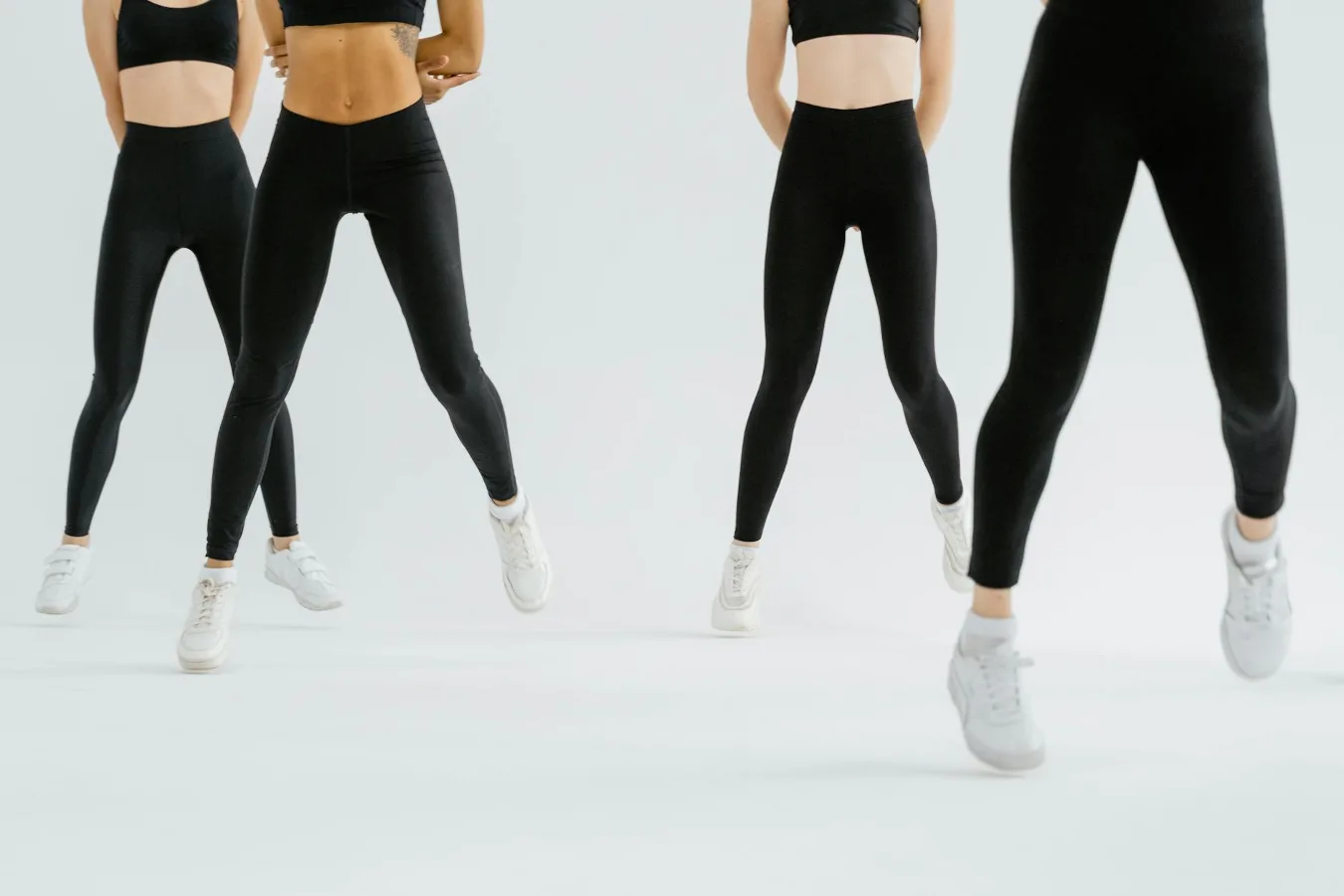
If you are shopping for compression leggings for women, the main question is not just which pair looks good. It is which pair feels supportive enough for your activity, stays comfortable over time, and fits your body without pinching, sliding, or becoming see-through. women’s leggings fit guide offers more detail on this point. Buttery Soft Leggings: What to Look For offers more detail on this point.
The best choice depends on how you plan to wear them. Some compression leggings are made for workouts and recovery, where a firmer, more structured feel matters. Others are closer to regular leggings with a supportive fit, which may work better for everyday wear, travel, or light training. best leggings for workouts offers more detail on this point.
Quick answer: what to look for first
Start with four factors: fit, compression level, fabric, and intended use. Those determine whether the leggings will actually work for you.
- Fit: Compression leggings should feel snug, but not restrictive. If they are hard to pull on, dig into the waist, or bunch at the knees, the size or cut may not suit you.
- Compression level: Some styles offer light support, while others feel noticeably firmer. More compression is not always better; comfort and mobility matter.
- Fabric: Look for a blend that balances stretch, recovery, and breathability. Fabric choice affects opacity, sweat management, and how the leggings feel during long wear.
- Use case: Training, walking, travel, lounging, and recovery all have different needs. A pair that works for the gym may be too structured for all-day comfort.
For most shoppers, the smartest purchase is a pair that feels secure at the waistband, moves well through the hips and thighs, and stays opaque under stretch.
Compression leggings versus regular leggings
The word compression gets used loosely in fashion, so it helps to separate true support from simple snugness. Regular leggings usually prioritize comfort, softness, and stretch. Compression leggings are designed to feel more held-in and stable.
That difference changes how they wear. Compression leggings can reduce the loose, sliding feeling some people get with softer leggings. They may also feel better for activities where you want a locked-in fit, such as running, circuit training, or long travel days.
There is a trade-off: more structure can mean less relaxed comfort. If you want leggings for lounging or casual errands, a very firm pair may feel like too much. If you want a pair that performs during movement, a more supportive option may be worth the firmer feel.
How to compare your options
Not all compression leggings are built for the same purpose. A good comparison looks at the practical details that affect daily wear, not just the product photos.
| What to compare | Why it matters | What to watch for |
|---|---|---|
| Waistband rise | Shapes how secure and flattering the leggings feel | Too low may slide; too high may fold or feel restrictive |
| Compression feel | Determines support and comfort balance | Light support for everyday wear, firmer support for training |
| Fabric blend | Influences stretch, breathability, and recovery | Very thin fabrics may not provide enough opacity or support |
| Seams and construction | Affects durability and chafe risk | Rubbing at inner thighs, waistband rolling, or weak stitching |
| Opacity | Important for confidence during bending and stretching | Check how the fabric behaves under tension, not just flat |
| Length and inseam style | Impacts comfort and styling | An awkward length can bunch or ride up during movement |
A useful mindset is to compare the leggings the same way you would compare shoes: the right model depends on the task, not only the appearance.
Fit details that matter most
Fit is the biggest reason compression leggings succeed or fail. Even a well-made pair can feel wrong if the cut does not match your proportions.
Waist and rise
A high-rise waistband is common because it offers more coverage and a steadier feel during movement. That does not automatically make it the best option for everyone. If the waistband is too tall for your torso, it may fold down while sitting or bending. A lower rise can feel more natural for shorter torsos, though it may offer less security.
Hip and thigh shape
Compression leggings should skim the body without creating excessive tension across the hips or thighs. If the material is overstretched in these areas, you may notice pull lines, reduced opacity, or discomfort during walking and squatting.
Length
Full-length leggings are the most versatile, but cropped and ankle-length styles can be better in warmer weather or for people who dislike excess fabric around the ankle. The right length is partly functional and partly personal preference.
Size selection
One common misconception is that sizing down improves compression. In reality, sizing too small can make leggings less comfortable, less opaque, and harder to move in. A proper fit should feel supportive without forcing the fabric to do more than it was designed to do.
Fabric and performance considerations
Fabric is where many buying decisions become clearer. Compression leggings often use synthetic blends that combine stretch with shape retention. The exact blend matters less than how it behaves in real use.
Stretch and recovery determine whether the leggings return to shape after movement. Good recovery helps prevent sagging at the knees or seat. Breathability affects comfort during longer wear, especially if you plan to exercise or travel in warm conditions. Moisture management matters if you sweat easily or wear leggings for workouts.
Some leggings feel smooth and sleek, while others have a brushed or softer finish. A softer feel may be more comfortable for casual wear, but it does not always equal better support. Likewise, a firmer, more technical fabric may be ideal for training but less appealing for lounging.
Another practical nuance: thicker does not always mean better. Heavier fabric can improve coverage and support, but it can also feel warmer and less flexible. The best fabric is the one that matches your climate, activity level, and comfort preferences.
Common use cases and what works best
Different shoppers need different kinds of compression leggings. Matching the legging to the job usually leads to better satisfaction than chasing a single all-purpose pair.
For workouts
If you are buying for gym sessions, strength training, or cardio, look for a secure waistband, strong recovery, and enough flexibility for squats, lunges, and stretching. Breathability matters here, as does seam placement if you are sensitive to chafing.
For running or high-movement activity
Runners often benefit from a firmer, more stable fit that does not shift during repeated motion. Pockets can be helpful, but only if they do not distort the fit or add bulk where you do not want it.
For travel
Travel-friendly compression leggings should feel supportive without becoming tiring over long periods of sitting. A smooth waistband and moderate compression are often more practical than an ultra-firm athletic style.
For everyday wear
If you want a legging to pair with oversized sweaters, sneakers, or casual tops, comfort and versatility may matter more than athletic-grade compression. A lighter support level can be easier to wear all day.
For recovery
Recovery wear is often chosen for a secure, contained feel after activity. The key is not maximal tightness but a balanced level of support that you can tolerate for extended wear.
Benefits worth considering
Compression leggings can be appealing for reasons beyond the gym. Many shoppers like the sense of structure around the waist and legs, especially if they prefer clothing that feels held in place.
- They may feel more secure than soft casual leggings.
- They can create a smoother silhouette under longer tops and layers.
- They may stay in place better during movement than looser styles.
- They are often versatile enough for athletic and casual outfits.
That said, these benefits are only helpful if the leggings fit well. A poorly fitted pair can create more frustration than value.
Limitations and trade-offs
Compression leggings are not automatically the best choice for everyone. The main limitation is comfort. A design that feels supportive during a workout may feel too restrictive for lounging, long flights, or warm weather.
Another trade-off is care and durability. Performance fabrics need proper washing to preserve stretch and shape. Harsh heat, heavy fabric softeners, and rough laundering can shorten the lifespan of the garment or affect how the fabric recovers.
There is also a style trade-off. Compression leggings tend to read more athletic than classic fashion leggings. If your goal is a softer, more relaxed look, a lighter legging or ponte-style option may suit you better.
Mistakes to avoid when buying
Shoppers often run into the same problems, and most of them are avoidable.
- Choosing by appearance alone: A sleek look does not guarantee comfort, support, or opacity.
- Assuming tighter means better: Excessive tightness can reduce comfort and make the leggings less practical.
- Ignoring rise and torso length: A waistband can look great online and still feel wrong on your body.
- Overlooking fabric behavior: A pair may feel supportive but still be too hot, too thin, or too prone to rolling.
- Buying for multiple use cases without compromise: A single pair rarely excels equally at hard workouts, lounging, and formal casual outfits.
One overlooked consideration is how the leggings feel after a few hours, not just in the fitting room or on first wear. Supportive leggings that seem perfect for ten minutes can become annoying during a full day.
Practical alternatives if compression feels like too much
If you want a supportive look without firm compression, you have options. These can be better for all-day comfort or for people who dislike a locked-in feel.
- Soft performance leggings: Good for light exercise and casual wear.
- High-waisted regular leggings: Offer coverage and comfort without a distinctly compressed feel.
- Bike shorts: Useful in warm weather or for layering under dresses and oversized tops.
- Ponte leggings: A more structured fashion option with a polished look.
These alternatives are especially worth considering if your main goal is versatility rather than athletic support.
Care and maintenance tips
Compression leggings last longer when they are treated as performance garments, even if you wear them casually. Wash them according to the garment instructions, avoid unnecessary heat, and store them in a way that does not overstretch the waistband.
If a pair begins to lose shape quickly, it may be a sign that the fabric blend is not right for your needs, the size is off, or the care routine is too harsh. Compression leggings should maintain their intended fit for a reasonable amount of wear, but they are not indestructible.
A simple rule helps here: the better the stretch recovery, the more important gentle care becomes.
How to make the final choice
For most women, the best compression leggings are the pair that balances support with comfort in the setting where they will be worn most often. If you need them for exercise, prioritize stability, opacity, and mobility. If you want them for daily wear, prioritize comfort, waistband feel, and versatility. If you travel in them often, focus on long-wear comfort and a smooth fit while seated.
The smartest purchase is usually not the most compressive pair on the rack. It is the pair that fits cleanly, feels secure without strain, and suits your real routine.
If you are narrowing choices, use this order: fit first, fabric second, support level third, style last. That approach helps avoid buying leggings that look right online but do not work in everyday use.
Compression leggings can be a strong addition to a women’s wardrobe, but only if they match the way you live, move, and dress. Start with the job you want them to do, then choose the pair built for that job.