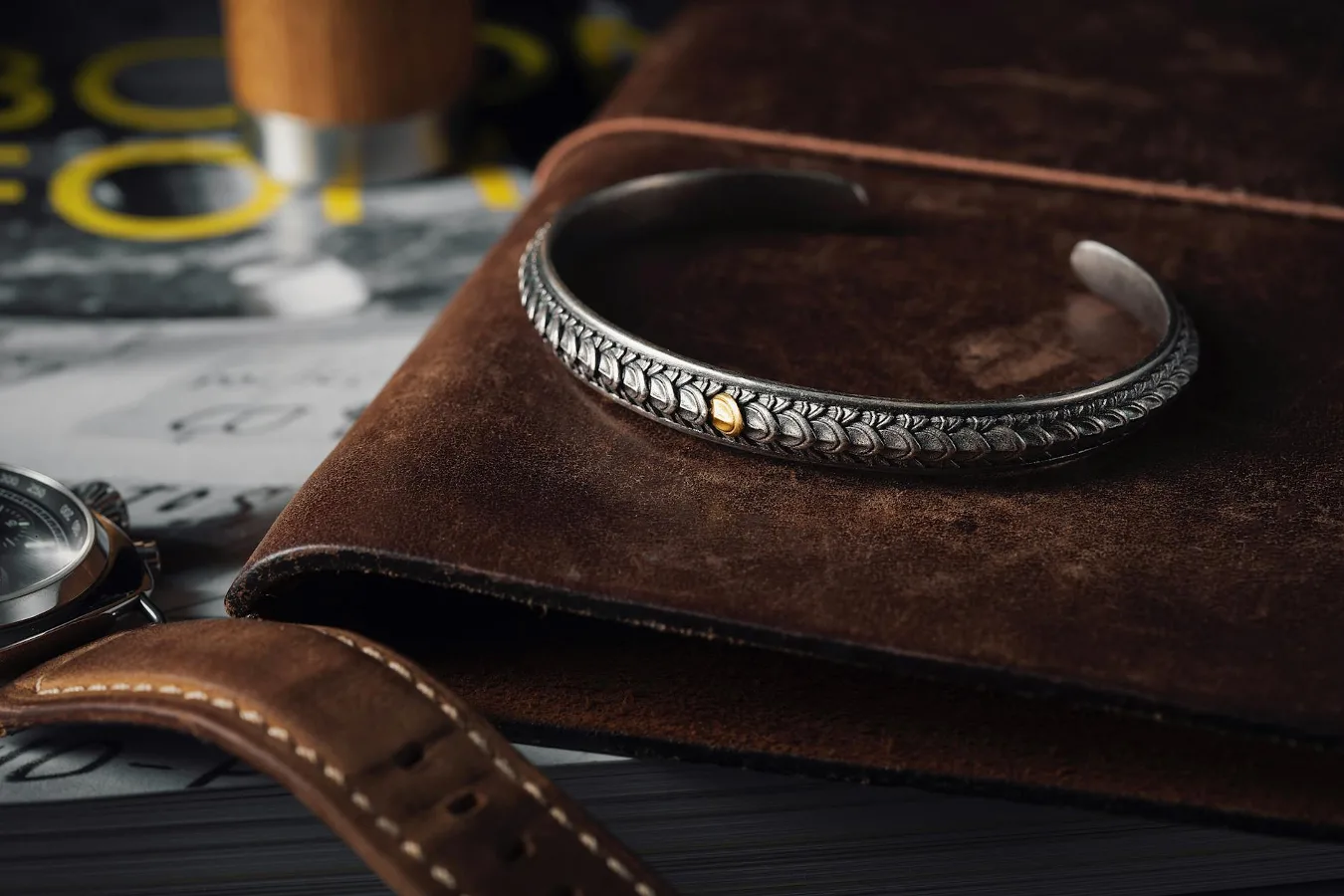
Sterling silver bracelets for men work best when the design, weight, and fit match how the bracelet will actually be worn. Some men want a piece that reads clean and understated; others want something bolder that can stand on its own. The right choice depends less on trends and more on whether the bracelet feels comfortable, holds up to regular wear, and suits your wardrobe. silver bracelets for men offers more detail on this point.
For most buyers, the main decision is between a chain bracelet, cuff, bangle, or a more sculptural design. Sterling silver has a distinct look that can feel polished or rugged depending on the finish. That versatility is part of why it remains a strong option for men’s jewelry, but it also means there are a few details worth paying attention to before you buy.
What makes sterling silver a strong choice
Sterling silver is valued for its balance of appearance, durability, and wearability. It has the bright, cool tone many people want in a metal bracelet, but it is generally easier to wear than heavier precious-metal alternatives. For men who want jewelry that can move from casual outfits to more formal settings, it offers a flexible middle ground.
A common misconception is that sterling silver is interchangeable with any item labeled “silver.” In practice, sterling silver refers to silver alloyed with other metals for strength. That matters because pure silver is too soft for most jewelry use, while plated items may wear differently over time. If you want a bracelet that is meant to be part of your regular rotation, the material description deserves close attention.
Another practical advantage is how sterling silver works with other accessories. It pairs naturally with steel, leather, black watch dials, and neutral clothing. That makes it easy to integrate into a wardrobe without forcing the rest of your look to change around it.
Choose the style based on how you will wear it
Chain bracelets
Chain bracelets are often the most versatile option for men. They can be thin and subtle or thicker and more assertive. A cleaner chain design suits everyday wear, while a heavier link profile creates more visual presence. Chain bracelets are also easier to layer with a watch or other bracelet, provided the proportions are balanced.
If you want something low-key, look for a medium-width chain with a secure clasp and a finish that matches the rest of your jewelry. If you want the bracelet to be a focal point, a heavier chain can do that without needing much else from the outfit.
Cuff bracelets
Cuffs have a more architectural look and are often chosen for their simplicity. Because they are open-ended, sizing and wrist shape matter more than they do with adjustable chains. A cuff that is too loose can rotate excessively, while one that is too tight can feel restrictive. The best cuffs have enough structure to hold their shape without looking stiff.
Cuffs are a good option if you prefer a cleaner silhouette and want something that can feel refined rather than decorative. They can also be easier to put on and take off than many clasped bracelets.
Bangles and rigid bracelets
Men’s bangles and rigid bracelets tend to create a more defined look. They can work well when worn alone or as part of a restrained stack. The main trade-off is noise and movement: rigid designs can clink against a watch or desk, which some people like and others find distracting.
These styles suit buyers who want a straightforward shape and are comfortable with a more noticeable accessory. They are less forgiving if the fit is off, so accuracy matters.
Textured, oxidized, and detailed designs
Some sterling silver bracelets use brushed, hammered, woven, or oxidized finishes to add depth. These designs can be especially appealing if you want the bracelet to feel less polished and more characterful. An oxidized finish can also soften the brightness of silver, which may make the piece easier to wear with casual clothes.
The trade-off is that more texture can show wear differently than a smooth polish. In some cases, the design is meant to develop character over time; in others, the finish may need more careful cleaning to preserve the intended look.
The practical factors that matter most
Fit and wrist proportion
Fit is usually the biggest reason a bracelet succeeds or fails. A piece that looks good on a product page can feel awkward if it shifts too much, pinches, or sits in the wrong place on the wrist. Men with larger wrists often need more than a simple “one-size” approach, while slimmer wrists may need a design that does not overwhelm the hand. men’s bracelet size guide offers more detail on this point.
Before buying, think about whether you want a close fit or a looser drape. A close fit feels more controlled and can be better for everyday use. A looser fit creates a relaxed look, but it may slide around more and catch on cuffs or jacket sleeves.
Weight and comfort
Weight is a real design factor in sterling silver bracelets for men. Heavier bracelets often feel substantial and premium, but that same weight can become tiring for all-day wear. Lighter pieces are easier to forget about, which is useful if you plan to wear the bracelet often.
The right balance depends on your routine. If you spend a lot of time typing, lifting, or working with your hands, a lighter or smoother design may be more practical. If the bracelet is primarily for evenings or occasional wear, a heavier profile may be worth it.
Clasp type and security
Clasp design affects both convenience and peace of mind. Lobster clasps, box clasps, toggle closures, and magnetic styles each have different strengths. A secure clasp matters especially if you plan to wear the bracelet during travel, commutes, or long days away from home.
One overlooked consideration is how easy the bracelet is to fasten without help. Some men prefer a clasp they can manage with one hand; others prioritize a closure that feels more secure even if it is less convenient. Neither approach is universally better, but the decision should match your habits.
Finish and maintenance
Polished sterling silver has a bright, reflective look, while brushed or oxidized finishes look softer and often hide small marks better. If you want a piece that stays visually crisp, polished silver can be appealing, though it may show fingerprints and minor scratches more readily. If you prefer a worn-in appearance, textured or darker finishes may be easier to live with.
Maintenance is part of the ownership experience. Sterling silver can tarnish with exposure to air, moisture, cosmetics, and certain chemicals. That does not make it a poor choice; it just means it rewards simple care. Storing it properly and cleaning it gently can preserve the look for much longer.
Solid silver versus plated options
Shoppers sometimes compare sterling silver bracelets with silver-plated pieces because the visual difference can be subtle at first glance. The distinction matters because plated jewelry depends on a thin surface layer, while sterling silver is a silver alloy throughout the piece. That affects longevity, maintenance, and how the bracelet ages.
If you want a bracelet that is intended to stay in rotation over time, sterling silver is usually the more practical category. If you are buying for a short-term style experiment or want a lower-commitment accessory, plated options can be worth considering, but they typically have different durability expectations.
How to match the bracelet to your style
Men’s sterling silver bracelets tend to look best when they align with the rest of your wardrobe rather than competing with it. If your clothing is mostly minimal, a clean chain or cuff can add interest without feeling out of place. If your style leans rugged, a heavier chain or oxidized finish may feel more natural. If you dress smart-casual, a medium-weight bracelet with a simple profile can bridge both sides.
Watch compatibility is another useful filter. A silver bracelet usually looks most balanced next to a metal watch with similar tones, though contrast can work if it is deliberate. If you wear a large watch, avoid a bracelet that is equally bulky unless you want a very strong wrist stack. If you prefer a more restrained look, let one piece lead and keep the other quieter.
Ring wear can matter too. A bracelet that feels elegant on its own may look cluttered if paired with several large rings and a thick chain necklace. That is not a reason to avoid silver jewelry altogether, only a reminder that proportion matters more than quantity. Memento Mori Silver Coin Necklace Guide offers more detail on this point.
When sterling silver is the right buy, and when it is not
Sterling silver is a smart choice if you want a bracelet with real material value, broad styling flexibility, and a look that can move between casual and dressed-up settings. It is especially suitable if you like cool-toned metals and are comfortable with basic care.
It may not be the best option if you want a completely maintenance-free piece. If frequent tarnish concerns you, stainless steel or titanium may be easier. If you want a warmer, more traditional look, gold vermeil or yellow gold tones may suit you better. If your daily routine is especially hard on jewelry, a sturdier alternative can make more sense than a silver piece that needs more attention.
There is also a practical difference between wanting a statement accessory and wanting an everyday staple. A bold sterling silver bracelet can be a strong style piece, but a quieter design is usually easier to wear repeatedly. For many buyers, the best purchase is the one they will actually keep on instead of saving for special occasions.
Common mistakes buyers make
- Choosing by appearance alone and ignoring wrist fit.
- Buying a bracelet that is too heavy for everyday wear.
- Assuming all “silver” bracelets are sterling silver.
- Overlooking clasp quality and ease of use.
- Picking a highly detailed design without considering maintenance.
- Pairing a bulky bracelet with a large watch and creating too much visual weight.
- Ignoring return policies or sizing guidance when buying online.
Most of these mistakes come from treating the bracelet as a purely decorative item. In reality, it is a wearable object that has to work with your wrist shape, daily movement, and style habits.
Buying guidance that keeps the choice simple
If you want a clean, versatile bracelet, start with a medium-width chain in sterling silver and a secure clasp. If you want a more architectural look, consider a cuff with a shape that matches your wrist. If you are drawn to texture or a slightly rougher finish, an oxidized or hammered style may feel more distinctive.
Then narrow your choices using three questions: Does it fit your wrist comfortably? Will you actually wear it with your clothes and watch? Can you maintain the finish without frustration? Those answers usually matter more than chasing the most eye-catching design.
For gifts, simpler designs are often safer unless you already know the recipient’s taste. A restrained sterling silver bracelet is easier to wear across different settings than a very specific trend-driven style. If you are unsure, prioritizing fit, comfort, and clasp security is a better strategy than choosing the most decorative option.
Sterling silver bracelets for men are at their best when they feel intentional rather than flashy. A well-chosen piece should fit naturally into daily life, hold up to regular wear, and reflect the wearer’s style without demanding too much maintenance or attention. That is the standard worth using when comparing options.