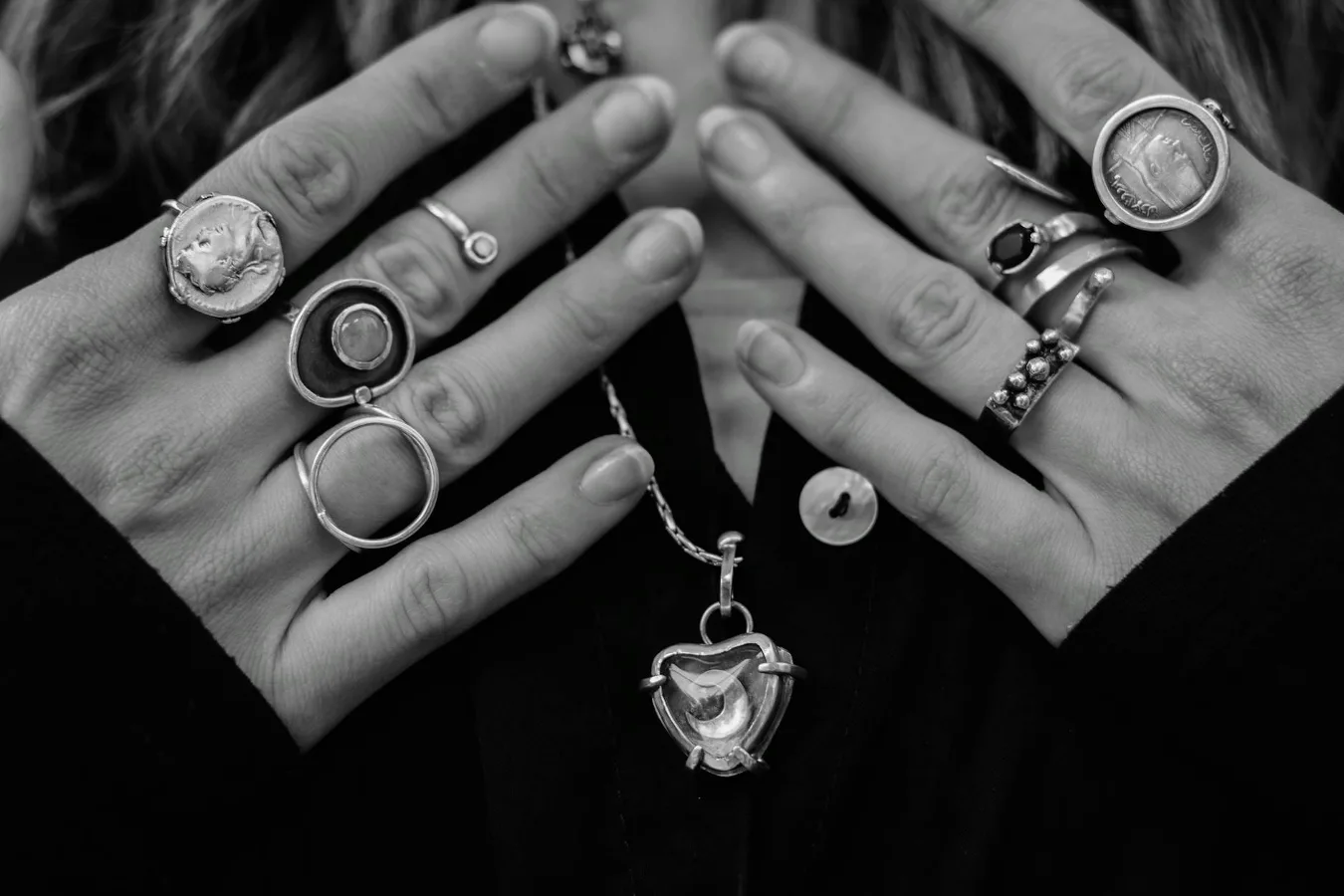
Why this necklace style stands out
A memento mori silver coin necklace is a piece of symbolic jewelry that combines a coin-shaped pendant with themes of mortality, remembrance, and living intentionally. For many buyers, the appeal is not just the look; it is the message. The design often feels more personal than a standard pendant because it can carry philosophical, spiritual, or aesthetic meaning without being loud. silver jewelry maintenance guide offers more detail on this point.
If you are shopping for one, the main question is usually not whether the concept is interesting. It is how to choose a version that feels wearable, durable, and true to your style. That means looking beyond the motif and paying attention to silver quality, pendant weight, chain compatibility, finishing, and how the piece fits into everyday use. how to choose a meaningful pendant offers more detail on this point.
This guide breaks down the practical differences that matter most so you can decide whether a memento mori silver coin necklace is right for you, and if so, what kind makes the most sense.
What to look for first
The best starting point is the relationship between the design and the wearability. Some coin necklaces lean artistic and collectible, while others are built for simple daily wear. The right choice depends on whether you want a subtle symbol under a shirt collar, a visible statement piece, or something that works layered with other chains.
Pay close attention to the following factors before narrowing your options:
- Silver type and overall finish
- Pendant size and how visually bold it is
- Chain style, length, and strength
- Surface detail and whether the design is easy to read
- Weight balance so the pendant does not feel awkward
- Style compatibility with your wardrobe
These details matter more than many buyers expect. A beautiful pendant can still disappoint if the chain feels flimsy, the coin sits too high or too low, or the finish looks better in photos than in person.
Silver quality and finish
For most shoppers, the silver itself is the first quality signal. Many coin necklaces are made in sterling silver, which is commonly associated with durability and a traditional jewelry feel. Depending on the design, the surface may be polished, brushed, darkened, or oxidized to give the coin more contrast and visual depth. sterling silver necklace basics offers more detail on this point.
An oxidized silver finish is especially common in symbolic and antiqued styles because it can emphasize relief details, lettering, skull motifs, or textured borders. That said, darker finishing can also make the piece feel more dramatic, which may not suit someone looking for a clean, minimalist look.
Polished silver tends to read brighter and more modern. It is often easier to pair with contemporary clothing, but it may show fingerprints, fine marks, and regular wear more clearly. If you prefer a low-maintenance look, a satin or lightly antiqued finish can be a practical middle ground.
One overlooked consideration is how the finish will age. Some pieces are designed to develop a natural patina, which can enhance the antique character. Others look best when kept bright. If you like the idea of gradual change, choose accordingly; if you want consistency, a finish that holds its appearance longer may be the better fit.
Pendant size and visual balance
Coin necklaces can vary widely in scale, and size has a direct effect on how the piece wears. A larger pendant makes the symbolism more visible and often creates a stronger style statement. A smaller coin can feel more discreet and versatile for daily wear.
Think about proportion first. If you wear slimmer chains and smaller collars, an oversized pendant may dominate the look. If you prefer heavier jewelry, a tiny coin may disappear visually and feel underwhelming. The goal is not the biggest or smallest option; it is the one that looks intentional on your frame and with your usual clothing.
For many buyers, a mid-sized coin pendant is the most flexible. It usually offers enough detail for the memento mori theme to be readable without feeling costume-like. That balance is especially useful if you want one necklace to work with T-shirts, button-downs, sweaters, and outerwear.
Chain choice matters more than most people think
The chain is not just an accessory to the pendant. It shapes comfort, durability, and the overall tone of the necklace. A sturdy chain can make the piece feel substantial and secure, while a delicate one can lighten the look but may be less forgiving for regular wear.
Common chain styles for coin pendants include box chains, cable chains, curb chains, and rolo chains. Each brings a different balance of visual presence and strength. A clean, simple chain often keeps the focus on the pendant, while a thicker chain can make the whole necklace feel more assertive.
Length also changes the effect. Shorter lengths place the pendant higher and closer to the neckline, which can look neat and contemporary. Longer chains create more movement and can make the piece feel more layered or expressive. If you plan to wear it with other necklaces, consider whether the pendant will sit cleanly without tangling or crowding neighboring chains.
A practical rule: if the pendant is weighty or detailed, the chain should feel proportionate rather than decorative only. A mismatch can shorten the life of the necklace and affect how comfortable it feels throughout the day.
Symbolism and style direction
Memento mori jewelry carries a long-running theme: remember mortality, value time, and live with intention. Some pieces express this through skull imagery, hourglass motifs, Latin lettering, or antique coin references. Others are more subtle and rely on texture, inscriptions, or worn-metal character.
That range matters because the symbolism can shift the entire style direction of the necklace. A coin with bold skull relief may feel gothic, darkly romantic, or alternative. A more restrained design with understated lettering may read as philosophical, vintage, or quietly personal. Neither approach is better; they simply serve different wearers.
This is one area where people sometimes make a mistake by focusing only on the concept and ignoring the style language. A necklace may have the right meaning but still feel too intense, too ornate, or too literal for everyday wear. Before buying, ask whether you want the message to be obvious to others or primarily meaningful to you.
Wearability, comfort, and daily use
A necklace can look excellent and still be inconvenient if it catches on collars, flips frequently, or feels heavy during long wear. Comfort is a real buying criterion for coin pendants because the shape is broad, and some designs have raised edges or textured surfaces that change how they sit against skin and fabric.
If you plan to wear the necklace often, look for a pendant profile that lies reasonably flat. Sharp edges, bulky loops, and oversized bail components can make the piece feel less refined in practice. For active daily use, a more balanced pendant and a secure chain are generally preferable to an especially ornate one.
Another practical point is layering. Coin necklaces often work well as a focal piece, but they do not always cooperate with other pendants. If layering is part of your style, keep chain lengths distinct and avoid pendants that are too similarly weighted. That reduces tangling and keeps the look from appearing cluttered.
How to judge quality without overcomplicating it
You do not need a technical background to make a smart choice. A useful shortcut is to evaluate the piece as a whole rather than fixating on one feature. Good design balance usually shows up in a few ways: the pendant looks intentional from the front and side, the chain feels appropriate for the pendant, and the finish supports the theme rather than working against it.
Here are some signs that the necklace may be worth closer attention:
- The coin motif is clear without needing excessive explanation
- The bail and chain connection look sturdy and proportionate
- The finish suits the style instead of looking accidental
- The back side is finished well enough for normal wear
- The piece appears designed for actual use, not only display
Common red flags include awkward proportions, overly busy surface detail that becomes muddy at a distance, and chains that seem too thin for the pendant weight. Another issue is overdesigned packaging or dramatic photography that distracts from an otherwise ordinary product. For jewelry, the object itself should be able to carry the appeal.
Best use cases for this type of necklace
A memento mori silver coin necklace is a strong fit for buyers who want jewelry with meaning attached to it. It can work especially well as a personal daily piece, a thoughtful gift, or a signature accessory that feels a little more distinctive than basic chains or generic pendants.
It is also a good option for people who like vintage references, symbolic design, or jewelry that invites conversation without relying on flashy stones or logos. In neutral wardrobes, a silver coin pendant can become a useful anchor piece because it adds texture and focal interest without requiring much coordination.
That said, it may be less suitable if you want an ultra-minimal necklace, a highly polished formal piece, or something that disappears into the background. The meaning-rich nature of the design is part of its strength, but also part of its limitation.
Alternatives worth considering
If you like the idea but are not fully sold on a memento mori coin, there are several related directions to explore.
- Simple coin pendants with no symbolic imagery, if you want the shape but not the message
- Vintage-inspired medallion necklaces, which can feel more classic and less dramatic
- Minimal silver pendants, if your priority is versatility over symbolism
- Religious or talismanic necklaces, if you want meaning in a different tradition
- Layering chains without pendants, if you like the silver look but prefer understated styling
These alternatives are helpful if you love the coin format but want to narrow the emotional or visual intensity. Sometimes the best purchase is the one that captures the same spirit in a softer way.
Common mistakes to avoid
The most common mistake is choosing a necklace based only on the front-facing design. Coin pendants live or die by proportion, chain compatibility, and finish quality. Another frequent problem is buying a style that is visually compelling but too intense for the wearer’s day-to-day wardrobe.
Other mistakes include:
- Ignoring chain strength relative to pendant weight
- Choosing a finish that conflicts with the rest of your jewelry
- Overlooking comfort at the neckline
- Assuming every darkened silver piece will age the same way
- Buying a symbolic design without considering how openly you want to wear it
These are easy errors to make because photos tend to emphasize mood over practicality. A thoughtful buyer looks at how the necklace will function after the first impression fades.
How to decide if it is the right purchase
The best decision framework is simple: choose the necklace only if the meaning, scale, and wearability all line up. If the symbolism matters to you, the necklace becomes more than an accessory. If the style fits your wardrobe, it becomes something you will actually wear. If the chain and finish are practical, it is more likely to stay in rotation rather than sit in a box.
For buyers who want a statement with depth, a memento mori silver coin necklace can be a strong choice. For buyers who prefer quiet versatility, a smaller or less literal coin pendant may be the better route. Neither option is wrong; the right one depends on how much visual and philosophical weight you want the piece to carry.
If you are comparing options, focus on the relationship between message and usability. That is where this category either succeeds or falls short.