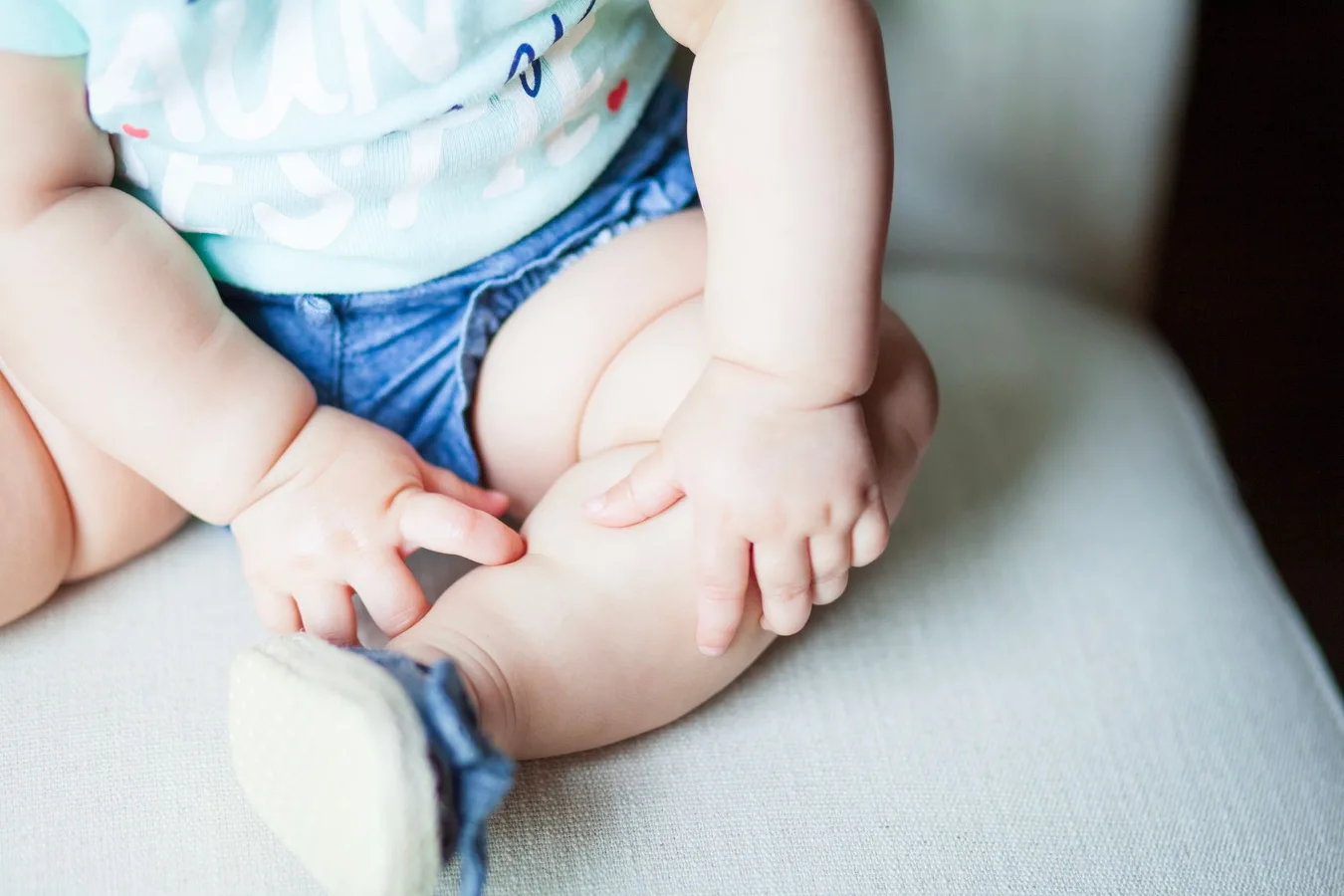
Leggings for newborns are usually best thought of as a soft layering piece, not a fashion statement first. The right pair can make diaper changes easier, add warmth without bulk, and work under bodysuits, sleepers, or dresses. The wrong pair can feel tight at the waist, ride up the legs, or create more fuss than they solve. how to choose newborn bodysuits offers more detail on this point.
If you are shopping for newborn leggings, the main question is not whether they are cute. It is whether they are comfortable, easy to move in, and practical for a baby whose body changes quickly in the first weeks. That means paying attention to fabric, waistband design, stretch, and how the leggings will actually be used.
Who newborn leggings make sense for
Newborn leggings are a good option for parents who want a simple bottom layer that pairs easily with bodysuits and tops. They can be especially useful in cooler weather, in air-conditioned rooms, or when you want a little extra coverage without switching to heavier pants.
They also appeal to families who like gender-neutral basics or want clothing that can be mixed and matched across several outfits. A neutral pair of leggings can work with everyday essentials and reduce the need for many separate bottoms in the smallest size range.
That said, leggings are not always the best choice for every newborn. Some babies spend most of their early days in footed sleepers or one-piece outfits, which can be simpler for sleep and frequent diaper changes. If your baby tends to run warm, a thinner bottom layer may be enough, or leggings may not be necessary at all. best fabrics for sensitive baby skin offers more detail on this point.
The main trade-offs to think about
Newborn leggings sit in a narrow middle ground between comfort and convenience. They are softer and more flexible than structured pants, but they can also be less convenient than a full romper if the waistband is poorly designed or the fit is too snug.
Pros include easy layering, a soft feel, and outfit flexibility. They can help keep legs covered during naps, outings, or family photos, and they often pair well with longer tops and bodysuits.
Limits are worth considering too. Leggings do not replace sleepwear, and they are not automatically the most practical choice for overnight wear. They can also slide down if the waistband is too loose, or feel restrictive if the elastic is stiff.
A useful way to think about them: leggings are best when you want flexibility, not when you want one-piece simplicity.
Fabric matters more than the label
For newborn clothing, fabric choice usually affects comfort more than style details. A soft, breathable material is typically easier to live with than something that looks polished but feels less forgiving on delicate skin.
Many shoppers look for cotton because it is familiar, soft, and easy to layer. Cotton blends can also work well if they include enough stretch to move comfortably without becoming baggy. The key is to look for fabric that feels smooth, not scratchy, stiff, or overly synthetic.
Breathability matters because newborns spend a lot of time being held, swaddled, or lying down. A legging that traps heat can become less comfortable quickly, especially indoors or in mild weather. On the other hand, a fabric that is too thin may not offer enough coverage or may lose shape after repeated wear.
Parents who prefer simpler wardrobes often find that a soft knit with a little stretch gives the best balance. It tends to move with the baby, work across several outfit combinations, and feel less fussy than more decorative materials. how baby clothing fit should feel offers more detail on this point.
What to avoid in fabric choice
- Fabrics that feel rough on the inside
- Overly stiff materials with little stretch
- Decorative finishes that may feel bulky at the seams
- Heavy fabrics that add warmth when you do not need it
Fit and waistband comfort are the real deciding factors
With newborn leggings, fit is more important than appearance. A good pair should sit gently at the waist, stay in place without digging in, and allow room for a diaper without creating tightness through the seat or legs.
The waistband deserves special attention. A soft, flexible waistband is usually more forgiving than a rigid elastic that can press into the skin. Since newborns are not moving like older babies, the goal is not athletic support. The goal is gentle hold.
Leg length also matters, but not in the way it does for older children. Newborns grow quickly, and a little extra length can be fine if the leggings still fit comfortably through the waist and hips. What matters most is whether the leg openings bunch, twist, or feel tight around the calves or ankles.
One common misconception is that smaller clothing automatically fits better if it looks neat. In newborn clothing, a snug visual fit can be misleading. If the waistband leaves marks, the legs bunch in an uncomfortable way, or the diaper area looks compressed, the leggings are not a good fit even if the size looks correct on paper.
Season and use case should shape your choice
The best leggings for newborns often depend on how and when you plan to use them. A pair chosen for layering in winter may not be the right pick for everyday indoor wear in a warm home.
For colder months, leggings can add useful warmth under bodysuits, long tops, or cardigans. They are especially practical when you want coverage but do not want bulky pants that make dressing or diaper changes harder.
For everyday indoor use, a lightweight pair may be more versatile. You want something that does not overheat the baby and that still works comfortably during long stretches of being held or lying down.
For outings, leggings can be an easy styling layer because they keep outfits simple and coordinated. They are also helpful if you want a bottom that looks more finished than a basic onesie alone, without moving into complicated baby fashion territory.
For sleep, leggings are usually not the first choice unless they are specifically suitable for the setting and comfortable for the baby. Many parents find sleepers or sleep sacks simpler and more predictable for overnight wear.
Newborn leggings versus other baby bottoms
It helps to compare leggings with other common options before buying.
Footed sleepers are usually the easiest all-in-one option for sleep and lounging. They reduce the need to coordinate layers, but they do not offer the same outfit flexibility as leggings.
Joggers or knit pants may be slightly roomier and can feel more structured. They can work well, but some are bulkier than leggings and less adaptable under longer tops.
Bloomers or diaper covers can be useful for certain outfits, especially in warmer weather, but they are not the same as everyday leggings and usually offer less coverage.
Harem-style baby pants can provide a looser fit around the diaper area. Some parents prefer that extra room, while others find the shape less practical with smaller tops.
Leggings are often the best middle option if you want softness, stretch, and simple coordination. If you want maximum ease, sleepers may win. If you want more airflow or a looser silhouette, other baby pants may be better.
Look closely at construction details
Small details can make a big difference in baby clothing. With newborn leggings, seams, stretch recovery, and waistband construction often matter more than decorative elements.
Seams should feel smooth and unobtrusive. Thick seams may not be a major issue for adults, but on a newborn they can add unnecessary pressure. A softer interior finish is usually easier to live with.
Stretch recovery is another practical factor. Leggings should move easily and then return to shape without becoming baggy at the knees or seat after a few wears. You do not need performance wear technology here; you need a fabric that behaves consistently.
Waistbands should be secure without being harsh. Fold-over waistbands can be comfortable for some babies, while others do better with a gentle elastic band. There is no single correct answer, but there is a clear rule: if the waistband leaves impressions or seems to fight the diaper, look for a different style.
Tags and embellishments can also affect comfort. Anything itchy, bulky, or loosely attached is worth avoiding for newborn clothing, where simple often works better.
Practical care and durability considerations
Newborn clothes need to survive frequent washing, since messes are part of the reality. That makes care instructions worth checking before you buy, especially if you plan to rotate the same few basics often.
A pair that is easy to wash and dries predictably is generally more useful than a delicate option that requires extra handling. Durability here does not mean heavy-duty feel. It means the leggings can stay soft, keep their shape, and remain comfortable through repeated use.
If you are building a small baby wardrobe, consider how often the leggings will actually be worn. It is usually better to choose a few pairs that work well with multiple outfits than to buy several pairs that only look good with one specific top.
Color is part of practicality too. Neutral shades can make mixing easier, while darker colors may be more forgiving between washes. Light colors can be lovely, but they may show stains more easily, which is a real-life constraint for newborn clothes.
Common mistakes shoppers make
Many first-time buyers focus too much on the look of newborn leggings and not enough on the fit around the waist and diaper area. That is the most common place where comfort issues show up.
Another mistake is buying only one style before understanding what your baby actually tolerates best. Some babies do well in soft, close-fitting leggings. Others seem happier in roomier bottoms or simpler sleepers. A small trial can be more useful than overcommitting to one type.
It is also easy to overlook the difference between newborn and 0-3 month sizing. Clothing size varies by brand, and newborn is not a universal fit. If you are shopping ahead, leaving a little flexibility in size selection may be more practical than assuming a labeled size will fit every baby the same way.
Finally, do not assume decorative details are harmless. Ruffles, bows, tight cuffs, or bulky appliqués can look sweet in photos but may not be ideal for everyday wear.
A simple way to decide before you buy
If you want a quick decision filter, start with three questions:
- Will these leggings be used mainly for layering, outings, or everyday wear?
- Does the fabric feel soft, breathable, and stretchy enough for a newborn?
- Will the waistband and leg openings likely sit gently over a diaper without pressure?
If the answer to those questions is yes, the leggings are probably worth considering. If not, a sleeper, roomier pants, or a different baby bottom may be a better fit for your needs.
The best newborn leggings are the ones that stay in the background and make dressing simpler. They should support the outfit, not create extra work.
Next steps for smarter shopping
Before adding newborn leggings to a cart, compare them with the rest of the baby wardrobe you already have. If you own several sleepers, you may only need one or two pairs of leggings for layering or going out. If most of the wardrobe is bodysuits, leggings can be a useful bridge piece.
Keep the decision grounded in everyday use. Think about temperature, washing habits, how often you want to change outfits, and whether you prefer one-piece simplicity or mix-and-match flexibility. That approach will usually lead to better choices than shopping by style alone.
For most families, the right newborn leggings are soft, simple, and easy to pair. They are not the most dramatic item in the closet, but they can be one of the most useful when chosen with comfort and practicality in mind.