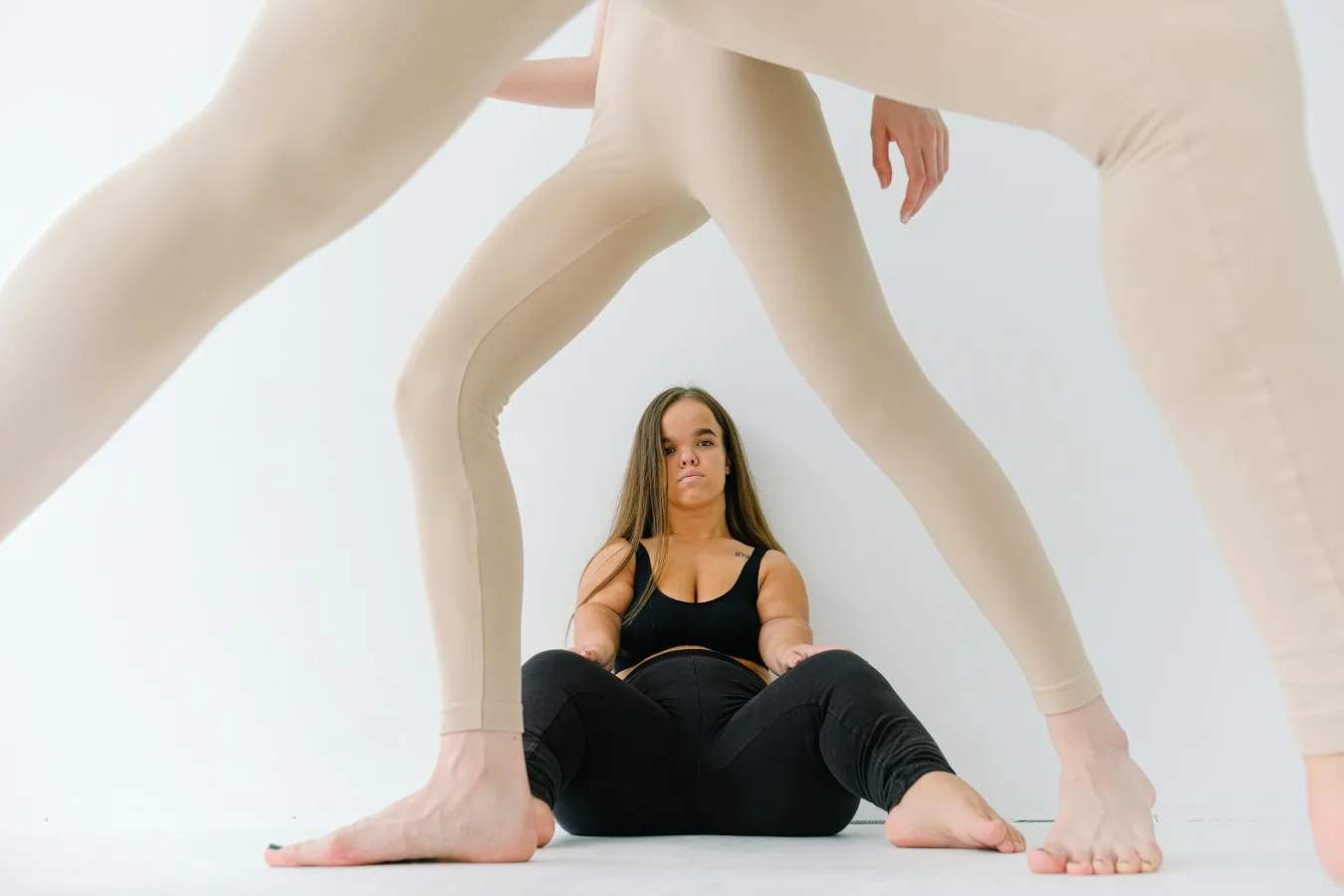
Essentials leggings are the pairs people reach for again and again: for lounging, running errands, traveling, layering under oversized tops, or building a simple outfit quickly. If you are looking for the right pair, the main question is not just what looks good online. It is whether the leggings fit your routine, your comfort preferences, and the way you actually wear basics. essential leggings offers more detail on this point.
The best essentials leggings usually balance softness, stretch, opacity, and a clean silhouette. That balance looks different depending on whether you want something for all-day wear, light workouts, travel, or a more polished casual outfit. A pair that works beautifully for one use case can be frustrating for another, which is why the details matter.
When essentials leggings matter most
Leggings earn their place in a wardrobe because they solve practical problems. They are easy to pair, easy to move in, and often more forgiving than structured pants. But they are not all interchangeable.
Essentials leggings matter most when you want one of three things: dependable comfort, simple styling, or easy layering. If your goal is a lean wardrobe with pieces that pull weight across multiple outfits, this category deserves more attention than it usually gets.
- For daily wear: you want softness, a waistband that stays put, and fabric that does not feel restrictive.
- For styling: you want a smooth finish, a flattering rise, and enough structure to look intentional with sweaters, tees, or tunics.
- For movement: you want stretch, recovery, and enough coverage to avoid constant adjusting.
The overlooked point is that “essentials” does not mean “basic in the disposable sense.” The best pair should earn repeated wear without losing shape too quickly or feeling too delicate for real life.
Step-by-step criteria for choosing a pair
1. Start with your main use case
Before comparing fabric or rise, decide where these leggings will do the most work. A pair for lounging can feel softer and thinner than a pair you plan to wear out of the house. A pair for errands or travel usually needs a bit more structure so it does not read as sleepwear.
If you want one pair to cover several settings, look for a middle ground: comfortable enough for home, polished enough for public wear, and durable enough for repeated washing.
2. Pay attention to fabric content and hand feel
Fabric is one of the biggest differences between leggings that feel essential and leggings that stay unused. Cotton blends can feel breathable and familiar, while synthetic blends often bring more stretch recovery and a smoother finish. Some fabrics feel more matte; others read shinier or more athletic.
There is no universal best fabric. The right choice depends on the experience you want:
- Softness: helpful for lounging and long wear.
- Stretch recovery: important if you dislike baggy knees or a sagging waistband.
- Breathability: useful in warmer weather or for extended wear.
- Smooth finish: often preferred for a cleaner outfit appearance.
A common misconception is that the softest leggings are automatically the best. Extremely soft fabrics can feel great at first but may be less supportive or more prone to showing wear. The trade-off is comfort versus structure.
3. Check the rise and waistband shape
High-waisted leggings remain popular for a reason: they often feel more secure, work well with cropped tops, and create a clean line under longer layers. That said, not every high waist sits the same way. Some rise too high for shorter torsos; others roll or dig in if the waistband is too stiff.
Look for a waistband that stays comfortable when sitting, bending, and walking. If the elastic feels tight in the fitting room, it usually does not improve later. A waistband that feels too loose can slide down during the day and become the main reason you stop wearing the pair.
4. Think about opacity before anything else
Opacity is one of the most practical considerations, especially if you plan to wear essentials leggings as pants rather than under layers. Even a flattering pair can become frustrating if the fabric becomes sheer when stretched.
When evaluating opacity, consider how the leggings behave in motion, not just how they look standing still. Squatting, sitting, and bending are the moments when thin fabric usually reveals its limits. If you want a pair for public wear, opacity should rank near the top of your checklist.
5. Choose the right length for your body and wardrobe
Full-length leggings are the most versatile option for many wardrobes, but cropped, ankle, and 7/8 lengths each solve different problems. Cropped lengths can work well in warmer climates or with certain shoes. Full-length pairs are often easier to style in cooler weather and can feel more polished with boots or sneakers.
Length also affects how the leg line looks. A pair that ends at an awkward point can make the outfit feel visually unbalanced, even if the fabric quality is good. If you wear leggings often with the same footwear, match the length to that routine. how to choose a flattering fit offers more detail on this point. Zobha Leggings: How to Choose the Right Pair offers more detail on this point.
6. Evaluate seam placement and construction
Seams shape both comfort and appearance. Flat seams can reduce irritation, while strategic seam placement can create a smoother silhouette. On the other hand, too much visible seaming can make a pair feel more athletic than essential.
Construction matters for durability too. If seams are weak or the stitching looks uneven, the leggings may not hold up well to frequent wear and washing. That is especially relevant for a wardrobe staple, where longevity matters more than novelty.
Examples of how different essentials leggings serve different needs
Here is how the same category can split into distinct use cases:
- For lounging at home: prioritize softness, flexibility, and a waistband that does not feel restrictive.
- For errands and casual outings: prioritize opacity, shape retention, and a fabric finish that looks intentional.
- For layering: prioritize a close fit, minimal bulk, and a length that disappears neatly under longer pieces.
- For travel: prioritize comfort over long periods, easy care, and enough structure to avoid constant adjusting.
- For light activity: prioritize recovery, secure fit, and movement-friendly construction.
The real-world constraint is that one pair rarely excels at everything. If you expect lounge-level softness, workout-level support, and tailored-pant polish from the same garment, you may end up disappointed. A more realistic approach is to define which two qualities matter most and accept a compromise on the third.
Common mistakes shoppers make
- Choosing by softness alone: soft fabric can be comfortable, but it may not hold shape or provide enough coverage.
- Ignoring rise height: a waistband that looks good on a hanger may feel wrong on your torso length.
- Overlooking opacity: thin fabric can limit when and where you feel comfortable wearing the leggings.
- Buying the wrong length: the best pair on paper can still look off if the hem lands awkwardly.
- Expecting one pair to do everything: home wear, public wear, and workout wear often call for different construction.
Another mistake is treating essentials leggings as purely trend-driven. Trends can influence color and cut, but a good basic pair should still make sense after the trend cycle shifts.
How to compare essentials leggings quickly
If you are comparing a few options, use a simple checklist:
- Decide the main use: lounging, casual wear, layering, or light activity.
- Check the fabric blend: look for the feel and recovery you want.
- Review the waistband: consider whether you prefer high-rise or mid-rise support.
- Look for opacity clues: thicker fabric, dense knit, and thoughtful construction usually help.
- Match the length to your wardrobe: choose the hem that works with your common shoes and tops.
- Assess care needs: make sure the washing instructions fit your routine.
This approach is more useful than focusing on one feature like color or stretch percentage alone. Essentials leggings succeed when several small decisions line up.
Care and maintenance considerations
Basic leggings often last longer when they are washed and handled gently. Heat, aggressive washing, and rough storage can all shorten the life of stretch fabrics. If a pair is meant to be a staple, maintenance matters as much as initial comfort.
- Follow the garment care label closely.
- Avoid rough washing habits that can stress elastic fibers.
- Store them folded or organized so waistbands do not get stretched out unnecessarily.
- Rotate pairs if you wear leggings often, so one favorite does not wear out too quickly.
Even well-made leggings have limits. Over time, stretch can relax, color can fade, and the surface can show wear. That is normal for a heavily used basic. Choosing a pair that can handle your routine matters more than chasing perfection.
Leggings alternatives worth considering
If essentials leggings do not quite fit your needs, there are practical alternatives that serve a similar role:
- Jeggings: useful if you want the look of denim with more stretch, though they may feel less athletic.
- Bike shorts: a warmer-weather option for casual styling and layering.
- Wide-leg knit pants: better if you want softness with a less body-hugging silhouette.
- Joggers: a good choice if you want comfort with a slightly more relaxed shape.
- Yoga pants: can work for movement-focused wardrobes, depending on the cut and fabric.
The best alternative depends on whether your priority is coverage, polish, comfort, or mobility. Sometimes the right answer is not a different brand of leggings, but a different silhouette altogether.
Checklist before you buy
- Do you know the main setting where you will wear them?
- Does the waistband match your comfort preference?
- Is the fabric likely to feel supportive enough for your needs?
- Will the opacity work for bending, sitting, and walking?
- Does the length suit your shoes and tops?
- Are the care instructions realistic for your routine?
- Would a different silhouette serve you better?
If you can answer those questions confidently, you are much more likely to pick essentials leggings you will actually wear.
FAQ
What makes leggings “essential”?
Essentials leggings are versatile, easy-to-style pairs that work across everyday situations. They are usually chosen for comfort, layering, and repeat wear rather than for a highly trend-specific look.
Should essentials leggings be black?
Black is the most common choice because it is easy to style and often looks more polished. But charcoal, navy, and other neutral shades can serve the same role if they fit your wardrobe better.
Are thicker leggings always better?
Not always. Thicker leggings may offer more coverage and structure, but they can also feel warmer or less flexible. The right thickness depends on how and where you plan to wear them.
Can essentials leggings work as pants?
Sometimes, yes. That depends on opacity, fit, fabric finish, and the length of the top or layer you wear with them. If you want them to pass as pants, coverage and structure should be top priorities.
How do I keep leggings from slipping down?
Start by checking the rise, waistband construction, and size. If the pair is the wrong shape for your torso or too loose through the waist, slipping is likely no matter how good the fabric feels.