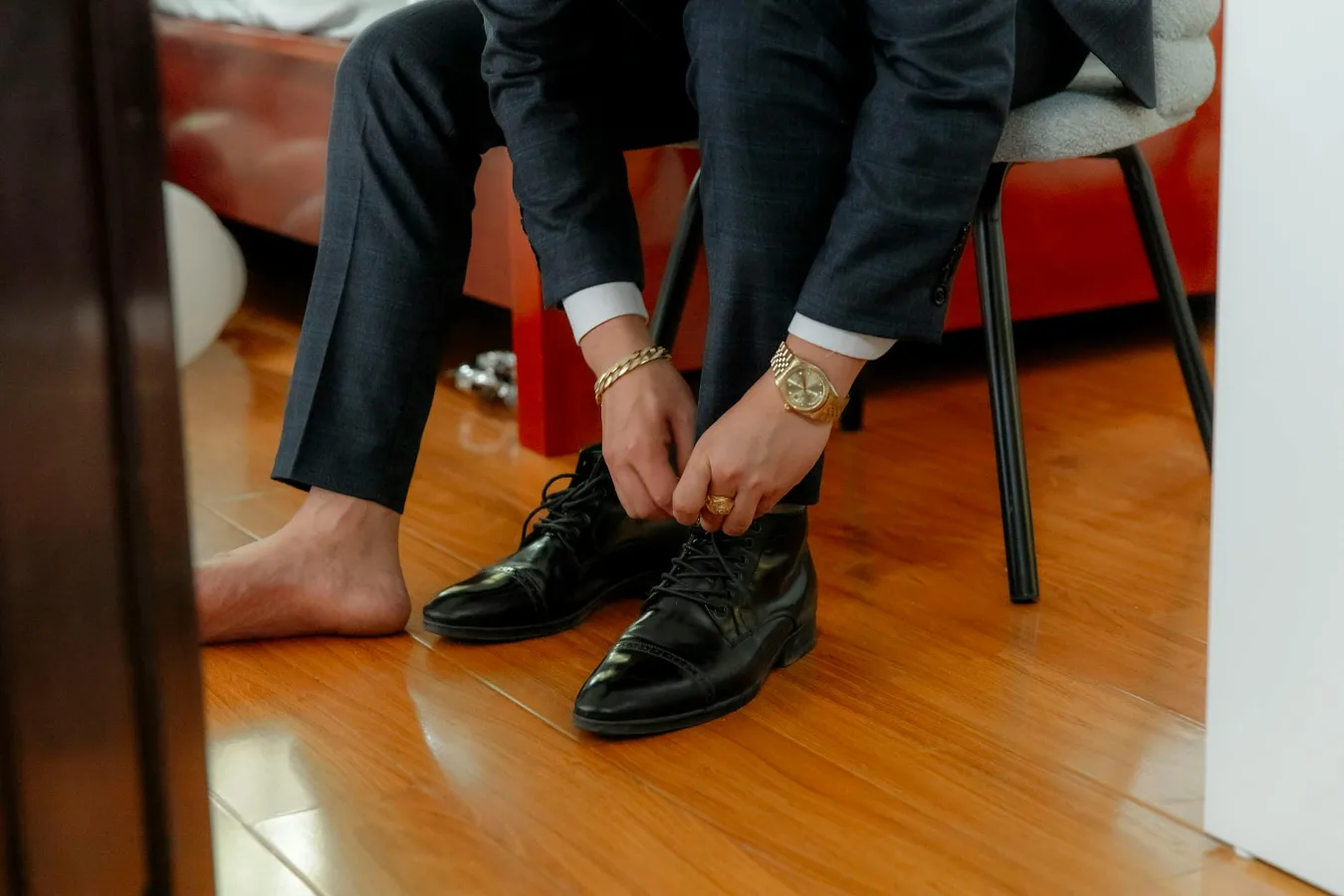
If you’re shopping for gold bracelets for men in 10K, the short answer is this: 10K gold is usually chosen for its balance of affordability, strength, and everyday wearability. It has a lower gold content than 14K or 18K, which makes it harder and often better suited to regular use, though the color can be a little less rich and the resale value is usually more modest. cuff bracelets for men offers more detail on this point.
That trade-off is the reason many buyers start with 10K. The right bracelet still depends on the look you want, how often you plan to wear it, and whether you prefer a solid chain, a slimmer piece, or something that can sit comfortably next to a watch.
Why 10K Gold Makes Sense for Men’s Bracelets
For many shoppers, 10K gold hits a practical middle ground. It is still real gold, but it contains less pure gold than higher karats, which affects both appearance and wear characteristics. That lower gold content can make it a sensible choice for bracelets that are likely to get more contact with desks, sleeves, door handles, gym bags, and daily friction.
Men’s bracelets often need to do two jobs at once: look polished and hold up to routine wear. 10K can be a good fit if durability matters more than a deep, buttery gold tone. It is also worth considering if you want a piece you can wear often without feeling like you need to reserve it for special occasions.
One common misconception is that “lower karat” means “low quality.” That is not really the right way to think about it. Karat describes gold content, not whether the piece is well made. A well-constructed 10K bracelet with a secure clasp, proper finish, and sensible proportions can be a smarter buy than a higher-karat bracelet that is too delicate for your lifestyle.
Compare the Main Bracelet Styles Before You Buy
The best style depends on how visible you want the bracelet to be and how much movement you’re comfortable with on the wrist. Some designs look bold and substantial. Others are cleaner and easier to pair with a watch or other jewelry.
Chain bracelets
Chain bracelets are the most common choice for men. They come in several recognizable patterns, and each one gives a different feel.
- Curb chains have flattened, interlocking links and a classic masculine look.
- Figaro chains alternate link sizes for a little more visual rhythm.
- Rope chains offer texture and a more noticeable shine.
- Box chains look more geometric and often feel streamlined.
Chain bracelets are a strong choice if you want something versatile. They usually pair well with casual outfits, office wear, and layered jewelry looks. The trade-off is that some chains can catch hair or sleeves depending on the link shape and finish.
Bangle and cuff styles
Bangles and cuffs create a cleaner silhouette and can feel more structured than a chain. They are less common for everyday men’s jewelry, but they can work well if you prefer a minimalist or architectural look. The challenge is fit: a cuff that is too loose may slide around, while one that is too tight can feel awkward for extended wear.
ID bracelets
ID bracelets, sometimes called nameplate-style bracelets, can add a more personal feel. They may appeal if you want a bracelet that reads as jewelry but also has a subtle identity or gift value. They tend to look most balanced when the plate size is proportionate to the wrist and the chain is not overly delicate.
Bracelets with mixed materials
Some men prefer gold bracelets that combine gold with leather, black accents, enamel, or other metals. These can be useful if you want contrast or a less formal look. Just be aware that mixed-material bracelets may require more specific care, especially if the non-gold materials are sensitive to water or abrasion.
How to Judge a 10K Bracelet Beyond the Karat Stamp
Karat is only one part of the decision. A good bracelet should also work for your wrist size, your routine, and your style preferences.
| What to check | Why it matters | What to look for |
|---|---|---|
| Bracelet fit | A poor fit affects comfort and appearance | Enough room to move slightly without slipping off |
| Link profile | Some links feel bulkier or catch more easily | Smooth edges and a shape that suits daily wear |
| Clasp type | Security matters for a bracelet you wear often | Reliable closure that feels easy to use |
| Finish | Finish changes the bracelet’s visual tone | Polished, satin, or textured depending on style preference |
| Weight and presence | Heavier pieces feel more substantial but may not suit everyone | Balanced proportions for the wrist size |
Fit is often overlooked. Many buyers focus on style images and karat content, then discover the bracelet is either too tight or too loose. A men’s bracelet should sit comfortably without pinching, twisting constantly, or disappearing under the wrist bone. If you wear a watch, factor in the combined bulk so the two pieces do not compete with each other.
Clasp quality also deserves attention. A secure clasp matters more than many shoppers realize, especially for bracelets worn on commute-heavy or active days. A bracelet that looks great but feels unreliable will spend more time in a drawer than on your wrist.
10K Gold Versus Other Common Options
If you’re comparing bracelets, it helps to understand the practical differences between karats and alternatives rather than judging only by appearance.
10K versus 14K
14K gold has a higher gold content and often a warmer, richer color. It is a popular middle ground for jewelry buyers who want a more traditional gold look without moving all the way to higher-karat softness. Compared with 10K, it may feel slightly more premium in color, but it can also come at a higher cost and may be a little less hard-wearing depending on the design.
10K versus 18K
18K gold has a deeper color and higher gold content, but it is generally chosen for luxury appeal rather than rough daily wear. If you want a bracelet that will be worn frequently and you are concerned about scuffs or contact, 10K is often the more practical choice. If color richness is your top priority, 18K may be more attractive, but it usually needs more careful handling.
10K versus gold-filled or gold-plated
Gold-filled and gold-plated bracelets can be appealing if you want the look of gold at a lower price point. The important distinction is longevity: these options are not the same as solid gold. They may wear differently over time, especially at high-friction points like clasps and link edges. If you want a bracelet meant to last as a long-term piece, 10K solid gold is generally the more dependable category.
Style, Skin Tone, and Wardrobe Fit
Bracelet choice is partly technical and partly visual. The same bracelet can look sharp on one person and too bright, too chunky, or too subtle on another.
Yellow gold remains the most classic choice for men’s 10K bracelets. It works especially well if you want a traditional jewelry look or if you already wear a gold watch, ring, or chain. White gold offers a cooler tone that can blend better with silver accessories, stainless steel watches, or more minimal outfits. Rose gold has a softer, more distinctive appearance and can work if you want something less conventional. men’s gold chain styles offers more detail on this point.
The right choice also depends on your wardrobe. If you wear a lot of black, navy, denim, or neutral tones, many gold bracelets will stand out cleanly. If your style is already visually busy, a simpler bracelet may be easier to integrate than a highly textured or oversized design.
Another practical nuance: men who wear bracelets daily often do better with a design that complements their watch rather than competing with it. A slim curb chain or a moderate-width Figaro bracelet can look more natural next to a watch than an overly thick piece that dominates the wrist.
Common Mistakes to Avoid
- Choosing style before fit. A bracelet that looks right online can feel wrong on the wrist if the length or width is off.
- Ignoring clasp security. A weak clasp can make even a beautiful bracelet frustrating to wear.
- Assuming all 10K gold looks the same. Link style, finish, and manufacturing details can change the final appearance a lot.
- Overlooking daily friction. Bracelets can rub against watches, desk edges, keyboards, and cuffs, so durability matters in real use.
- Buying too much width for the wrist. Very large chains may overpower a smaller wrist and feel less comfortable.
- Forgetting maintenance. Even solid gold jewelry benefits from occasional cleaning and careful storage.
Maintenance and Long-Term Wear
10K gold is often chosen with everyday use in mind, but that does not mean it is maintenance-free. Over time, any bracelet can pick up oils, dust, lotions, and dullness from regular contact.
Simple care goes a long way. Store the bracelet separately so it does not tangle with other chains or pick up scratches. Wipe it occasionally with a soft cloth after wear. If it needs a deeper cleaning, follow care guidance appropriate for the bracelet’s construction, especially if it includes stones, mixed materials, or a finish that could change with aggressive cleaning.
If you plan to wear the bracelet during workouts, swimming, or heavy manual tasks, think carefully about whether that matches your priorities. Even durable jewelry can be damaged, bent, or lost under more demanding conditions. Many buyers keep one bracelet for regular wear and reserve another for dressier occasions, but that depends on how much maintenance you want to take on.
Who 10K Gold Bracelets Are Best For
10K gold bracelets for men are often a good fit for buyers who want a real gold piece with practical durability and a more approachable price than higher-karat alternatives. They are especially suitable for daily wearers, first-time jewelry buyers, and anyone who prefers a bracelet that feels substantial without being overly delicate. Magnetic Bracelets for Men: Buyer’s Guide offers more detail on this point.
They may be less ideal if your main goal is the richest possible gold color or if you want a statement piece with a more luxurious soft glow. In that case, comparing 14K and 18K options is worth the extra time.
If you are buying a gift, 10K can also be a sensible choice because it tends to be more forgiving for regular use. Just make sure you know the recipient’s wrist size, preferred metal color, and general style. A bracelet that fits their routine will matter more than one that simply looks expensive.
Buying Checklist for a Better Decision
- Confirm whether you want a chain, cuff, bangle, or ID-style bracelet.
- Check the wrist size and desired fit before looking at design details.
- Compare link styles for comfort, visibility, and ease of wear.
- Inspect clasp type and closure security.
- Decide whether yellow, white, or rose gold fits the rest of your accessories.
- Think about how often the bracelet will be worn and how much friction it will face.
- Consider whether you want a subtle piece or something with stronger visual presence.
- Review care needs if the bracelet includes mixed materials or special finishes.
For shoppers comparing gold bracelets for men in 10K, the best choice is usually the one that balances durability, fit, and style in a way that matches your actual routine. A bracelet that feels comfortable, closes securely, and works with your wardrobe will usually be the one you reach for most often.