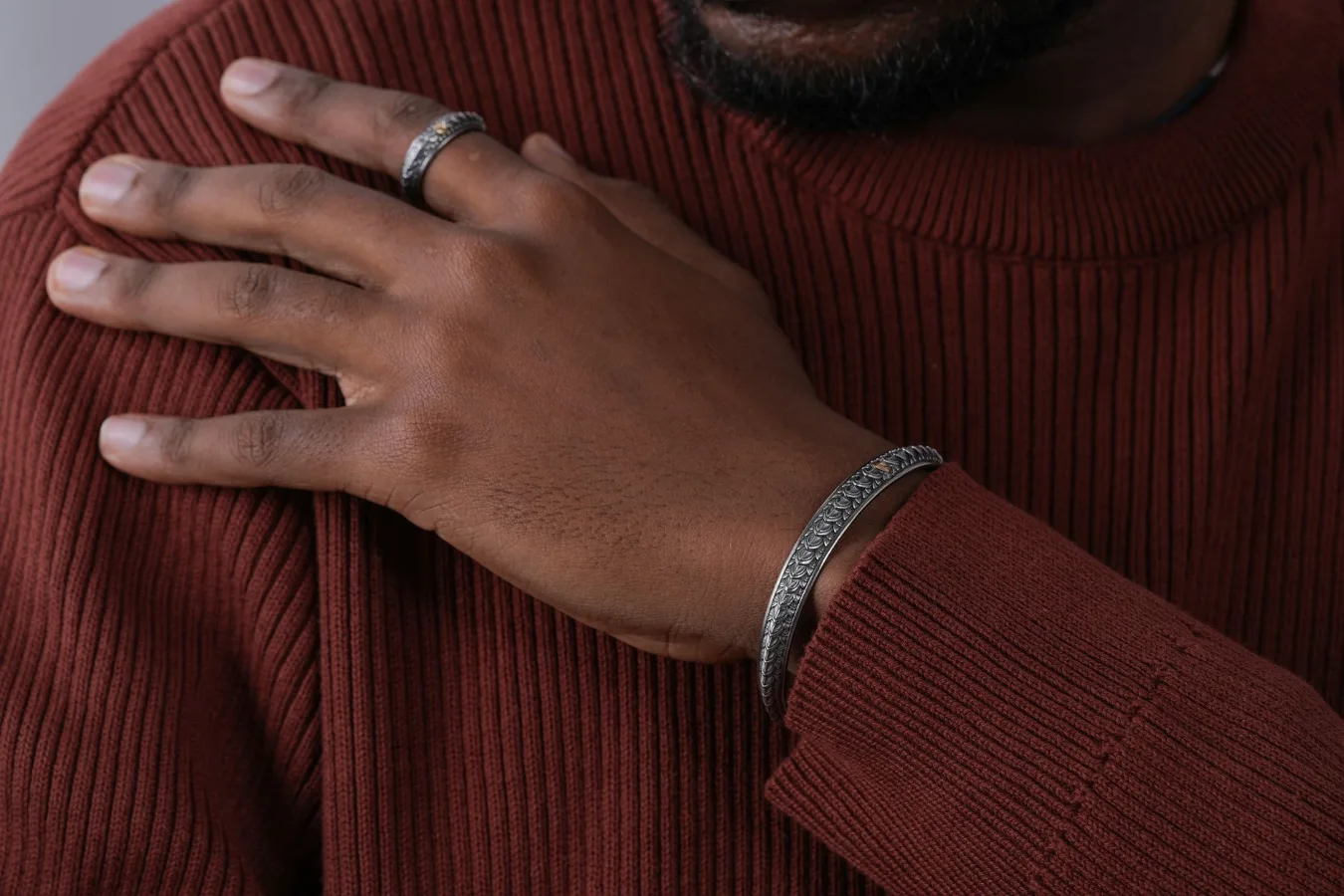
Magnetic bracelets for men are usually chosen for two reasons: they look like a practical, masculine accessory, and some people are drawn to the idea of embedded magnets. If you are shopping for one, the smartest approach is to treat it as a piece of jewelry first and a wellness item second. That means paying attention to materials, fit, comfort, closure, style, and whether the bracelet suits everyday wear. men’s bracelet style guide offers more detail on this point. sterling silver bracelets for men offers more detail on this point. Silver Bracelets for Men: How to Choose offers more detail on this point.
There is a lot of marketing around magnetic jewelry, but the buying decision is more straightforward than it looks. A good bracelet should feel comfortable on the wrist, match the way you dress, and hold up to regular use. If you are considering one for yourself or as a gift, the details below will help you separate useful design choices from features that sound better than they function.
When magnetic bracelets for men make sense
Magnetic bracelets are best approached as a style accessory with a specific visual and tactile appeal. They make sense if you want something that feels a little more structured than a leather bracelet and less formal than a traditional watch. Many designs lean toward stainless steel, matte finishes, dark plating, or industrial details that work well with casual and smart-casual clothing.
They also make sense when you want a bracelet that can be worn regularly without looking delicate. Men who prefer simple jewelry often choose magnetic bracelets because they tend to have a clean profile and avoid ornate decoration. That said, they are not the best choice for everyone. If you dislike wrist weight, prefer soft materials, or need a bracelet that disappears under a sleeve, a slimmer chain or cord bracelet may be a better fit.
If you are drawn to them for wellness reasons, keep expectations realistic. The bracelet should still be evaluated by ordinary jewelry standards: comfort, durability, finish, and how easily it fits into your wardrobe. A design that is attractive but awkward to wear will quickly end up unused.
Step-by-step criteria to compare before buying
1. Start with the material
Material is the first major decision because it affects appearance, weight, and maintenance. Stainless steel is one of the most common choices because it has a polished, modern look and usually resists tarnish better than many other metals. Titanium-style designs are often lighter in feel, which can matter if you do not like a heavy bracelet. Some magnetic bracelets also use plated metals, which can look sharp at first but may show wear more quickly depending on the finish and daily use.
If you have sensitive skin, pay close attention to the base metal and any plating. The visible surface may look similar across listings, but the underlying material and finishing quality often determine comfort over time. If skin irritation is a concern, simpler metal constructions are generally easier to evaluate than mixed-material designs with unclear component lists.
2. Check the fit, not just the size label
Fit is one of the most overlooked factors in buying bracelets online. A bracelet that is too loose may slide around and catch on cuffs or desk edges. One that is too tight can feel restrictive and may be unpleasant to wear for long periods. For men who want a bracelet for daily use, a secure but not constricting fit usually works best.
Look for whether the bracelet is adjustable, comes in fixed lengths, or uses links that can be removed. Adjustable models are convenient, but they can sometimes look less refined or sit unevenly on the wrist. Fixed-link designs often look cleaner, but they require more attention to sizing before purchase. If you are between sizes, it is usually safer to choose the option that can be sized by removing links rather than assuming a loose bracelet will feel comfortable.
3. Evaluate the style against how you actually dress
A magnetic bracelet should fit your routine, not just your wishlist. If you wear neutral basics, watches, leather shoes, or silver-toned accessories, a brushed steel bracelet may integrate naturally. If your wardrobe leans warm-toned, rugged, or casual, darker finishes, black accents, or mixed-metal designs may feel more cohesive.
Style also affects where the bracelet gets worn. A chunkier bracelet may look good alone but may be too much next to a watch or a ring. A slimmer design can layer more easily, though it may lose some visual presence. The right choice depends on whether you want the bracelet to stand out or simply complement other accessories.
4. Decide whether the magnet feature is central or secondary
Some shoppers care mainly about the magnetic element; others care much more about the bracelet’s appearance. Be honest about which matters more to you. If the magnet feature is secondary, it makes sense to prioritize craftsmanship, finish, and comfort. If the magnet feature is central to your interest, read the product description carefully and make sure the bracelet is presented clearly rather than vaguely.
A useful buying habit is to separate the jewelry claims from the design facts. What is the bracelet made of? How is it fastened? Is it adjustable? Does it have a smooth interior? These are the details that affect whether you will actually wear it.
5. Think about closure and day-to-day handling
Closure style matters more than many buyers expect. A secure clasp can make a bracelet easier to put on and take off, especially if you plan to wear it frequently. Simple clasp systems are practical, but they should feel reliable rather than flimsy. If the bracelet is meant as a gift, ease of use becomes even more important because the recipient may not want something fiddly.
Magnetic closures can be convenient, but they are not all equally secure. Some are designed more for convenience than for strenuous movement, so if you want a bracelet for travel, commuting, or active days, consider how confidently it stays in place. The design should match your lifestyle instead of forcing you to adjust around it.
What to expect from common bracelet styles
Stainless steel link bracelets
These are among the easiest to wear with casual and business-casual clothing. They often have a clean, substantial look and can feel more like a traditional accessory than a novelty piece. Link bracelets are also useful if you want sizing flexibility, since links can sometimes be removed for a better fit.
The main trade-off is weight. Some men like the solid feel; others find it noticeable after a full day. Finishes can also vary, so a bracelet that looks refined in photos may appear shinier or more textured in person.
Cuff-style bracelets
Cuffs offer a more open, minimal silhouette. They can work well if you want something understated or easy to slip on. Because they do not wrap fully around the wrist in the same way as a link bracelet, they may feel more comfortable for some wearers and less secure for others.
They are a good option if you like clean lines and do not want a lot of visual clutter. The downside is that cuff fit can be very personal. A cuff that is too loose may rotate, while one that is too tight can pinch or feel awkward.
Leather or mixed-material designs
These can soften the look of a magnetic bracelet and make it feel more casual. They are useful if you want something less metallic and more relaxed. Mixed materials can also add texture and style variety.
The trade-off is maintenance. Leather needs more care than metal, and mixed materials can wear unevenly. If you want a low-maintenance piece, all-metal designs are usually easier to live with over time.
Practical limitations worth understanding
One common misconception is that all magnetic bracelets perform the same way. In reality, the overall quality of the bracelet, the materials, the fit, and the construction matter far more to everyday satisfaction than any single feature. A poorly made bracelet can be uncomfortable, look cheap, or break early, even if the magnet element is prominently advertised.
Another important limitation is that a magnetic bracelet should not be bought only for a health-related claim. If a product description leans heavily on broad promises but provides little information about materials or construction, that is a red flag from a shopper’s perspective. Clear sizing, clear metal information, and clear finish details are more useful than vague benefit language.
Also consider compatibility with your routine. Magnetic bracelets can interfere with some situations where metal jewelry is inconvenient, such as certain work environments, activities that involve equipment, or occasions where you already wear a watch and rings. If you want one bracelet that works everywhere, a simpler, lighter design is usually safer than a large statement piece.
Checklist before you buy
- Confirm the bracelet material and finish.
- Check whether the size is fixed, adjustable, or link-based.
- Make sure the style fits your usual clothing.
- Think about whether you want subtle or noticeable wristwear.
- Review the clasp or closure for ease of use.
- Consider skin comfort if you wear jewelry all day.
- Decide how much maintenance you are willing to do.
- Compare the bracelet against pieces you already wear, such as a watch or ring.
- Read the product description for clear construction details, not just broad claims.
- Choose a design you would still wear even without the magnetic angle.
Examples of good buyer fit by use case
If you want an everyday bracelet for work and weekends, a medium-profile stainless steel design with a secure clasp is usually the safest starting point. It is versatile, easy to pair, and typically simple to maintain.
If you want something understated for a minimalist wardrobe, a slim cuff or narrow link bracelet can work well. These tend to blend in without looking too ornamental, especially in silver, black, or brushed finishes.
If you want a gift for someone whose style you do not know well, choose a neutral design with adjustable sizing or removable links. That reduces the risk of an awkward fit and makes the piece easier to wear across different outfits.
If you are mainly interested in the magnet aspect and want a bracelet for frequent wear, focus on build quality first. A well-made bracelet that fits comfortably is a better purchase than a flashy one that feels heavy, loose, or overly decorative.
How to maintain the look
Magnetic bracelets for men usually do best with simple care. Wipe them after wear if they pick up sweat, lotion, or dust. Store them separately from harder jewelry so the finish is less likely to scratch. If the bracelet includes leather or coated parts, keep it away from prolonged moisture and follow the care needs of the most delicate material in the piece.
For polished metal styles, fingerprints and light smudging are normal. Brushed or matte finishes tend to hide wear better, which is one reason they are popular for daily accessories. If you want a bracelet that keeps its appearance with minimal effort, understated finishes usually age more gracefully than mirror-like shine.
Choosing the right one without overbuying
The easiest way to avoid disappointment is to buy for wearability first. Ask whether the bracelet suits your wrist size, your wardrobe, and your tolerance for weight or shine. If the answer is yes, then the magnetic feature becomes a bonus rather than the only reason to keep it.
That approach also helps you avoid common mistakes: buying a style that looks good only in product photos, choosing a size based on guesswork, or prioritizing a claim over comfort. For most shoppers, the best magnetic bracelet for men is the one that feels natural enough to wear often. If it does not fit your routine, it will not matter how appealing it sounded online.