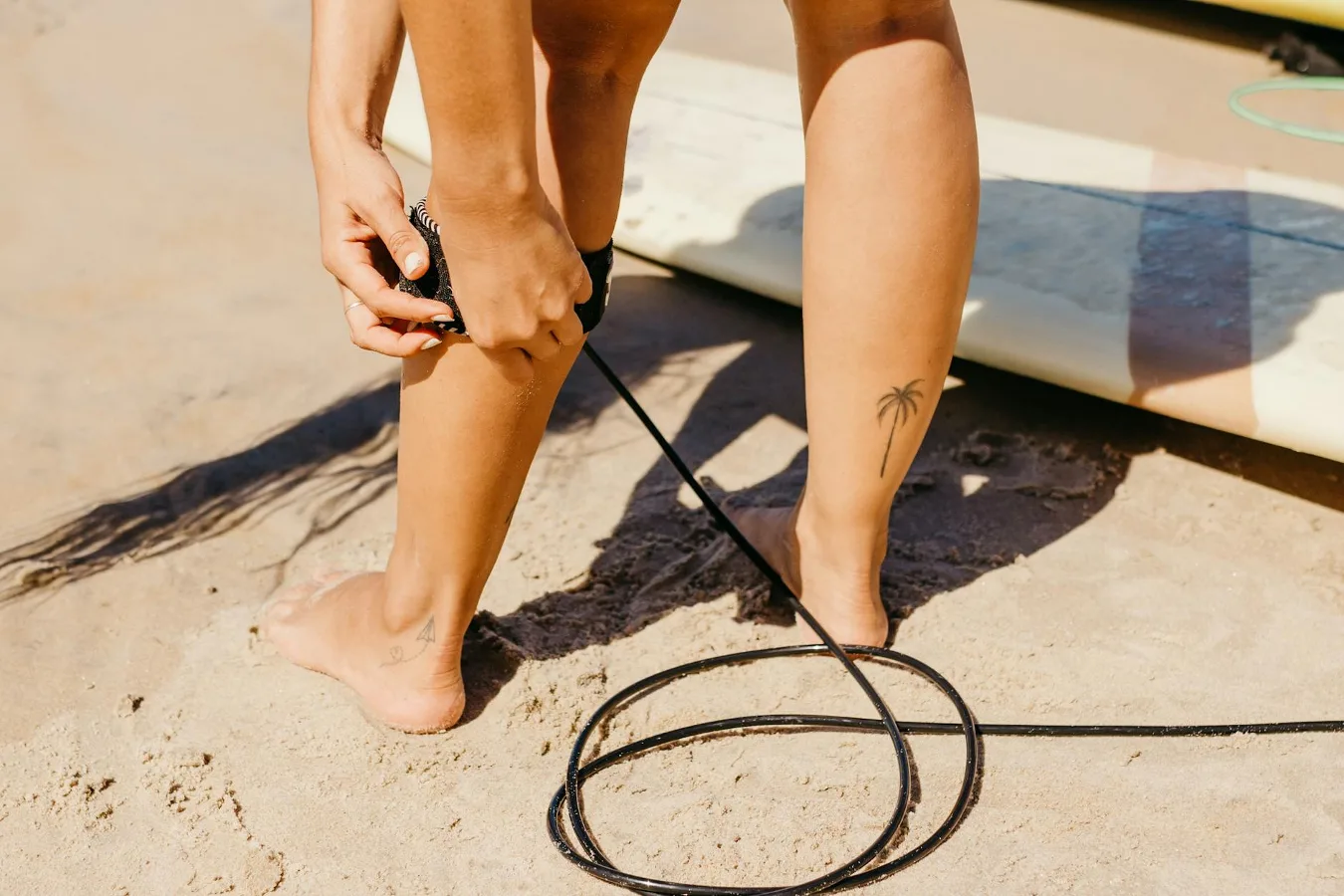
Ankle bracelets for men are exactly what they sound like: bracelets or chains worn around the ankle, usually as a style choice rather than a functional accessory. For many men, the appeal is subtle—something that adds personality without being loud. The right piece can look relaxed, modern, or even refined, depending on the material and finish. men’s jewelry basics offers more detail on this point.
If you are considering one, the key question is not whether men can wear ankle bracelets. They can. The real decision is which style fits your wardrobe, comfort level, and daily routine. A well-chosen anklet should feel natural, stay comfortable, and work with the shoes and pants you already wear.
When ankle bracelets for men make sense
Ankle bracelets work best when they match the rest of your style instead of fighting it. They are a good fit if you want a small accessory that shows personality, if you prefer jewelry that is less visible than a ring or chain, or if you like relaxed, warm-weather outfits. They also make sense for people who enjoy layered accessories and want something a little different from standard bracelets and watches. unisex jewelry style guide offers more detail on this point.
They are less useful if your clothes cover the ankle most of the time, if your work environment is very conservative, or if you need something that can handle heavy physical activity. A bracelet around the ankle can catch on socks, tighten uncomfortably under boots, or simply disappear under longer pants. Those are not dealbreakers, but they do affect how often you will actually wear it.
What to look for first
1. Material
Material is the biggest factor because it affects appearance, comfort, and maintenance. The common choices each have different strengths.
- Metal chains: Clean, simple, and visually polished. Stainless steel is often chosen for its practical, low-maintenance feel, while silver or gold-toned options create a more refined look.
- Leather: More casual and textured. Leather can suit rugged or laid-back styling, but it usually needs more care and may not hold up as well in wet conditions.
- Beads: Often used for a relaxed, beachy, or bohemian look. Beaded styles can add color or texture but may feel more casual than metal.
- Cord or woven designs: Lightweight and easy to wear. These are often better for low-key styling than for a dressier outfit.
If you want the safest all-around choice, a simple metal anklet is usually the most versatile. If you want something softer or more personal, leather or cord may feel more natural.
2. Fit and adjustability
Fit matters more at the ankle than many people expect. A piece that is too loose can spin constantly and feel sloppy. One that is too tight can irritate the skin, especially if worn with shoes or socks. Adjustable closures are often the most practical choice because they let you fine-tune the fit for different shoes, outfits, and levels of movement.
Look for a fit that sits comfortably without digging into the skin. If the anklet has a pendant, charm, or heavier chain, extra slack may change how it hangs and whether it stays centered. That is worth thinking about before buying, especially if you prefer a cleaner silhouette.
3. Comfort for daily wear
Comfort is partly about weight and partly about texture. Smooth finishes generally feel better for all-day wear. Sharp edges, rough beads, or stiff construction can become annoying after a few hours. If you plan to wear the anklet often, choose a design that will not interfere with walking, driving, or shoe friction.
This is one of the most overlooked considerations: ankle jewelry interacts with footwear more than wrist jewelry does. Sneakers, loafers, sandals, boots, and bare ankles all create different wear conditions. A piece that feels fine in sandals may be irritating in high-top shoes or socks.
4. Style compatibility
An ankle bracelet should fit your overall style instead of looking isolated. Minimal chains work best with simple outfits, clean sneakers, shorts, rolled cuffs, and lightweight summer clothing. Leather and cord styles can complement casual denim, beachwear, or streetwear. Beaded designs often lean more relaxed and expressive.
If your wardrobe is mostly tailored, formal, or workwear-heavy, a very subtle metal anklet is usually easier to integrate than a colorful or oversized one. The more understated the piece, the easier it is to wear across different outfits.
How to choose one step by step
- Decide the purpose. Are you choosing it for everyday wear, occasional style, or a specific outfit? That decision narrows the material and finish quickly.
- Check your shoe habits. If you wear boots or thick socks often, comfort and fit become more important than visual detail.
- Pick the level of visibility you want. A slim chain is subtle. Beads, charms, and wider bands are more noticeable.
- Choose a finish that matches your existing jewelry. Silver tones, gold tones, black hardware, and mixed materials all send different style signals.
- Look for an easy closure. Lobster clasps, extender chains, and adjustable cords are more practical than complicated fastenings.
- Think about maintenance. If you do not want special care, avoid materials that stain, tarnish quickly, or need frequent conditioning.
Examples of common styles
Minimal metal anklet: Best for men who want something discreet and versatile. It pairs well with simple outfits and does not draw too much attention.
Leather ankle bracelet: Better for a relaxed, earthy look. It can work well with casual clothing but usually needs more care than metal.
Beaded anklet: Good for a more expressive or laid-back style. This is often the least formal option and may suit warm-weather outfits best.
Chain with a small charm: A good middle ground if you want personality without going too bold. Keep the charm small if you want the look to stay understated.
Woven or cord design: Easy to wear and lightweight. These are useful if comfort and simplicity matter more than shine or polish.
Advantages and limitations
An ankle bracelet can be a simple way to add individuality without changing your whole wardrobe. It is usually low commitment, easy to pair with casual clothes, and available in styles that range from subtle to expressive.
The trade-off is that not every style works in every setting. Some looks are seasonal, some are too casual for formal wear, and some need more upkeep than people expect. Metal can tarnish, leather can wear out, and cords can loosen over time. If you want one piece that does everything, keep the design restrained and the material practical.
Common mistakes to avoid
- Choosing the wrong fit: Too tight can be uncomfortable; too loose can look awkward and snag more easily.
- Picking a style that clashes with your clothes: A heavy decorative anklet can feel out of place with a polished wardrobe.
- Ignoring shoe friction: Boots and sneakers can rub against certain materials and closures.
- Overcomplicating the design: Too many charms, colors, or mixed finishes can make the piece harder to wear often.
- Forgetting maintenance: Some materials need regular cleaning, polishing, or conditioning to stay presentable.
How to style ankle bracelets for men
The easiest way to style one is to keep the rest of the look simple. Shorter pants, cuffed hems, or shoes that leave the ankle visible make the accessory more intentional. In warmer months, a slim chain or cord anklet can feel natural with shorts and sandals. In cooler weather, it may only work if your outfit leaves enough ankle exposed.
If you already wear rings, a bracelet, or a necklace, the anklet should feel like part of the same style family. You do not need every piece to match exactly, but the metals, textures, and overall tone should feel coordinated. A polished silver anklet, for example, usually looks more cohesive with other clean metal accessories than with rustic leather pieces.
For men who prefer a discreet look, smaller proportions are usually better. A low-profile chain or narrow band is easier to wear regularly than a statement piece. If you want the anklet to stand out, focus on one detail only: texture, charm, or finish. Adding all three at once often makes the piece harder to style.
Care and maintenance basics
Good care depends on the material. Metal pieces usually benefit from occasional cleaning and dry storage. Leather should be kept away from excess moisture and conditioned when needed. Beads and cords should be checked for wear, especially if you wear them often or during active days.
A useful habit is to remove the anklet before showering, swimming, or sleeping unless the material is specifically suited to that kind of wear. This helps reduce wear, stretching, and discoloration. Storing it separately also prevents tangling and scratching.
Checklist before you buy
- Does the material fit your lifestyle?
- Will the length or adjustability work with your ankle size?
- Is the design subtle enough for how often you plan to wear it?
- Will it feel comfortable with your usual shoes?
- Does the closure look easy to use?
- Will the care requirements be realistic for you?
- Does it match at least a few outfits you already own?
Frequently asked questions
Do ankle bracelets for men have to be symbolic?
No. Some men wear them for style alone, while others attach personal meaning to them. The meaning is up to the wearer.
Can men wear ankle bracelets with sneakers?
Yes, but comfort and visibility matter. Low-profile designs usually work better with sneakers than bulky or dangling styles.
What is the most versatile material?
A simple metal anklet is usually the easiest to style across different outfits. It is generally more polished and less seasonal than many other options.
Are anklets appropriate for everyday wear?
They can be, as long as the material, fit, and closure are comfortable enough for regular use. Lightweight designs are usually the easiest to wear often.
How do I keep an anklet from feeling too flashy?
Choose a slim profile, a restrained finish, and minimal detailing. The more understated the design, the easier it is to wear casually.
What to remember
Ankle bracelets for men work best when they are chosen with the same care you would give to any other accessory. Material, fit, comfort, and styling all matter more than trendiness. If you want a piece that you can wear often, start with something simple, practical, and easy to coordinate. If you want a stronger style statement, keep the rest of the design clean so the look still feels intentional. styling bracelets for everyday wear offers more detail on this point.
The smartest choice is usually the one that fits your daily life, not just the one that looks good in isolation.