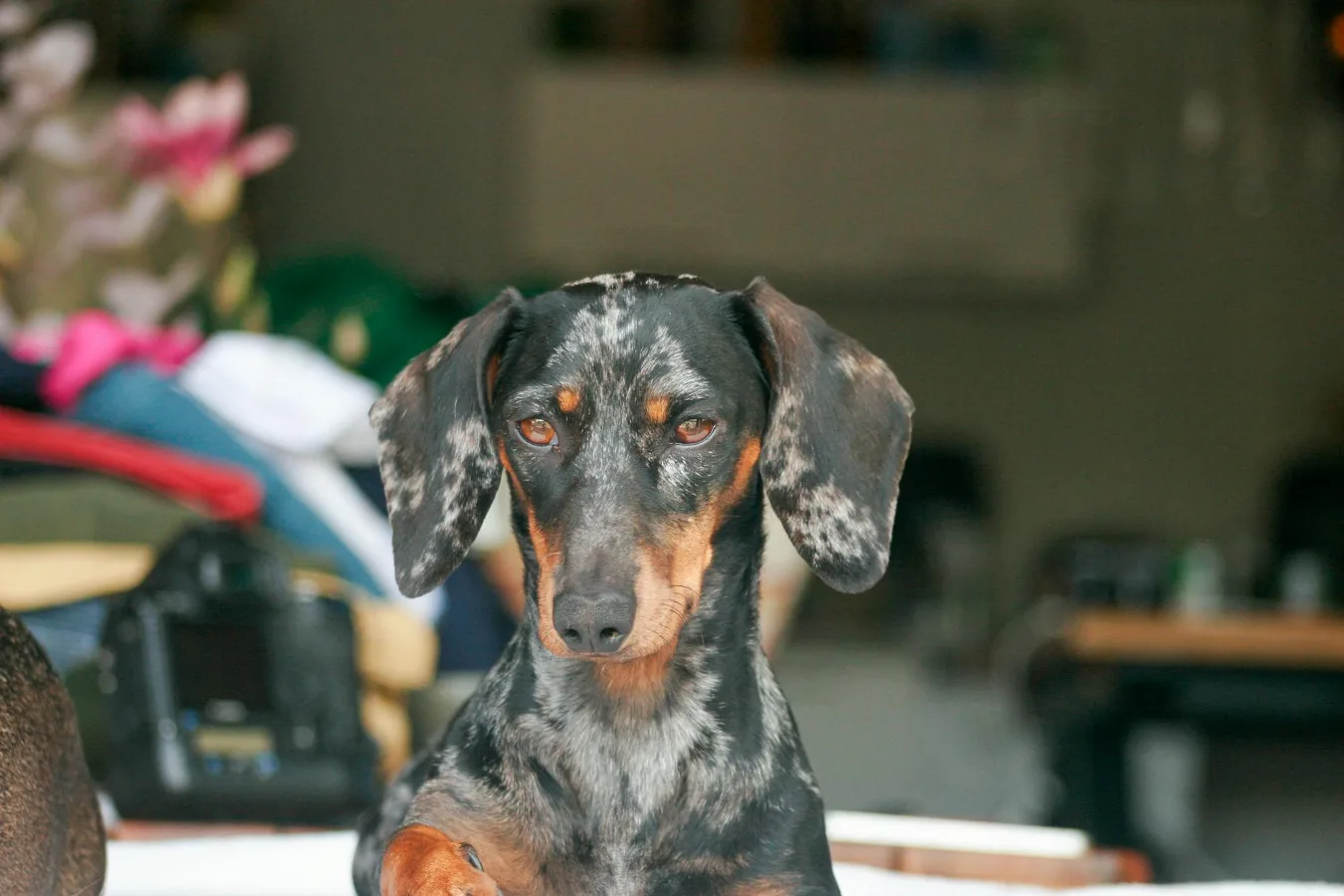
If you need a dachshund winter coat, focus on fit first, then warmth. Dachshunds have a long back, deep chest, and short legs, so a coat that works for a rounder small breed can ride up, gape at the chest, or pull across the shoulders. buffalo bills winter coat offers more detail on this point.
The best option is usually a coat made for long-bodied dogs: one that covers the back well, allows free front-leg movement, fastens securely, and gives enough insulation for the weather where your dog actually walks. A lightweight layer may be enough for brisk, dry days, while colder, wet, or windy conditions call for more coverage and weather resistance.
Quick answer: what to look for in a dachshund winter coat
A good dachshund winter coat should do four things well: fit the back length, stay snug at the chest, leave the legs and belly free enough for normal movement, and match the conditions your dog faces. For many dachshunds, especially smooth-coated or senior dogs, a coat with a full chest panel and a secure belly closure is more practical than a loose pullover.
If you are comparing options, prioritize these features:
- Back coverage that reaches far enough without hanging past the tail base
- Chest depth that fits a barrel-shaped or deep-chested build
- Easy closures such as wide Velcro, buckles, or zippers placed so they do not rub
- Movement-friendly shape around the shoulders and front legs
- Weather protection such as fleece for warmth or a water-resistant shell for snow and slush
- Adjustability for dogs that sit between sizes
A common mistake is choosing by weight alone. With dachshunds, back length and chest measurement usually matter more than the number on the tag.
Why dachshunds need special fit attention
Dachshunds are one of the clearest examples of a breed that benefits from specialized outerwear. Their body proportions make standard small-dog coats less reliable. A jacket sized for a toy breed may be too short through the torso, while a coat sized to cover the back may leave a gap at the chest or slide sideways when the dog walks.
That fit problem is not just cosmetic. A coat that shifts around can twist during a walk, expose the back to wind, or interfere with natural stride. A coat that is too tight across the front can make the dog reluctant to move, sit, or lie down comfortably.
There is also a seasonal comfort issue. Short-haired dachshunds, seniors, puppies, and dogs with less body fat often lose heat more quickly than people expect. Even a mild chill can matter on long walks, especially with wind or damp ground. A coat is not about style alone; for many dachshunds, it is practical cold-weather gear.
Comparison: which type of dachshund winter coat fits which situation?
Not every winter coat serves the same purpose. The right choice depends on whether you need warmth, dryness, visibility, or easy on-and-off use.
| Coat type | Best for | Strengths | Limitations |
|---|---|---|---|
| Fleece coat | Dry, cool walks | Soft, lightweight, comfortable for many dogs | Not ideal in wet snow or heavy rain |
| Insulated coat | Cold weather | Better warmth retention for winter outings | Can feel bulky if the fit is not tailored |
| Water-resistant coat | Slush, mist, light snow | Helps keep the coat drier and cleaner | May provide less warmth than insulated options |
| Quilted coat | Everyday winter wear | Balanced warmth and structure | Fit can vary widely by brand |
| Reversible coat | Style and light versatility | Two looks in one garment | Appearance is not the same as weather performance |
For many dachshunds, the most useful winter coat is not the thickest one. It is the one that stays in place and matches real conditions. A bulky coat that shifts constantly can be less effective than a simpler coat with better coverage and a secure fit.
How to judge fit before you buy
Fit is the deciding factor for most dachshund outerwear. The three measurements that matter most are back length, chest girth, and neck size. Back length matters because dachshunds need coverage across a long torso. Chest girth matters because many have a broad, deep chest that does not match their small waistline. Neck size matters because the collar area should rest comfortably without choking or slipping. how to measure a dachshund for clothes offers more detail on this point.
A helpful approach is to compare the product’s sizing chart against your dog’s actual measurements, then look for adjustability. If your dachshund is between sizes, the more adjustable option is often safer, especially when the coat has a shaped chest panel or belly strap. A coat that can tighten slightly is usually easier to manage than one that is too short.
Look closely at the shoulder area. Some coats cover the back well but pull forward into the front legs. That can shorten the stride and create rubbing during a walk. The coat should allow a natural step without the hem bunching too much near the elbows.
One overlooked consideration is how the coat behaves when your dog sits, climbs steps, or turns around. A fit that seems fine when standing may ride up during normal movement. If a style has a narrow opening under the front legs or a stiff collar, it may be less comfortable than it first appears. how dog coat closures affect fit offers more detail on this point.
Warmth, weight, and weather protection: the trade-off
There is no single best balance for every dachshund. The right coat depends on whether your priority is insulation, mobility, or protection from wet weather.
More insulation helps in colder temperatures, but it can add bulk. That may be fine for a calm walk, but some dogs dislike the extra structure. Lighter coats are easier to move in, yet they may not be enough on windy days or during longer outings. Water-resistant shells are useful when snow melts into slush or rain is part of the forecast, but they often need a warm layer underneath if the temperature is low.
For many owners, a two-coat approach works better than hunting for one garment that does everything. A fleece or quilted coat for dry cold and a weather-resistant shell for wet winter conditions can be more flexible than a single heavy coat.
Materials and details that matter most
Fabric choice changes how a coat feels, how easy it is to maintain, and how well it suits certain weather. Soft fleece can be comfortable against the body, while quilted outer fabrics hold shape better and often feel more structured. Water-resistant finishes help with damp conditions, but they are not the same as waterproof construction.
Closures also matter. Wide hook-and-loop fasteners are convenient, especially on an energetic dog that dislikes fuss. Buckles can offer a more secure hold, though they may take longer to adjust. Zippers can create a clean shape, but only if they are positioned to avoid pinching or rubbing.
Reflective trim is worth considering for evening walks, especially in winter when daylight is limited. It does not replace a leash light or human visibility habits, but it adds practical value.
Pay attention to lining and seams as well. Rough seams can rub, especially for short-haired dachshunds. A coat may look polished on the outside and still be uncomfortable inside if the construction is stiff at the armholes or neckline.
Common mistakes to avoid
- Buying by breed label only. Even within dachshunds, body shape varies enough that measurements still matter.
- Choosing a coat that is too short in the back. Short coverage defeats the point of winter outerwear.
- Ignoring chest fit. A coat can seem correct on paper and still be too tight across the front.
- Selecting bulk over function. Thick is not automatically better if the coat restricts movement.
- Overlooking closure placement. Fasteners that land under the armpit or near sensitive areas can cause rubbing.
- Forgetting about weather type. Dry cold, wet snow, and windy conditions each call for a different level of protection.
- Skipping a trial fit. If possible, check how the coat looks and feels when your dog walks, sits, and turns.
A practical misconception is that a dachshund can simply “size up” for more coverage. That often creates a loose chest or sloppy shoulder fit, which can be less comfortable than a correctly proportioned coat with the right back length.
When a winter coat is not enough
Some weather calls for more than a coat. Deep cold, freezing rain, slushy streets, or long outdoor time may require additional protection such as a sweater under the coat, protective paw wear, or shorter outings. A coat can reduce heat loss, but it does not solve every winter comfort issue.
It also helps to think about the dog’s overall tolerance. A young, active dog on a quick neighborhood walk may need less coverage than a senior dachshund who moves slowly and spends more time outdoors. Health, age, coat type, and activity level all influence how much winter wear makes sense.
If your dachshund refuses a coat, the issue may be fit, but it may also be sensory discomfort. Some dogs dislike rigid collars, tight leg openings, or the sound of certain fabrics. In that case, a softer design or a simpler sweater-style layer may be a better starting point.
Alternatives to a winter coat
If a coat is not the right fit for your dachshund, consider these alternatives:
- Dog sweater: useful for dry, cool weather and easier for some dogs to accept
- Layered outerwear: a sweater under a weather shell for colder or wetter conditions
- Shorter walks with more frequent breaks: helps reduce exposure without relying entirely on heavier clothing
- Boots or paw protection: helpful if the ground is icy, salted, or very cold
These options are not substitutes for every situation, but they can solve problems a single coat cannot. A sweater may be more comfortable indoors or during brief outings, while a shell can add weather protection without extra bulk.
FAQs
What size dachshund winter coat should I choose?
Use your dog’s back length, chest girth, and neck size rather than weight alone. Dachshunds often need a coat designed for long-bodied dogs because standard small-dog sizing can miss the torso shape.
Should a dachshund winter coat cover the tail?
No. The coat should usually cover most of the back without interfering with the tail base or rear movement. Too much length can cause bunching or awkward shifting while walking.
Is a sweater enough for a dachshund in winter?
Sometimes. A sweater can work for dry, cool conditions, but it may not be enough in wind, wet snow, or colder temperatures. For those conditions, a coat with more structure or a weather-resistant layer is often more practical.
Are waterproof coats better than fleece coats?
They solve different problems. Fleece is better for warmth and comfort in dry weather, while water-resistant or waterproof-style outerwear is better for moisture. Many dogs need a combination depending on the forecast.
How do I know if the coat is too tight?
Watch for restricted front-leg movement, rubbing at the chest or neck, difficulty sitting, or reluctance to walk normally. A coat should stay secure without pulling across the body.
Choosing the right coat for your dog’s routine
The best dachshund winter coat is the one that fits your dog’s body and your weather patterns. If your walks are brief and dry, comfort and easy fastening may matter most. If you deal with snow, slush, or wind, weather protection and secure coverage become more important. If your dog is sensitive to clothing, soft construction and simple closures can make the difference between a coat that gets used and one that stays in the closet.
That is why dachshund outerwear is less about chasing the warmest or most stylish option and more about matching the garment to a long-backed, low-slung body. Once that fit problem is solved, the rest becomes much easier: warmth, movement, maintenance, and day-to-day practicality all fall into place.