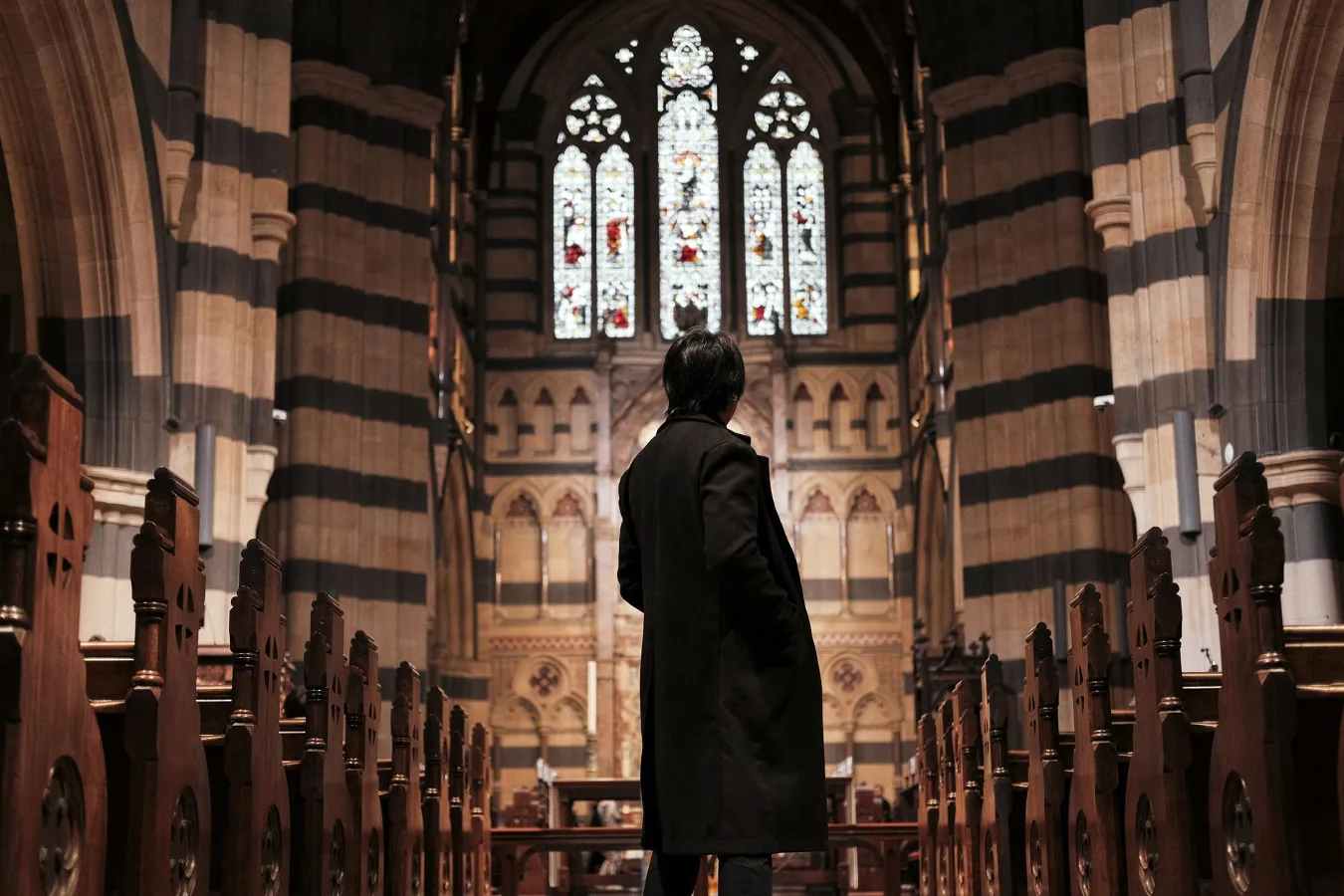
A gothic winter coat is worth prioritizing when you want outerwear that does more than keep you warm. The right one should support the silhouette you want, work with your layering habits, and still feel practical enough for daily wear in real winter conditions.
The best gothic winter coat is not always the most dramatic one. In many wardrobes, the smartest choice is a coat that brings together dark color, strong structure, and dependable warmth without becoming heavy, restrictive, or hard to style. That balance matters whether you lean romantic goth, Victorian-inspired, punk, or a cleaner minimal black-coat look.
When a gothic winter coat matters most
This category matters most once cold weather starts affecting how often you can wear your usual outfits. A thin fashion coat may look right for a quick evening out, but it usually falls short for commuting, long walks, or layering over knitwear. A proper winter coat gives you room to build outfits underneath while keeping the overall look polished.
It also matters if outerwear is part of your style identity. For gothic dressing, the coat is often the first thing people see. That makes details like lapels, buttons, length, and fabric texture more important than they might be in a basic utility coat. A good piece can make even simple black boots and denim feel intentional.
One overlooked consideration is how much your coat needs to do beyond aesthetics. If you rely on it daily, comfort, ease of movement, and weather protection deserve as much attention as visual impact.
Step-by-step criteria for choosing the right coat
1. Start with warmth, not just appearance
Before you compare trims, hardware, or silhouette details, decide how much insulation you actually need. A coat for mild coastal winters can be very different from one meant for freezing temperatures, wind, or frequent snow. If you live somewhere damp, water resistance may matter more than plush volume. If your winters are dry but cold, layering space and wind protection may be the priority. plus size compression leggings offers more detail on this point.
Look closely at the coat’s construction rather than assuming a long black coat is automatically warm. Length helps, but warmth also depends on lining, fabric density, closure type, and how well the coat seals at the neck and wrists. A dramatic shape can still feel cold if it leaves gaps or uses a thin outer shell.
2. Choose a silhouette that matches your wardrobe
Gothic coats often fall into a few broad style families: tailored overcoats, A-line or princess-cut coats, trench-inspired styles, military-inspired cuts, cape-like shapes, and oversized statement coats. The best one depends on what you already wear most.
If your wardrobe is built around wide-leg trousers, long skirts, layered knitwear, or structured boots, a longer and more fluid coat can create a cohesive line. If you prefer fitted dresses or sleek trousers, a more tailored coat may feel cleaner and easier to wear every day. Very voluminous coats can look striking, but they also require more attention to proportion.
Another practical nuance: the more elaborate the silhouette, the more likely it is to feel costume-adjacent if the rest of the outfit is simple. That is not a flaw, but it is a style decision. Some shoppers want that theatrical effect; others want a darker wardrobe piece that blends into everyday outfits.
3. Pay attention to fabric and texture
For gothic winter outerwear, fabric does a lot of visual work. Wool and wool blends usually read as classic and refined. Matte finishes can feel more understated and editorial. Textured fabrics such as bouclé, brushed wool, or heavy twill can add depth without relying on embellishment.
Shiny synthetic fabrics, faux leather panels, velvet accents, or brocade-inspired details can push the coat toward a more romantic or dramatic direction. These touches can be appealing, but they also change care requirements and may reduce versatility. If you want a coat you can wear often, simpler fabrics tend to be easier to maintain and style.
Materials also affect comfort. Some fabrics can feel stiff at first, while others drape beautifully but may not block wind as well. If you dislike bulky layering, a coat with a smoother lining and enough room through the shoulders can make a big difference.
4. Make sure it works with layers
Layering is one of the main reasons winter coats fail. A coat may look perfect over a thin top, then feel tight once you add a sweater, scarf, or thicker sleeve. That issue is especially common with fitted gothic coats that prioritize a sharp waist or narrow arms.
Check whether the coat allows movement across the shoulders and upper back. This matters if you plan to wear chunky knits, blazers, or hooded layers beneath it. If your style includes corsets, structured dresses, or voluminous sleeves, choose a cut with room where you need it most.
The easiest way to avoid regret is to think in full outfits, not isolated pieces. A gothic winter coat should accommodate the clothes you already wear in cold weather, not just your idealized version of the look.
5. Decide how much drama you actually want
Some gothic coats are intentionally theatrical, with sweeping hems, ornate buttons, high collars, or strong historical references. Others are much quieter, relying on dark color and shape alone. Neither is better. The right level of drama depends on your lifestyle.
If you wear the same coat to work, errands, and evening plans, a restrained silhouette usually offers more flexibility. If your wardrobe is centered on occasion dressing, special events, or expressive street style, a more elaborate piece can be the point. The key is making sure the coat feels deliberate rather than overly themed.
A common misconception is that gothic style always requires heavy embellishment. In practice, some of the strongest gothic outerwear is simple: a long black coat with strong tailoring, a sharp collar, and clean lines can feel far more sophisticated than a piece overloaded with hardware.
Examples of gothic winter coat directions
Romantic and Victorian-inspired
This direction often uses long hems, defined waists, decorative buttons, and elegant collars. It pairs naturally with lace, velvet, boots, and floor-length skirts. The trade-off is that these coats can be less practical for fast-paced everyday wear, especially if they are fitted through the torso.
Minimal and architectural
These coats rely on shape, proportion, and fabric quality instead of ornament. They can be easier to wear across multiple settings and often feel more modern. The downside is that they may look less visibly gothic unless the styling stays consistent.
Military-inspired
Structured shoulders, double-breasted closures, and rowed buttons create a strong silhouette. This style works well if you want a dark, disciplined look that feels polished. The limitation is that too much stiffness can reduce comfort, especially for long days outside.
Punk or streetwear-leaning
These versions may include hardware, oversized proportions, faux leather details, or asymmetric elements. They can feel bold and current, especially with boots and layered knits. The trade-off is versatility; highly stylized coats are often easier to remember than to repeat.
Checklist before you buy
- Climate fit: Will it suit your winter conditions, including wind, dampness, and temperature swings?
- Layering room: Can you wear sweaters or thicker underlayers comfortably?
- Length: Does the hemline work with the skirts, trousers, and boots you actually wear?
- Closure: Are the buttons, zipper, or wrap front practical in cold weather?
- Fabric: Does the material match your maintenance habits and comfort preferences?
- Silhouette: Does it complement your body proportions and the rest of your wardrobe?
- Detail level: Are the decorative elements versatile enough for repeat wear?
- Care requirements: Will the coat need special handling that fits your routine?
Common mistakes to avoid
Choosing style over function entirely. A coat that looks perfect on a hanger can disappoint quickly if it does not keep you warm or allow movement.
Ignoring sleeve and shoulder fit. Many outerwear problems start there. If the shoulders are too narrow, the coat will feel restrictive even when the body fits.
Overcommitting to trend-specific details. Extremely stylized embellishments can narrow how often you can wear the coat.
Forgetting about footwear. Coat length and boot height should work together. A coat that hits at an awkward point can break the visual line of an outfit.
Assuming black automatically reads gothic. Black is a foundation, not the full story. Texture, cut, and styling determine whether the coat feels gothic, classic, minimalist, or formal.
How to style a gothic winter coat without overdoing it
The easiest approach is to let one element lead. If the coat is highly dramatic, keep the outfit underneath simpler. If the coat is clean and tailored, the rest of the outfit can carry more texture or embellishment. That balance prevents the look from becoming cluttered.
Accessories can help bridge the gap between practical winter dressing and gothic style. Think scarves in deep tones, leather gloves, lace-up boots, silver-toned jewelry, or textured hosiery. These pieces can reinforce the aesthetic without making the coat itself do all the work.
If you want more versatility, choose a coat that can move between gothic and general winter wardrobes. A strong black overcoat can work with tailored trousers one day and a romantic dress the next. That flexibility often gives better long-term value than a very specialized statement piece.
What to look for if you want one coat to do everything
If you only plan to buy one gothic winter coat, prioritize the features that support repeat wear: a flattering length, enough room for layering, a comfortable neckline, and a fabric that feels substantial without being difficult to care for. A coat that is slightly restrained usually ends up more useful than one that is visually memorable but hard to style.
For many shoppers, the best compromise is a long black coat with a defined shape, modest detailing, and a fabric that looks polished in both casual and dressed-up settings. That kind of piece can still feel clearly gothic when paired with the right boots, knitwear, or accessories.
On the other hand, if outerwear is your main style statement, it may make sense to choose a more dramatic coat and accept the narrower range of outfits it supports. The right choice depends on whether you want versatility, impact, or a balance of both.
Final checklist for a smarter choice
- Matches your winter climate
- Leaves room for layered clothing
- Supports your preferred silhouette
- Feels comfortable at the shoulders and sleeves
- Uses fabric you can realistically maintain
- Fits the level of drama you want to wear often
- Works with your boots, bags, and winter accessories
- Feels gothic through shape, texture, or detailing rather than only color
A well-chosen gothic winter coat should make cold-weather dressing easier, not more complicated. If it fits your climate, your layering needs, and your personal version of gothic style, it will earn its place in your wardrobe long after the first cold snap.