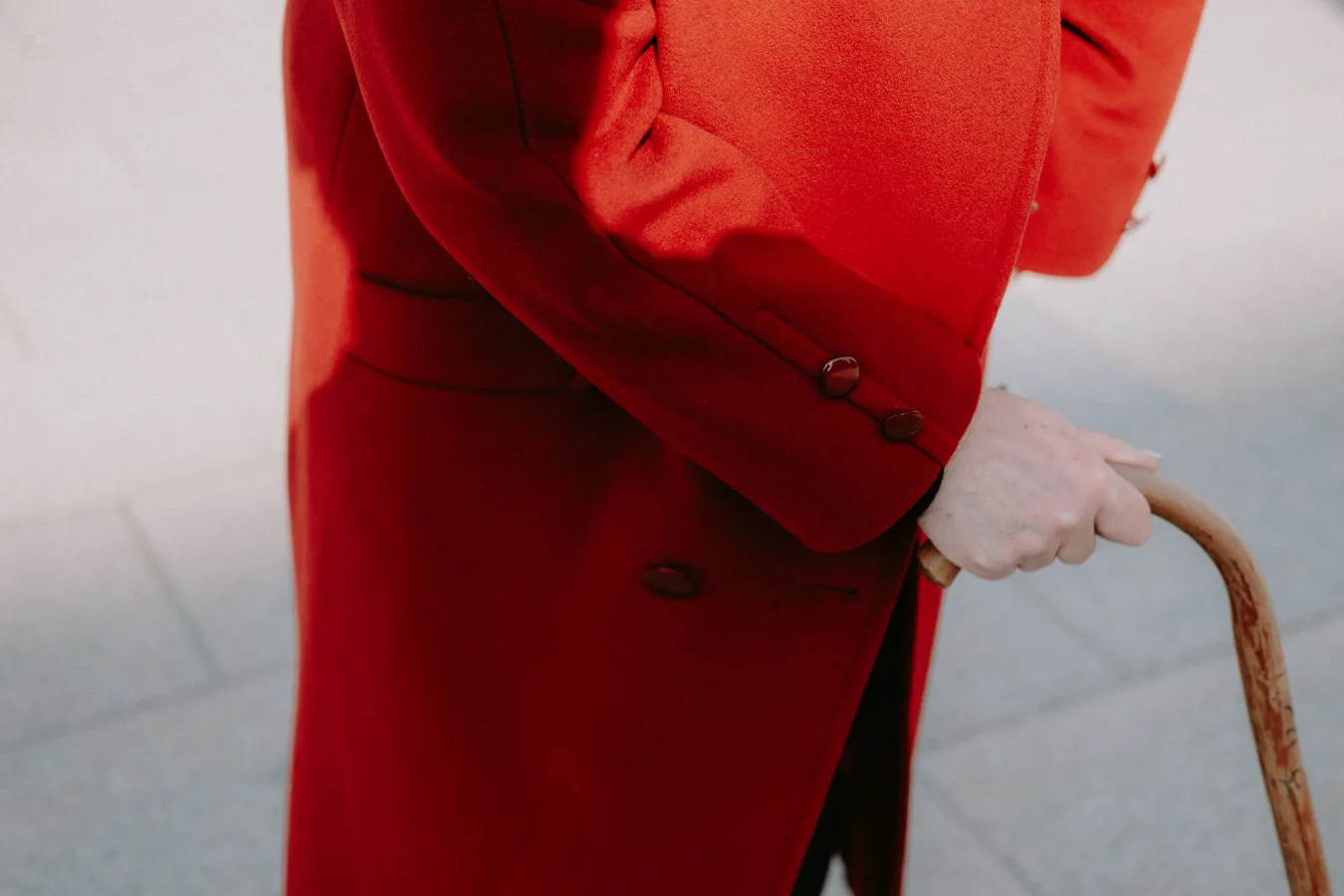
A cashmere winter coat is best understood as a refined outerwear choice that can offer softness, elegance, and comfortable warmth in milder to moderately cold weather. The right one depends less on the label and more on the fabric blend, lining, construction, fit, and how you plan to wear it. how coat fit affects layering offers more detail on this point. maternity winter coat 3 in 1 offers more detail on this point. how to choose winter outerwear offers more detail on this point.
If you are shopping for one, focus on how the coat performs in your real winter routine. A beautifully made coat that works with your commute, layering habits, and care preferences will be more useful than a purely luxurious piece that feels delicate or impractical.
What a cashmere winter coat is best for
A cashmere winter coat is usually chosen for its elevated look and soft hand feel. It suits people who want something dressier than a puffer and more polished than a casual wool coat. In many wardrobes, it fills the gap between formal outerwear and everyday cold-weather dressing.
The main appeal is comfort with refinement. Cashmere can feel smoother and less structured than many other outerwear fabrics, which makes the coat attractive for office wear, evenings out, and occasions where appearance matters as much as function.
That said, cashmere is not automatically the warmest or most weather-resistant option. In practical terms, it is often better for dry cold than for wet slush, strong wind, or long exposure outdoors. If your winters are harsh, a cashmere coat may work best as part of a layered system rather than as your only winter coat.
Cashmere versus cashmere blends
One of the most important decisions is whether to buy pure cashmere or a blend. Many coats labeled as cashmere winter coats are actually cashmere blends, often mixed with wool or other fibers to improve structure, durability, and cost balance.
Pure cashmere typically feels softer and more luxurious, but it can be more delicate and often requires more careful maintenance. A wool-cashmere blend may hold its shape better, resist wear more effectively, and make more sense if you plan to wear the coat frequently.
If you want everyday practicality, a blend is often the more realistic choice. If you are prioritizing hand feel and a dressier wardrobe piece, pure cashmere may be appealing, provided you are comfortable with the added care demands.
How to think about the trade-off
- Pure cashmere: softer feel, more premium impression, usually more delicate.
- Cashmere blends: more structure, often better resilience, usually easier to justify for regular wear.
- Wool-heavy blends: often better for colder or more demanding conditions.
Warmth, weight, and real-world wear
Many shoppers assume cashmere automatically means maximum warmth. The more useful question is whether the coat’s overall build matches your climate. Warmth comes from more than the fiber alone. Fabric density, coat length, lining, closure design, and the amount of air the coat traps all matter.
A longer coat can protect more of your body, while a shorter cut may feel lighter and easier to move in. A lined coat usually feels more substantial than an unlined one. A close, tailored silhouette can look polished, but if it is too snug, you lose the ability to layer properly underneath.
For cold city wear, a cashmere winter coat can work well over sweaters, blazers, or knit layers. For long periods in freezing temperatures, especially with wind or precipitation, it may not be enough on its own. That is a practical limitation worth acknowledging before you buy.
Fit: the detail that affects everything
Fit is one of the easiest things to overlook in a cashmere coat because the fabric itself looks luxurious. But fit determines how wearable the coat is day to day. A coat that pulls across the shoulders or sleeves can feel restrictive and will not layer well. A coat that is too large can lose its shape and look sloppy.
Pay attention to the shoulder seam, armhole comfort, sleeve length, and where the coat closes across the torso. If you plan to wear thick sweaters or tailored jackets underneath, test the fit with those layers in mind rather than assuming your usual size will work.
Also consider proportion. Longer coats often look best when they skim cleanly through the body, while shorter versions need enough structure to avoid looking boxy. If the coat is meant to be a wardrobe staple, a more balanced fit usually outlasts trend-driven silhouettes.
Fit checks worth making before buying
- Can you raise your arms without tension?
- Does the shoulder line sit naturally?
- Is there room for a midweight sweater underneath?
- Do the sleeves hit at a comfortable length with normal movement?
- Does the coat still hang cleanly when closed?
Construction details that separate a good coat from a disappointing one
Construction matters because cashmere alone does not guarantee quality. A well-made coat should feel balanced, hold its shape, and look intentional from the inside out. Small details often reveal whether the coat is built for long-term wear or mainly for visual appeal.
Look at the lining, stitching, button placement, seam finish, and the way the lapels or collar sit. A neat interior is not just about aesthetics; it can affect comfort, drape, and longevity. Reinforced stress points, secure closures, and clean finishing are all useful signs.
Pockets and closures also deserve attention. Deep, functional pockets are more useful than decorative ones, and secure front closures help preserve warmth in real winter conditions. If the coat has a belt or tie front, make sure it still feels stable when worn open and closed.
Style choices that affect versatility
A cashmere winter coat can be styled in several directions, but some versions are more versatile than others. A classic single-breasted coat in a neutral color tends to work across workwear, denim, dresses, and evening outfits. A double-breasted design can feel more structured and formal, though it may add bulk depending on the cut.
Length also changes the way the coat reads. Mid-thigh and knee-length coats usually strike a good balance between polish and practicality. Very long coats feel elegant, but they can be harder to move in and less convenient for frequent commuting. Cropped versions are easier to wear with casual outfits but may offer less coverage in cold weather.
Color is another practical decision. Black, camel, navy, and charcoal are usually the most adaptable. Lighter shades can look beautiful, but they often show wear, weather marks, and daily handling more readily.
Common mistakes to avoid
Many people buy a cashmere winter coat for the look and only later discover that the care or climate requirements do not match their lifestyle. A few missteps come up repeatedly.
- Choosing softness over structure: A coat can feel luxurious on the hanger and still wear poorly if it lacks shape.
- Ignoring climate: Cashmere is not the best choice for very wet or severe winter conditions.
- Buying too small: A coat that works only over a thin top is less useful in winter.
- Overlooking care requirements: Delicate outerwear needs more attention than casual coats.
- Focusing only on fiber content: Construction, lining, and fit often matter just as much as the label.
A common misconception is that a higher cashmere content always means a better coat. In reality, the best choice depends on how the coat behaves in motion, in layered outfits, and after repeated wear. For many buyers, a thoughtfully made blend is more practical than a high-purity fabric that requires cautious handling.
Care and maintenance considerations
Cashmere outerwear usually asks for gentler care than everyday wool or synthetic coats. That means you should plan for storage, brushing, moisture protection, and cleaning in advance. If the care routine feels unrealistic, the coat may become more of a special-occasion item than a true winter staple.
Follow the garment label for cleaning guidance. Some coats are dry clean only, and others may have specific handling instructions based on the lining or trim. Between cleanings, allow the coat to air out properly and use a soft garment brush when appropriate to remove surface dust.
Storage matters as well. Keep the coat in a cool, dry place away from moisture and pests, and use a proper hanger that supports the shoulders. For long-term storage, a breathable garment bag is usually more appropriate than plastic.
When a different outerwear choice may be better
A cashmere winter coat is not the only good outerwear option, and sometimes it is not the best one. If your winter includes rain, snow, slush, or long walks in the cold, you may want a different primary coat and save cashmere for milder days or dressier occasions.
Alternatives worth considering include wool overcoats, wool-cashmere blends, quilted coats, tailored wrap coats, and insulated technical outerwear. Wool overcoats often provide a strong balance of warmth and structure. Technical coats can be more protective, though less refined in appearance. Wrap coats can feel elegant and comfortable, but the closure may be less secure in wind.
The best decision is often not about choosing cashmere or rejecting it entirely. It is about deciding where cashmere fits in your wardrobe. For some buyers, it is the main winter coat. For others, it is the polished layer that works for commuting, office dressing, and occasions where a puffer would feel too casual.
How to judge value without relying on the label alone
Value in a cashmere winter coat comes from how often you can wear it, how well it matches your wardrobe, and how much care you are willing to put into it. A coat that works with many outfits and fits your climate has more practical value than one that only looks appealing in photos.
Before buying, ask a few simple questions: Will this coat work with my winter shoes and layers? Can I maintain it properly? Does the silhouette still feel relevant beyond one season? Does it solve a real wardrobe need, or is it mainly an impulse purchase?
The strongest purchases tend to be the most adaptable ones. Neutral color, dependable construction, comfortable layering room, and an appropriate length usually matter more than novelty details.
Who should consider a cashmere winter coat
This type of coat is usually a strong fit for shoppers who want polished outerwear and live in a climate where dry cold is more common than heavy precipitation. It also makes sense for people whose wardrobes lean classic, tailored, or minimalist.
It may be less suitable if you prioritize low-maintenance clothing, commute in harsh weather, or need a coat that can handle frequent exposure to rain and snow. In that case, a more durable wool coat or insulated outerwear may give you better everyday results.
If your wardrobe needs both style and practicality, a cashmere winter coat can still earn a place. The key is choosing it for the right role, not expecting it to perform like a technical winter shell.
Buying checklist for a smarter choice
- Confirm whether the coat is pure cashmere or a blend.
- Check the lining and overall construction, not just the exterior fabric.
- Make sure the fit allows layering without pulling.
- Choose a length that suits your climate and daily routine.
- Pick a color you will wear often.
- Review care instructions before committing.
- Decide whether you need a dress coat or an everyday winter staple.
A cashmere winter coat is at its best when it feels as practical as it does refined. If you choose with climate, fit, care, and versatility in mind, you are more likely to end up with a coat you actually wear rather than one you only admire.