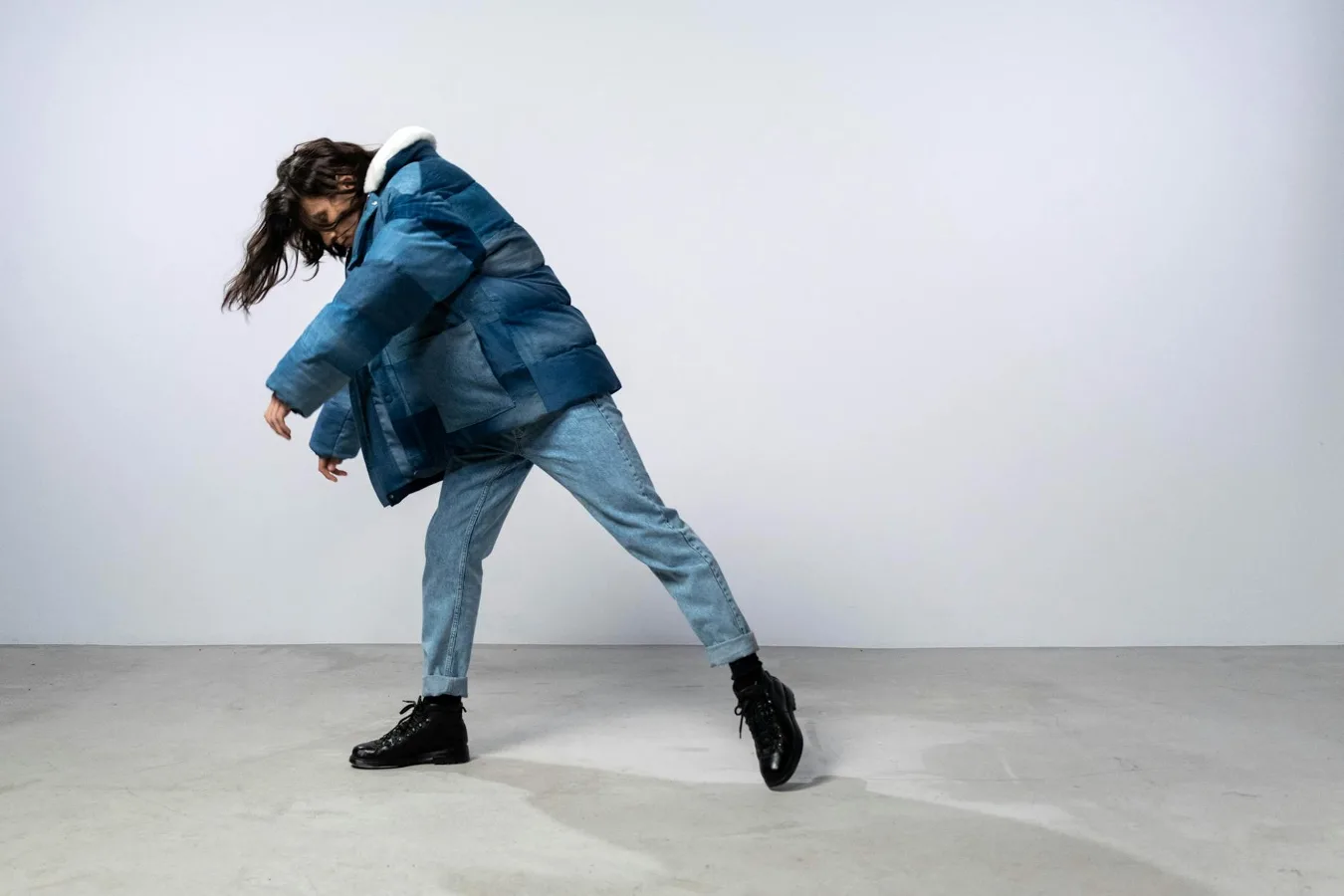
What a denim winter coat is best for
A denim winter coat is a denim outer layer designed to handle cooler weather better than a standard jean jacket. In practice, that usually means a heavier denim shell, a warmer lining, a longer cut, or some combination of the three. It is a strong choice for people who want casual style, moderate warmth, and a coat that feels easier to wear than a bulky parka. chicago bears winter coat offers more detail on this point. Cashmere Winter Coat Buying Guide offers more detail on this point.
The important limitation is simple: denim alone is not a warm winter fabric. A denim winter coat works best in mild to moderately cold conditions, or in colder weather when it is paired with effective layering. If you expect wet, windy, or freezing conditions, the lining, construction, and overall fit matter much more than the denim itself.
That makes this category useful for everyday errands, commuting, weekend wear, and transitional months. It also explains why people often confuse a denim winter coat with a winterized denim jacket. The difference is not just length or style. The real question is how much insulation, coverage, and wind protection the garment offers.
Who should consider one
A denim winter coat makes the most sense for someone who values style flexibility and does not need extreme cold protection from a single piece. If your winter wardrobe leans casual, denim can be an easy way to add structure without feeling overly technical or formal.
It is especially practical for buyers who:
- live in a milder US climate or spend most of winter indoors and in transit
- prefer a relaxed, everyday look rather than a performance outerwear style
- want a coat that works with boots, knits, hoodies, and casual pants
- need a layer that can transition from fall into winter
It is less suitable if your local winter is consistently harsh, wet, or windy. Denim can hold up well as a shell, but comfort depends on what is inside and how the coat is cut. A stylish outer layer that looks warm can still leave you underdressed if the insulation is thin or the opening is too loose.
The trade-offs that matter most
The appeal of a denim winter coat usually comes from the balance of style and practicality. The trade-offs are worth understanding before you buy.
Style versus true winter performance
Denim has a familiar, versatile look that works across casual wardrobes. The trade-off is that it is not naturally insulating. If the coat has a thin lining or a cropped fit, it may look winter-ready without being winter-capable in a real cold snap.
Structure versus comfort
Denim coats often hold their shape better than softshell or puffer styles. That can look polished, but it may reduce flexibility through the shoulders and arms, especially when the coat is heavily lined. If you plan to layer thick sweaters underneath, a snug denim coat can feel restrictive fast.
Warmth versus weight
Adding warmth usually adds bulk. Sherpa lining, quilted insulation, or heavier canvas-style denim can improve comfort, but the coat may become less breathable and harder to pack or move in. This is a common compromise in fashion outerwear: more warmth often means less ease.
Weather resistance versus appearance
Most denim winter coats are not built for wet weather the way technical shells are. Some treatments may help with light moisture, but denim is not the first choice for rain, sleet, or slush. If your winter includes frequent precipitation, you may want a more weatherproof primary coat and keep denim for dry days.
Material and spec factors to check before buying
If you are trying to choose the right denim winter coat, the useful details are often hidden in the product description. Focus on the elements that actually affect comfort and wearability.
Denim weight and fabric feel
Heavier denim usually feels more substantial and structured. That can be a plus for durability and wind resistance, but it does not automatically mean the coat is warmer. Warmth depends more on the lining and how the garment traps air. Still, a thin denim shell may feel too seasonal for winter use.
Lining type
The lining is often the biggest comfort factor. Sherpa and faux shearling linings provide a cozy feel and can add noticeable warmth around the torso. Quilted linings tend to give a smoother interior and can make layering easier. A lightly lined coat may work for fall or early winter, but it may not be enough if temperatures drop.
Length and coverage
Longer denim coats generally offer better coverage than cropped jackets. That does not make them universally warmer, but extra length can reduce draftiness through the hips and thighs. If you tend to feel cold, look for a cut that protects more of your body rather than focusing only on the outer fabric.
Closure design
Button-front denim coats look classic, but they can allow more cold air through than a zip-front closure with a storm flap. Some designs use both. If warmth matters more than styling detail, closure design is worth paying attention to because it affects how well the coat seals.
Room for layers
One of the most overlooked considerations is sleeve and body room. A denim winter coat that fits well over a T-shirt may become uncomfortable over a sweater or hoodie. If the brand offers a roomier cut, that can be a practical advantage for winter use. A slim fit may look neat, but it can reduce the coat’s real-world warmth.
Collar and cuff details
Small details make a big difference in cold weather. A high collar, fold-over collar, or lined hood can improve comfort around the neck. Cuffs that sit close to the wrist help keep drafts out. These details rarely get the spotlight, but they affect how wearable the coat feels on chilly days.
| Feature | What it affects | Why it matters |
|---|---|---|
| Denim weight | Structure, feel, durability | Heavier denim usually feels sturdier, but not always warmer |
| Lining type | Warmth, layering comfort | Often the main factor in winter usability |
| Length | Coverage, draft control | Longer cuts can feel more protective in cold weather |
| Closure | Wind protection | Buttons, zippers, and flaps change how much air gets in |
| Fit | Layering, mobility | Roomier fits support sweaters and heavier layers |
How to judge warmth without overestimating it
A common mistake is assuming that a coat looks thick, so it must be warm. With denim winter coats, appearance can be misleading. A sherpa-lined piece may feel much warmer than a similar-looking coat with a thin interior finish. Likewise, a longer coat may block drafts better than a cropped jacket even if both use similar denim.
Try to think in layers of protection. The denim shell handles style, abrasion, and some wind resistance. The lining adds insulation. The fit controls how much air gets trapped inside. The closure and collar decide how much heat escapes. If any one of these parts is weak, the coat may underperform in cold weather.
That is why a denim winter coat is usually better described as a cold-weather casual coat than a substitute for every winter scenario. It can be excellent for daily wear, but it is not the same category as a down coat, insulated parka, or technical shell.
Styling a denim winter coat without looking underdressed
Denim has a strong casual identity, so the rest of the outfit needs to support the same level of relaxed utility. The easiest way to wear a denim winter coat is to treat it as the outermost layer in a clean, coordinated outfit.
- Pair it with chunky knits, hoodies, or fleece midlayers for warmth
- Choose boots or sturdy sneakers that balance the weight of the coat
- Use darker denim or neutral colors if you want a more understated look
- Keep the rest of the outfit simple if the coat already has sherpa trim, distressing, or contrast hardware
If the coat is long, let the proportions work for you by keeping the inner layers fitted enough to avoid bulk. If the coat is cropped, make sure your base layers provide enough warmth at the waist and hips. Style and function tend to work better together when the silhouette is intentional.
One practical nuance: a denim winter coat can be easier to dress up slightly than a puffer, but less versatile than a wool overcoat in formal settings. That makes it strongest in smart-casual and everyday casual wardrobes.
When a different coat is the better buy
There are plenty of situations where a denim winter coat is not the best choice, even if you like the look.
Choose a parka if warmth is the priority
If your main concern is staying comfortable in a serious winter climate, a parka usually makes more sense. Parkas are typically better at blocking wind, handling snow, and providing dependable insulation. They are less style-neutral than denim, but they are often more practical for long outdoor exposure.
Choose a wool coat if you want a cleaner dressier look
A wool coat gives a more polished appearance and often works better for office wear or dressier outfits. It can be warmer than many denim coats, though usually it is not as casual or rugged. If your wardrobe needs a more refined outer layer, wool may be the better anchor piece.
Choose a puffer if you need maximum insulation
Puffer jackets and coats usually win on warmth-to-weight ratio. They are often the more sensible option for freezing temperatures. The trade-off is visual: puffers are less structured, and some people prefer the look of denim for everyday style.
Choose a chore coat or canvas coat for a similar feel
If you like the relaxed structure of denim but want something a bit different, canvas or chore-style outerwear may be worth considering. These options can offer a similar casual aesthetic with different weight, texture, and layering behavior.
Care and maintenance basics
Denim outerwear usually benefits from less frequent washing than casual clothes worn close to the skin. Overwashing can affect color, texture, and shape. Always follow the care label, because the lining material matters just as much as the outer denim. denim jacket care and washing offers more detail on this point.
For lined coats, care becomes more complicated. Sherpa, faux shearling, quilted interiors, and mixed-material constructions may need gentler cleaning than plain denim. Before buying, it helps to think about whether you are willing to handle a garment that may require more careful maintenance than a basic jacket.
Storage matters too. A structured denim winter coat keeps its shape better when hung properly rather than crammed into a tight closet. If the coat has heavy trim or a thick lining, let it air out after wear so moisture and odor do not build up.
Common mistakes to avoid
- Buying for looks only and ignoring the lining
- Choosing a slim fit that leaves no room for winter layers
- Assuming denim alone will provide enough warmth
- Overlooking closure design and collar coverage
- Picking a style that looks good in dry weather but is impractical in snow or rain
- Forgetting that heavier construction can reduce comfort and mobility
The biggest misconception is that a winter label guarantees winter performance. In this category, the label only tells part of the story. Construction details matter more than the name of the garment.
How to decide quickly
If you want a denim winter coat and need a simple decision rule, start with climate and layering habits. If your winters are mild and you mostly want an easy everyday coat, a well-lined denim option can be a smart choice. If your winters are cold enough that you avoid being outdoors for long without serious insulation, denim should probably be a secondary coat rather than your main one.
From there, prioritize lining, fit, and coverage in that order. A coat that allows layering and blocks drafts will usually feel better than one that simply looks thick in product photos. If you are choosing between two similar styles, the one with a better closure, warmer interior, and more practical proportions usually offers better real-world value.
FAQ
Is a denim winter coat warm enough for real winter?
Sometimes, but only if it has meaningful lining and enough room for layering. It is usually better for mild to moderate cold than for harsh winter conditions.
What lining is best in a denim winter coat?
Sherpa and faux shearling feel warm and cozy, while quilted linings can make layering easier. The best choice depends on how much warmth you need and how bulky you are willing to go.
Can you wear a denim winter coat in snow?
You can wear one in light, dry conditions, but denim is not the most weatherproof option. For wet snow, slush, or long exposure outdoors, a more weather-resistant coat is usually more practical.
Should I size up in a denim winter coat?
Often yes, if you plan to wear sweaters or hoodies underneath. A little extra room can make the coat much more usable in winter, but too much looseness can reduce warmth.
How do I style a denim winter coat without it looking bulky?
Use streamlined layers underneath, choose balanced footwear, and pay attention to proportions. A cleaner silhouette helps the coat look intentional rather than oversized.
Next steps if you are shopping now
Before you buy, compare three things: the lining, the fit over layers, and the weather conditions you actually face. If those three line up, a denim winter coat can be a useful and versatile addition to a casual wardrobe.
If they do not line up, it may still be worth owning one for transitional weather and styled outfits, but not as your main winter solution. That distinction helps you avoid the most common disappointment in this category: liking the look of the coat more than the way it performs on a cold day.