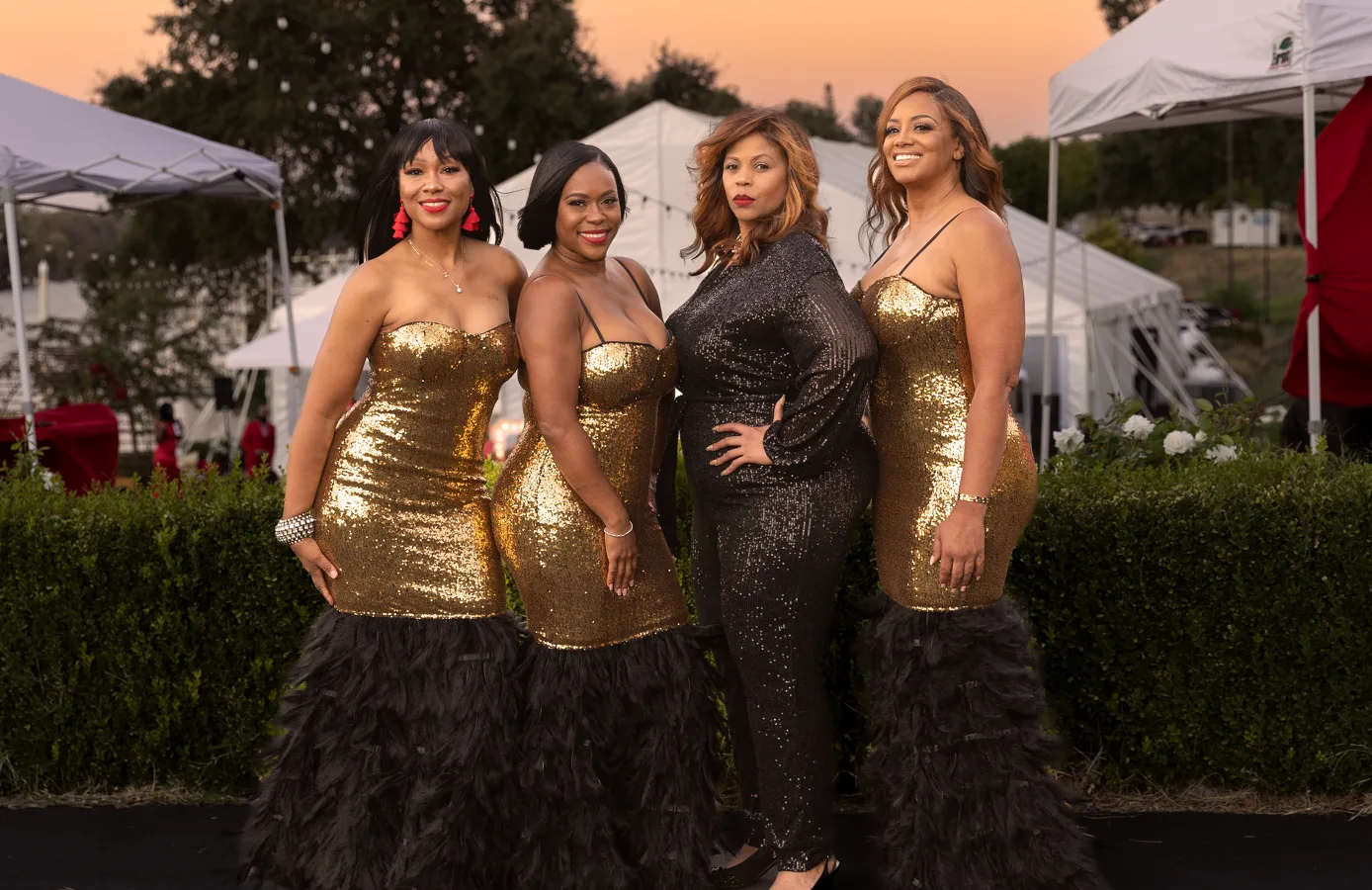
Why black and gold dresses work so well
Black and gold dresses for women are a strong choice because they balance contrast and elegance in a way that feels easy to wear. Black brings structure and versatility. Gold adds warmth, shine, and a dressier finish. That combination can read classic, festive, modern, or glamorous depending on the cut and fabric. fabric guide for dress shopping offers more detail on this point. derby dresses for women offers more detail on this point.
For most shoppers, the real appeal is flexibility. A black and gold dress can suit a holiday party, a cocktail event, an evening dinner, a formal celebration, or a wedding guest outfit if the styling is kept appropriate. The key is not just the color pairing, but how the dress uses it. Some designs lean subtle with gold embroidery or trim. Others use sequins, metallic thread, or jacquard patterns for a much bolder look.
If you are trying to narrow down options, start with the event first and the dress second. That sounds simple, but it prevents one of the most common mistakes: choosing a dress that looks beautiful online yet feels too flashy, too casual, or too heavy once you know where you will wear it.
Best buyer scenario: what kind of shopper this style suits
Black and gold dresses are especially useful for women who want one outfit that can handle more than one type of dressy occasion. They are a smart fit if you want something that stands out without relying on bright color, and if you prefer a palette that works across seasons. formal dresses for special occasions offers more detail on this point.
This style is also a good match for shoppers who like polished details. Gold accents can elevate a simple silhouette, while black helps the look stay grounded. That makes the category broad enough to include everything from sleek cocktail dresses to dramatic floor-length gowns.
You may find this style less useful if you prefer understated minimalism, dislike metallic finishes, or need something with very low visual contrast. In those cases, a solid black dress or a softer neutral may be easier to repeat across events.
Start with the event before you focus on sparkle
The biggest decision factor is how formal the occasion is. Black and gold can work at many levels, but the wrong balance can make a dress feel mismatched.
For cocktail parties and semi-formal events
Shorter or midi-length dresses often work best. Look for controlled gold details rather than all-over shine if you want the dress to feel polished instead of costume-like. A black sheath dress with gold trim, a wrap dress with metallic accents, or a fit-and-flare style with a subtle gold pattern usually fits this lane well.
For formal evenings
Longer silhouettes tend to feel more natural. A black and gold maxi dress, an embellished gown, or a dress with structured draping can create a more refined impression. At this level, fabric matters more because heavier or richer materials tend to support the look better than thin, clingy knits.
For weddings and special celebrations
Keep the balance elegant rather than overly theatrical. If the event is conservative or traditional, a dress with gold accents may be more appropriate than one covered in sequins. A sophisticated midi or gown with a modest neckline can be safer than something overly body-conscious or highly reflective.
Trade-offs worth weighing before you buy
Black and gold dresses bring style, but they also come with a few trade-offs that are easy to overlook.
- They can be more event-specific. A highly embellished dress may be harder to reuse than a simpler black dress with gold detailing.
- Gold finishes change the mood quickly. Small accents feel refined; large reflective areas can feel much bolder than expected.
- Fabric quality matters more than usual. Metallic details can expose weak construction, uneven stitching, or a cheaper finish.
- Fit becomes more noticeable. High-contrast designs can highlight seams, tension points, and proportions.
- Accessories need restraint. Because the dress already has visual interest, over-accessorizing can make the outfit feel crowded.
A useful mindset is to decide whether you want the dress to be the statement piece or the base for styling. If the dress already has strong gold embellishment, keep shoes and jewelry simpler. If the dress is mostly black with subtle gold accents, you have more room to add accessories.
Material and construction: what to look for
Fabric choice shapes both the look and the comfort of black and gold dresses. Two dresses can share the same color palette and feel completely different because of the material.
Sequins and embellished fabrics
Sequins deliver the most obvious shine and are often chosen for parties, holiday events, and evening wear. The trade-off is comfort. Sequins can feel heavier, less flexible, and occasionally scratchy depending on the lining and placement. If you want this look, pay attention to whether the inside is lined and whether the embellishment covers areas that will rub during movement.
Satin and silk-like finishes
Satin or satin-like fabrics create a softer sheen than sequins. These can look elegant in black and gold, especially in bias-cut or draped silhouettes. They do require more care, though. Satin can show wrinkles, cling in the wrong places, and reveal fit issues more easily than textured fabrics.
Jersey, ponte, and stretch blends
These are often more comfortable for longer wear. A black dress with gold details in a stretch fabric can be a practical choice for events where you will sit, stand, and move around a lot. The look may be less dramatic, but that can be an advantage if you want something wearable beyond one evening.
Lace, mesh, and jacquard
Lace and mesh can soften the intensity of black and gold by adding texture. Jacquard often gives the dress a more structured, upscale feel. These fabrics can be especially effective if you want something dressy without a high-shine finish.
Silhouette matters as much as color
Black and gold can flatter many body types, but the silhouette determines whether the dress feels balanced and comfortable.
- Bodycon: Best if you want a fitted, modern look. Works well when the fabric has enough structure to smooth rather than cling.
- Wrap dress: A versatile option that can be adjusted at the waist and often feels easier to wear across different settings.
- A-line or fit-and-flare: Useful for adding shape without feeling restrictive. Often a strong choice for party and guest dressing.
- Midi dress: A practical middle ground that can feel refined without being overly formal.
- Maxi dress or gown: Best for evening events, formal occasions, and moments when you want a more dramatic line.
A common misconception is that the most embellished dress is always the most flattering. In reality, a simpler silhouette in a better fabric often looks more expensive and feels easier to wear. If the gold detailing is already doing the visual work, a clean shape usually gives the best result.
How to choose the right level of gold
Not all black and gold dresses use gold in the same way, and that difference changes the entire outfit.
Subtle gold accents include piping, buttons, embroidery, waist trim, or a decorative neckline. These are the easiest to style and often age better in a wardrobe because they remain versatile.
Moderate gold detailing may appear in patterns, metallic thread, or paneling. This level is good for shoppers who want a noticeable dress that still feels refined.
High-shine gold coverage includes sequins, foil finishes, and heavily embellished designs. These are the most attention-grabbing and usually best reserved for evening events, celebrations, or occasions where a bold look makes sense.
A practical nuance: gold can look very different under warm indoor lighting than it does in daylight. If you are shopping online, product photos alone can be misleading. A gold finish that looks soft in one image may appear much brighter in another. Reading the product description carefully helps you understand whether the dress is meant to be subtle, luminous, or full-on glamorous.
Styling choices that keep the look polished
Because black and gold dresses already carry visual weight, the rest of the outfit should usually support the dress rather than compete with it.
- Shoes: Black pumps, strappy heels, nude heels, or metallic shoes can all work. Choose one focal direction and stay consistent.
- Jewelry: If the dress has strong gold elements, one or two coordinated pieces are usually enough.
- Outerwear: A tailored blazer, cropped jacket, or clean shawl tends to work better than a bulky layer.
- Handbags: A small clutch or compact evening bag keeps the outfit balanced.
If the dress is already ornate, avoid adding too many competing textures. Mixing sequins, glitter shoes, oversized jewelry, and a patterned bag can make the look feel overworked. A cleaner approach usually looks more expensive and more intentional.
Comfort and wearability are easy to underestimate
Some black and gold dresses photograph beautifully but are less pleasant to wear for several hours. That is especially true with embellished necklines, rigid fabrics, tight sleeves, or low-stretch construction.
Think through the real conditions of the event. Will you be sitting through dinner? Moving between indoor and outdoor spaces? Dancing? Traveling to the venue? If so, comfort matters just as much as appearance. A dress with a beautiful finish but limited mobility can become a regret purchase.
Pay attention to lining, sleeve shape, zipper placement, and whether the hem allows natural movement. These details often determine whether a dress feels special for one hour or wearable for an entire evening.
Common mistakes shoppers make with this color combination
- Choosing too much shine for the setting. A dress can look glamorous and still be too bold for a modest event.
- Ignoring fabric texture. The same black and gold palette can feel luxe or cheap depending on construction.
- Over-accessorizing. The dress already has contrast, so too many extras can clutter the look.
- Buying for the photo instead of the fit. Metallic details can distract from poor tailoring, but only briefly.
- Forgetting versatility. A highly themed party dress may have limited use afterward.
Alternatives if black and gold feels too strong
If you like the idea of contrast but want something softer, there are several adjacent options worth considering.
- Black dress with champagne accents: Less contrast, more understated glamour.
- Black dress with silver details: Cooler-toned and often more modern or minimalist.
- Gold dress with black trim: Better if you want gold to lead the look rather than support it.
- Black dress with sequins only at the hem or bodice: Helps keep the outfit dressy without overwhelming the wearer.
These alternatives are helpful if you want a dress that can be worn in more than one setting or if you are unsure how much shimmer feels appropriate for your personal style.
Next steps before you choose a dress
Before adding a black and gold dress to your cart, use this quick filter:
- Identify the occasion and its dress code.
- Decide whether you want subtle accents or high-impact shine.
- Choose a silhouette that supports comfort and movement.
- Check the fabric, lining, and embellishment placement.
- Plan simple shoes and accessories that won’t compete with the dress.
If you are shopping for a specific event, start by narrowing the silhouette first, then compare gold intensity, then finish with comfort details. That order usually leads to better results than browsing by appearance alone. For women who want a dress that feels elegant, festive, and distinctive without leaving the realm of classic evening style, black and gold remains one of the most dependable combinations.