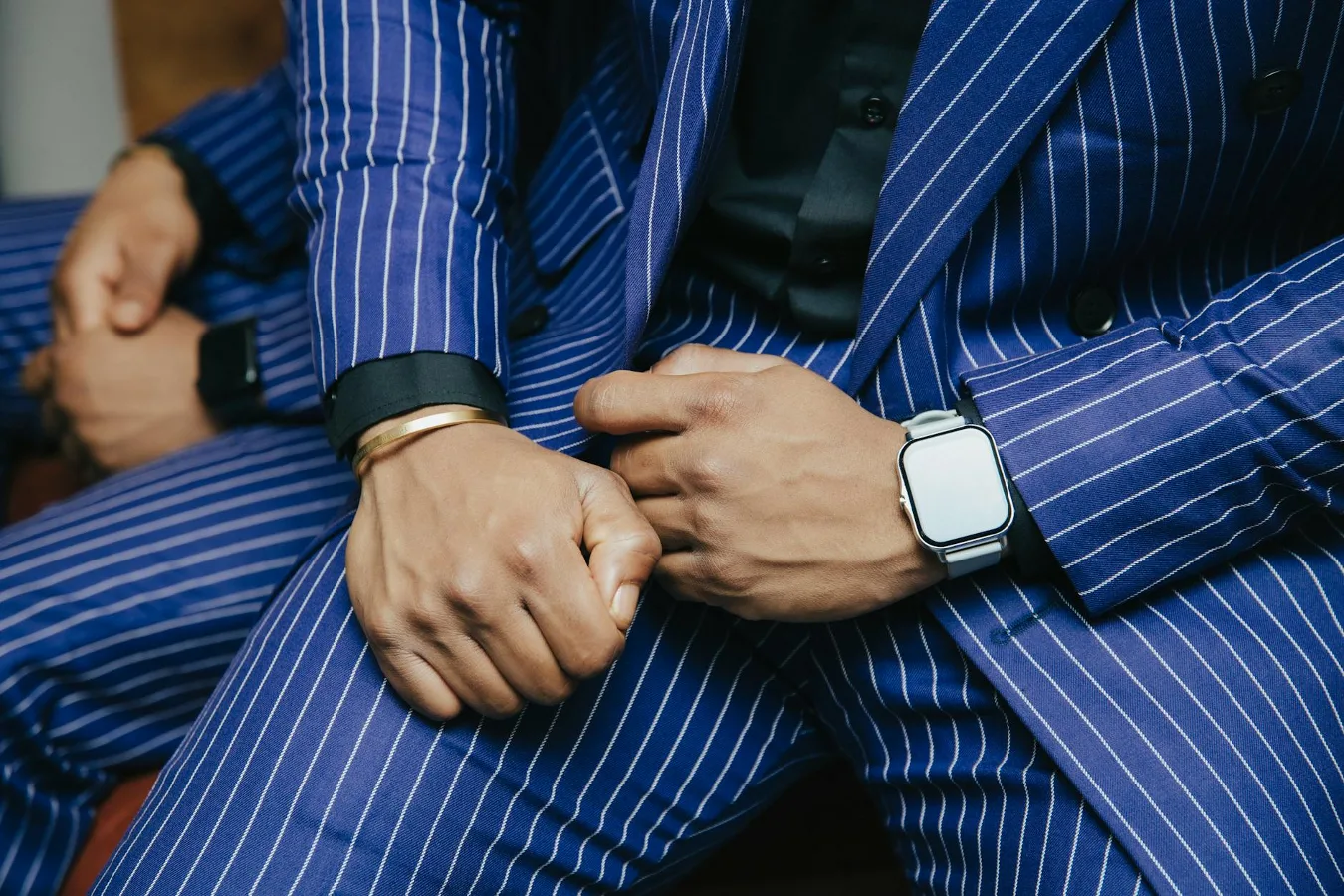
Watch bracelets for men are less about decoration and more about balance: the bracelet should support the watch, suit the setting, and feel natural on the wrist. The best choice depends on the watch case, your daily routine, and how much visual weight you want on the wrist. how to choose a watch for men offers more detail on this point.
If you are choosing one for the first time, start with the basics: material, width, fit, closure, and style. Those five details do most of the work. A bracelet that looks great on a display tray can still feel awkward if it clashes with a watch’s finish, sits too loose, or feels too formal for how you actually dress. dress watch accessory guide offers more detail on this point.
What matters most when choosing a watch bracelet
For men, a watch bracelet usually means either a metal bracelet built into the watch or a separate wrist bracelet worn alongside it. In both cases, the goal is the same: create a look that feels intentional rather than crowded.
The easiest mistake is focusing only on appearance. A bracelet can look sharp in a product photo and still be the wrong choice if it is too heavy, too shiny, or too fussy for everyday wear. A better approach is to weigh style against comfort and compatibility.
Material sets the tone
Material changes the look, the feel, and the maintenance level. It also affects how formal or relaxed the bracelet appears.
- Stainless steel has a clean, versatile look and works well for everyday wear.
- Leather feels softer and more casual, and it pairs naturally with classic watches.
- Beaded bracelets lean relaxed and personal, which can work with casual outfits but may compete with a refined watch.
- Gold-tone or silver-tone metals are more dressy and depend heavily on matching the rest of your accessories.
Metal bracelets are often the most adaptable, but they are not always the most comfortable. Leather usually feels lighter on the wrist, though it needs more care and is less suited to wet or humid conditions. Beaded styles add texture, but they are better viewed as a style choice than a universal pairing.
Fit affects comfort more than style photos suggest
A bracelet that sits too tight can feel restrictive, while one that moves too much can make the watch or bracelet look sloppy. The best fit usually leaves a little room without sliding far up and down the wrist.
With watch bracelets, fit is also visual. A loose bracelet can shift the watch face off-center. A very stiff bracelet may pull against the watch case or create an uneven line across the wrist. If you wear a bracelet beside a watch, consider whether the two pieces can move together without tangling.
Width and proportion should match the watch
Proportion is one of the most overlooked details. A slim bracelet next to a large, rugged watch can look underpowered. A chunky bracelet worn with a thin dress watch can overwhelm it.
Think in terms of scale. Clean, narrow bracelets usually pair better with dress watches and smaller cases. More substantial bracelets can suit sport watches, field watches, and larger cases, especially when the bracelet finish echoes the watch hardware.
How to pair a bracelet with a men’s watch
The most successful pairings usually share a few visual traits: similar metal tones, related levels of shine, and compatible levels of formality. That does not mean everything must match perfectly. It means the combination should look deliberate.
Match the setting before you chase the trend
A bracelet that works for weekend wear may look out of place with a suit. Likewise, a refined bracelet can feel overly polished next to a rugged field watch. Start with the occasion:
- Office or formal wear: keep the look restrained. Clean metal, minimal texture, and a lower-profile silhouette are usually safer choices.
- Everyday casual wear: you have more room for leather, mixed textures, or a bracelet with more character.
- Sport or travel wear: prioritize durability and comfort over decorative details.
Many men run into trouble by treating all bracelets as interchangeable. A bracelet that is perfect for denim and knitwear may feel distracting with a blazer. The watch itself sets the tone, and the bracelet should follow it.
Think about metal harmony
Mixing metals is possible, but it is easier when one finish clearly leads. If your watch case is silver-toned, a silver bracelet usually looks seamless. If your watch is gold-tone, a matching bracelet often feels more polished.
That said, mixing tones can work if the rest of the outfit is simple. The key is not to create too many competing finishes at once. A watch, a bracelet, a belt buckle, and ring all introducing different tones can make the wrist area feel busy.
Decide whether you want contrast or coordination
Some men want the bracelet to blend in. Others want it to add texture or color. Both approaches can work, but they create very different results.
- Coordination is safer and more timeless.
- Contrast can add personality but needs a steadier hand.
If you are unsure, start with coordination. Once you understand how your watch wears on the wrist, it becomes easier to experiment with contrast.
Practical choices by material
Each material solves a different problem. The best option depends on what you value most: polish, comfort, versatility, or ease of care.
Stainless steel bracelets
Stainless steel is the most common choice for men who want a dependable, versatile look. It suits many modern watches and tends to feel more substantial than leather or fabric.
Best for: daily wear, business-casual outfits, and watches that need a clean, structured look.
Trade-offs: can feel heavy, can pick up scratches, and may be less comfortable in heat than softer materials.
Leather bracelets
Leather offers a more relaxed and classic feel. It softens the look of a watch and works especially well when you want something understated.
Best for: dress watches, vintage-inspired watches, and outfits that lean smart casual.
Trade-offs: requires care, can wear faster with moisture, and may not suit active or outdoor use.
Beaded bracelets
Beaded styles are common in men’s accessory stacks because they add texture without the brightness of metal. They can work well with casual watches, though they require restraint.
Best for: relaxed styling, layered wristwear, and outfits with simple fabrics and neutral colors.
Trade-offs: can look cluttered if paired with an already detailed watch, and they are less formal than metal or leather.
Mixed-material bracelets
Some bracelets combine leather, cord, stone, or metal details. These can be useful if you want a more personal look, but they are less universally wearable.
The limitation is flexibility. The more distinctive the material mix, the fewer outfits it will suit. If you want one piece that works often, a simpler construction usually gives better long-term value.
Style decisions that make a bracelet look intentional
A good bracelet does not need to dominate the wrist. It only needs to feel like part of the same visual language as the watch and the rest of the outfit.
Keep the wrist from feeling crowded
One of the most common mistakes is stacking too many bold pieces together. A large watch, a thick bracelet, and several rings can make the hand look busy rather than styled.
If your watch is already large or detailed, choose a simpler bracelet. If the bracelet has a lot of texture, let the watch be the calmer piece.
Use texture with purpose
Texture can add depth, but too much texture can weaken the overall look. A brushed metal bracelet, a smooth leather band, and a polished watch case create different effects. The best combination depends on whether you want the wrist to feel sharp, rugged, or refined.
A simple rule helps: pair one statement element with two quiet ones. That keeps the look balanced.
Consider the rest of your accessories
Bracelets should not be chosen in isolation. Rings, cufflinks, necklaces, belt hardware, and even eyeglass frames can influence what looks coherent.
If you wear a wedding band or ring with a strong finish, it may be worth matching the bracelet tone. If you already wear a necklace, a bracelet with a similar metal or texture can make the overall look feel more coherent.
Buying factors worth checking before you choose
Several practical details matter more than most shoppers expect, especially if the bracelet will be worn regularly.
Clasp or closure
A secure closure matters for both comfort and reliability. Different closures can affect how easy the bracelet is to put on and take off, and how neatly it sits under a cuff.
For a watch bracelet, the closure should feel stable without being difficult to manage. If the bracelet is for layering, a closure that catches on clothing or scratches nearby surfaces can become annoying quickly.
Finish
Shiny finishes read dressier, while brushed or matte finishes feel more relaxed. This is one of the easiest ways to control the mood of the bracelet without changing the material.
If your watch has a brushed case, a bracelet with a similar finish often looks more integrated. If the watch is polished, a matching level of shine can help the whole setup feel cohesive.
Durability and care
Think realistically about how often you want to maintain the piece. Leather needs more attention than steel. Bright polished metal shows wear more readily than brushed finishes. Beaded bracelets can loosen or break depending on construction and use.
This is where long-term value becomes more important than first impression. A bracelet that looks slightly less dramatic but wears better over time is often the smarter purchase.
Season and climate
Climate can influence comfort more than style guides admit. In warm weather, heavy metal or thick leather may feel less comfortable. In colder months, a bracelet that feels substantial can suit layered clothing better.
If you live in a humid area or wear your watch during active days, moisture resistance should carry more weight than decorative details.
Common mistakes men make with watch bracelets
Most missteps come from overcomplicating the look or ignoring fit.
- Choosing the bracelet first and the watch second. The watch should lead the decision.
- Mixing too many strong finishes. Too much shine, texture, or color can feel unbalanced.
- Ignoring scale. A small bracelet can disappear next to a large watch, while a thick bracelet can overpower a slim one.
- Prioritizing appearance over comfort. If it irritates the wrist, it will stay in a drawer.
- Forgetting the dress code. Some bracelets suit casual styling only, no matter how attractive they look on their own.
A less obvious mistake is choosing a bracelet that matches the watch too literally. Perfect matching can look flat. Slight contrast often looks more natural, provided the overall tone stays coordinated.
How to decide what to buy
If you want the simplest path, use the watch you already own as the starting point. Then ask four questions:
- Does the bracelet suit the watch’s level of formality?
- Will it feel comfortable during the hours you actually wear it?
- Does the size feel proportional on your wrist?
- Will you still want to wear it with more than one outfit?
If the answer is yes to all four, you likely have a good candidate. If not, narrow the field until the bracelet serves a clear purpose instead of trying to do everything.
For men who want one dependable option, a simple metal bracelet in a neutral finish is usually the most flexible. For a softer, more classic look, leather remains a strong alternative. If your style leans casual and layered, a subtle beaded bracelet can work, but it is best treated as an accent rather than the centerpiece.
A useful way to think about the category
Watch bracelets for men are not a one-size-fits-all accessory. They work best when they solve a specific styling or wearability need: adding polish, softening a formal watch, balancing a casual outfit, or giving the wrist a more finished look. men’s bracelet styling ideas offers more detail on this point.
The right choice is the one that looks good, feels comfortable, and fits the way you actually dress. If those three things line up, the bracelet will do its job quietly and well.