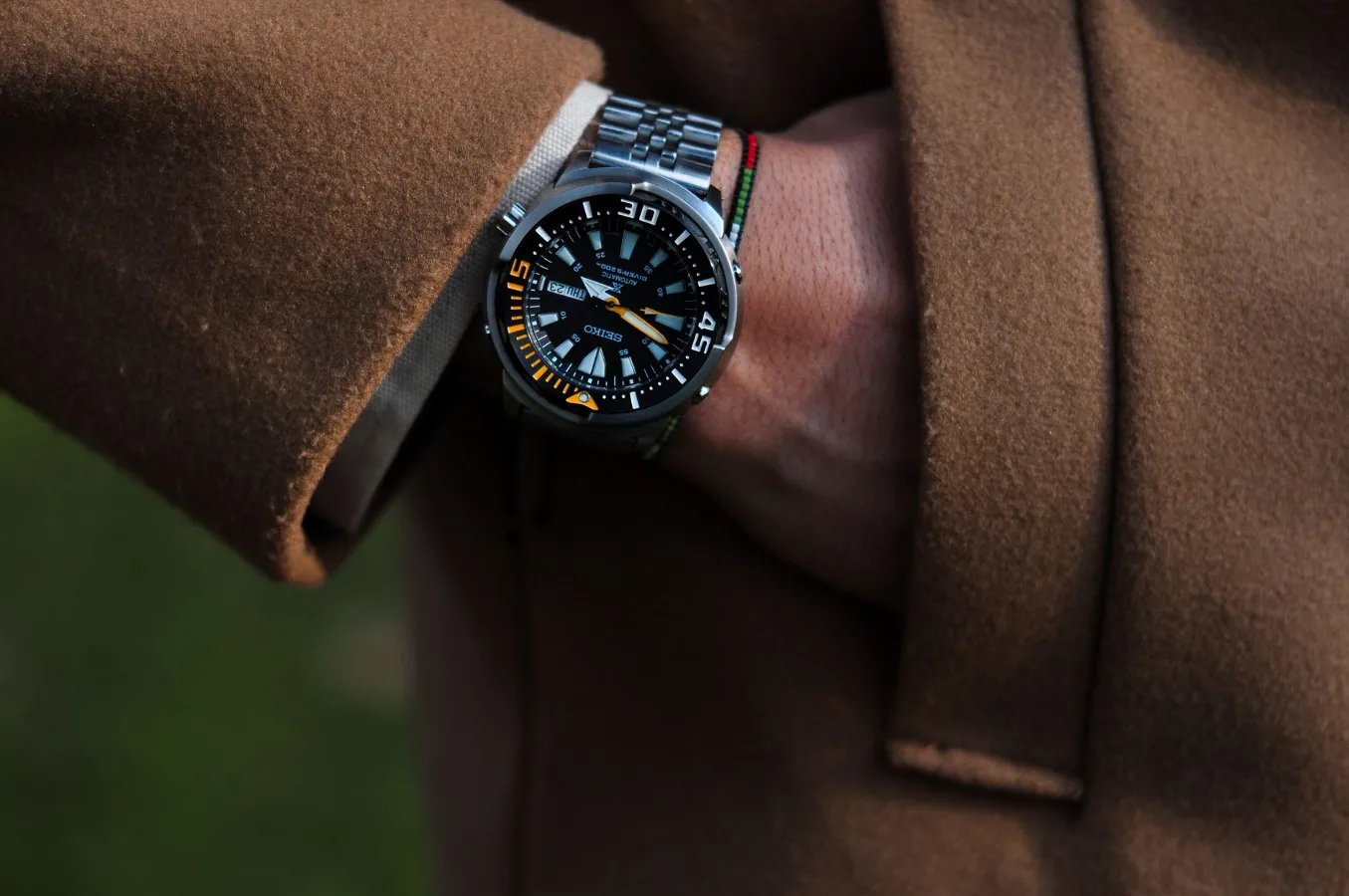
Who titanium bracelets for men suit best
Titanium bracelets for men are a smart choice if you want a piece that feels light on the wrist, looks clean and modern, and does not need much upkeep. They usually appeal to men who prefer understated jewelry, wear accessories every day, or want something less noticeable than steel while still feeling substantial. tennis bracelets for men offers more detail on this point. minimalist accessories for men offers more detail on this point.
They can also make sense for someone with sensitive skin, although skin reactions depend on the full design, not just the metal itself. If you are choosing a bracelet for daily use, titanium is worth shortlisting because it tends to balance comfort, durability, and a restrained look better than many heavier metals.
The main trade-off is that titanium bracelets are not the best fit for every style. Some are sleek and architectural; others can feel too minimal if you want a more decorative or traditional bracelet. The right option depends on how you plan to wear it, what kinds of clothes you wear most often, and whether you want a bracelet that blends in or stands out.
What makes titanium different from other bracelet materials
Titanium is commonly chosen for jewelry because it is strong for its weight. That gives men’s bracelets a practical advantage: you can wear a piece that feels sturdy without feeling bulky. For some buyers, that lighter feel is a major selling point. For others, it can be a drawback if they equate weight with value. Rose Gold Engagement Rings: A Buyer’s Guide offers more detail on this point.
Compared with stainless steel, titanium often feels less dense on the wrist. Compared with leather, it offers more structure and a more polished look. Compared with silver or gold, it usually leans more contemporary and less dressy. That makes titanium especially useful for everyday outfits, business casual wardrobes, and men who prefer clean lines over ornament.
A common misconception is that all titanium bracelets are the same. They are not. Bracelet design matters just as much as the base metal. A titanium cuff, a link bracelet, and a braided or inlaid design can wear very differently. Clasp quality, finish, width, and surface treatment all affect comfort and appearance.
Key buying factors to compare before you choose
Fit and wrist shape
Fit should be your first decision point. A bracelet that is too loose can spin annoyingly or catch on sleeves. One that is too tight can feel restrictive, especially if you wear it all day. Titanium bracelets for men often come in fixed sizes or adjustable designs, so check how the bracelet is supposed to sit on the wrist before you buy.
If you prefer a bracelet that moves a little, a link style may be easier to adjust than a rigid cuff. If you want a cleaner profile, a cuff can work well, but only if the opening and width suit your wrist. Men with smaller wrists often do better with slimmer profiles, while broader wrists can usually handle wider bands without looking oversized.
Clasp and closure style
Closure type affects both convenience and security. Fold-over clasps, lobster clasps, hidden clasps, and magnetic closures each have trade-offs. A secure clasp matters if you wear the bracelet often, remove it frequently, or plan to pair it with a watch.
Magnetic closures can be convenient, but they are not always the best choice for active wear or for anyone who wants maximum security. Traditional clasps usually feel more reliable, though they can be harder to manage one-handed. If ease of use matters, read the closure description carefully and look at how the bracelet is opened and fastened.
Finish and visual style
Titanium bracelets are often sold with brushed, matte, satin, or polished finishes. The finish changes the entire mood of the piece. Brushed and matte surfaces usually feel more subtle and hide small marks well. Polished finishes are brighter and more reflective, which can make the bracelet look dressier but may also show fingerprints and wear more easily.
The finish should match your wardrobe. If you wear mostly casual clothing, a brushed titanium bracelet often blends in better. If you want something that can move between casual and more refined outfits, a clean polished or mixed-finish design may be more versatile.
Width, thickness, and proportion
Bracelet proportion matters more than many buyers expect. A very narrow titanium bracelet can disappear on a larger wrist, while a heavy, wide design can overwhelm a smaller wrist. Thickness also affects comfort under shirt cuffs and jacket sleeves.
If you want an accessory you can wear every day, look for a profile that feels balanced rather than statement-heavy. The goal is not just visual appeal; it is ease of wear. A bracelet that sits comfortably is far more likely to stay in your rotation.
Link style, cuff style, or hybrid design
Link bracelets tend to feel more traditional and adjustable. Cuffs are cleaner and often more minimal. Hybrid designs may combine titanium with accent materials such as carbon fiber, rubber, ceramic, leather, or darker metal finishes. Those combinations can add contrast, but they also change the care requirements and overall style.
If you want a bracelet that stays versatile, a simple titanium link or cuff is usually easier to integrate into more outfits than a highly stylized mixed-material design.
Trade-offs to think through before buying
Titanium is appealing, but every material comes with limitations. One common trade-off is the lighter feel. Some men love it because the bracelet feels easy to wear. Others prefer the heft of steel, silver, or gold because it feels more substantial.
Another trade-off is sizing flexibility. Cuffs may need careful measurement, and fixed-length bracelets are less forgiving if you are between sizes. If you are shopping online, sizing details matter more than brand imagery. A bracelet can look perfect in a photo and still feel wrong on the wrist.
There is also a style trade-off. Titanium often looks modern, technical, and streamlined. That is a strength if you like minimal design. It is less ideal if you want warmth, heritage styling, or the softer patina that comes with some other metals.
Finally, do not assume that titanium automatically means low maintenance in every case. The metal itself may be easy to live with, but mixed materials, plated accents, textured surfaces, and certain clasp mechanisms can still need regular care.
How to match a titanium bracelet to your use case
For everyday wear
If you want an everyday bracelet, prioritize comfort, secure closure, and a finish that does not show wear too quickly. Brushed or matte titanium often works well because it is less visually fussy and easier to keep looking clean between wipe-downs.
Everyday bracelets should also clear practical hurdles. Think about keyboard use, driving, gym sessions, and sleeve friction. A design with sharp edges or a bulky clasp may look fine in a product photo but become annoying after a full day.
For office and business casual outfits
For office wear, subtlety usually wins. A slim or medium-width titanium bracelet in a matte or brushed finish tends to look professional without drawing too much attention. If you also wear a watch, pay attention to scale so the two pieces do not compete.
The best business-casual bracelets are usually simple, clean, and easy to forget once they are on. That is often more useful than a dramatic statement piece.
For gifting
A titanium bracelet can be a good gift if you know the recipient’s style and wrist size. If not, the risk is proportion and fit rather than material quality. Gift-friendly options usually include designs with adjustable sizing or clearly stated measurement guidance.
For someone who wears minimal accessories, a simple titanium bracelet is safer than a highly stylized design. For someone who already wears jewelry, a more distinctive finish or mixed-material detail may feel more personal.
Comfort, skin sensitivity, and daily practicality
Comfort is more than weight. Surface smoothness, edge finishing, and clasp placement all matter. A bracelet with polished edges and a well-finished interior usually feels better over long wear than a design with visible seams or sharp transitions.
If skin sensitivity is part of your decision, pay attention to the whole construction. Titanium is often chosen for sensitive skin, but other components such as coatings, mixed metals, or decorative inserts can change how a bracelet feels on the wrist. If you have a known metal sensitivity, it is worth reviewing the full materials list rather than focusing on the headline material alone.
Practicality also includes noise. Some bracelet styles click lightly against a watch case, desk surface, or laptop during the day. That may not matter to everyone, but it can be a real annoyance in quiet settings.
Care and maintenance expectations
Titanium bracelets are generally straightforward to maintain, which is one reason they are popular for everyday wear. A soft cloth and gentle cleaning are usually enough for routine care, though you should always follow the care guidance for the specific bracelet style and any attached materials.
Mixed-material bracelets may need more attention. Leather inserts, coated surfaces, and decorative components can wear differently from the titanium body. If you want the lowest-maintenance option, keep the design simple.
Storage also matters. Storing a bracelet separately helps reduce scratches from contact with watches, rings, cufflinks, and other metal jewelry. That is especially useful if the bracelet has a polished finish.
Common mistakes men make when shopping for titanium bracelets
- Choosing by material only: titanium is only part of the story. Fit, finish, closure, and proportions matter just as much.
- Ignoring wrist size: a bracelet that looks right in photos can be uncomfortable if the sizing is off.
- Overlooking clasp quality: convenience is not useful if the closure feels flimsy or awkward.
- Picking the wrong finish for your wardrobe: polished and matte styles create very different effects.
- Forgetting sleeve compatibility: some wider bracelets can snag or feel awkward under fitted cuffs.
- Assuming all titanium is hypoallergenic in every design: mixed components can change the wearing experience.
Good alternatives if titanium is not the right fit
If you like the idea of a bracelet but titanium does not suit your style, there are several strong alternatives. Stainless steel is a common option for men who want a little more visual weight and a familiar jewelry feel. Sterling silver can look more traditional and dressy, though it generally needs more care. Leather offers warmth and a more casual appearance, but it will wear differently over time. Silicone or rubber bracelets are practical for workouts and very casual settings, though they are less versatile.
The right alternative depends on what you value most. If durability and minimal upkeep matter most, titanium stays near the top of the list. If visual warmth or classic jewelry presence matters more, another material may suit you better.
How to narrow down the right bracelet fast
- Decide whether you want a subtle everyday piece or a more noticeable accessory.
- Choose the bracelet style first: cuff, link, or mixed-material design.
- Check your wrist measurement and compare it to the seller’s sizing guidance.
- Pick a finish that matches your clothing and other accessories.
- Review clasp style for security and ease of use.
- Look at the interior edges and overall profile for comfort.
If you are choosing between several titanium bracelets for men, the best filter is often use case. The right bracelet for daily office wear is not always the right bracelet for travel, gifting, or pairing with a watch.
Frequently asked questions
Are titanium bracelets good for men?
Yes, especially if you want something lightweight, modern, and easy to wear every day. They are a strong option for men who prefer low-profile jewelry.
Do titanium bracelets feel heavy?
Usually not. Titanium is known for being relatively light for its strength, so many people find it comfortable for extended wear.
Can titanium bracelets be resized?
Some can, especially link styles, but many cuffs and fixed-length designs are less adjustable. Check the sizing policy before buying.
What finish is best for a titanium bracelet?
Brushed and matte finishes are usually the most forgiving for everyday wear. Polished finishes look brighter but may show marks more easily.
Are titanium bracelets good for sensitive skin?
They can be a good choice, but the full design matters. Mixed metals, coatings, and other components can affect comfort.
What to do next
Start with your wrist size, then decide how visible you want the bracelet to be. From there, narrow the choice by finish, clasp style, and whether you prefer a cuff or a link design. That approach will help you avoid the most common mistake: buying a bracelet because it looks good in isolation, then finding out it does not suit your daily routine.
If you want a simple, versatile accessory, a slim titanium bracelet with a secure clasp and a brushed finish is often the safest starting point. If you want something more distinctive, use the same checklist, but give extra attention to proportion and comfort so the style does not come at the expense of wearability.