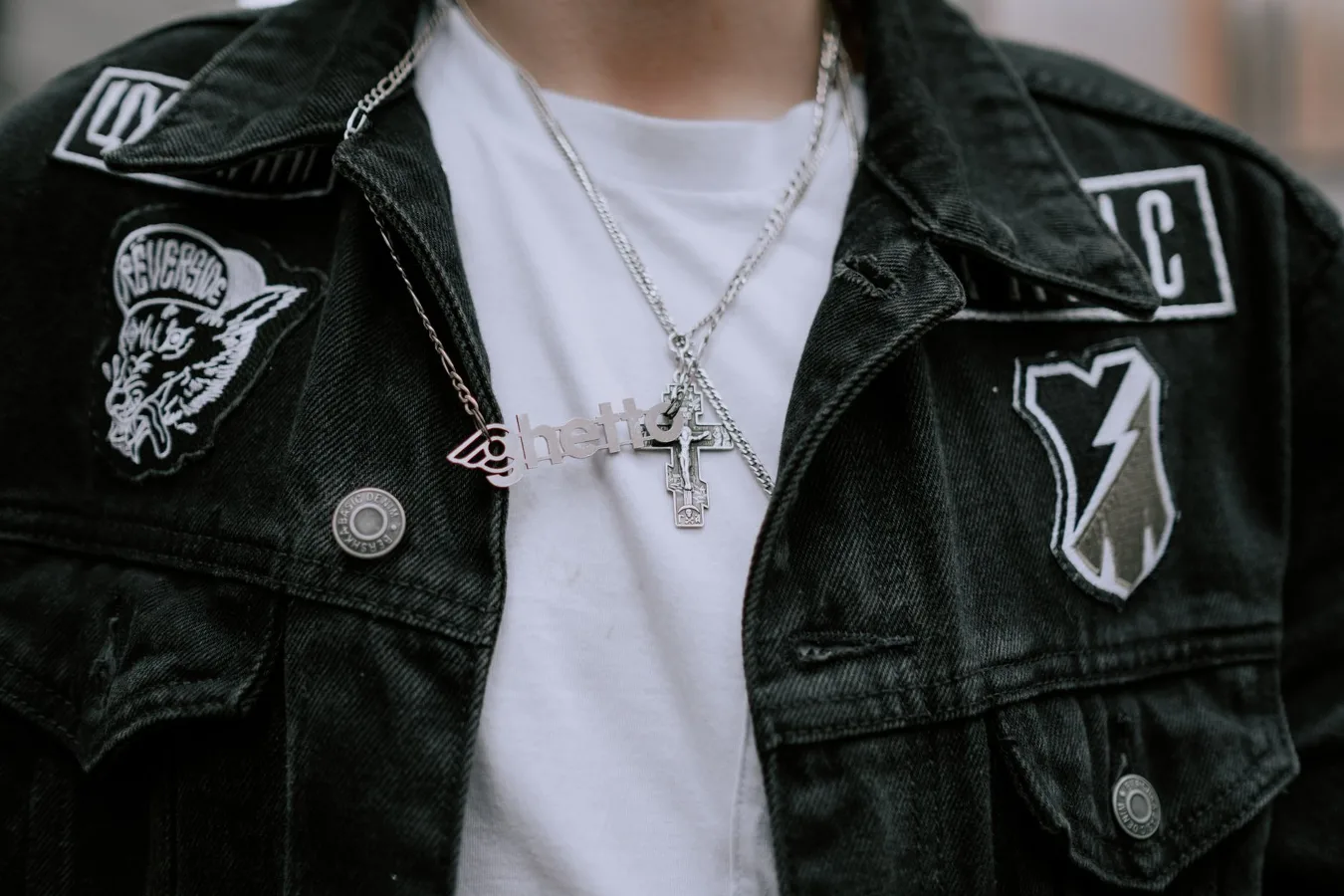
A silver initial necklace is a straightforward way to wear something personal without giving up versatility. It can feel subtle and everyday, or polished enough for gifting, depending on the chain, pendant shape, and finish you choose. how to choose necklace chain lengths offers more detail on this point. how to care for silver pieces offers more detail on this point.
If you are comparing options, the best silver initial necklace is usually the one that fits your routine: comfortable enough for daily wear, durable enough for repeated use, and styled in a way that matches the person wearing it. That makes the details matter more than the initial itself.
What a silver initial necklace is best for
This type of necklace works well when you want a piece that feels personal but not overly ornate. It is a common choice for birthdays, graduations, bridal parties, anniversaries, and simple everyday wear. It also fits a wide range of wardrobes because silver tends to pair easily with both casual and dressier outfits.
The appeal is partly practical. An initial pendant is recognizable, personal, and easy to wear with other jewelry. At the same time, it is usually less specific than a full name necklace, which makes it more flexible if you are buying for someone else and are not sure about their style.
Key factors to compare before buying
Metal quality
For a silver initial necklace, the first question is what “silver” actually means. In many cases, shoppers are looking for sterling silver, which is a silver alloy used in fine jewelry. Other necklaces may be silver-toned, silver-plated, or made from other metals with a silver finish. Those options can look similar at first glance, but they differ in how they wear over time. guide to sterling silver jewelry offers more detail on this point.
If you want a piece for frequent use, sterling silver is often the safer long-term choice because it is generally more durable than a thin plating. If you only need a necklace for occasional wear or a specific event, a plated option may still make sense, especially if style is the main priority. The trade-off is maintenance and longevity.
Chain style and strength
The chain matters as much as the pendant. A delicate initial pendant on an overly thin chain may look elegant, but it can also be more prone to tangling or snagging. A slightly sturdier chain often wears better day to day, especially if the necklace will be layered with other pieces.
Look at how the chain interacts with the pendant. Some initials sit best on cable chains, while others pair well with box chains or curb chains. The right choice depends on whether you want a minimal look or something that feels a little more substantial.
Length and placement
Necklace length changes the entire feel of the piece. A shorter chain places the initial near the collarbone and creates a cleaner, more visible look. A longer chain can make the necklace feel relaxed and easier to layer.
For gifting, length is a common overlooked detail. A necklace that looks ideal in product photos may sit differently depending on the wearer’s frame, neckline choices, and styling habits. If you are unsure, a medium-length chain is often the most flexible option because it can work with more outfits.
Pendant size and readability
Some initial necklaces are very small and understated, while others are larger and easier to read from a distance. Neither is automatically better. A smaller pendant usually feels more refined and subtle, while a larger initial makes more of a statement.
One common misconception is that a bigger pendant always looks more premium. In practice, size should match the intended style. If the wearer likes minimal jewelry, a large pendant may feel out of place. If the goal is a visible signature piece, a very small initial may disappear in layered styling.
Finish and visual tone
Silver jewelry can appear bright, matte, polished, or lightly antiqued. That finish changes the character of the necklace. A high-polish surface gives a cleaner, more reflective look. A softer finish can feel understated and modern.
For a gift, the safest route is usually a finish that looks classic rather than heavily distressed or overly trendy. That makes the necklace easier to wear across different wardrobes and seasons.
How to choose the right silver initial necklace for different uses
For everyday wear
If the necklace will be worn often, comfort and durability should lead the decision. A secure clasp, a chain that does not feel too fragile, and a pendant that lies flat can make daily wear much easier. You will also want to think about maintenance, since silver jewelry may need occasional cleaning to keep its finish looking consistent.
Everyday wear also favors simpler designs. The fewer sharp edges, dangling elements, or unusually delicate joins, the less likely the piece is to snag on clothing or get caught on other jewelry.
For gifting
When the necklace is a gift, versatility matters more than personal preference alone. A classic initial, clean chain, and moderate length usually make the piece easier to wear. If you know the recipient’s style, you can adjust toward more delicate or more visible designs.
Personalized jewelry works best when it still feels wearable after the occasion has passed. That is why a silver initial necklace often outperforms trend-driven jewelry as a gift: it feels thoughtful without being too specific to a single outfit or event.
For layering
If the necklace will be layered, watch the pendant height and chain spacing. A very short initial necklace can sit too close to a choker or collar necklace, while a longer chain can help create separation. Mixing chain textures can also add dimension without making the look busy.
Layering works best when at least one piece has a clear visual role. Let the initial necklace be the focal point, or keep it understated and let a larger chain take the lead. Trying to make every layer equally prominent often creates visual clutter.
Practical trade-offs to keep in mind
Silver initial necklaces are appealing because they are flexible, but that flexibility comes with a few trade-offs.
- Delicacy versus durability: finer chains often look elegant but may need more careful handling.
- Subtlety versus visibility: smaller initials are easier to wear daily, but larger ones read better as a statement piece.
- Classic versus trend-led design: highly styled initials may feel fresh now but can date faster than simpler forms.
- Price versus longevity: a lower-cost plated necklace can be attractive for occasional wear, while sterling silver usually offers better long-term value.
A useful decision-making shortcut is to start with the wearer’s habits rather than the aesthetic alone. Someone who rarely changes jewelry may prefer a durable, low-maintenance design. Someone who swaps pieces often may care more about styling details and less about wear resistance.
Common mistakes to avoid
One of the biggest mistakes is choosing a necklace based only on the pendant photo. Chain quality, clasp type, and pendant attachment all affect how the piece actually wears. Another common miss is buying a pendant that is too small to feel intentional or too large to feel versatile.
It is also easy to overlook how the necklace will interact with existing jewelry. If the person already wears a lot of silver, a necklace that matches their usual finish and scale will feel more natural than one that sits outside their style.
Finally, do not assume every “silver” necklace will age the same way. Sterling silver, plated metal, and silver-tone finishes are not interchangeable. If you care about upkeep and long-term use, that distinction matters.
Maintenance and care basics
Silver jewelry generally benefits from simple, consistent care. Store it in a dry place when not in use, and keep it away from items that may scratch the surface. If the necklace is worn often, occasional cleaning can help maintain its brightness.
Two practical habits help more than most people expect: remove the necklace before swimming or showering, and avoid storing it tangled with other chains. These small steps reduce wear and make the piece easier to keep in good condition.
If the necklace has plating rather than solid sterling silver, care becomes even more important. Plated jewelry can be more sensitive to friction and moisture, so gentle handling matters more than aggressive polishing.
When a silver initial necklace may not be the best choice
There are situations where another style may work better. If the wearer prefers bold statement jewelry, a single initial may feel too understated. If the necklace needs to stand up to very rough daily use, a sturdier chain or a different design may be more practical. If the goal is high customization, a full name necklace, birthstone pendant, or charm necklace may offer more personality.
That does not make the silver initial necklace less useful. It just means the design is strongest when you want a blend of meaning, simplicity, and easy styling.
Alternatives worth considering
If you like the idea of personalized jewelry but want something slightly different, a few alternatives are worth comparing:
- Monogram necklaces: more decorative and often better for a classic, personalized look.
- Name necklaces: more expressive, but usually less subtle.
- Birthstone pendants: useful if you want color and symbolism in one piece.
- Charm necklaces: better for collecting meaningful details over time.
- Plain silver pendant necklaces: ideal if you want versatility without personalization.
These alternatives help clarify the trade-off. A silver initial necklace is usually the middle ground between simple everyday jewelry and something more emotionally specific.
Decision guide: how to narrow it down quickly
If you are comparing options and want a fast way to decide, start with four questions:
- Will this be worn daily or only occasionally?
- Should it feel subtle, visible, or somewhere in between?
- Does the wearer prefer delicate jewelry or a slightly stronger presence?
- Is long-term wear important enough to prioritize sterling silver over plated options?
Your answers should point you toward the right combination of chain, pendant size, length, and finish. If you are buying for yourself, match the necklace to your most-worn outfits and existing jewelry. If it is a gift, lean toward classic proportions and a clean design that can adapt easily.
FAQ
Is a silver initial necklace a good everyday necklace?
Yes, if the chain is strong enough for regular wear and the pendant is not too bulky. Simpler designs are usually the easiest to wear every day.
What chain length works best for an initial necklace?
A medium length is often the most versatile because it works with many necklines and is easier to layer. Shorter lengths create a more prominent look.
Is sterling silver better than silver-plated jewelry?
Sterling silver is generally the better choice if you want something that can handle regular wear and long-term use. Silver-plated jewelry can still work well for occasional wear or gifting.
How do I keep a silver initial necklace from tarnishing?
Store it in a dry place, keep it away from moisture when possible, and clean it gently when needed. If the necklace is plated, handle it carefully to preserve the finish.
What makes a silver initial necklace a good gift?
It feels personal without being hard to style. A classic initial necklace can suit many different tastes, which makes it a practical personalized gift.
A silver initial necklace works best when it balances meaning with wearability. If you focus on metal quality, chain strength, length, and the wearer’s style, you are much more likely to end up with a piece that gets worn often rather than tucked away.