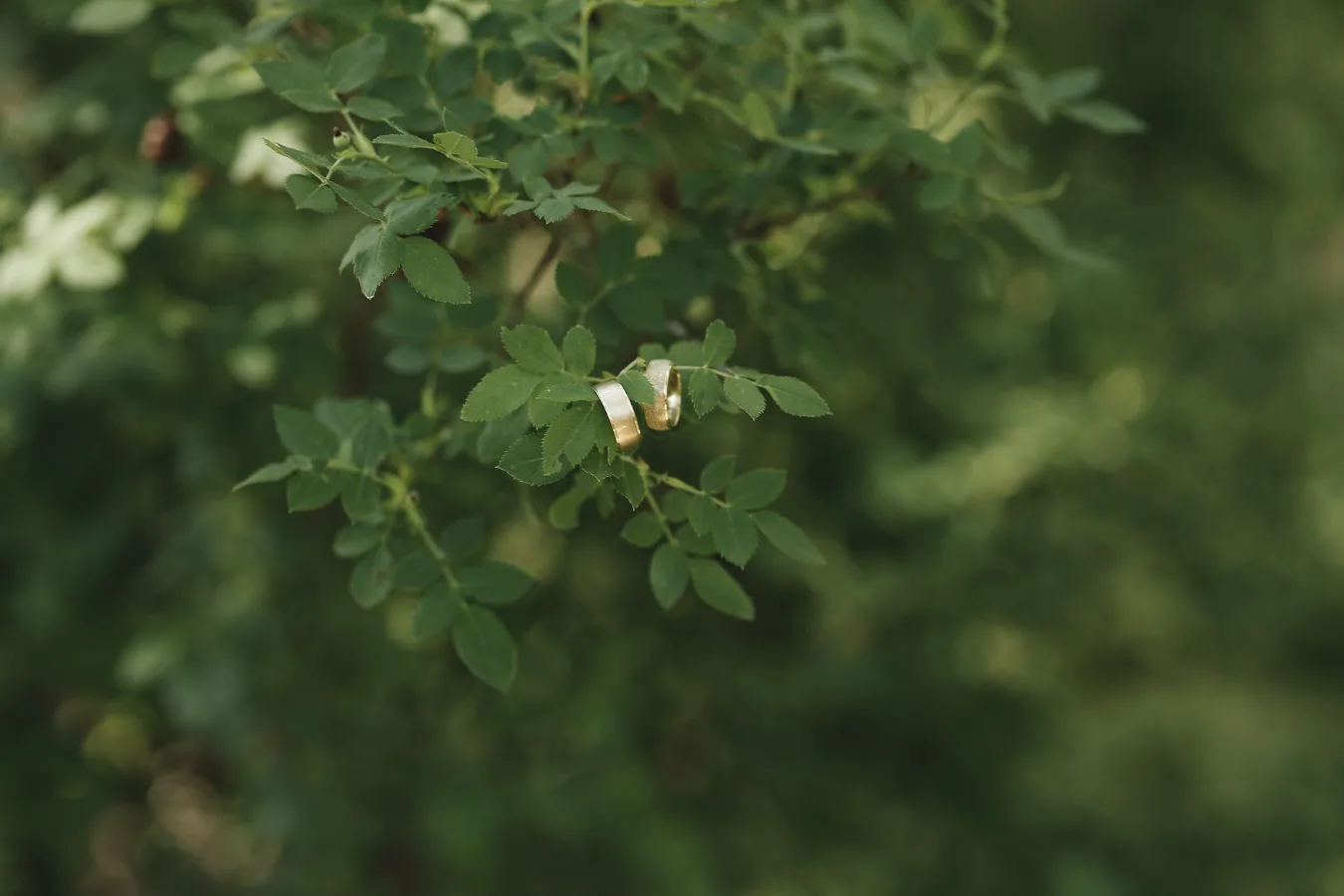
Alternative engagement rings are any engagement ring style that moves beyond the classic single round diamond solitaire. That can mean a sapphire center stone, a vintage-inspired setting, a moissanite ring, a lab-grown diamond design, or a custom piece that feels more personal than traditional bridal jewelry. sapphire engagement rings pink offers more detail on this point.
For many buyers, the appeal is practical as much as aesthetic. Alternative rings can offer more color, a different silhouette, a lower or more flexible budget, or a better fit with a wearer’s lifestyle and values. The best choice depends less on what is “normal” and more on how the ring will actually be worn, maintained, and appreciated over time.
Why people look beyond the classic diamond solitaire
The traditional engagement ring has a strong cultural foothold, but it is not the only option that signals commitment. Buyers often look for alternatives because they want a ring that feels more individual, more symbolic, or more suited to everyday life.
Sometimes the reason is visual. A colored center stone can stand out more than a clear diamond. Sometimes it is about cost flexibility, where the same budget may allow for a larger center stone, a more distinctive setting, or a custom design. For others, the decision is tied to sourcing concerns, durability preferences, or simply the desire to avoid a look that feels too common.
The key misconception is that “alternative” means “less serious” or “less durable.” That is not automatically true. What matters is the material, the setting, and how well the ring matches the person wearing it.
The main factors that should guide your choice
Stone type and durability
The center stone is usually the biggest decision. Popular alternative choices include sapphires, emeralds, rubies, morganite, aquamarine, moissanite, and lab-grown diamonds. Each one behaves differently in daily wear.
Durability matters because engagement rings are worn often. Harder stones generally handle scratching better, while softer stones may need more careful wear. A stone that looks beautiful in a display case may still be a poor fit for someone with an active job or hands-on hobbies. This is one of the most overlooked considerations in ring shopping.
It helps to think in terms of trade-offs. A softer stone may offer a beautiful color and a distinctive look, but it may not be ideal if the wearer wants minimal upkeep. A harder stone may be more practical, but it may not deliver the exact character or color you want.
Setting style and protection
The setting can matter as much as the stone. A delicate prong setting may show off the center stone beautifully, but it can also leave the stone more exposed. A bezel setting wraps part or all of the stone in metal and can offer a more secure, low-profile feel. Halo settings create extra sparkle, while three-stone settings offer balance and visual width.
For alternative engagement rings, the setting should work with the stone’s shape and durability. Softer stones often benefit from settings that provide more protection. Taller settings may look dramatic, but they can snag more easily. Low-profile designs tend to be easier for daily wear, especially for people who work with their hands.
Metal choice
Gold, platinum, and silver are all common in engagement rings, but they do not behave the same way. The right metal affects appearance, durability, maintenance, and price. White metals can create a modern look and pair well with cool-toned stones. Yellow gold adds warmth and can make colored stones feel richer. Rose gold gives many alternative rings a softer, more romantic feel.
Practicality should not be ignored. Some buyers prefer harder-wearing metals for long-term use, while others prioritize the exact color tone. Matching the metal to the stone is not just a design decision; it affects how the ring wears over time and how often it may need maintenance.
Budget and long-term value
Alternative engagement rings are often discussed as a way to stretch a budget, but that phrase can be misleading. Value depends on what you want the ring to do. If your priority is maximum visual impact for a given budget, a moissanite or gemstone ring may be compelling. If your priority is a classic center stone with a modern sourcing profile, a lab-grown diamond may be a better fit. If your priority is uniqueness, a custom ring or vintage piece may be the strongest choice. gemstone engagement ring styles offers more detail on this point.
Do not compare only the upfront purchase price. Ask how the ring will be serviced, resized, cleaned, or repaired later. A lower initial price does not always mean lower lifetime cost if the style requires specialized maintenance.
Popular types of alternative engagement rings
Gemstone engagement rings
Gemstone rings are one of the most recognizable alternatives. Sapphires are especially common because they come in multiple colors and are widely associated with engagement jewelry. Emeralds can be striking, though they often require more careful handling. Rubies create a bold look, while stones like morganite and aquamarine offer softer color palettes.
The main advantage is personality. A gemstone center can make the ring feel unmistakably individual. The main limitation is that not every gemstone is equally suited to constant wear. Buyers should consider scratch resistance, cleavage, and the likelihood of visible wear over time.
Moissanite rings
Moissanite is a well-known option for buyers who want a bright, diamond-like appearance with its own character. It is often chosen for its sparkle, visual size at a given budget, and versatility across settings. It is not identical to a diamond, which is part of the appeal for many shoppers.
Where buyers should be careful is expectation-setting. Moissanite has a distinctive look under different lighting, and some people love that while others prefer something more understated. It is a good choice when you want a durable, eye-catching ring but do not need the ring to mimic a diamond exactly.
Lab-grown diamond rings
Lab-grown diamonds are not a novelty category so much as a different buying path. They offer the familiar look and structure of diamond with a non-mined origin. For shoppers who want a traditional diamond appearance but prefer a different sourcing story, this is often the most straightforward option. lab-grown diamond buying guide offers more detail on this point.
The practical question is less about trend and more about priority. If the main goal is a diamond look with more freedom in size or setting design, lab-grown may make sense. If the goal is to move clearly away from the classic diamond category, another alternative may feel more distinctive.
Vintage and vintage-inspired rings
Vintage rings and vintage-inspired designs appeal to buyers who want detail, character, and a sense of history. Common visual cues include filigree, milgrain, halo borders, geometric shapes, and ornate side details. These rings often feel more architectural than minimalist styles.
The advantage is individuality. The limitation is that older pieces may require closer inspection for condition, while newer vintage-inspired designs vary widely in craftsmanship. Buyers should pay attention to prong integrity, stone security, and whether the ring can be serviced if needed.
Custom-designed rings
Custom engagement rings are not a stone category, but they are a major alternative route. They let buyers combine the stone, shape, metal, and setting into a one-of-a-kind design. This is especially useful when you want a meaningful detail, a specific profile height, or a combination that is hard to find in standard collections.
Custom work gives you control, but it also introduces more decisions. Clear communication matters. So does understanding revision limits, timeline expectations, and what happens if the final ring looks different from the original concept. Custom is rewarding when the buyer has a clear vision and realistic expectations.
How to compare alternatives without getting distracted by trends
Many buyers start by comparing style photos, but that can lead to decisions based on appearance alone. A better approach is to compare the ring by use case. Ask how often it will be worn, what kind of work or hobbies the wearer has, and how much maintenance feels reasonable.
- For everyday wear: prioritize a secure setting, moderate profile height, and a durable center stone.
- For a bold visual statement: consider colored gemstones, distinctive cuts, or ornate settings.
- For a classic look with a different sourcing path: lab-grown diamonds or moissanite may fit best.
- For a sentimental or artistic feel: vintage-inspired and custom rings usually offer the most character.
- For active lifestyles: choose settings that reduce snagging and protect edges.
A second helpful comparison is maintenance. Some designs need occasional tightening, more careful cleaning, or more cautious daily wear. If the wearer does not want to think about the ring often, simpler settings and tougher stones usually make more sense.
Common mistakes buyers make
One common mistake is choosing a stone only because it looks beautiful in a photo. Lighting, camera treatment, and styling can hide practical realities like color depth, stone size balance, or the visibility of wear over time.
Another mistake is assuming that all alternative stones are equally durable. They are not. The same ring style may work well in one stone and poorly in another. For example, a high-exposure setting may be fine for a harder stone but less suitable for a softer one.
A third mistake is overlooking the ring’s proportions. A stone that looks elegant in a small image may appear much larger or smaller on the hand than expected. Band width, setting height, and finger size all affect the final look.
Finally, buyers sometimes focus only on the engagement ring itself and forget matching considerations. If a wedding band will sit next to it later, the shape of the setting and the height of the center stone matter a great deal.
Practical solutions for a smarter purchase
If you are narrowing down options, start with the wearer’s habits rather than the stone list. Someone who works at a desk and prefers a decorative look may be comfortable with more delicate details. Someone who cooks, lifts, gardens, or works with tools will usually benefit from a lower profile and more protective setting.
Next, choose the category before choosing the exact ring. For example, decide first whether you want a gemstone, a diamond alternative, a vintage piece, or a custom design. That keeps the search focused and prevents endless comparison across unrelated styles.
Then review the practical details that are easy to miss:
- How secure the center stone appears in the setting
- Whether the ring can be resized easily
- How the band width affects comfort
- Whether the design may catch on clothing or gloves
- What kind of maintenance the material is likely to need
These details are not flashy, but they affect satisfaction more than most buyers expect.
When an alternative engagement ring is the better choice
An alternative engagement ring is often the better choice when the wearer wants individuality, when the budget needs to stretch further without sacrificing style, or when a classic diamond solitaire simply does not fit the person. It is also a strong option for buyers who care about design flexibility and want to prioritize a particular metal, color, or shape.
That said, the best alternative is the one that suits the wearer’s real life. A beautiful ring that feels too fragile, too high-maintenance, or too unlike the wearer’s style will not be a good long-term fit. The goal is not to choose the most unusual ring. The goal is to choose the one that feels intentional and practical.
Choosing confidently
If you are shopping for alternative engagement rings, start with the end use, not the trend. Decide how much durability you need, how much upkeep feels acceptable, and what kind of visual identity you want the ring to have. From there, the best option usually becomes easier to see.
For some buyers, that will mean a sapphire in a clean bezel setting. For others, it may be a moissanite ring with a classic silhouette, a lab-grown diamond in a modern mount, or a custom design built around a meaningful stone. There is no single right answer. There is only the ring that fits the person, the lifestyle, and the expectations attached to it.