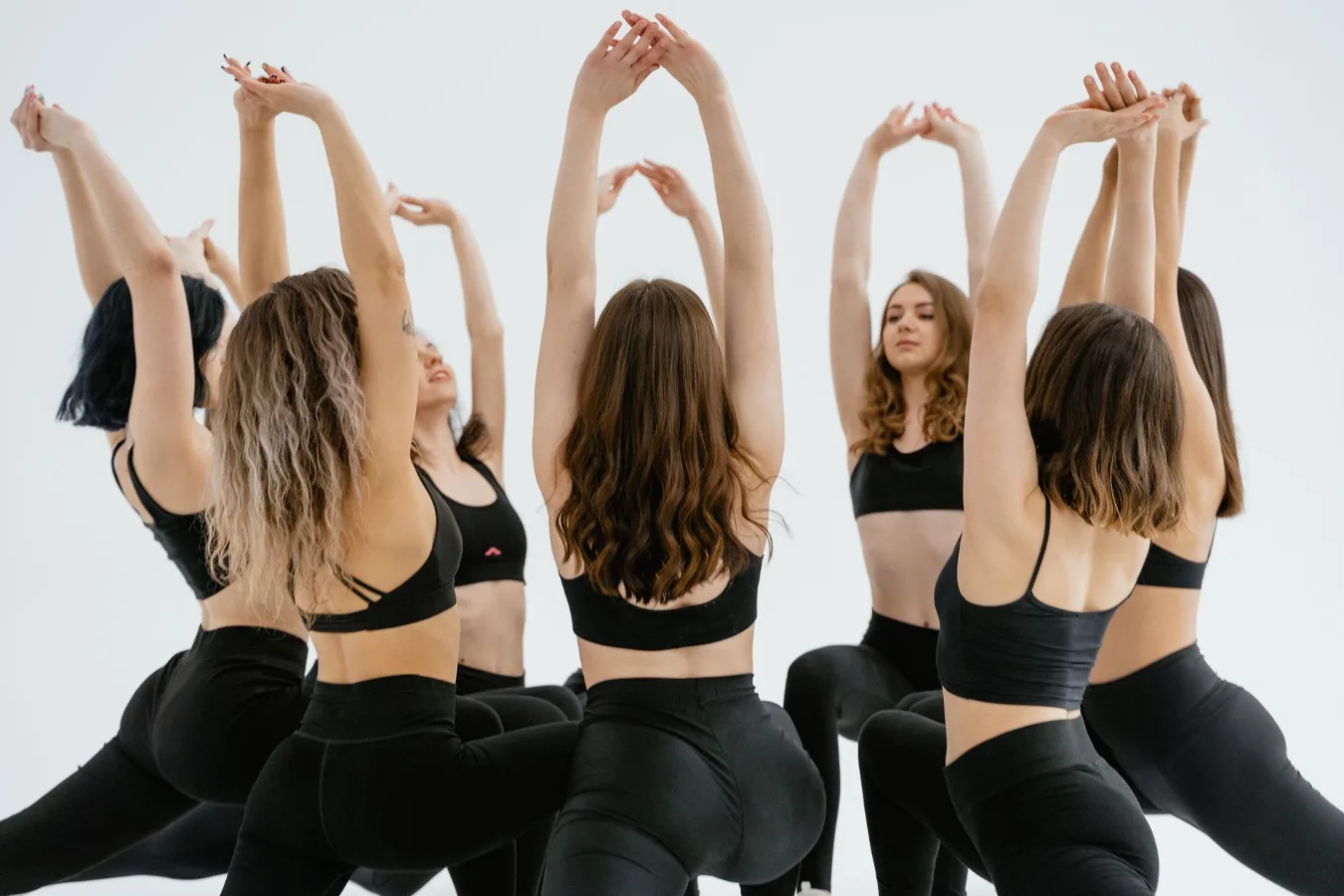
Who buttery soft leggings are best for
Buttery soft leggings are a strong choice if you want a pair that feels smooth, flexible, and easy to wear for long stretches of time. The appeal is usually comfort first: a soft hand-feel, a close fit that moves with you, and enough stretch to work for lounging, errands, travel, or light activity. black capri leggings offers more detail on this point. tights vs leggings offers more detail on this point.
They are especially useful if you dislike stiff fabrics, rough seams, or leggings that feel overly sporty. Many shoppers also look for this style when they want something that looks polished enough to wear beyond the gym. That said, the softest leggings are not always the best for every job. A very plush fabric can trade away structure, compression, or durability, so the right pair depends on how you plan to use it.
If you are comparing options, start with your main use case. A lounge-first legging, a workout legging, and a casual everyday legging can all be labeled “buttery soft,” even though they perform differently.
What “buttery soft” usually means
The phrase is mostly a comfort descriptor, not a technical category. In practice, it usually refers to leggings with a smooth surface, a soft brushed feel, and a flexible stretch that does not feel restrictive. The fabric often has a second-skin sensation rather than a crisp athletic feel.
Common fabric blends in this category often include nylon, spandex, polyester, modal, or bamboo-derived fibers, though the exact blend matters more than the label. A brushed finish can make fabric feel softer, but brushing can also affect durability or pilling resistance depending on quality. Some leggings feel luxurious immediately but may not hold up as well as denser, more resilient knits.
A helpful way to think about buttery soft leggings is that they prioritize touch and comfort first, then styling and performance second. If you want a pair that feels gentle on skin, that is a good sign. If you need heavy support, rugged abrasion resistance, or maximum compression, softness alone is not enough.
Buy based on the way you will wear them
For lounging and home wear
If your main goal is comfort around the house, buttery soft leggings are often ideal. Look for a waistband that stays put without feeling tight, flat seams that do not rub, and fabric that feels smooth even after sitting for long periods. A softer, lighter legging can be more comfortable than a firmer athletic style when you are relaxing or working from home.
The trade-off is that very soft leggings may stretch out more during the day or show wear sooner if the fabric is thin. For home wear, that may be acceptable. You are choosing comfort and ease over structure.
For errands and casual outfits
For everyday wear, the most useful buttery soft leggings are the ones that look polished enough to pair with oversized sweaters, tees, tunics, or sneakers. A higher waistband can help create a cleaner silhouette, while a fabric with a little more density tends to look more refined than an ultra-light pair.
One overlooked consideration is sheen. Some soft fabrics have a subtle shine that reads athletic, while others look more matte and casual. If you want leggings that blend into a relaxed outfit, a matte finish is often easier to style.
For workouts and movement
Soft leggings can work for yoga, stretching, walking, and low-impact training. The most important factors are stretch recovery, opacity, and waistband stability. A pair that feels silky but slides down during movement will quickly become frustrating.
For higher-intensity workouts, softness should not override support. You may prefer a legging with a firmer knit, a little more compression, and better moisture management. Some “buttery soft” pairs are better described as lifestyle or yoga leggings than true training leggings.
The material details that matter most
Fabric content is usually the biggest clue to how leggings will feel and perform. Softness is only one part of the equation.
- Nylon and spandex blends often feel smooth, stretchy, and lightly supportive. They can be a good middle ground for comfort and shape retention.
- Polyester and spandex blends can be durable and versatile, though the hand-feel varies widely depending on knit and finish.
- Modal or rayon blends may feel especially soft for lounging, but they are not always the best choice for intense activity or frequent abrasion.
- Brushed fabrics create that plush, soft touch many shoppers associate with buttery leggings, but the finish can be more delicate.
Beyond fiber type, check the fabric weight and knit density if that information is available. Thinner leggings may feel extra soft at first but can become transparent under strain or lose shape faster. Denser fabrics may feel less delicate in hand but often wear better in real life.
Another practical nuance: softness and breathability are not the same thing. A fabric can feel wonderfully smooth but still trap heat. If you plan to wear leggings in warm weather or for workouts, look for a blend and construction that balance softness with airflow.
Fit factors that make a big difference
Even the softest fabric will disappoint if the fit is wrong. With leggings, fit problems show up quickly: waistbands roll, knees bag out, hems bunch, or seams shift out of place.
Waist height and waistband construction
High-waisted styles are popular because they tend to feel secure and easy to style. A wider waistband often distributes pressure more comfortably than a narrow band, especially if you wear leggings for long periods. If the waistband is too stiff, though, it can dig in and create the opposite effect. high-waisted leggings fit guide offers more detail on this point.
For a smoother look, a contoured waistband can be helpful. For extra comfort, some shoppers prefer a simpler, softer waistband with less structure. The best choice depends on whether you want more hold or more ease.
Stretch and recovery
Stretch lets leggings move with your body, but recovery is what keeps them from going baggy. A pair can feel amazing in the fitting room and still lose shape if the elastic content is weak or the knit is too loose. Recovery matters at the knees, seat, and waistband.
If you are unsure, pay attention to how the product description frames the legging. Words like “sculpting,” “supportive,” or “compressive” suggest more structure. Words like “lounge,” “second skin,” or “ultra-soft” usually lean toward comfort and a lighter hold.
Length and proportions
Length affects both comfort and appearance. Full-length leggings suit taller frames or cooler weather, while cropped or ankle-length styles can feel easier for everyday wear. A legging that is slightly too long can bunch at the ankle and look sloppy. A pair that is too short may feel awkward if you want a smooth line with sneakers or boots.
Proportion also matters if you plan to tuck leggings under long tops or layer them with outerwear. The softer the fabric, the more likely it is to cling or drape in a way that changes the overall look.
Benefits and trade-offs to expect
Buttery soft leggings earn their popularity for good reason. They are usually comfortable, easy to move in, and simple to style. They can make casual dressing feel more polished without the stiffness of some performance fabrics.
But there are trade-offs. Softer fabrics can be more prone to pilling, snagging, or thinning over time. Very soft leggings may also offer less compression and less structure than more technical activewear. If you want leggings that smooth the silhouette strongly, a plush feel may not give you the level of hold you expect.
Another common misconception is that a soft legging is automatically premium. Softness is only one quality signal. The better question is whether the fabric keeps its shape, stays opaque, and feels comfortable after repeated wear and washing.
How to judge quality before you buy
Since you cannot always feel the fabric online, use the product details to make a smarter guess.
- Read the fiber blend. A balanced blend often performs better than a vague “soft fabric” description.
- Look for opacity cues. If a product gives you enough information about squat-proof or opaque construction, that is useful for workout or everyday confidence.
- Check seam placement. Flat seams and thoughtful paneling usually improve comfort and reduce chafing.
- Review care instructions. Delicate washing requirements can signal a softer but more fragile fabric.
- Watch for fit notes. If a style runs compressive, relaxed, or small, those clues matter more than the comfort language.
If reviews are available, look for comments about stretch-out, waistband rolling, see-through issues, or pilling after washing. Those details are often more informative than general praise about softness.
Styling buttery soft leggings without looking too casual
Soft leggings can look elevated when you balance them with structure elsewhere in the outfit. A relaxed knit, tailored coat, long shirt, or clean sneaker can keep the look intentional. Matte fabrics are usually easier to dress up than shiny ones.
Color also changes the feel. Black, charcoal, and deep neutrals tend to read more polished, while lighter shades may show texture or underlayers more easily. If you want a more versatile pair, darker tones are often the safer choice.
A practical styling tip: if your leggings are especially soft and fitted, choose tops with enough length or shape to keep the outfit proportionate. That does not mean you need oversized everything; it just helps the leggings feel like a deliberate part of the outfit rather than the entire look.
Care and maintenance for longer wear
Soft fabrics often need a little more attention than sturdier activewear. Gentle washing, avoiding excessive heat, and following the care label can help preserve the feel and fit. Heat can be especially hard on elastic fibers, and rough laundering can contribute to pilling.
If a pair feels especially delicate, wash it inside out and avoid mixing it with items that have zippers, hooks, or rough textures. Even simple habits like separating leggings from abrasive laundry can help the fabric stay smoother longer.
One realistic constraint: no care routine can completely prevent wear if the leggings are made from a very fine or brushed fabric. If you want a pair that will take heavy, repeated use, prioritize construction and durability over the softest possible hand-feel.
Good alternatives if buttery softness is not enough
If you want a similar comfort level but different performance, consider these alternatives:
- Light compression leggings if you want a little more support and shape retention.
- Brushed yoga leggings if you want softness with better movement for stretching and studio classes.
- Modal lounge leggings if you care most about at-home comfort and drape.
- Technical workout leggings if you need moisture management and a more secure fit for training.
Choosing between these options is mostly about priority. Comfort-first leggings are not automatically the most versatile, and the most structured pair is not always the most wearable. The best purchase is the one that matches your real routine.
Next steps before you buy
If you are shopping for buttery soft leggings, narrow your choice by use case first, then check fabric, waistband, opacity, and recovery. That sequence helps you avoid buying a pair that feels lovely but fails in the way you actually plan to wear it.
A simple decision rule works well: if you want softness for lounging and casual wear, focus on comfort, drape, and waistband feel. If you want leggings for movement, make sure softness is paired with stretch recovery and reliable coverage. If you want one pair to do both, look for a balanced blend rather than the softest option available.
The best buttery soft leggings are not just pleasant to touch. They are the pair you reach for because they fit your routine, hold up reasonably well, and feel good enough to wear often.
Frequently asked questions
Are buttery soft leggings good for workouts?
They can be, especially for yoga, walking, stretching, and low-impact exercise. For high-intensity training, make sure the fabric has enough support, opacity, and sweat management.
Do buttery soft leggings pill easily?
Some softer fabrics can pill more easily, especially brushed materials or lighter knits. Fabric quality, washing habits, and how often you wear them all affect durability.
What fabric feels the softest for leggings?
That depends on the blend and finish, but nylon-spandex, modal blends, and brushed knits are often associated with a very soft feel. The best choice depends on whether you want softness for lounging or movement.
Should buttery soft leggings be size-up or true to size?
Usually the best approach is to follow the brand’s fit guidance. If a style is meant to be compressive, sizing up may reduce support; if it is relaxed, true to size often gives the intended drape.
How do I keep soft leggings looking new?
Wash them gently, avoid high heat, and keep them away from abrasive laundry items. Care matters a lot for softer fabrics because they can be more delicate than firmer activewear.