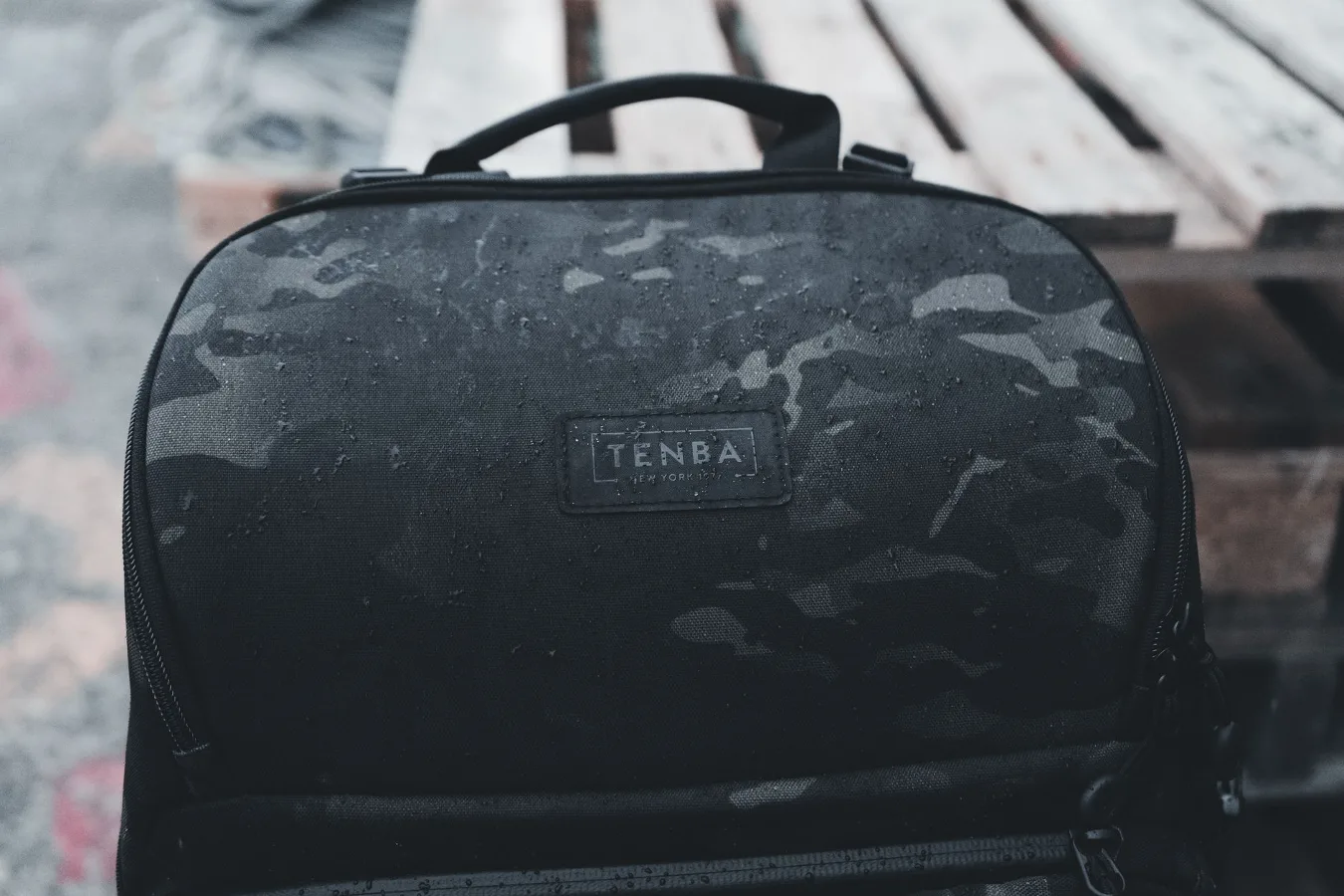
Quick answer: what a camo gym bag is best for
A camo gym bag is a gym carryall with a camouflage pattern, usually built as a duffel, tote, backpack, or hybrid bag. People choose it for the same practical reasons they choose any good gym bag: easy packing, separate storage for shoes or sweaty clothes, and a shape that works for commuting, training, or short trips. The camo pattern adds style, but the real value comes from the bag’s layout, comfort, and durability. bjj gym bag offers more detail on this point.
If you are shopping for one, focus less on the print and more on whether the bag fits your routine. A compact bag can be perfect for lifting sessions or a quick studio class. A larger duffel makes more sense if you carry shoes, a change of clothes, a towel, a water bottle, and toiletries.
The best camo gym bag is the one that keeps your gear organized without feeling bulky, awkward, or hard to clean.
What to compare before you buy
Not every camo gym bag is built for the same kind of use. Some are made to look rugged and casual. Others are designed around practical storage. A few are closer to travel bags than true gym bags. The right choice depends on how much you carry and how often you use it. best bags for gym and travel offers more detail on this point.
Size and carry capacity
Capacity matters more than pattern. A bag that is too small gets frustrating quickly, especially if you carry a full change of clothes, lifting belt, towel, or shower items. A bag that is too large can become sloppy and harder to store in a locker or under a seat. If you usually pack light, a smaller profile may feel cleaner and easier to manage. If you go straight from work to the gym, extra room can be a real advantage.
Compartment layout
A good layout can make a gym bag feel much more useful than a plain open compartment. Look for pockets that separate clean items from used gear. A shoe compartment is especially helpful if you do not want footwear sharing space with clothes or supplements. Smaller pockets for keys, earbuds, cards, and toiletries can also save time and reduce clutter. One overlooked detail is pocket access: a bag can have many compartments but still be annoying if the zippers are awkward or the openings are too narrow.
Carry comfort
Handles, shoulder straps, and backpack straps all change how the bag feels once it is loaded. A camo gym bag with a padded shoulder strap is often easier to carry if you walk or commute. Backpack-style designs can distribute weight better, which helps if the bag gets heavy. Duffel-style bags may look cleaner and pack faster, but they can be less comfortable if you regularly carry a lot. The best choice depends on whether you value quick grab-and-go convenience or all-day carry comfort.
Material and durability
For gym use, material affects more than appearance. It influences weight, structure, cleaning, and how the bag handles daily wear. Common gym-bag materials include polyester, nylon, canvas, and coated fabrics. Nylon and polyester are often easier to wipe down and typically suit active use well. Canvas can look more casual or rugged, but it may need a little more care and can be heavier. If you want the camo pattern to stay looking sharp, check whether the print is part of the fabric or just a surface treatment, since that can affect how it wears over time. gym bag materials explained offers more detail on this point.
Cleanability and odor control
Gym bags deal with sweat, damp towels, and shoes, so easy cleaning is not a luxury. A wipeable lining helps when spills or moisture happen. Ventilated sections can reduce trapped odor, though they do not eliminate the need to air out the bag. This is one of the most practical differences between a bag that stays manageable and one that becomes unpleasant after a few uses. Even a well-designed bag still benefits from regular emptying and drying.
Style and use-case fit
Camo has a broad style range. Some prints are subtle and muted. Others are bold and high contrast. A darker camo pattern may feel more versatile if you want something that blends into a daily wardrobe. Brighter or more graphic versions can look sportier and more expressive. Style matters, but it should not override function. A great-looking bag that lacks a shoe pocket or has poor strap support can become a regret purchase fast.
How a camo gym bag compares with other gym bag styles
Choosing camo is partly about aesthetics, but the format matters more than the print. Here is how it usually stacks up against other common options.
| Bag type | Best for | Trade-offs |
|---|---|---|
| Camo duffel | People who want a roomy, straightforward gym carryall | Can be bulky; may be awkward if overloaded |
| Camo backpack | Commuters, cyclists, or anyone who wants hands-free carry | Often less convenient for quick access to larger items |
| Camo tote | Light packers who want simple access | Usually less structured and less secure for heavy gear |
| Hybrid backpack-duffel | Users who switch between commuting, gym, and short travel | Can cost more or feel more complicated than a basic bag |
A camo duffel is usually the most straightforward choice for pure gym use. A camo backpack makes more sense if you are walking through a city, biking, or carrying the bag for longer stretches. A hybrid style is useful if your gym bag also has to double as a work or weekend bag. The misconception to avoid is assuming one style is automatically better because it looks more athletic. The better question is whether the shape supports your routine.
Mistakes to avoid when choosing one
Many disappointing gym bag purchases come down to overlooking small details that become obvious only after a few weeks of use.
- Buying for the print instead of the layout. Camo is the visible part, but storage and comfort determine whether the bag is actually useful.
- Ignoring weight when empty. A bag that feels fine on a shelf can become tiring once loaded.
- Choosing too few pockets. One open compartment may be fine for a minimalist routine, but most people appreciate at least a few organized zones.
- Forgetting about wet and dry separation. If you carry sweaty clothes or swim gear, that separation matters more than many shoppers expect.
- Skipping ease-of-cleaning checks. A hard-to-clean interior can turn a convenient bag into a chore.
- Overestimating capacity needs. Bigger is not always better, especially if the bag will live in a locker, car seat, or crowded apartment entryway.
- Overlooking strap comfort. A thin strap may be tolerable at first but unpleasant once the bag is fully loaded.
Another common mistake is treating camo as a niche style that only works in one context. In practice, camouflage can read sporty, utility-focused, or casual depending on the shade and how much hardware the bag has. That flexibility is part of why it remains popular in gym bags.
Which buyer the camo gym bag fits best
A camo gym bag suits several kinds of shoppers, but not all of them need the same features.
For the everyday gym-goer: look for a medium-sized bag with a shoe compartment, a water bottle pocket, and a durable lining. This setup handles normal routines without feeling oversized.
For commuters: a backpack or hybrid carry style can be easier if you walk, ride transit, or carry the bag for longer periods. Compartments for laptop accessories or work items can also help if the bag has double duty.
For weekend travelers: a larger duffel with structured sides and multiple pockets can work well as a short-trip bag. Just make sure it is still manageable when full.
For minimalist packers: a compact camo bag may be enough if you only need basics like shoes, clothes, and a bottle. Too many features can be unnecessary if you keep your setup simple.
For style-focused shoppers: camo works best when the rest of the bag is balanced. Clean lines, muted hardware, and a restrained print often age better than overly busy designs.
Where camo gym bags can fall short
The pattern itself is not the problem. The limitations usually come from the bag’s build. Some camo gym bags lean heavily toward fashion and use lighter construction that may not hold up as well to daily loading and unloading. Others have plenty of visual appeal but not enough practical organization.
Also, camouflage can make a bag less visible in some settings, which is worth thinking about if you often leave it in shared spaces. That is not a deal-breaker, but it is a practical consideration. If visibility matters to you, look for a camo pattern with brighter accents, contrast trim, or a distinctive zipper pull so the bag is easier to spot.
Finally, a camo gym bag can blend into a very casual wardrobe easily, but that same casual feel may not suit every setting. If you need a bag that moves from office to gym, a toned-down pattern or a more structured silhouette usually works better than a rugged, heavily branded look.
Practical features worth prioritizing
If you want a short buying checklist, start with the features that most directly affect daily use:
- Separate shoe storage if you carry trainers or post-workout footwear
- Wet pocket or lined section if damp gear is common
- Padded straps or handles for better comfort when the bag is full
- Easy-wipe material for simpler maintenance
- Multiple smaller pockets for accessories and valuables
- Stable shape if you dislike bags that collapse or tip over
- Appropriate size for your locker, car, or commute
Those basics tend to matter more than decorative extras. A streamlined bag with the right layout usually outperforms a more feature-heavy option that does not match your routine.
How to keep one in better condition
A gym bag lasts longer when it is treated like gear, not just storage. Empty it regularly, especially after sweaty sessions. Let the interior dry out fully before zipping it closed for long periods. If the lining is wipeable, clean spills and residue promptly. If the bag has removable inserts or liners, use them consistently so the interior does not absorb odor as quickly. Avoid overstuffing zippers, since that can strain seams and make the bag harder to close smoothly.
If your bag is patterned camouflage, gentle care helps the print look better over time. Harsh cleaning methods can fade or rough up the surface, so check the care instructions for the actual material rather than assuming every camo bag should be treated the same way.
The most useful way to choose
The smartest way to shop for a camo gym bag is to start with your routine, then match the bag to that routine. If your gym visits are short and simple, a compact bag with basic organization may be ideal. If your bag has to handle commuting, shower gear, or light travel, choose more structure and better compartmenting. The camo pattern is the finishing touch, not the decision-maker.
A good camo gym bag should feel easy to carry, simple to organize, and quick to clean. If it does those three things well, the style becomes a bonus rather than the reason you bought it.