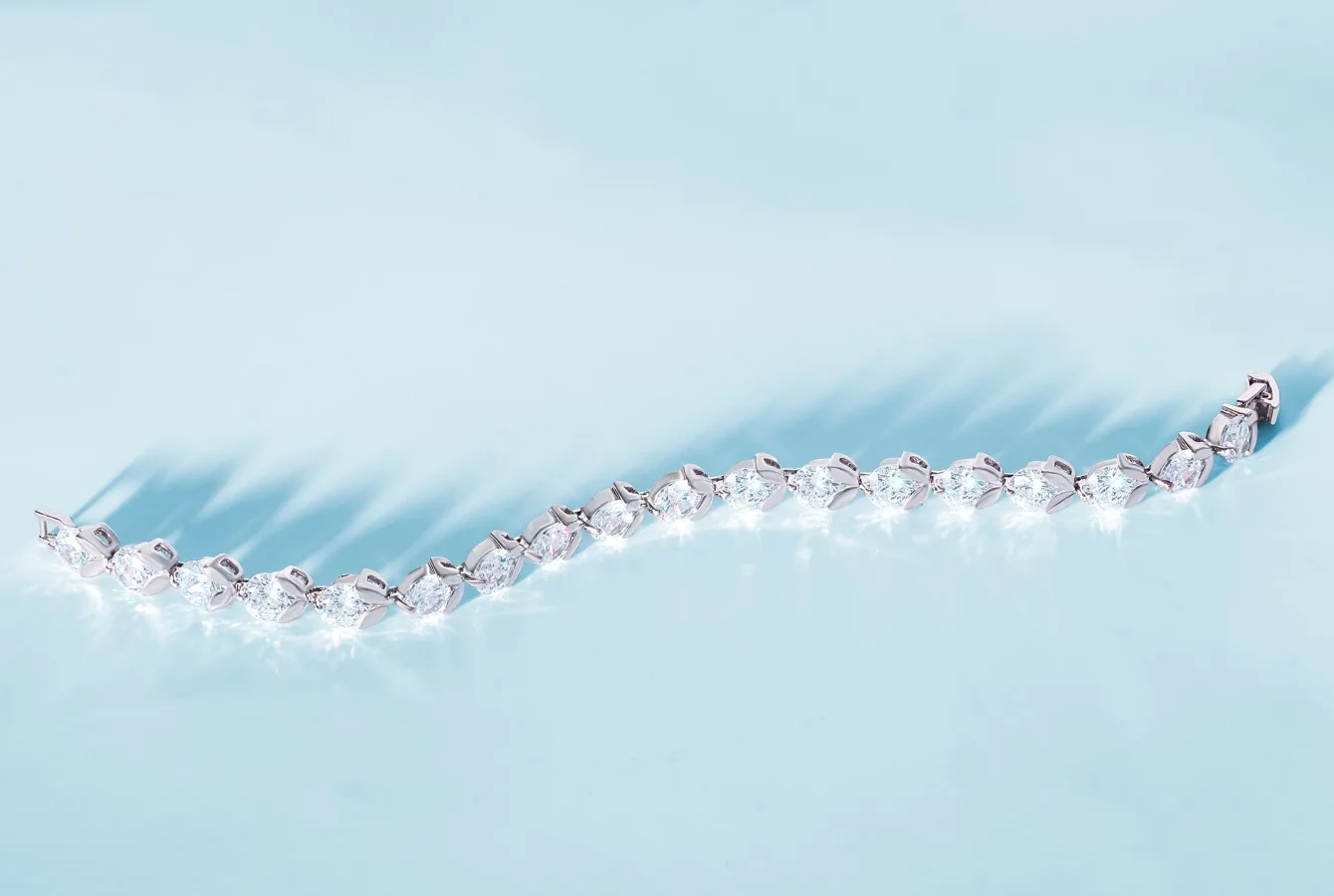
Diamond bracelets for men are usually chosen for one of three reasons: to make a style statement, to add a refined accent to everyday outfits, or to buy a meaningful gift that feels more substantial than a plain chain bracelet. The right bracelet depends less on the word “diamond” and more on the details that shape how it looks and wears: bracelet type, metal, setting style, fit, and how often it will actually be worn. braided leather bracelets for men offers more detail on this point.
If you are shopping commercially, the biggest mistake is focusing only on sparkle. For men’s bracelets, balance matters. A piece that looks impressive in a display case may feel too flashy, too delicate, or too stiff for real-world wear. A better approach is to match the bracelet to the wearer’s wardrobe, wrist size, and comfort expectations before comparing diamonds or metal finishes.
Quick answer: what to look for first
The best diamond bracelets for men are the ones that suit the wearer’s lifestyle and style level. Start with the bracelet category, then narrow the choice by fit and metal, and only then evaluate the diamond details. That order matters because a well-made bracelet with modest stones often wears better than a heavier-looking piece that is awkward, overly ornate, or difficult to maintain.
- For subtle wear: look at slim diamond link bracelets, bezel-set designs, or small accent stones.
- For dressier styling: a diamond tennis bracelet or a polished link bracelet with repeating stones can work well.
- For stronger visual impact: heavier link styles, mixed metals, or larger stone layouts create a bolder look.
- For everyday use: prioritize secure clasps, comfortable edges, and a metal that suits regular wear.
Many buyers also overlook bracelet width and profile. A bracelet that is technically attractive can still feel bulky under cuffs or snag on sleeves if the links sit too high or the setting is too prominent. That practical detail often decides whether a bracelet becomes a favorite or stays in a drawer.
How diamond bracelets for men compare by style
There is no single “best” diamond bracelet style for men. The right option depends on how visible you want the diamonds to be and how the bracelet should coordinate with other accessories such as a watch, ring, or necklace.
Diamond tennis bracelets
Tennis bracelets place diamonds in a continuous line, which gives them a clean and recognizable look. On men, they tend to read as more fashion-forward and refined than understated. They work well if the wearer is comfortable with a jewelry-forward look and wants the stones to be part of the design rather than a small accent.
The trade-off is that tennis bracelets can feel less rugged than link styles. They may also be more sensitive to the exact clasp design and overall flexibility. For a man who likes smooth wrist movement and a low-profile silhouette, that can matter more than the number of stones.
Diamond link bracelets
Link bracelets are often the most versatile category. Diamonds may appear in select links, along the center line, or as accents between polished metal sections. This style is popular because it can range from restrained to bold without abandoning a masculine profile.
A link bracelet also gives more room for design variation. Some look architectural and substantial; others are cleaner and more minimal. If you want a bracelet that can be worn with casual clothes and dressier outfits alike, link construction is often easier to live with than a full-stone tennis look.
Bezel-set and low-profile designs
Bezel settings surround each stone with metal, which can create a smoother surface and a more protected design. For men who dislike jewelry that catches on sleeves or feels overly ornate, this is a practical advantage. The style often reads modern and controlled rather than flashy.
The compromise is that bezel settings can reduce the visual size of each diamond compared with more open settings. If the goal is maximum sparkle, another setting may deliver a more noticeable result. If the goal is wearability, bezels deserve serious attention.
Statement and luxury styles
Some diamond bracelets for men are built for visibility first. These may use wider links, larger stones, contrasting metals, or a more prominent silhouette. They are best suited to wearers who want the bracelet to be a clear style piece rather than a subtle finishing touch.
That does not make them impractical, but it does make them less flexible. A statement bracelet may be more difficult to pair with conservative wardrobes, formal business clothing, or other jewelry that already draws attention. Buyers should be honest about how often they will actually wear a bold design.
The details that matter before you buy
Once the style is narrowed down, the best comparison points are the ones that affect comfort, durability, and long-term satisfaction. These are the factors that separate a smart purchase from one that only looks good online.
Fit and sizing
Bracelet fit is one of the most overlooked parts of men’s jewelry buying. A bracelet that is too tight can feel uncomfortable and look tense on the wrist. One that is too loose may rotate constantly, slide into a poor position, or catch on objects.
The right fit usually leaves a small amount of movement without making the bracelet feel unstable. For heavier diamond bracelets, fit matters even more because weight changes how the bracelet hangs. If possible, check whether the design offers adjustable sizing or whether it is meant to be resized by a jeweler.
Metal choice
Metal affects color, durability, and the overall tone of the piece. White metals often give diamond bracelets a sharper, cooler appearance. Yellow gold reads warmer and more traditional. Rose gold can feel softer and more distinctive, though it is less common in men’s jewelry than white or yellow gold. Two-tone designs can bridge dressy and casual styling, especially if the wearer already mixes metals in a watch or ring. gold color options for men’s jewelry offers more detail on this point. men’s jewelry styling basics offers more detail on this point.
The practical question is not only appearance but also maintenance. Different metals show wear differently, and highly polished finishes may reveal scratches sooner. For buyers who want an everyday bracelet, a finish that ages gracefully is often more useful than one that looks perfect only when new.
Setting style
The way diamonds are held in place changes both appearance and function. Prong settings allow more light to reach the stones and often create stronger sparkle. Bezel settings offer a cleaner outline and more protection. Channel or flush-style arrangements can be smoother and more integrated into the bracelet structure.
For men’s bracelets, the setting should match the intended use. A highly exposed setting can be attractive, but if the bracelet will be worn often, protection and comfort may matter more than visual openness. This is especially true for active wearers or anyone who frequently works with their hands.
Clasp security
A bracelet can have excellent materials and still be a poor purchase if the clasp feels unreliable. Since bracelets are worn on a moving part of the body, closure design is critical. Buyers should look for a clasp that feels substantial, closes cleanly, and suits the weight of the bracelet.
A common misconception is that the visible part of the bracelet is the whole product. In reality, the clasp often determines how confident a person feels wearing it in daily life. If the closure seems delicate relative to the bracelet’s weight, that is worth treating as a warning sign.
Everyday wear versus occasional wear
A diamond bracelet for occasional events can prioritize appearance more aggressively. One intended for regular wear should be judged more harshly on comfort, maintenance, and resilience. That difference changes almost every decision, from stone placement to metal finish.
For daily use, less fragile designs are usually the safer choice. For special occasions, a more striking bracelet may make sense even if it is not the most practical option long term. The right answer depends on how much the bracelet is expected to work versus impress.
What many shoppers miss when comparing options
One overlooked consideration is how the bracelet looks alongside a watch. Men often wear both, and the two pieces can either complement each other or fight for attention. A thick, high-shine diamond bracelet next to a large watch can look balanced on some wrists and overcrowded on others. If the wearer usually uses one hand for gestures, writing, or work, the dominant wrist choice also affects comfort.
Another practical nuance is sleeve compatibility. A bracelet that sits too tall can tug at shirt cuffs or suit jackets. This is especially important if the goal is a bracelet that can move between casual and dress occasions. Low-profile construction tends to solve more wardrobe problems than buyers expect.
Finally, many people focus on size and stone count while ignoring long-term maintenance. Diamond bracelets for men should be cleaned, checked, and stored carefully so the setting and clasp stay in good condition. That does not make them high-maintenance by default, but it does mean the user should be willing to treat them as fine jewelry, not just an accessory.
Common mistakes to avoid
- Buying for sparkle only: A flashy look can be appealing, but poor fit or awkward construction will limit wearability.
- Ignoring wrist size: Men’s bracelet sizing is not one-size-fits-all, and a slight difference can change comfort a lot.
- Choosing a style that clashes with daily clothes: A bracelet should fit the wearer’s wardrobe, not just a product photo.
- Overlooking clasp quality: A secure closure matters as much as the visible design.
- Assuming all diamond settings behave the same: Protective settings and open settings wear differently.
- Mixing too many statement pieces: If the watch, ring, and bracelet are all loud, the overall look can become cluttered.
One of the biggest shopping errors is equating a heavier look with better value. Visual weight can be appealing, but it does not automatically mean the bracelet is more suitable, more durable, or more wearable. A smaller, cleaner piece may offer better long-term satisfaction if it fits the wearer’s lifestyle.
How to choose the right bracelet for the wearer
If the bracelet is for yourself, the easiest way to narrow the field is to decide how visible you want it to be. If you wear mostly neutral clothing and want a polished accent, choose a restrained design with a comfortable profile. If you prefer more expressive accessories, look at wider links, stronger contrast, or a fuller diamond layout.
If the bracelet is a gift, think about what the recipient already wears. A man who only wears a watch may prefer something subtle and structured. A man who already wears chains, rings, or designer accessories may be comfortable with a bolder piece. The safest gift choice is usually a style that feels deliberate without being extreme.
For shoppers comparing several options, it can help to rank the pieces in this order:
- Fit and comfort
- Security and construction
- Style compatibility with the wearer’s wardrobe
- Metal preference
- Diamond layout and visual impact
That ranking keeps the purchase grounded in real use instead of catalog appeal.
Alternatives worth considering
If full diamond bracelets feel too formal or too bold, there are sensible alternatives that still deliver a polished look. A plain gold chain bracelet can be easier to wear daily and may suit men who want texture without a lot of sparkle. A bracelet with a few diamond accents can also strike a middle ground between minimal and decorative.
Another option is to focus on a watch and let the bracelet play a supporting role. For some men, a refined metal bracelet with subtle diamond details makes more sense than a heavily jeweled piece. That approach is especially useful if the wearer already owns statement rings or other visible accessories.
There is also value in considering the overall jewelry wardrobe. A diamond bracelet can be a standout piece, but it does not have to do everything. Sometimes the best choice is the bracelet that fills a specific gap rather than the one with the most stones.
Final buying perspective
Diamond bracelets for men work best when the design, scale, and construction match the wearer’s actual habits. The strongest purchase is rarely the most ornate one. It is the bracelet that feels natural on the wrist, fits the wardrobe, and holds up to the kind of wear the owner will realistically give it.
If you are comparing options, stay focused on four practical questions: Does it fit well? Does the metal suit the wearer? Is the setting comfortable and secure? Will the style still make sense after the novelty wears off? Answer those honestly, and the choice becomes much clearer.