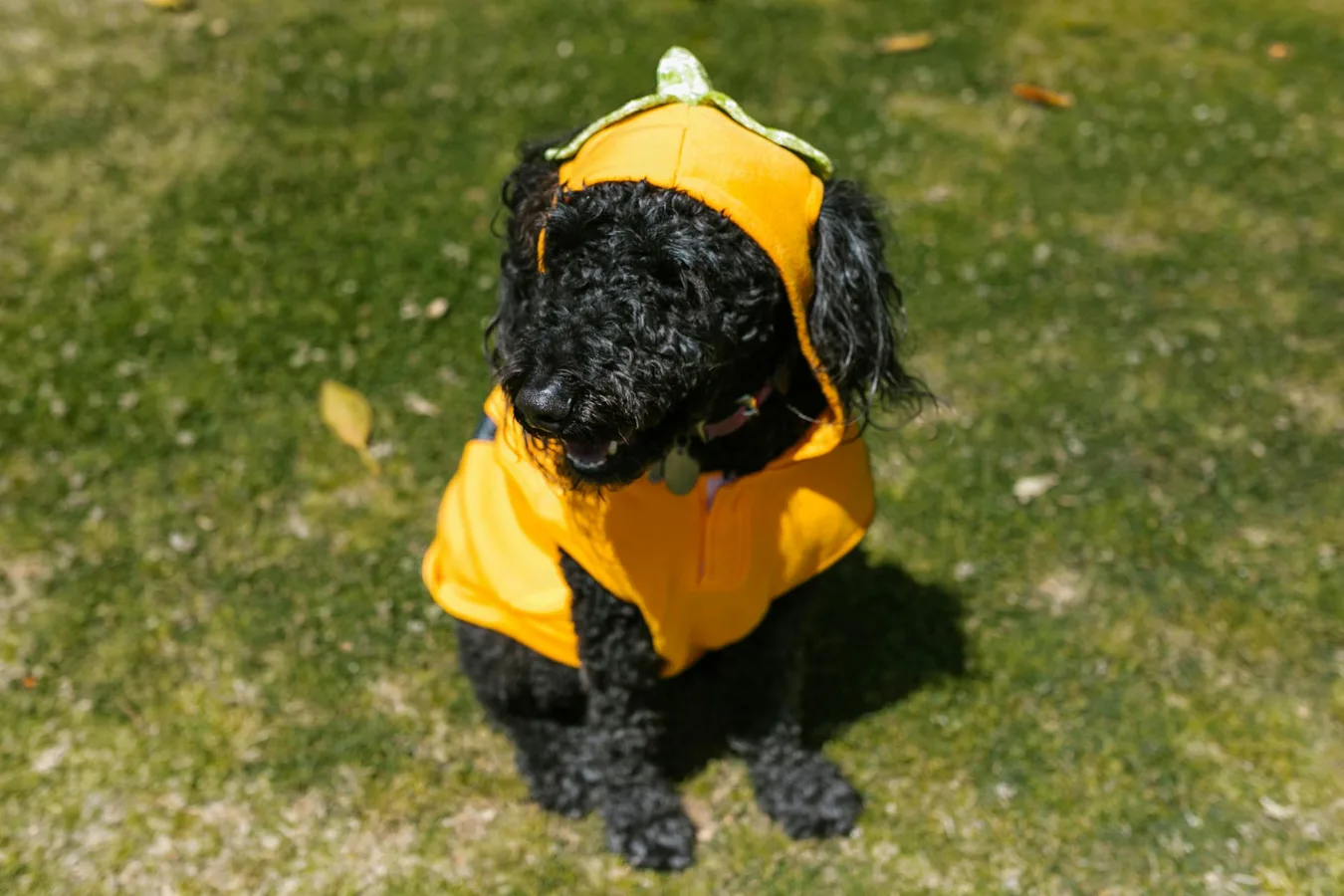
A dog hoodie is best thought of as lightweight, casual outerwear for dogs that need a little extra warmth, coverage, or style. The right one should fit comfortably, allow natural movement, and suit your dog’s coat, body shape, and daily routine. For some dogs, a hoodie is a practical layer for cool weather or indoor warmth. For others, it is mostly a style piece that may be worn only briefly. baja hoodie offers more detail on this point. Faith Over Fear Hoodie: How to Choose Well offers more detail on this point. detroit lions hoodie offers more detail on this point.
If you are shopping for one, the main question is not simply whether it looks cute. It is whether the hoodie fits well, works for your dog’s needs, and is easy to put on and keep clean. That is where most of the buying decision lives.
When a dog hoodie makes sense
A dog hoodie is most useful in mild cold, breezy weather, or lightly air-conditioned indoor spaces. It can also be helpful for dogs with short coats, lean builds, or little natural insulation. Some owners use hoodies for short walks, travel, or quick errands where a full winter coat would feel like too much.
It is also worth separating function from fashion. A hoodie can absolutely be a style choice, especially for special occasions or photos. But if your dog will wear it regularly, comfort and fit matter far more than the design on the back.
There are times when a hoodie is not the best choice. Very active dogs may overheat in heavier fabrics. Dogs that dislike anything over the head may resist pullover styles. And for wet, windy, or truly cold weather, a weather-resistant coat usually makes more sense than a cotton hoodie.
How to choose the right dog hoodie
The easiest way to narrow your options is to think through a few practical criteria in order. Fit comes first, then material, then closure style, then ease of care. Style can be the final tie-breaker.
1. Start with fit, not size labels
Dog clothing sizes vary widely by brand, so the label alone is not reliable. A “medium” in one hoodie may fit like a “small” in another. Measure your dog’s neck, chest, and back length if the brand provides those dimensions, and compare those measurements to the product chart.
The chest is often the most important measurement because many dogs have a broad rib cage relative to their back length. If the hoodie is tight across the chest, your dog may move awkwardly or refuse to wear it. If it is too loose, the fabric can shift, twist, or catch on the legs.
A useful fit check: the hoodie should sit close enough to stay in place, but not so snug that it pulls at the shoulders, underarms, or neck. You should be able to slide a couple of fingers comfortably where the garment meets the body, without creating gaps large enough for tripping or snagging.
2. Pay attention to the fabric
Fabric affects warmth, breathability, comfort, and how the hoodie feels against the skin or coat. Common materials include cotton blends, fleece, polyester blends, and knit fabrics. Each has trade-offs.
- Cotton blends tend to feel soft and casual, and they are often comfortable for short wear indoors or in mild weather.
- Fleece usually offers a warmer, cozier feel, which can be useful for cooler outings or dogs that get chilled easily.
- Polyester blends may hold shape well and dry faster, though the feel can vary a lot by construction.
- Knit fabrics can be stretchy and flexible, which may help with mobility, but they may not be as durable if the dog is rough on clothing.
Breathability matters more than many shoppers expect. A thick hoodie can seem appealing, but if it traps too much heat, it may be uncomfortable after only a short period. For indoor wear or transitional weather, lighter fabrics are often more practical than bulky ones.
3. Choose a style your dog will tolerate
There are two common hoodie styles: pullover and zip-up. Pullovers are simple and often softer, but they need to go over the head and paws, which some dogs dislike. Zip-up versions can be easier for certain dogs, but the zipper should be placed and finished carefully so it does not rub or pinch.
For nervous dogs or first-time clothing wearers, a simple pullover with minimal hardware may feel less complicated. For dogs that tolerate clothing well, a zip-up can be a convenient option for quick dressing.
4. Think about the neckline and hood
The hood is the feature that makes a hoodie a hoodie, but it is not always the most useful part for dogs. Some hoods are decorative and will stay down most of the time. Others are larger and may shift around or block vision if they are not designed well.
If the hood is oversized, it can become a distraction. If your dog wears the hoodie for walking, visibility matters. A hood that flops over the eyes or changes the fit around the neck may cause more trouble than it is worth.
Many owners end up using a hoodie mainly for the body coverage and treating the hood as optional. That is a practical approach. The best dog hoodies still work even if the hood is never pulled up.
5. Check mobility and opening placement
A good hoodie should not restrict the shoulders or front legs. Dogs need a natural stride, and clothing that pulls at the armpits or forces short steps can quickly become annoying.
Look for open areas around the front legs that leave room for movement without hanging too low. If the hoodie has sleeves, make sure they are not too long or tight. Many dogs do better with sleeveless styles because they are simpler and less restrictive.
6. Match the hoodie to the weather
Not all dog hoodies are meant for the same conditions. A soft fleece hoodie may be perfect for a cool indoor space, while a thinner hoodie may be better for layering under a coat. If you live in an area with frequent rain, snow, or strong wind, a hoodie alone may not be enough.
One common misconception is that any “warm” dog garment is suitable for winter. In reality, hoodies are often better for mild to moderate chill than for harsh weather. If your dog needs serious outdoor protection, look for a weatherproof coat instead of relying on hoodie fabric alone.
What to look for before you buy
Once the basics are clear, use this checklist to compare options in a more practical way.
- Size chart transparency: the listing should show neck, chest, and back measurements, not just generic sizes.
- Easy on/off design: useful if your dog is impatient, wriggly, or new to clothing.
- Soft interior feel: helps reduce rubbing, especially for dogs with sensitive skin or short coats.
- Secure but gentle trim: collars, hems, and cuffs should sit smoothly rather than dig in.
- Washability: machine-washable fabrics are usually easier for regular use.
- Durability of seams: important if your dog pulls, scratches, or rolls around often.
- Visibility: brighter colors or reflective details can be useful for low-light walks.
- Purpose fit: casual wear, warmth, travel, or photos all call for slightly different priorities.
Common fit problems to avoid
Many hoodie returns happen for predictable reasons. The first is choosing by breed alone instead of actual measurements. Dogs of the same breed can vary quite a bit in chest depth and back length.
The second is ignoring the underarm area. If the fabric bunches there, the hoodie may feel uncomfortable even when the rest of the garment seems correct. The third is choosing a hooded style for a dog that clearly dislikes overhead dressing. In that case, no amount of style appeal will make it pleasant to wear.
Another overlooked issue is rear coverage. Some hoodies end too close to the tail base, especially on dogs with longer torsos. If the garment rides up during movement, it may need a different cut rather than a different size.
Dog hoodie examples by use case
Different dogs need different solutions, so it helps to think in terms of use cases rather than trends.
For small dogs
Small dogs often lose heat faster than larger breeds, so a hoodie can be useful for short outdoor trips or chilly indoor environments. The challenge is fit: small dogs can be surprisingly hard to size because tiny differences in chest width or torso length make a big difference in comfort.
For these dogs, lightweight fabrics and simple closures are often the safest starting point.
For short-haired breeds
Dogs with thin or short coats may appreciate a bit of added warmth, especially in transitional weather. A hoodie can be a good middle ground when a heavy coat would be too much. Breathability still matters, though, because some short-haired dogs are active and do not need overly insulated clothing.
For indoor wear
Indoor hoodies should feel soft, light, and easy to remove. The goal here is comfort, not weather protection. A hoodie that is too thick can become irritating after a while, especially if your dog likes to lie down, stretch, or nap.
For travel or lounging
For car rides, hotel stays, or quiet time at home, the priorities are usually softness and ease of dressing. A relaxed-fit hoodie can be helpful if your dog gets cold easily in unfamiliar environments.
Dog hoodie versus other dog clothes
Shoppers often compare hoodies with sweaters, jackets, and coats. The best choice depends on why you want the garment in the first place.
- Dog sweater: often a simpler option for warmth, usually with a more traditional knit feel.
- Dog jacket: better when you want a more structured layer and sometimes more wind protection.
- Dog coat: typically more suitable for harsher weather or longer outdoor exposure.
- Dog hoodie: a casual option that often balances light warmth, comfort, and style.
If your main goal is everyday comfort with a fashion-forward look, a hoodie can be the easiest choice. If your main goal is protection from the elements, a jacket or coat may be the better investment.
Care and maintenance
A hoodie is only practical if it is easy to clean. Dogs bring in dirt, hair, saliva, and outdoor debris, so a garment that requires complicated care may not get used often.
Before buying, check the care label expectations. Machine-washable pieces are usually the most realistic choice for regular wear. If the hoodie has printed details, decorative patches, or delicate trim, it may need gentler handling. That can be fine for occasional wear, but it is less convenient for frequent use.
If your dog sheds heavily, dark fleece or textured fabrics may hold hair visibly. If you want low-maintenance upkeep, smoother fabrics can be easier to brush off between washes.
Alternatives if a hoodie is not the right fit
Not every dog is a hoodie dog, and that is okay. If your dog dislikes clothing, start with alternatives that are less intrusive or more functional.
- Simple dog sweaters if you want warmth without a hood.
- Light jackets for wind or light moisture protection.
- Thermal layers for very cold-sensitive dogs that need insulation rather than style.
- Harness-compatible outerwear if walks are the main use case and you need access to leash attachment points.
Sometimes the best choice is not a different hoodie but a different category of dog apparel entirely.
Checklist before you place the order
- Measure neck, chest, and back length.
- Compare the product chart, not just the size name.
- Decide whether your dog prefers pullovers or zip-ups.
- Choose a fabric that matches the weather and wear time.
- Check that the fit allows shoulder and leg movement.
- Confirm that the hood will not block vision or irritate the neck.
- Look for easy cleaning and durable seams.
- Pick the hoodie for your actual use case, not just the design.
FAQ
How should a dog hoodie fit?
It should fit close enough to stay in place without restricting the chest, shoulders, or neck. Your dog should be able to walk, sit, and lie down comfortably.
Are dog hoodies good for winter?
Sometimes, but not always. A hoodie can help in mild cold, but for harsh winter conditions, a more protective coat is often a better choice.
Should I choose a pullover or zip-up dog hoodie?
Choose based on your dog’s tolerance. Pullovers are simpler, while zip-ups can be easier for dogs that dislike clothing going over the head.
Can my dog wear a hoodie all day?
That depends on the fabric, fit, and temperature. For many dogs, hoodies are better for limited wear rather than all-day use.
What is the biggest mistake people make when buying one?
Picking by size label alone. A better approach is to compare actual measurements, especially the chest fit and overall length.
A well-chosen dog hoodie should feel easy, not fussy. If it fits cleanly, matches the weather, and suits your dog’s tolerance for clothing, it can be a practical addition to a pet wardrobe. If it fails on any of those points, a sweater, jacket, or simpler layer may be the smarter buy.