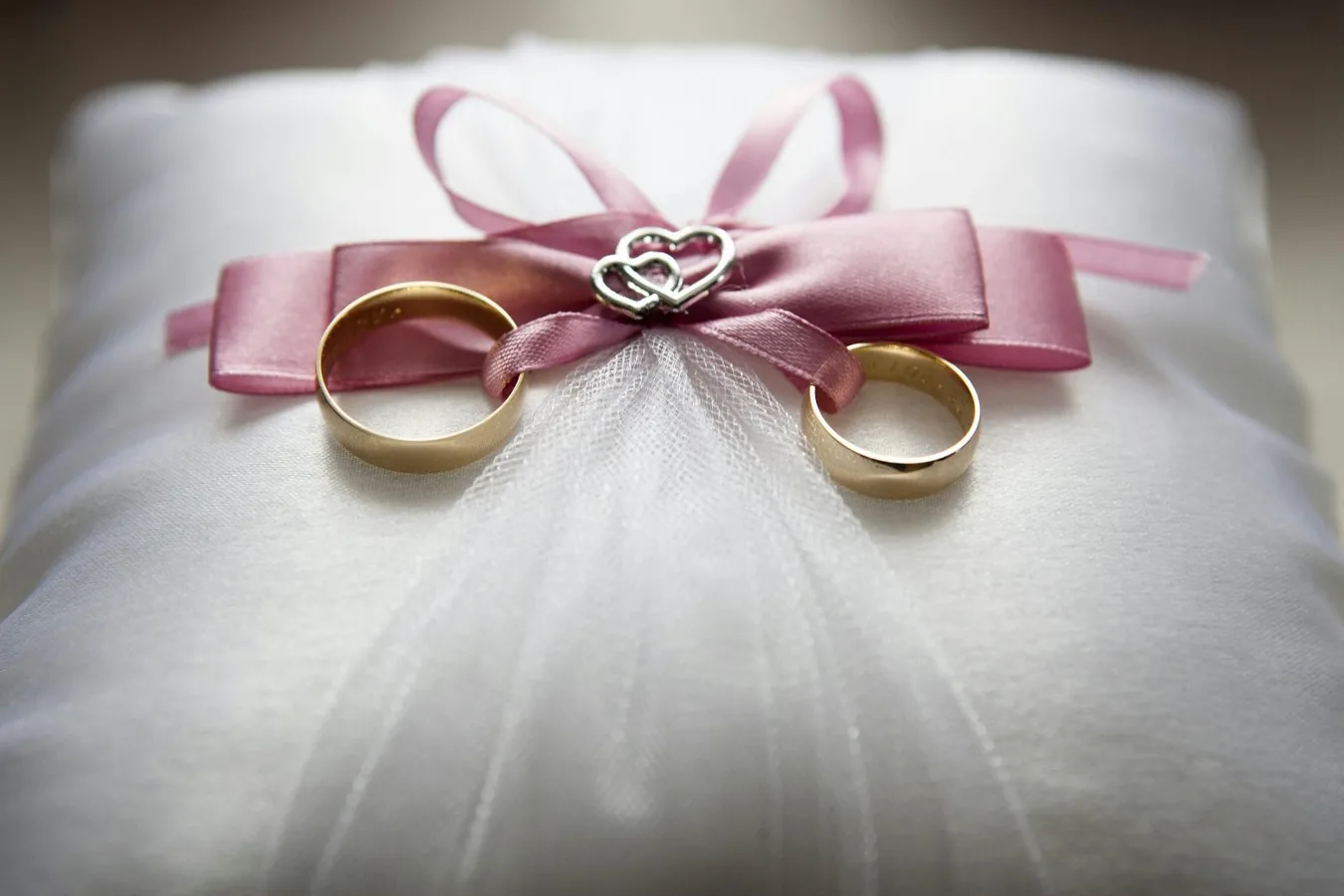
Engagement rings and wedding rings are not the same thing. An engagement ring is usually given at the proposal and is often more decorative, with a center stone or standout setting. A wedding ring, also called a wedding band, is exchanged during the marriage ceremony and is usually simpler, designed for everyday wear alongside or instead of an engagement ring. guide to wedding band styles offers more detail on this point. Classic Engagement Rings: A Smart Buying Guide offers more detail on this point.
That simple distinction matters more than many first-time buyers expect. The two rings can be worn separately, together, or as part of a coordinated bridal set, and the right choice depends on budget, style preferences, comfort, lifestyle, and whether you want one ring or two.
How engagement rings and wedding rings differ
The easiest way to compare them is by purpose, design, and how they are worn.
Engagement ring: Typically represents the proposal and the commitment to marry. It often features a center stone, such as a diamond, sapphire, or other gemstone, and may have a raised setting, halo, pavé accents, or a more elaborate design.
Wedding ring: Traditionally exchanged during the ceremony as a symbol of marriage. It is often a plain metal band, though many modern wedding bands include diamonds, engraving, shaping, or mixed metals.
In practical terms, the engagement ring is usually the more visually distinctive piece, while the wedding ring is the more understated one. That said, modern bridal jewelry has many variations, so tradition is only one part of the decision.
When each ring matters most
The rings are tied to different moments, but that does not mean they have to look or function in only one way.
Before the wedding
The engagement ring is the main ring before the ceremony. Many people wear it every day from the proposal onward, which makes comfort and durability important even if the ring is meant to feel special.
On the wedding day
The wedding ring becomes central during the ceremony because it is the ring exchanged as the marriage symbol. Some couples choose a ring that pairs closely with the engagement ring, while others intentionally keep the wedding band simple so the engagement ring remains the focal point.
After the wedding
After marriage, some people wear both rings together on the same finger. Others wear only the wedding ring for practicality, or alternate depending on work, travel, or personal preference. There is no single correct rule, which is one reason buyers should think beyond the wedding day itself.
Step-by-step criteria for choosing between them
If you are deciding what to buy, start with how the rings will actually be used, not just how they look in a proposal photo.
- Decide whether you want one ring or two. Some couples buy only an engagement ring first and choose a wedding band later. Others prefer a matched bridal set from the start.
- Set a practical budget. The engagement ring usually absorbs more of the budget because of the center stone and setting. A wedding band can range from very simple to highly decorative, so it should be planned separately rather than assumed to be inexpensive.
- Think about daily wear. If the ring will be worn constantly, low-profile settings, secure prongs, and comfortable band shapes matter more than trend-driven details.
- Consider the other ring it must pair with. A tall engagement setting may not sit flush with every wedding band. If you want a snug fit, the two rings should be chosen with compatibility in mind.
- Match the ring to lifestyle. Hands-on work, frequent exercise, travel, or contact with cleaning products can affect how practical a setting or band will be.
- Plan for long-term flexibility. Resizing, stacking, and future upgrades are easier when the original design leaves room for change.
Examples of common ring combinations
Seeing the relationship between the two rings makes the distinction easier to understand.
Classic solitaire engagement ring with a plain band
This is one of the most common combinations. The engagement ring gets the spotlight, while the wedding band stays quiet and timeless. It works well for buyers who want a clean look and fewer styling decisions.
Halo or pavé engagement ring with a slim wedding band
Because the engagement ring already has a lot of sparkle, a slim band can keep the stack balanced. This approach is popular when the goal is to avoid visual crowding.
Three-stone engagement ring with a contoured band
Some three-stone settings sit higher or have shapes that do not align neatly with a straight band. A contoured or curved wedding band can solve the fit issue without forcing the engagement ring to dominate the set.
Plain engagement ring with a diamond wedding band
This reverses the usual pattern. The engagement ring may be simple, while the wedding band adds the sparkle. It is a useful option for people who want the proposal ring to feel understated but still want the overall bridal stack to look polished.
What to compare before buying
The most useful comparison is not just style versus style. It is how each ring behaves in real life.
| Factor | Engagement ring | Wedding ring |
|---|---|---|
| Purpose | Proposal and engagement symbol | Marriage ceremony symbol |
| Design | Usually more detailed | Usually simpler, though not always |
| Center stone | Commonly featured | Usually absent |
| Everyday wear | Important, but setting may be more delicate | Often designed for daily durability |
| Pairing | Must work with a band if worn together | Should complement the engagement ring if stacked |
Ring metal compatibility is a practical detail many buyers overlook. Platinum, white gold, yellow gold, and rose gold can all be mixed, but different metals may age, polish, and wear differently. If the two rings will sit side by side often, consistency may matter more than strict tradition.
Band width is another overlooked factor. A wider band can feel more substantial and may visually balance a larger engagement ring. A narrower band can make the stack feel lighter and more delicate, but it may also wear differently over time.
Common misconceptions
One common misunderstanding is that an engagement ring must be elaborate and a wedding ring must be plain. That tradition is still common, but it is not a rule. Many people choose a minimal engagement ring and a decorative band, or two rings that are similar in style. engagement rings under $500 offers more detail on this point.
Another misconception is that both rings must be worn together at all times. Some people wear the engagement ring only for special occasions, especially if the setting is high or the stone is more exposed. Others wear only the wedding band for work or travel. Comfort and routine often matter more than convention.
A third misconception is that a wedding ring is always cheaper or less important. A simple band can be modest in design, but it still carries symbolic and emotional value. In some cases, a custom wedding band may require just as much thought as the engagement ring because it has to fit a specific shape or stack.
Trade-offs to think through
Choosing between engagement rings and wedding rings is not really an either-or decision for most couples. The real trade-off is between visual impact, practicality, and budget allocation.
A more ornate engagement ring can be beautiful, but it may be harder to pair with a band and may require more care. A plain wedding band is easy to wear and maintain, but it may feel too simple for someone who wants the ring itself to carry more presence.
Choosing matching rings can create a polished look, yet it can also limit future flexibility if your style changes. Choosing mismatched rings opens up more personal expression, though the stack may require more careful planning.
If you expect your style to evolve, keep adaptability in mind. A ring that can be worn solo, stacked, or paired with different bands will usually give you more long-term value than a design that only works in one specific arrangement.
Checklist before you buy
- Confirm whether you are buying an engagement ring, a wedding ring, or both.
- Decide if the rings need to sit flush together.
- Check how the engagement ring setting affects band options.
- Choose metals that fit your style and maintenance preferences.
- Consider whether a plain band, diamond band, or shaped band makes the most sense.
- Think about daily comfort, especially if you plan to wear the ring stack constantly.
- Ask about resizing policies before finalizing the purchase.
- Consider how the rings will look with different outfits and in everyday settings, not only during the ceremony.
Alternatives to the traditional two-ring approach
Not every couple follows the classic engagement ring plus wedding band pattern.
Bridal set: A matched set is designed to work together from the start. This can simplify shopping and reduce the risk of fit issues.
Single ring approach: Some people choose one ring that functions as both engagement and wedding ring, especially when they prefer simplicity or want to keep the budget focused on one piece.
Stackable bands: Instead of one wedding band, some buyers build a stack over time. This can be appealing if you want to add anniversary bands or symbolic rings later.
Alternative gemstone rings: Colored gemstones or mixed-metal designs can create a more personal look while still serving the same ceremonial purpose.
FAQ
Do engagement rings and wedding rings have to match?
No. Matching is a stylistic choice, not a requirement. Some couples prefer a coordinated set, while others like contrast between the two rings.
Which ring is worn first, the engagement ring or wedding ring?
Many people wear the wedding ring closer to the heart, with the engagement ring stacked above it. That is common etiquette, but personal comfort and ring fit can influence the order.
Can a wedding ring replace an engagement ring?
Yes, for some couples. A single ring can serve both roles if that suits the relationship, budget, and style preference.
Is a wedding band always a plain metal ring?
No. Wedding bands can include diamonds, engraving, mixed metals, or shaped designs. The term refers to the role of the ring, not just its simplicity.
What should I prioritize if I can only choose one ring right now?
Prioritize the ring that matches your immediate need. If you are proposing, the engagement ring usually comes first. If the ceremony is near and a wedding ring is the priority, focus on comfort, durability, and how it wears daily.
Final buying takeaway
The real difference between engagement rings and wedding rings is not just timing. It is how each ring functions, how it fits into daily life, and how the two pieces work together over time. If you keep compatibility, comfort, and long-term wear in mind, you will be better prepared to choose a ring that feels right now and still makes sense years later.