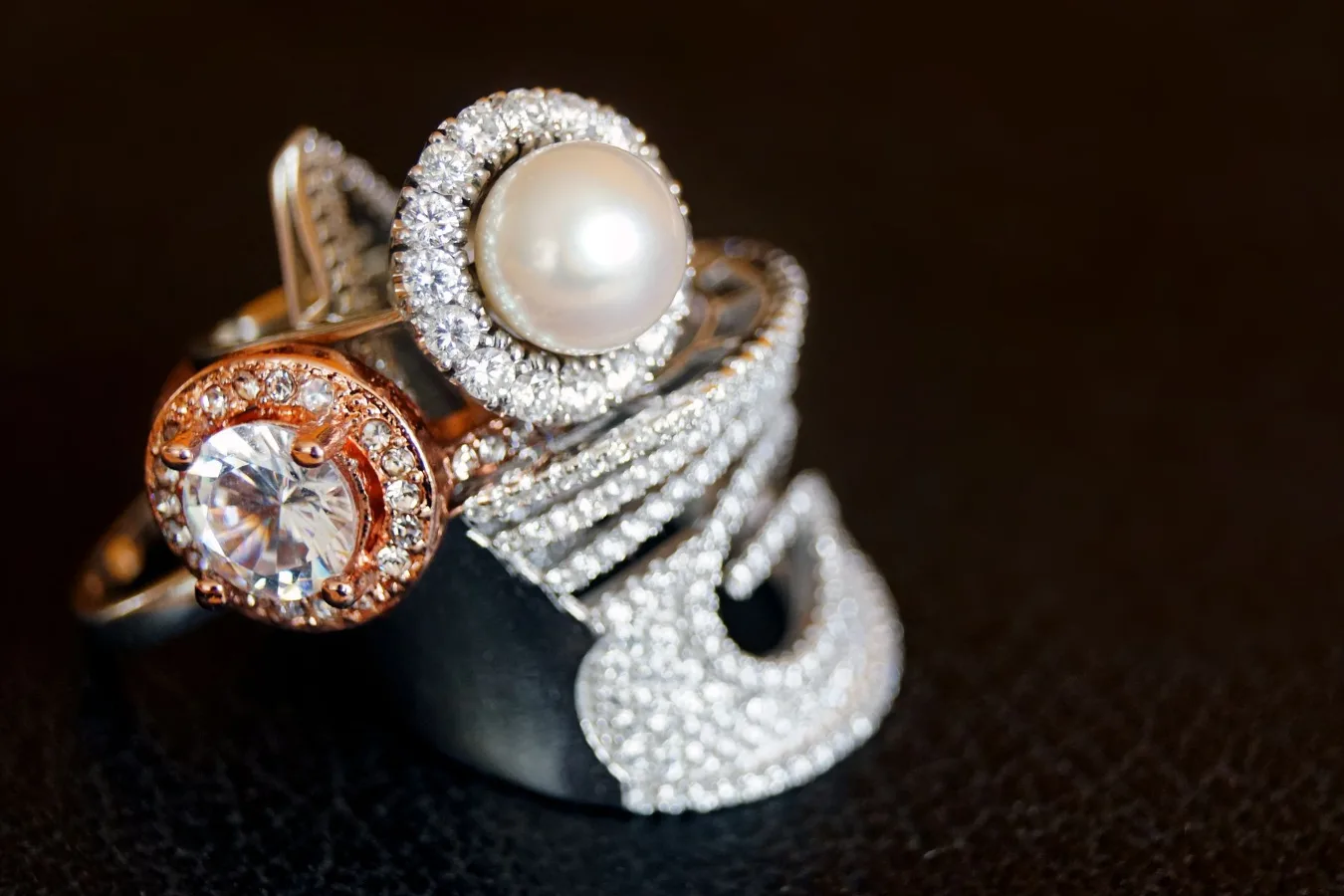
Gold and rose gold engagement rings appeal to shoppers who want warmth, romance, and a look that feels a little softer than white metal. If you are trying to decide between them, the best choice usually comes down to color preference, how the ring will be worn every day, and whether you want the setting to read as classic, vintage-inspired, or slightly unexpected. complete guide to rose gold engagement rings offers more detail on this point.
For many buyers, the decision is less about which metal is objectively better and more about which one works with the center stone, the wedding band, and the wearer’s personal style. Rose gold tends to feel more distinctive and contemporary, while yellow gold has a more traditional jewelry feel. Both can be excellent choices for engagement rings when the design, finish, and setting are chosen well.
Why these two metals get compared so often
Gold and rose gold are closely related, which is part of why shoppers often weigh them side by side. Both are used widely in engagement rings, both suit a range of stone shapes, and both bring warmth that can flatter diamonds and colored gemstones. The difference is mainly visual, but that visual difference can change the entire mood of the ring.
Yellow gold has a rich, classic appearance that has never really gone out of style. Rose gold has a blush tone created by a copper alloy, which gives it a more romantic and sometimes slightly antique look. For some buyers, that subtle pink warmth feels fresh and personal. For others, yellow gold feels more timeless and grounded.
A common misconception is that one of these metals is automatically better for long-term wear. In reality, both can be suitable for everyday engagement rings if you understand the trade-offs, especially around alloy composition, finish, and maintenance.
Color is the first decision, but not the only one
The most obvious difference between gold and rose gold engagement rings is color. That might sound simple, but color affects how the whole ring is perceived. It influences contrast with the center stone, how the ring looks against skin tones, and whether the setting feels delicate or bold.
Yellow gold: warm, familiar, and versatile
Yellow gold is the traditional choice for a reason. It has a saturated warm tone that works beautifully with many diamond cuts, especially in solitaire, three-stone, and vintage-inspired settings. It can also complement stones with warmer undertones, such as champagne diamonds, yellow diamonds, or certain colored gemstones.
One practical advantage is that yellow gold often makes a ring feel cohesive if the wearer already owns other gold jewelry. That matters more than many shoppers expect. If the person wears gold earrings, bracelets, or a gold wedding band every day, a yellow gold engagement ring will usually integrate more naturally into their jewelry wardrobe.
Rose gold: soft, romantic, and slightly distinctive
Rose gold offers a muted pink-copper warmth that feels elegant without being flashy. It has become especially popular for halo rings, pavé bands, and vintage-inspired settings because the color adds softness and detail without overpowering the center stone.
Rose gold can also be forgiving in mixed-jewelry wardrobes because it sits between yellow and pink tones rather than reading as a strong primary color. That said, its exact appearance can vary from piece to piece depending on the alloy blend, so shoppers should look carefully at the ring in person or through clear, well-lit photos whenever possible.
How the center stone changes the choice
The best metal for an engagement ring often depends on the center stone, not just the metal itself. Diamond shape, color grade, and setting style all affect how gold and rose gold appear once the ring is assembled.
For diamonds
Yellow gold can give diamonds a warm, classic frame, especially if the stone has a near-colorless or slightly warm appearance. It can make the whole ring feel traditional and balanced. Rose gold can create a softer, more romantic backdrop, and in some settings it subtly mutes contrast so the ring feels less stark.
One nuance many shoppers overlook is that metal color can influence how a diamond’s face-up appearance is perceived. A very warm metal may make a slightly tinted diamond seem more coordinated, while a cooler, brighter setting can emphasize contrast. That does not make one choice better; it just changes the visual effect.
For colored gemstones
Gold and rose gold can both be excellent with colored gemstones, but the best choice depends on the stone. Sapphire, morganite, ruby, emerald, and peach-toned stones may each respond differently to a warm setting. Rose gold often pairs well with pink or peach gemstones because it creates a harmonious palette, while yellow gold can add richness and depth to green, blue, or red stones.
If the ring uses a center stone with an unusual hue, ask whether the metal should support the gemstone quietly or create contrast. That choice affects the final look as much as the stone itself.
Durability and daily wear considerations
For an engagement ring, beauty matters, but so does how the ring behaves over time. Gold and rose gold are both worn in everyday settings, yet they can age differently depending on alloy, finish, and care habits.
Rose gold contains copper, which helps create its color. That copper content can make the metal feel slightly different in tone over time as the ring develops a lived-in patina. Some people like that effect because it adds character. Others prefer a brighter, cleaner finish and may choose polished yellow gold instead.
Neither metal is maintenance-free. Rings worn daily can collect scratches, small abrasions, and surface dullness regardless of color. The practical question is not whether the ring will ever show wear, but how visible that wear will be and whether the wearer will enjoy the way it ages.
Another useful distinction is that settings with thin bands, delicate pavé, or intricate filigree require more care than simpler bands, regardless of whether the metal is gold or rose gold. A more ornate design may be more sensitive to snagging and regular cleaning, so metal choice should be considered alongside construction.
Matching the ring to everyday style
Engagement rings work best when they fit naturally into the wearer’s wardrobe and habits. That includes clothing colors, metal preferences, and how much visual contrast the person likes on their hand.
- Choose yellow gold if the wearer favors classic, traditional, or vintage-leaning jewelry and already owns mostly gold pieces.
- Choose rose gold if the wearer likes softer color, romantic details, or a slightly less expected look.
- Consider mixed-metal designs if the wearer regularly combines metals and wants flexibility with future jewelry purchases.
- Think about the center stone if the ring needs a setting that either warms up or subtly contrasts the gem.
The overlooked factor here is consistency. A ring that matches the wearer’s existing jewelry habits often gets worn more comfortably in the long run. That kind of practical fit can matter more than chasing the trendiest metal color.
Wedding band compatibility matters early
Many shoppers focus on the engagement ring first and think about the wedding band later, but the two should ideally work together from the start. Gold and rose gold can pair beautifully with a matching band, but they do not always look identical once stacked.
A yellow gold engagement ring usually pairs most seamlessly with a yellow gold wedding band. Rose gold can be matched in the same way, although slight differences in alloy or finish can make two rings look less identical than expected. That is not necessarily a problem, especially if the goal is a softer, layered look.
If you are considering a mixed-metal stack, think about how the band will sit beside the engagement ring. Some combinations feel intentional and balanced; others can look accidental. A simple rule helps: if the engagement ring is highly detailed, a cleaner band often works best. If the engagement ring is understated, the band can carry a little more visual interest.
When rose gold is the better choice
Rose gold is often the stronger choice for shoppers who want warmth with a contemporary edge. It can feel less formal than yellow gold while still being unmistakably precious. That makes it appealing for people who want a ring that stands apart from the most common white-metal options without looking too bold.
Rose gold is also useful when the goal is a romantic or vintage-inspired aesthetic. It can soften sharp lines in geometric settings and bring a gentle glow to halos, clusters, and decorative shanks. For many buyers, that color helps the ring feel personal rather than standard.
One real-world constraint to keep in mind is skin sensitivity. Because rose gold gets its color partly from copper, some wearers may have preferences or sensitivities that make another gold tone more comfortable. Sensitivity varies widely, so this is less a universal rule than a point worth checking before purchase.
When yellow gold is the better choice
Yellow gold remains the safest pick for shoppers who want a traditional engagement ring that will still feel relevant years from now. It is especially strong for solitaire designs, classic prong settings, and styles that intentionally reference heritage jewelry.
It can also be the more straightforward option if the wearer’s existing collection leans heavily toward warm metals. In that case, yellow gold often creates the most cohesive everyday look. For buyers who prefer visual simplicity, it may be easier to match with watches, earrings, and stacking bands over time.
Yellow gold can be especially effective if the ring needs to feel elegant without drawing attention to itself. It has presence, but it usually does not dominate the stone the way some more stylized settings can.
Common mistakes to avoid
Some engagement ring decisions are driven by trend rather than fit, and that can lead to regret later. A few mistakes come up repeatedly with gold and rose gold rings.
- Choosing color before thinking about the setting. A beautiful metal can still look wrong if the head, band width, or stone shape is mismatched.
- Ignoring the wedding band. The ring stack should feel coordinated, not improvised.
- Assuming rose gold suits every stone equally. Some gems are enhanced by the tone, while others lose contrast or look too muted.
- Overlooking maintenance. All engagement rings need care, especially those with intricate details or polished finishes.
- Picking a metal based only on popularity. The better choice is the one that fits the wearer’s style and routine.
How to decide without second-guessing yourself
If you are comparing gold and rose gold engagement rings, start with the wearer’s style history. Look at the jewelry they already choose on their own. If they consistently reach for warm yellow tones, yellow gold is often the safer and more natural fit. If their jewelry tends to have a softer, more romantic look, rose gold may feel more personal.
Then consider the ring’s architecture. Clean solitaires can look excellent in either metal. More ornate rings often benefit from rose gold’s softness or yellow gold’s traditional richness. If the center stone is unusual, let the stone guide the metal rather than forcing a color preference first.
Finally, think about longevity in the broad sense. A ring that photographs well is nice. A ring that feels right every day, works with future bands, and matches the wearer’s habits is much better. That is usually the ring that gets worn with confidence for years.
A simple way to narrow the choice
If the decision still feels close, use this practical filter:
- Choose yellow gold for a classic, traditional, warm look that pairs easily with other gold jewelry.
- Choose rose gold for a softer, more romantic tone with a subtle contemporary or vintage feel.
- Choose a mixed-metal approach if the wearer likes flexibility and does not wear only one metal color.
- Choose the metal that suits the center stone if the ring’s overall balance matters more than the metal itself.
Gold and rose gold are both strong contenders for engagement rings because neither is a compromise. The better choice is the one that fits the person, the stone, and the way the ring will actually be worn. That is the decision that lasts beyond the first impression.