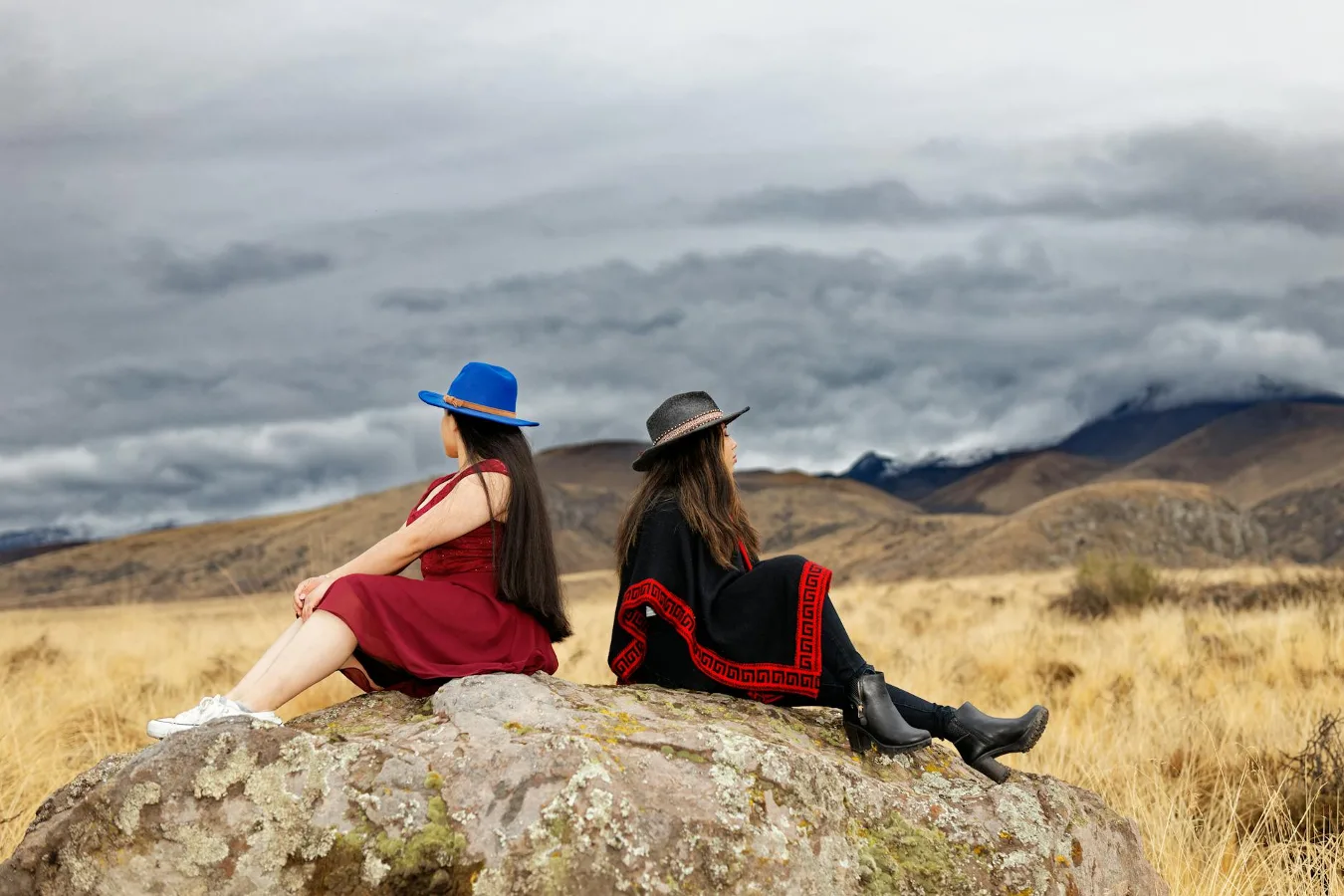
What hiking dresses for women are best for
Hiking dresses for women make the most sense for warm-weather hikes, low-to-moderate intensity trails, travel days, and casual outdoor plans. They are not a replacement for every hiking outfit, but they can be a smart choice when you want one piece that feels comfortable, looks polished enough for town, and still handles movement better than a regular dress. dresses for women blue and white offers more detail on this point. Brunch Dresses for Women: How to Choose offers more detail on this point.
The best options balance breathability, coverage, mobility, and practical details. If a dress is too fitted, too delicate, or too short, it can become annoying fast on a trail. If it is too thick, heavy, or structured, it may feel less like outdoor clothing and more like something you would avoid packing. The sweet spot is usually a lightweight, quick-drying style with enough ease for stride length, seated breaks, and changing temperatures.
A common misconception is that hiking dresses are only for style. In practice, the better ones are chosen for how they move, how they manage heat, and whether they still feel comfortable after a long day outside. That is why material, length, and fit matter more than whether the garment simply looks sporty.
Buyer scenario: who should consider one
If you are deciding whether to buy one, start with how you actually hike. A hiking dress can be a good fit if you:
- prefer a one-piece outfit for travel or day hikes
- hike in hot or humid weather and want airflow
- like outfits that can go from trail to lunch without changing
- usually carry a small day pack and do not need heavy-duty pockets
- want something less technical-looking than shorts and a tee
It may be a poor match if you hike on rugged terrain, carry heavier loads, scramble often, or need maximum leg coverage and abrasion resistance. In those cases, hiking shorts, leggings, skorts, or convertible pants usually offer more protection and flexibility.
The best buyer scenario for a hiking dress is often a light trail, warm day, and moderate pace. It is especially useful when comfort and versatility matter more than technical performance. That is a real trade-off worth accepting: you gain convenience and style, but often give up some durability and weather protection.
The material matters more than the label
Not every dress marketed as outdoorsy is actually suitable for trail use. The fabric is usually the first thing to check. For hiking, you want materials that feel light, dry reasonably fast, and do not cling uncomfortably when you sweat.
What tends to work well
- Polyester blends for quicker drying and easier care
- Nylon blends when you want a smoother feel and decent durability
- Spandex or elastane for stretch and ease of movement
- Merino blends when odor control and temperature regulation matter, though these are less common in dress form
Natural fibers like cotton can feel pleasant at first, but cotton holds moisture and dries slowly. For a casual picnic dress, that may be fine. For a hike, it can become heavy and uncomfortable after sweat, rain, or a stream crossing. That does not make cotton unusable in every case, but it is usually not the most practical choice for trail comfort.
An overlooked consideration is how the fabric behaves when wet. Some dresses look breathable on a hanger but become clingy once damp. A quick-drying fabric with enough structure can make the difference between staying comfortable and feeling overheated or chilled later in the day.
Fit, length, and mobility
Fit is where many hiking-dress purchases go wrong. A dress can have the right fabric and still fail if it restricts stride or shifts too much while walking uphill. For outdoor use, look for a cut that allows you to sit, step up, crouch, and lift your legs without constant adjustment.
Length is especially important. Shorter hemlines may feel breezy, but they can be less practical on uneven trails, windy overlooks, or steep steps. Longer styles provide more coverage but can feel warmer or more limiting if the silhouette is narrow. Midi lengths often strike a workable balance, though the best choice depends on your height, the terrain, and your comfort level.
Another practical nuance: a dress that looks relaxed in front may still be tight through the shoulders, bust, or hips when you wear a backpack. If you plan to carry a day pack, give extra attention to how the dress sits under straps and whether the seams or neckline rub in motion. This is one of the most common fit issues because people judge the dress standing still, not while wearing hiking gear.
Features that make a hiking dress actually useful
Some design details matter more outdoors than they do in everyday fashion. Not every hiking dress needs technical features, but a few can improve usability a lot.
- Pockets: useful for a lip balm, map, key, or snack, though they should not be the only storage plan
- Built-in shorts or liners: helpful for coverage and movement, especially on uneven trails
- Adjustable straps or waist: can improve fit across different body shapes
- UPF-rated fabric: valuable for sunny hikes, though it should be treated as one part of sun protection, not the whole plan
- Moisture-wicking finish: can improve comfort during higher exertion
- Wrinkle resistance: useful for travel and packing
Do not assume every pocket is truly practical. Small, shallow pockets may hold little and can bounce annoyingly on the trail. Similarly, built-in shorts sound ideal, but they may ride up, trap heat, or make bathroom breaks less convenient. Features help, but only when they are designed with actual movement in mind.
Comfort trade-offs to think through
Hiking dresses sit at the intersection of outdoor wear and casual fashion, which means they usually involve compromise. The biggest trade-offs are comfort versus coverage, and style versus performance.
If you want a more polished look, you may end up with a softer drape or more fitted silhouette. That can be attractive and easy to wear around town, but it may not be the best for rough trails or high heat. If you prioritize trail function, the dress may look more technical and less like a traditional dress, which some shoppers will prefer and others will not.
Another trade-off involves layering. Dresses can be surprisingly flexible when paired with a light jacket, sun shirt, or supportive shorts underneath. But if you dislike adding layers, the simplicity of a one-piece outfit can disappear quickly. Think about whether you want a standalone garment or a base for layered trail styling.
When a hiking dress is a smart choice
A hiking dress works best in specific situations rather than as a universal replacement for trail clothing.
- Day hikes in warm weather: especially on maintained paths or moderate terrain
- Travel and sightseeing: when you want something packable and versatile
- Resort, campground, or post-hike wear: when comfort and appearance both matter
- Easy outdoor activity: such as park walks, patio lunches, or casual scenic outings
For cold conditions, dense brush, scrambling, or very sweaty efforts, other clothing usually performs better. That does not mean a hiking dress is a novelty item. It just means the use case should be clear before you buy.
When another option may be better
There are situations where a dress is not the most practical answer, even if you like the idea. Consider an alternative if you need:
- more abrasion resistance for rugged terrain
- better warmth and wind protection
- greater freedom to layer technical pieces
- more secure storage for phone, keys, and snacks
- less concern about hemline movement or skirt handling
In those cases, hiking shorts with a performance top, a skort, or lightweight trail pants may serve you better. A dress can still be part of your outdoor wardrobe, but it does not need to be the only option.
How to narrow down the right one
If you are comparing options online, use this order of priorities:
- Start with your climate. Hot, humid, and sunny conditions call for breathable, quick-drying fabric.
- Check the intended activity. Choose differently for easy walks than for long, steep, or technical trails.
- Review the cut. Make sure the silhouette leaves room to move and works with a backpack.
- Look at practical details. Pockets, liners, and adjustable elements matter more than decorative features.
- Think about layering. Decide whether you want the dress to stand alone or work with shorts, tights, or a shell.
This order helps keep the decision grounded in use case instead of appearance alone. Many buyers regret choosing the prettiest option first, only to find that the fabric clings, the hem feels awkward, or the fit does not cooperate with real movement.
Styling and layering without sacrificing function
One reason hiking dresses are popular is that they can bridge outdoor and everyday wear. To keep that flexibility, think in layers and accessories rather than trying to force the dress to do everything by itself.
- Pair with sport sandals, trail sneakers, or lightweight hiking shoes depending on terrain
- Add bike shorts or liners if you want more coverage and confidence
- Use a light sun layer or jacket for changing weather
- Choose a supportive pack or crossbody if the dress has minimal storage
The best styling approach is usually restrained. A hiking dress should still function like outdoor clothing. If the styling choices make it harder to move or overheat, the outfit stops being useful.
Care and maintenance
Care is another point where hiking dresses vary. Many technical blends are easy to wash, but that does not mean all are equally simple. Check care labels and think about how often you want to rewash the item after sweaty outings.
Quick-dry synthetics are often convenient for travel, while more delicate fabrics may need gentler handling. If a dress is intended for frequent hiking use, low-maintenance care is a real advantage. The less effort required to wash, dry, and repack it, the more likely it will stay in your regular rotation.
Also consider odor retention. Some fabrics handle repeated wear better than others, especially if you are packing light on a trip. That can be more important than it sounds, because a dress that looks nice but needs frequent special care may not get worn often enough to justify the purchase.
Final way to decide
The best hiking dresses for women are the ones that fit your environment, your pace, and your tolerance for compromise. If you want something breathable, easy to pack, and comfortable for warm-weather outings, a well-chosen dress can be a strong addition to your outdoor wardrobe. If you need maximum durability, coverage, or storage, a more technical bottom may be the better buy. pockets and storage in women’s clothing offers more detail on this point.
Before you commit, ask three simple questions: Will I wear this on actual trails? Does the fabric suit the weather I hike in? Can I move comfortably with a pack on? If the answer is yes, you are probably looking at a useful piece rather than just a stylish one.
For readers building a broader outdoor wardrobe, it also helps to compare hiking dresses with other warm-weather trail options, review the best fabrics for outdoor wear, and think through how to layer for variable conditions. Those decisions make the difference between a dress that stays in the closet and one that actually earns a place in your rotation.