Quick answer: what a horse winter coat is
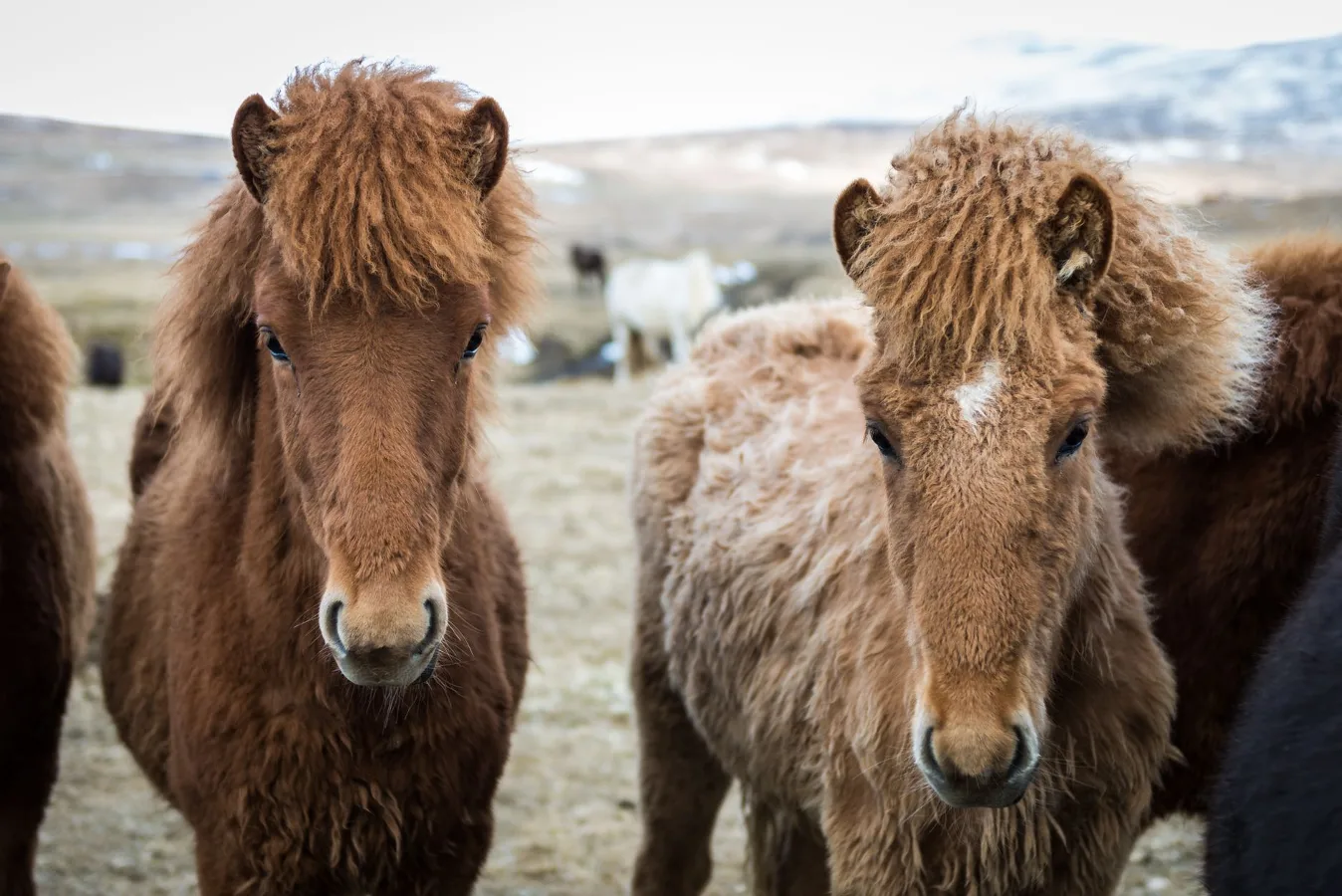
A horse winter coat is the thicker, longer coat a horse grows as daylight shortens and temperatures drop. Its main job is insulation. The coat traps air close to the skin, helping the horse retain body heat more efficiently than a sleek summer coat. fur hood winter coat womens offers more detail on this point.
For many horses, a natural winter coat is enough when they have good forage, access to shelter, and a body condition that supports cold-weather comfort. For others, especially clipped horses, seniors, thin horses, or horses that work hard in winter, the winter coat alone may not be enough. That is where blanketing, shelter, nutrition, and grooming routines become part of the decision.
If you are trying to understand horse winter coat care, the key question is not just how thick is the coat? It is how the coat fits into the horse’s overall cold-weather management plan. winter horse care basics offers more detail on this point.
How the winter coat works
Horses do not stay warm only because they have hair. The winter coat works by changing the structure and length of the hair so it can hold more air. That air layer acts as insulation. A clean, dry, fluffy coat performs better than a wet, flattened, or heavily matted one.
Sunlight and daylight length are major triggers for coat change. As days shorten, horses begin growing a denser coat. As daylight increases again, they shed. This seasonal cycle is normal, though the timing can vary with climate, age, nutrition, health, and whether the horse is clipped or blanketed.
One common misconception is that a thick coat automatically means a horse is comfortable in all winter conditions. In reality, coat thickness helps, but it does not replace shelter, wind protection, adequate forage, and regular health checks. A horse with a good winter coat can still become chilled if it is wet, exposed to strong wind, or underfed.
Natural coat, clipped coat, or blanketed horse?
Choosing how to manage a horse winter coat usually comes down to workload, living conditions, and the horse’s ability to regulate temperature. The coat itself is only one piece of the picture.
Natural coat
A horse kept in a natural winter coat has the benefit of full seasonal insulation. This is often the simplest approach for lightly worked horses living outdoors with access to shelter and forage. The trade-off is that a long coat takes more time to dry after sweat or rain, and it can be harder to keep clean and neat.
Clipped coat
Clipping removes some or much of the winter coat to reduce sweating and speed drying after work. It can make sense for performance horses or horses that are exercised frequently. The trade-off is that clipping reduces natural insulation, so the horse may need a blanket and more attentive weather monitoring. clipping vs leaving the natural coat offers more detail on this point.
Blanketing
Blanketing can help support clipped horses, thin horses, older horses, or horses exposed to prolonged wet, windy weather. But a blanket is not a universal solution. Poorly fitted blankets can rub, shift, leak, or trap moisture. Overblanketing can also interfere with the horse’s own temperature regulation. A blanket should be a tool, not a default assumption.
| Approach | Main advantage | Main limitation |
|---|---|---|
| Natural coat | Strong seasonal insulation | Slower drying, more grooming effort |
| Clipped coat | Better for sweat management | Needs more weather support |
| Blanketing | Added protection in tough conditions | Fit, monitoring, and management matter |
What matters most when deciding how to manage the coat
The best decision is rarely based on coat length alone. Several practical factors should guide the choice.
Body condition and age
Horses with less body fat have less natural reserve against cold. Very young, senior, or hard-keeping horses may need extra support even if their coat looks thick. The coat can only do so much if the horse is already underweight or struggling to maintain condition.
Living environment
A dry shelter, windbreak, and dry bedding make a meaningful difference. A horse standing in wind and rain loses heat faster than one with a similar coat in a dry paddock or barn. This is an overlooked consideration for many owners: the quality of the environment often matters as much as the coat itself.
Workload
A horse that sweats during training may be more comfortable clipped or partially clipped, depending on the routine and drying setup. A horse that is lightly ridden or mostly turned out may do better with its natural coat intact.
Humidity and wet weather
A coat that stays dry is much more effective than one that is repeatedly soaked. Wet cold can be especially challenging because moisture collapses the insulating air layer in the hair. For that reason, turnout management and waterproof coverage are often more important than people expect.
Nutrition
Forage intake supports heat production through digestion. Horses generally need enough fiber and consistent access to feed to help maintain warmth. A winter coat supports insulation, but nutrition supports the energy required to generate body heat.
Grooming and maintenance during coat season
Winter coat care is less about making the coat look glossy and more about preserving its function. That means balancing cleanliness, skin health, and insulation.
- Use grooming to remove dirt and dried sweat, but avoid over-bathing in cold weather unless necessary.
- Keep the coat dry when possible, since a damp coat loses insulating value.
- Check for rubbing or skin irritation if blankets are used.
- Watch for excessive dandruff, dullness, or patchy hair loss, which can suggest a care or health issue.
- Use appropriate tools so you do not damage the coat or irritate the skin.
There is a practical nuance here: a very clean, sleek coat is not always the best winter outcome for every horse. Some light dirt can actually sit on the outer hair without affecting warmth much, while aggressive overgrooming or frequent washing can create more problems than it solves. The goal is function, not show-ring shine.
Mistakes to avoid with a horse winter coat
Seasonal coat management is easy to overcomplicate, but a few mistakes come up repeatedly.
Assuming every horse needs a blanket
Not all horses require blanketing. A healthy horse with a full coat, access to shelter, and adequate forage may be comfortable without one. Blanket use should be based on the horse’s actual needs, not habit or appearance.
Overblanketing
Too much blanketing can cause sweating, rubbing, and discomfort. It may also make owners less attentive to the horse’s real temperature needs. A horse that is too warm may remove heat less efficiently, especially if the blanket is heavy for the conditions.
Ignoring blanket fit
A poorly fitted blanket can slide, rub shoulders, pinch the chest, or restrict movement. If you use blankets, fit is not a minor detail. It affects comfort, safety, and how well the horse can move and rest.
Neglecting the underlying health picture
A poor coat can sometimes signal more than seasonal change. Parasites, nutrition gaps, dental issues, endocrine conditions, or general stress can affect coat quality. If the coat looks consistently abnormal, it is worth looking beyond grooming routines alone.
Forgetting that winter coat management changes by horse
A pony, a senior horse, a clipped warmblood, and a hard-working event horse may all need different approaches. Treating the winter coat as a one-size-fits-all issue is one of the fastest ways to make winter care less effective.
How the horse winter coat fits into broader horse care
The winter coat is only one part of seasonal management, but it connects to several related topics in equine care. Owners often need to think about grooming tools, blanketing systems, clipping patterns, turnout schedules, nutrition, and shelter together rather than separately. That broader view helps explain why one horse stays comfortable in a natural coat while another needs more support.
If you are building a winter care routine, useful related areas include coat shedding cycles, turnout blanket selection, winter grooming techniques, and cold-weather feeding. These topics all work together because the coat does not function in isolation.
Choosing the right approach for your horse
For a horse with a healthy body condition, a full natural coat, and decent shelter, the simplest approach is often best. Let the coat do its job. Keep the horse dry, feed enough forage, and monitor body condition through the season.
If the horse is clipped, heavily worked, older, thin, or exposed to difficult weather, then the coat may need support from blanketing, stable management, and more frequent checks. The best choice is usually the one that matches the horse’s workload and environment with the least complication.
A useful rule of thumb is to ask three questions: Is the horse dry? Is the horse eating enough? Is the horse comfortable enough to stand, rest, and move normally? If the answer to any of those is no, the coat management plan needs adjustment.
FAQ
Do all horses grow a winter coat?
Most horses grow a thicker seasonal coat as daylight shortens, but the amount and timing can vary. Clipped horses or horses with certain health issues may not show the same level of coat growth.
Is a thicker coat always better?
Not necessarily. A thick coat helps with insulation, but if the horse sweats heavily, stays wet, or has trouble drying, that coat can become a disadvantage. The right coat length depends on the horse’s work and environment.
When should a horse be blanketed instead of left natural?
Blanketing is often more useful for clipped horses, thin horses, seniors, or horses facing prolonged cold rain, wind, or limited shelter. It should be based on comfort and conditions, not just temperature alone.
How can I tell if my horse is too cold?
Common signs include shivering, stiffness, hunching, reduced comfort, or a reluctance to settle. A horse’s body condition, behavior, and exposure matter more than coat length by itself.
Does grooming affect the winter coat?
Yes. Regular grooming helps keep the coat functional by removing dirt, loose hair, and sweat buildup. The key is to groom in a way that maintains skin health and does not strip away the coat’s insulating benefit.