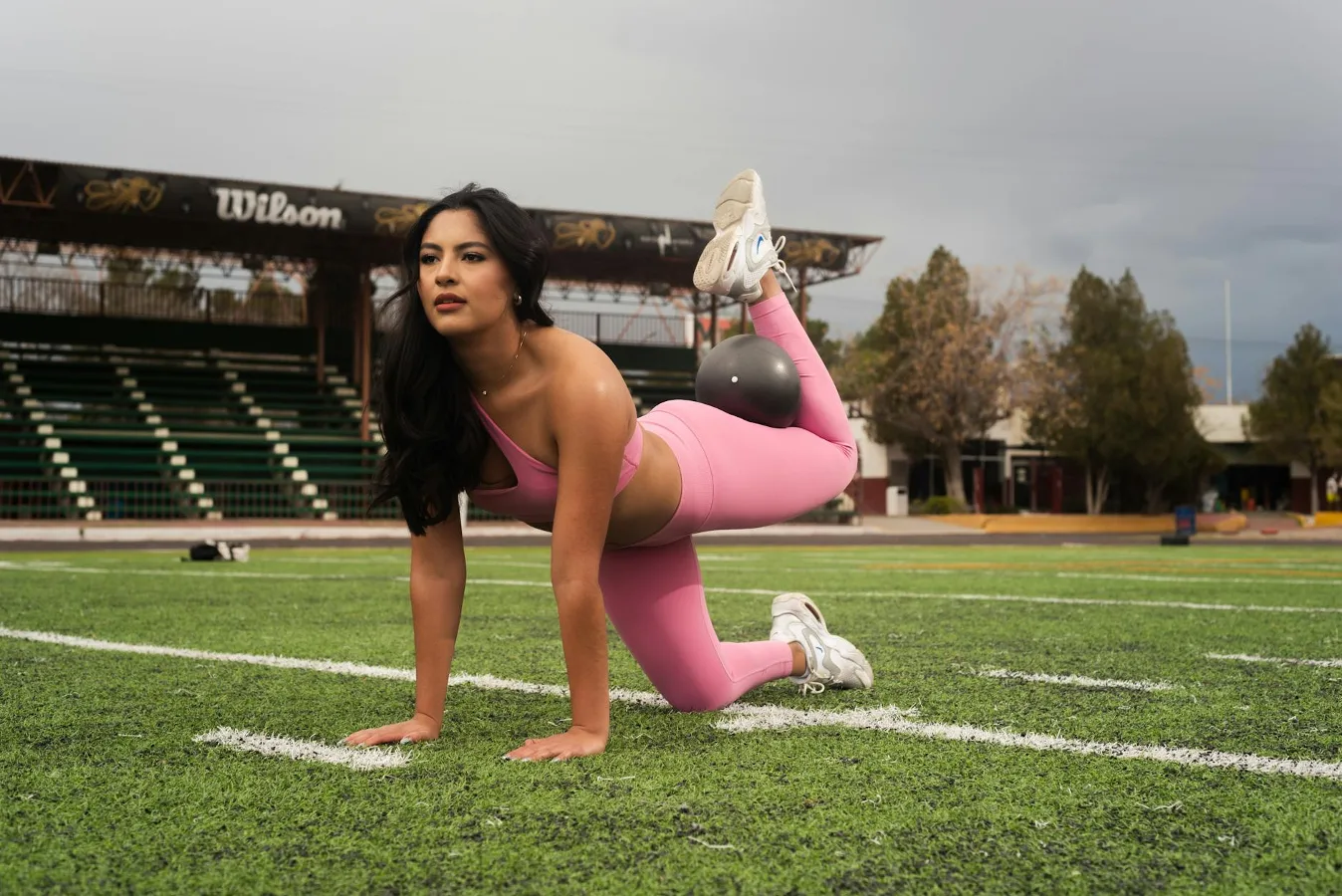
If you’re searching for an Oner Active leggings sale, the main question is usually not just what’s discounted, but whether the leggings are worth buying for your body, your workouts, and your everyday wardrobe. The smartest approach is to shop the sale with a fit-first mindset: look at rise, fabric feel, intended activity, and return policy before chasing a color or trend. how to choose leggings that fit your workout offers more detail on this point. leggings with butt scrunch offers more detail on this point.
Oner Active has built a strong following in the activewear space, especially for leggings that can move from training sessions to casual wear. That makes sale shopping a little different from buying basic gym tights. You are not only comparing price; you are deciding whether a specific style suits your routine, your preferred level of support, and how you like leggings to sit on the waist and legs.
For most shoppers, the best value during a sale comes from choosing the pair that solves a real wardrobe need. If you already own soft lounge leggings, a sale can be the moment to pick up a more supportive training pair. If you mostly want something for errands and travel, comfort and versatility may matter more than technical performance. best leggings for high-impact training offers more detail on this point.
When an Oner Active leggings sale matters most
A sale is most useful when you already know what role the leggings need to play. That may sound obvious, but it is where many people go wrong. A steep discount can make a stylish pair seem like an easy yes, even if the fit, compression level, or fabric weight is not right for how you actually dress.
It helps to think in terms of use cases:
- Training: you may want a more secure waistband, better stretch recovery, and a fit that stays put during movement.
- Everyday wear: softness, ease of pairing, and all-day comfort may matter more than performance details.
- Travel or long wear: a breathable fabric and a flattering but forgiving fit can be more practical than a very compressive style.
- Layering: a smoother finish and a versatile color can make the leggings easier to style with oversized tops or outerwear.
The mistake many shoppers make is treating every sale item as interchangeable. Activewear is highly sensitive to personal preference. Two leggings from the same brand can feel very different depending on seam placement, waistband design, and fabric structure.
Step-by-step criteria for choosing the right pair
1. Start with rise and waistband shape
For leggings, the rise is one of the most important comfort decisions. High-waisted styles are popular because they tend to feel secure and pair easily with cropped tops and sports bras. But a higher rise is not automatically better for everyone. If you dislike waistbands that sit close to the ribs, or if you prefer more freedom at the midsection, a less aggressive rise may be more comfortable.
Also pay attention to the waistband finish. A wide, smooth waistband often feels more stable for workouts, while a softer waistband may suit lounging and casual wear better. The right choice depends on whether you want hold or ease.
2. Look closely at fabric behavior, not just fabric names
Sale pages often highlight fabric names in a way that sounds impressive, but what matters is how the material behaves on the body. Some leggings feel more supportive and structured. Others feel softer, stretchier, or lighter. None of those qualities is universally better.
Think about:
- Opacity: especially important if you squat, bend, or stretch frequently.
- Stretch recovery: how well the fabric returns to shape after movement.
- Hand feel: whether you prefer a slicker finish or a softer, brushed feel.
- Breathability: useful if you train hard or run warm.
- Thickness: a thicker fabric may feel more secure, while a lighter one may be more comfortable in warmer settings.
A common misconception is that thicker automatically means better. In reality, thickness can improve coverage but may also feel warmer or less flexible depending on the knit and construction.
3. Match the level of support to your routine
Some shoppers want leggings that gently shape the body. Others prefer a tighter, more held-in feeling. The sale is the time to be honest about which camp you’re in. If you wear leggings for steady-state cardio, walking, or everyday layering, moderate support may be enough. If you want something for more intense training, you may prefer a firmer feel.
Support and comfort are a trade-off. More compression can create a streamlined silhouette and a secure sensation, but it can also feel restrictive if you prefer relaxed movement. Less compression tends to be easier for long wear, though it may not feel as locked in during vigorous activity.
4. Check seam placement and silhouette
Seams affect both appearance and comfort. Seam placement can influence how the leggings sit at the hips, whether they rub during movement, and how smooth they look under fitted tops. This is one of those overlooked details that separates a pair you reach for constantly from a pair that sits in the drawer.
If you want a cleaner look, compare styles with minimal visible seam construction. If you care about shaping, seams may be part of the design language you like. But if you have sensitive skin or plan to wear the leggings for long periods, comfort around the inner thigh and waistband should take priority over purely visual details.
5. Think about length and proportion
Legging length matters more than many shoppers realize. A pair that looks perfect on one person may hit awkwardly on another depending on height, proportions, and how the hems are designed. If the sale listing includes length or inseam details, use them. If it does not, rely on model images cautiously and consider how you usually prefer your leggings to land.
For a polished look, the hem should feel intentional rather than nearly right. Cropped leggings, full-length styles, and ankle-length silhouettes each serve a different purpose. If you wear sneakers often, the balance between hem and shoe can change the whole outfit.
What to compare before you buy
A sale section can move quickly, so it helps to compare leggings with a short checklist rather than browsing at random. The best decision usually comes down to a few practical questions.
| Decision factor | Why it matters | What to watch for |
|---|---|---|
| Fit | Determines comfort and how often you’ll wear them | Waist tightness, leg ease, and whether the rise works for your torso |
| Fabric feel | Affects comfort and overall wearability | Softness, structure, and whether the fabric feels too warm or too thin |
| Support level | Impacts workout performance and all-day comfort | Compression, waistband security, and movement stability |
| Style versatility | Helps the purchase work beyond the gym | Neutral colors, clean lines, and easy layering potential |
| Care needs | Influences longevity and convenience | Washing instructions, fabric sensitivity, and drying time |
This comparison is especially useful if the sale includes multiple leggings styles. A lower price on the wrong silhouette is not really a win. A slightly higher sale price on the pair you will actually wear can be better long-term value.
Examples of smart sale choices
Not every shopper is looking for the same thing, so the best pick depends on your wardrobe gap.
If you want leggings for training
Prioritize secure waist support, good stretch recovery, and a fabric that feels comfortable under movement. If you regularly squat, lunge, or do floor work, coverage and freedom of movement deserve more attention than trend details.
If you want a pair for off-duty outfits
Choose a color and finish that work with oversized tees, hoodies, and sneakers. In this case, versatility may matter more than compression. A pair that can move between coffee runs and low-key plans often earns more wear than something reserved only for the gym.
If you want one “better than basic” legging
Look for a style that feels distinct enough to justify the purchase: perhaps a more elevated waistband, a cleaner silhouette, or a fabric finish that looks polished with casual layering. Sale shopping is a good moment to upgrade from generic activewear without paying full price.
Common mistakes to avoid during a leggings sale
- Buying only because a color is popular. A trendy shade is not helpful if the fit is wrong or the fabric does not suit your routine.
- Ignoring the activity level. A legging meant for light wear may not feel stable enough for higher-intensity workouts.
- Assuming all high-waist leggings feel the same. Waistband height, firmness, and shape can vary significantly.
- Skipping size guidance. Activewear sizing can differ from standard fashion sizing, so checking measurements or fit notes is worth the time.
- Overlooking care instructions. Special fabrics can lose their look or feel faster if they are washed carelessly.
- Forgetting about your existing wardrobe. The best sale purchase is one you can style with what you already own.
One practical nuance that shoppers often miss: a legging that feels slightly more structured in the fitting room or at first try-on can sometimes prove more useful over time than a super-soft pair that looks inviting but offers little hold. That does not mean you should choose discomfort. It means to judge the fabric in the context of how long you plan to wear it and what you plan to do in it.
How to decide if the sale price is actually worth it
The smartest sale purchases are the ones that reduce future wardrobe gaps. Before adding a pair to cart, ask three questions: Will I wear this often? Does it solve a real need? Does it fit into my current style?
If the answer to all three is yes, the sale is likely meaningful. If you are unsure, hesitation is useful. A discounted item that sits unworn is still money spent.
There is also a difference between a wardrobe staple and a novelty buy. Staples have staying power because they fit your body and your life. Novelty pieces may be fun, but they are less likely to justify even a reduced price if they require special styling or feel too specific.
Practical checklist before checkout
- Confirm the waist rise matches how you like leggings to sit.
- Review the fabric description for comfort, breathability, and structure.
- Check whether the style suits training, casual wear, or both.
- Look at color versatility with your existing tops and shoes.
- Review care instructions so you know how much maintenance is involved.
- Make sure the return policy works for online fit uncertainty.
- Consider whether this purchase fills a gap or duplicates something you already own.
If you are shopping the oner active leggings sale for the first time, the most useful approach is simple: narrow your choices by fit and function, then decide by style. That order matters. When fit is handled first, the sale becomes a tool for smarter wardrobe building rather than a quick impulse purchase.
Oner Active leggings can be appealing because they sit at the intersection of performance and lifestyle dressing. But the right pair is still the one that suits your shape, your movement, and your daily routine. That is the difference between a sale item and a genuinely useful buy.